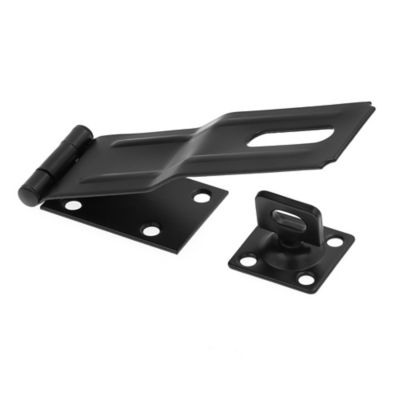
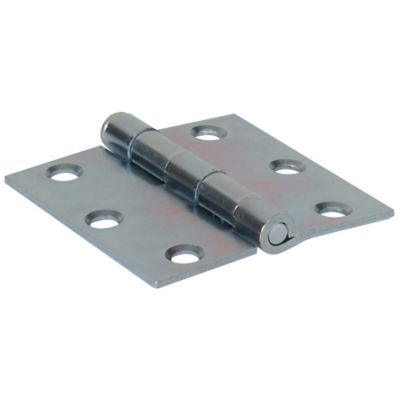
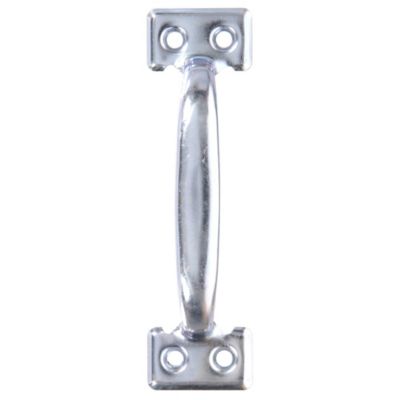
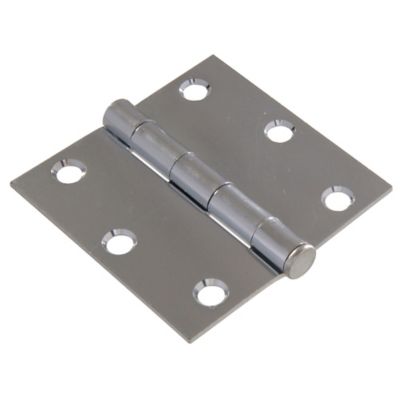
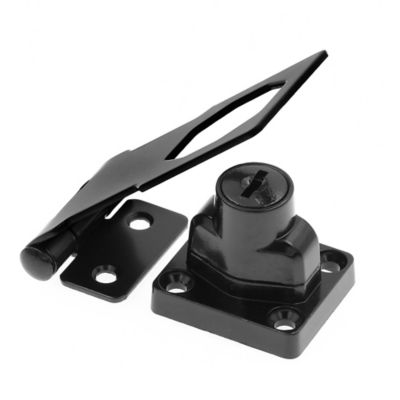
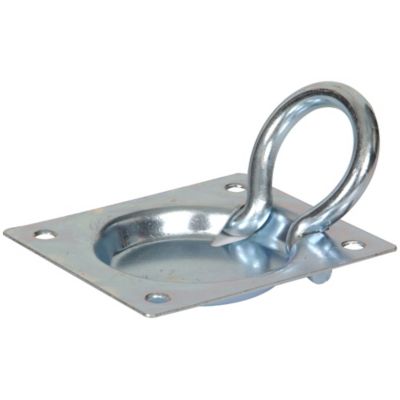
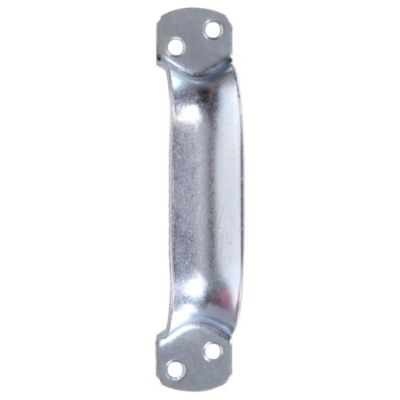
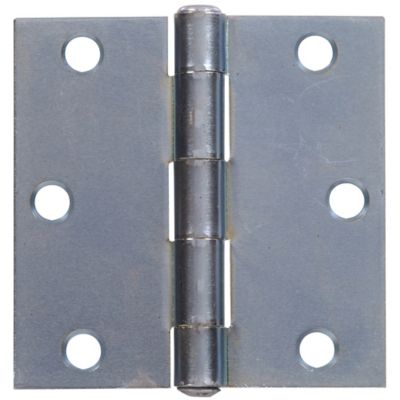
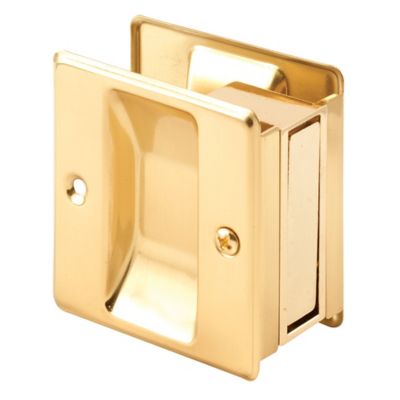
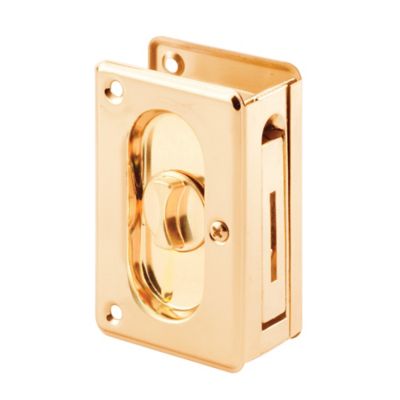
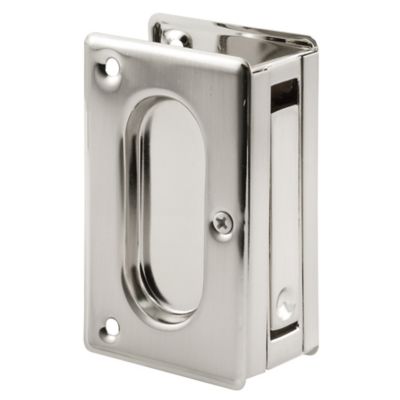
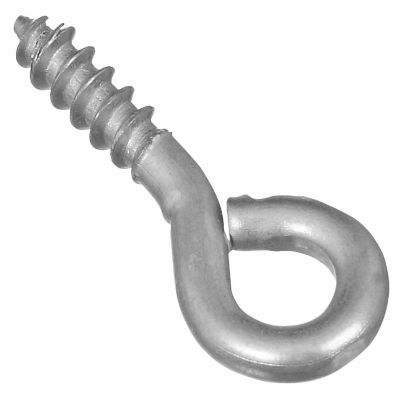
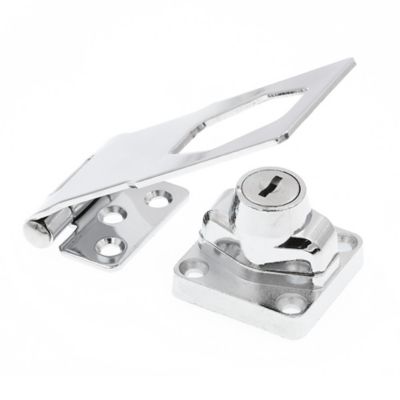
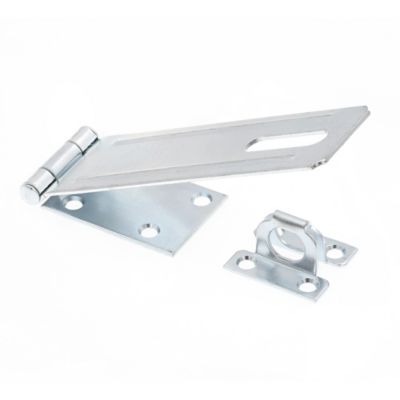
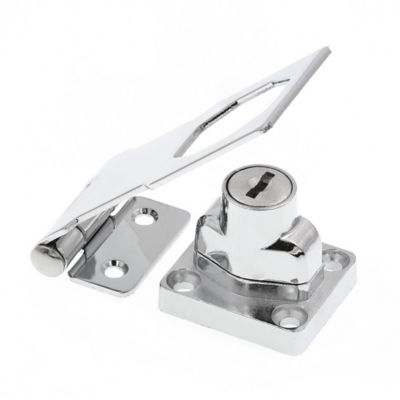
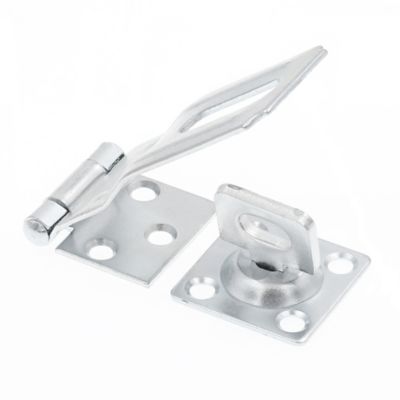
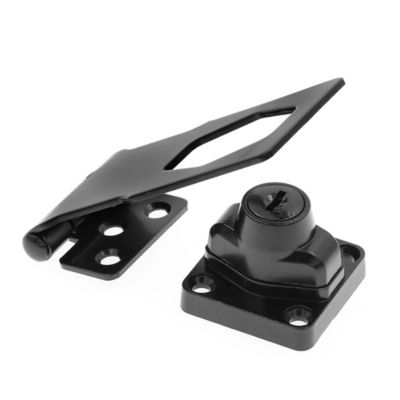
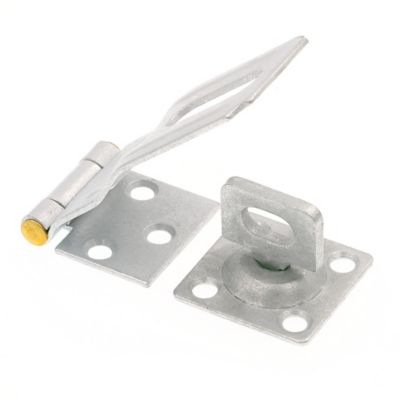
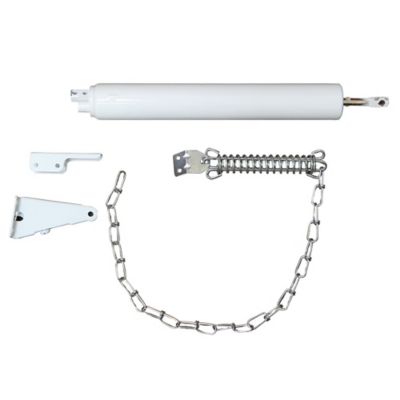
Small door hardware is made for the little doors and panels that need dependable movement, a neat finish and the right fit without adding unnecessary bulk. This broad category includes compact hinges, small knobs and pulls, narrow latches, flush pulls, cabinet catches and scaled-down sliding hardware for lightweight doors. You may use these pieces on a kitchen cabinet, hallway cupboard, workshop locker, small gate, storage cubby, jewelry box, tack-room organizer or a piece of handmade furniture. They are also handy for repairs around an older farmhouse, where a worn hinge or missing latch can make a perfectly good door sag, rattle or refuse to close. Before choosing hardware, take a close look at the door itself. Measure its height, width and thickness, then consider the material and approximate weight. A thin wood panel needs different support than a solid hardwood door, while a metal locker or utility cabinet may call for hardware that can stand up to repeated use. The available mounting space matters, too. Narrow stiles and tight corners may leave little room for a wide hinge leaf or a large handle. Surface-mounted hardware can be a practical choice when you want a straightforward installation, while recessed or flush-mounted pieces help keep a small door face smooth and clear. For sliding panels, check the usable opening and the amount of room above and beside the door so the track has space to operate without bumping into trim, shelving or nearby walls.
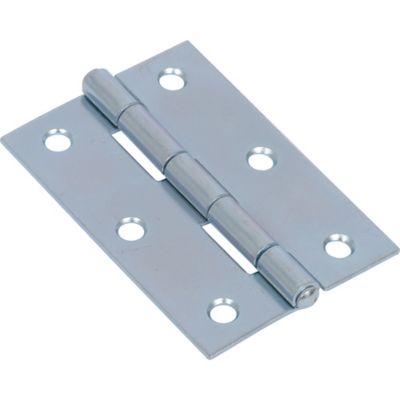
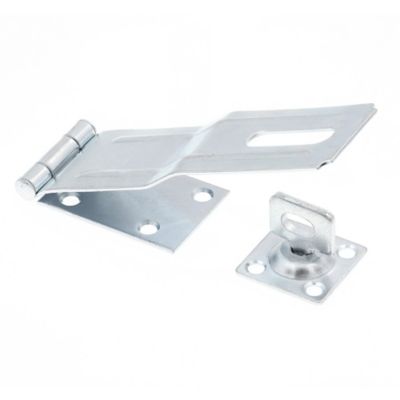
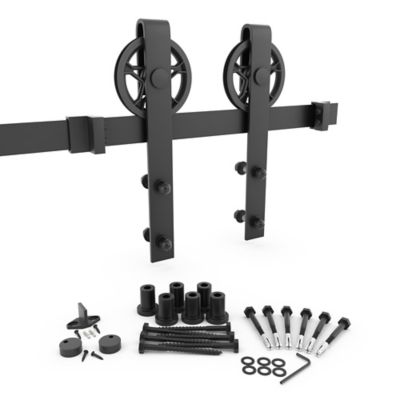
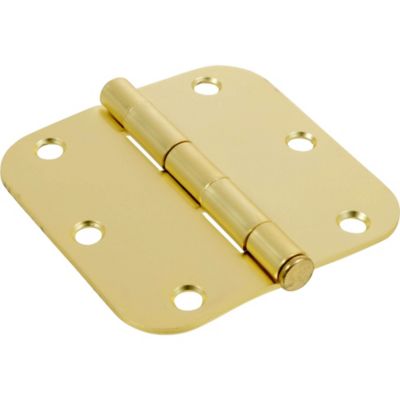
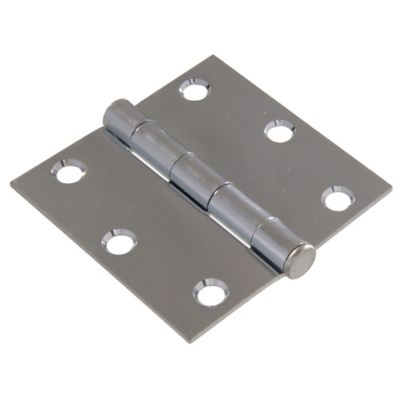
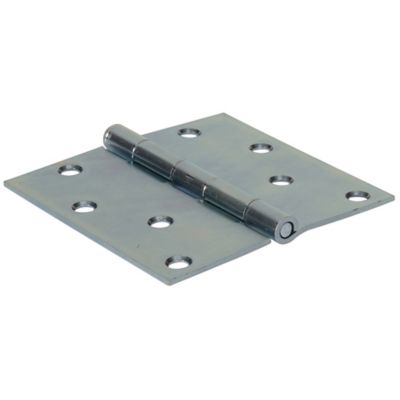
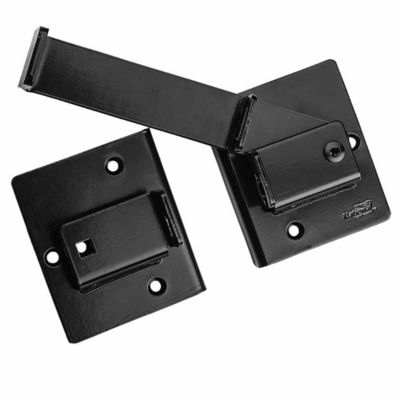
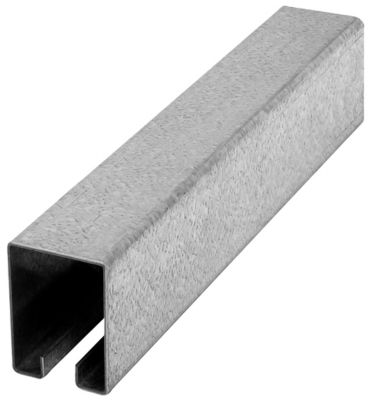
Small hinges should open smoothly and sit evenly, with the hinge size suited to the door’s weight rather than chosen by appearance alone. On a light cabinet or box, a compact hinge may be all that is needed, but a taller panel may require more than one hinge to prevent twisting over time. When replacing old hardware, compare the screw-hole spacing and hinge position before drilling new holes. A few minutes spent holding the hinge in place and marking the holes can save a crooked door and a handful of patched spots later. Knobs and pulls should feel comfortable in the hand while matching the scale of the door; an oversized handle can crowd a petite panel, and a tiny pull may be hard to grasp with work-worn hands or gloves. Latches and catches are useful where a door needs to stay shut against vibration, drafts or curious pets, but they should still release easily when you need access. For a sliding door or panel, pay attention to the hardware’s weight rating and make sure it is intended for a lightweight application. A track that is too small can drag, while one that is too large may overwhelm the cabinet or furniture. Smooth operation also depends on careful installation: keep mounting surfaces square, use the proper fasteners for the material, and avoid overtightening screws into soft wood. In a dusty workshop, feed room or mudroom, a quick wipe now and then can keep moving parts from collecting grit. If a cabinet or interior door needs a quieter, gentler close, explore
Soft Close Door Hardware for another way to protect the door and reduce the sharp bang that carries through the house.
These small pieces can make a useful addition to a repair kit, woodworking bench or housewarming gift basket, especially for someone who enjoys fixing up an old hutch, building miniature furniture or finishing a custom storage project. A hobby woodworker may appreciate compact pulls and hinges for small drawers and display doors, while a renter or first-time homeowner can use simple latches and knobs to freshen up tired cabinets without taking on a full remodel. In a barn, shed or garage, small door hardware helps keep supplies organized behind locker doors, feed-storage compartments and tool cabinets. Around the house, it can add a finished look to linen cupboards, toy chests, craft storage and under-stair spaces. During the cooler months, when more time is spent indoors tending to repairs and small projects, having the right size hardware on hand can turn a loose door into a quick afternoon fix. Keep spare screws, a screwdriver, a drill bit suited to the mounting surface, a level and a measuring tape nearby, and test the door several times before putting everything away. Open it fully, close it gently and check that the latch lines up without forcing the panel. Small door hardware may not be the biggest part of a project, but it often makes the difference between a door that merely hangs in place and one that works properly every time.