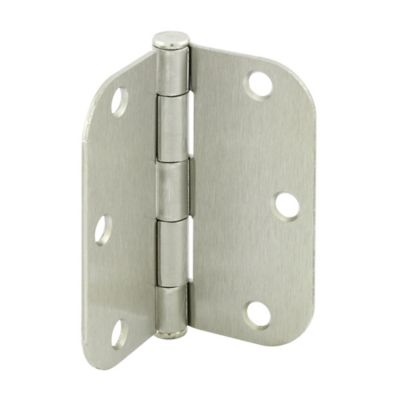
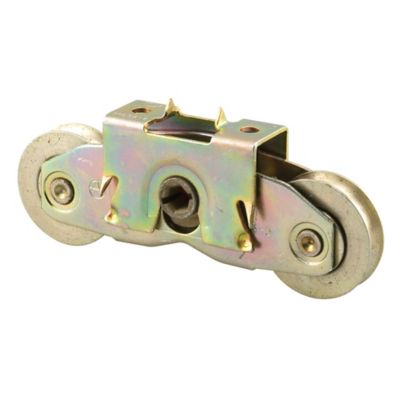
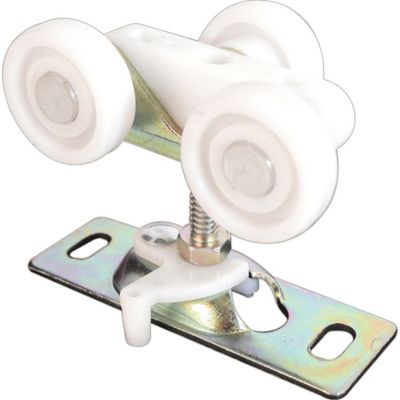
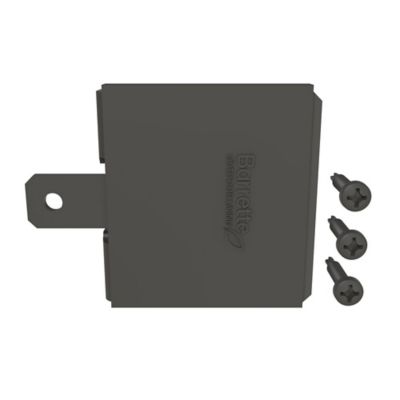
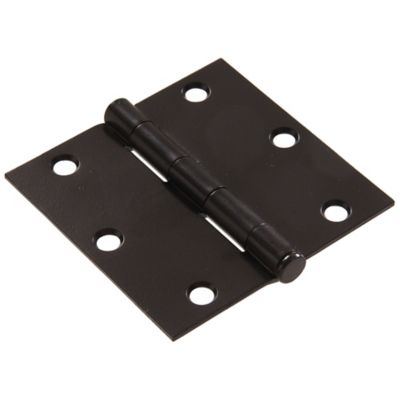
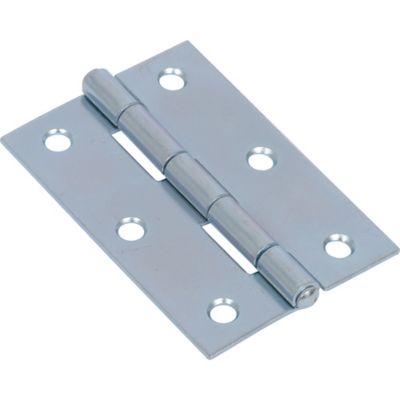
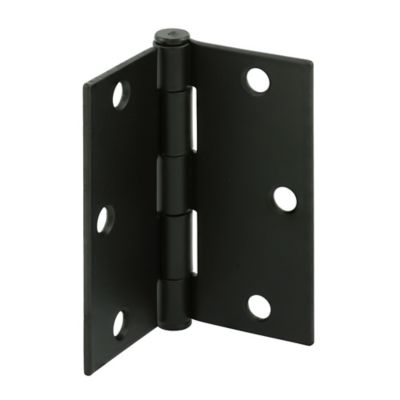
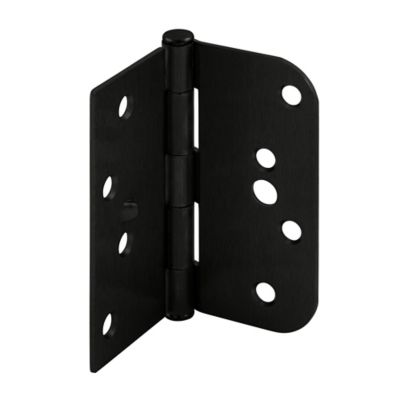
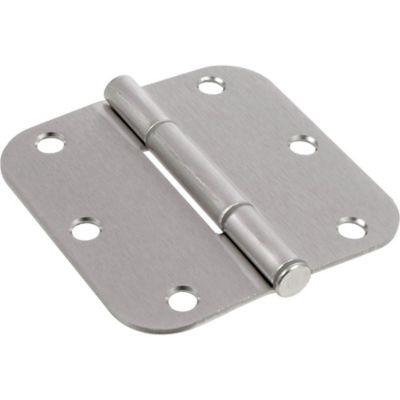
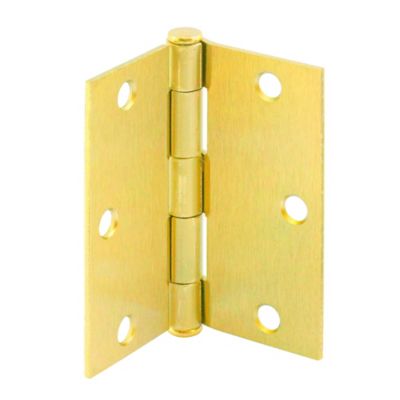
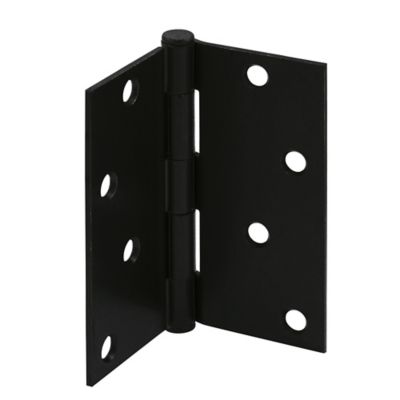
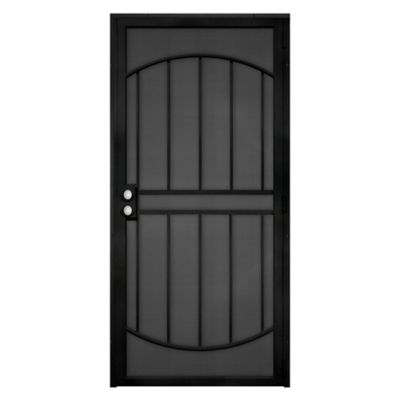
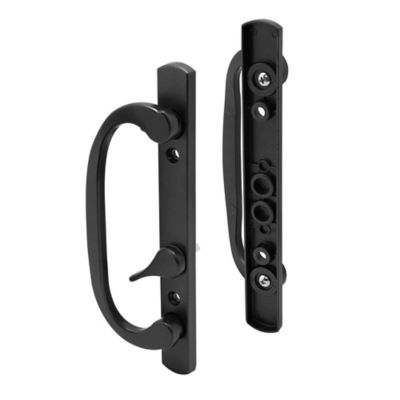
Quiet door hardware can make a home, barn office, workshop, guest room or rental property feel noticeably more comfortable. A loud latch click in a sleeping house, a hinge squeak in a hallway, or a sliding door that bangs against its stop can carry farther than expected, especially in homes with open floor plans, wood floors and hard-surface walls. Quiet door hardware is designed to reduce those everyday sounds through cushioned contact points, flexible materials and dampening features that soften the final movement of a door. Depending on the door and the noise you are trying to solve, options may include silent latches with nylon-coated or cushioned latch bolts, flexible strike plates that guide the bolt into place without a sharp metal-on-metal impact, hinge designs with ball bearings or nylon inserts, and small rubber silencer mufflers that help prevent rattling in the jamb. For sliding and barn-style doors, soft-close hardware catches the door near the end of its travel and guides it shut rather than letting it roll hard into the frame. These improvements are useful anywhere a little less noise makes a big difference: bedrooms and nurseries, home offices, laundry rooms, mudrooms, veterinary areas, farm offices, tack rooms, hunting cabins and guest spaces. They can also be a thoughtful housewarming gift for someone settling into an older home, finishing a workshop or preparing a nursery. When choosing quiet door hardware, start by identifying the door style and the source of the sound. A swinging interior door that slams may need a soft-close feature or a cushioned latch, while a door that only squeaks may benefit from quieter hinges. A sliding door that rattles or rolls too fast calls for hardware made for its track and weight. For smaller repairs and replacement parts, shoppers may also find useful options in
Small Door Hardware, but it is important to match every piece to the existing door system rather than choosing by appearance alone.
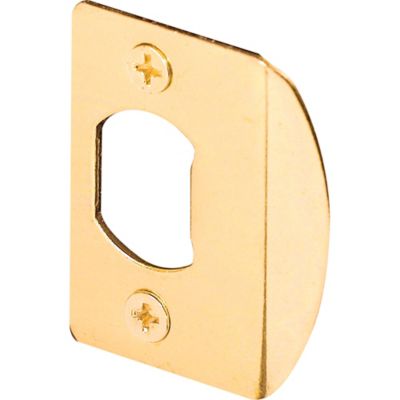
Fit matters just as much as the noise-reducing feature. Before purchasing, check the door thickness, swing direction, hinge size and spacing, latch backset, strike location and the available room around the frame. Sliding doors require attention to track length, door weight, mounting surface and clearance from nearby trim, baseboards or wall hardware. A soft-close mechanism that is too light for the door may not control its movement well, while one intended for a heavier door can make operation feel stiff. For a replacement latch or strike, compare the faceplate shape, screw-hole placement and bolt position with the hardware already installed. A cushioned latch bolt can help reduce the familiar click that happens when the latch meets the strike, but it still needs to line up cleanly so the door closes without rubbing or needing a hard pull. Flexible polymer strike plates and jamb silencers can soften contact and cut down on small rattles, though they work best when the frame is square and the door is properly adjusted. Hinges should sit flat in their mortises, with screws tightened securely and no signs of sagging or binding. On an older outbuilding or well-used back door, the noise may come from a loose screw, a shifted frame or weather-related swelling rather than the latch alone. Taking a moment to inspect those conditions can help you select hardware that solves the real problem instead of simply covering it up. Quiet hardware is especially helpful for families with light sleepers, people working irregular shifts, older adults who prefer a calmer home, and anyone caring for an infant or recovering from an illness. It also suits rural properties where a house may include several separate entrances, a mudroom leading from the yard, or a shop door that gets used throughout the day. A quieter closing action can keep early-morning chores from waking the household and make evening trips through the hall less disruptive during the cooler months, when doors and windows tend to stay closed and indoor sounds are more noticeable.
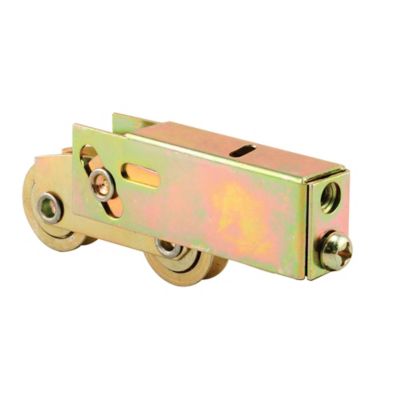
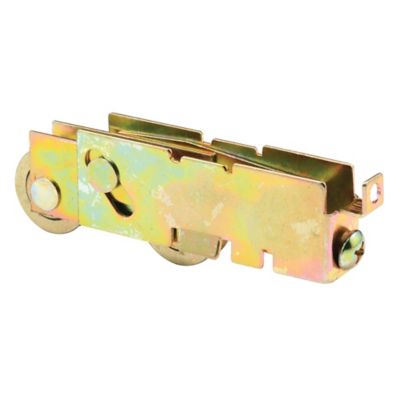
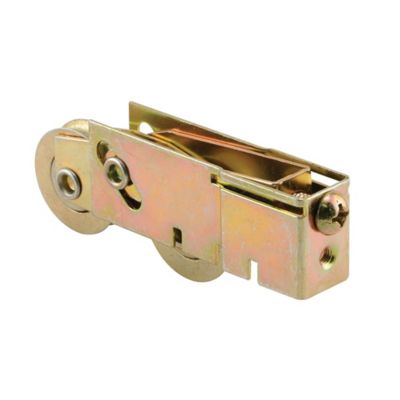
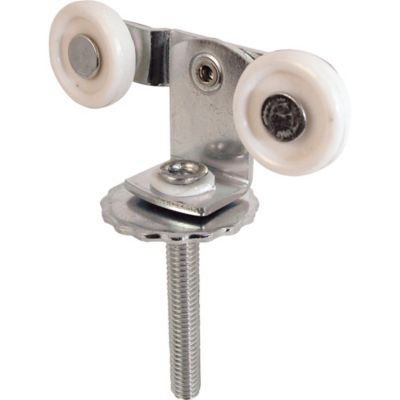
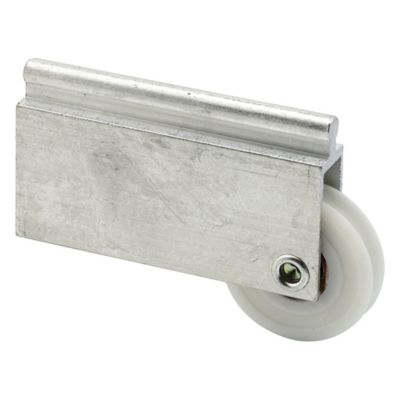
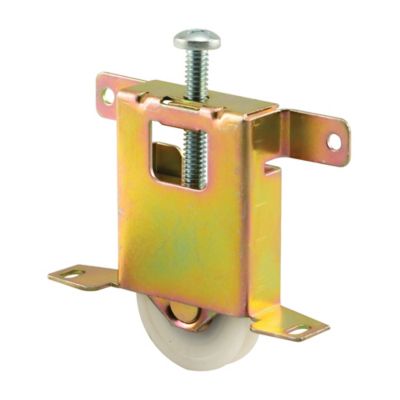
Installation can be straightforward when the replacement matches the existing measurements, but a careful setup is what makes quiet hardware work its best. Keep the door supported while removing hinges or other load-bearing parts, and use the correct screws for wood, metal or masonry surfaces. A door should move freely before a soft-close mechanism is adjusted; otherwise, the closer is forced to compensate for a sagging door or a rough track. After installation, open and close the door several times at different speeds to check that the latch enters the strike smoothly, the closer catches at the right point and the door does not bounce back open. On sliding systems, make sure the rollers are seated correctly and that the track is free of packed dirt, sawdust and grit. In a farm shop or utility area, dust and debris can build up quickly, so choosing durable materials and checking moving parts during regular maintenance is worthwhile. Avoid over-tightening small fasteners or using oversized screws that can distort a strike plate or hinge leaf. For hinge squeaks, use a lubricant approved for the hardware and follow the manufacturer’s care directions; some quiet hinge designs are built to operate with little maintenance, while others still benefit from an occasional inspection. The goal is not just a door that closes quietly once, but one that continues to latch, glide and stay aligned through changing temperatures, daily traffic and the normal wear of a busy household. With the right match for the door type, quiet door hardware can take the edge off slamming, soften sharp clicks, calm squeaky hinges and make every room feel a little more settled.