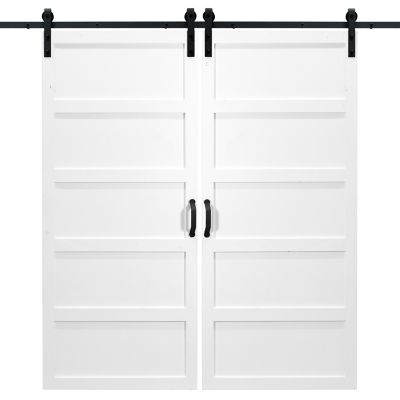
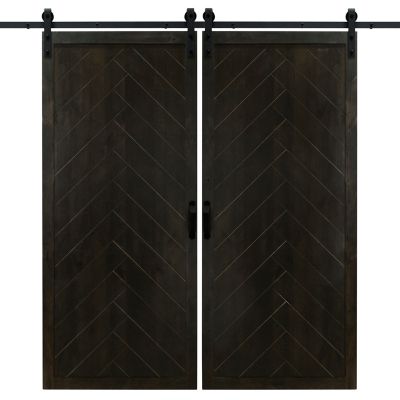
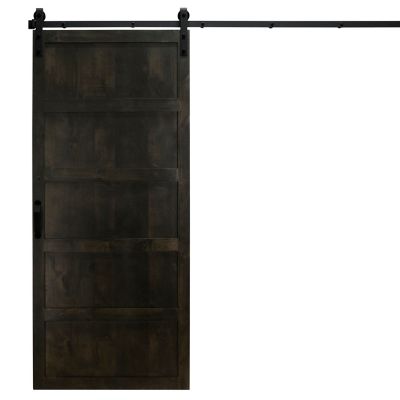
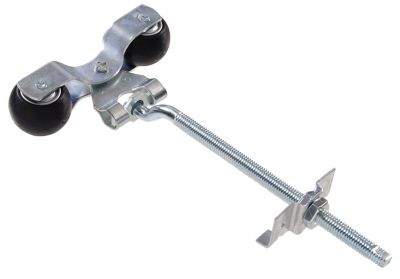
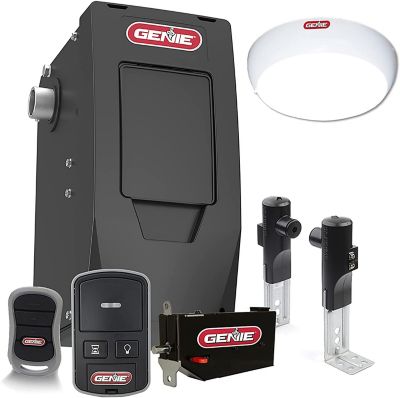
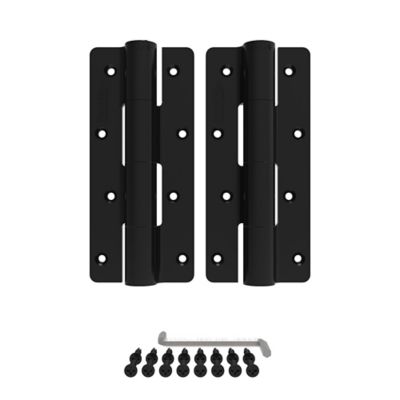
Soft close door hardware is a practical way to make everyday doors and cabinets quieter, safer, and easier to live with. Instead of letting a door swing or slide hard into the frame, soft close hardware uses a hydraulic or pneumatic damper to catch the moving door, slow it during the last part of its travel, and guide it gently into the closed position. That small change can make a big difference in a busy kitchen, mudroom, laundry area, workshop, office, or bedroom. It helps stop the sharp bang that carries through the house, keeps cabinet doors from rattling, and reduces the repeated impact that can loosen hinges, strain fasteners, and wear down wood frames over time. It can also help protect fingers, paws, and curious little hands from a sudden closing door. Soft close hardware comes in several styles, so the right choice depends on the kind of door being updated. Cabinet doors may use concealed hinges with built-in damping, while existing hinges can often be paired with add-on dampers that screw or clip into place. Full-size swinging interior doors may use a surface-mounted or concealed damper that engages during the final portion of the swing. Sliding barn doors and pocket doors commonly use a catch-and-damper assembly inside or along the upper track; an activator pin meets the mechanism and gently brakes the door during the final inches of movement. When comparing options, start by identifying the door style, opening direction, door thickness, weight, and available mounting space. A cabinet door, a solid wood room door, and a wide sliding door place very different demands on their hardware. Check the manufacturer’s stated weight range and mounting requirements, and measure carefully before ordering. The hardware needs a solid attachment point, enough clearance to operate without rubbing, and a position that allows the door to close fully. If you are looking for ways to cut down on household noise in other areas, browse
Quiet Door Hardware for additional options suited to quieter doors and living spaces.
Soft close door hardware can be useful in both new construction and simple home updates. During a remodel, it can be installed as part of a cabinet, barn door, pocket door, or interior door project, but many styles are also made to improve doors that are already in place. This makes it a handy choice for a farmhouse kitchen where cabinet doors see constant use, a mudroom that gets busy when boots and coats come through the door, or a workshop where a sliding door needs to stay controlled instead of rolling hard against its stop. Families with young children may appreciate the added protection against slamming and pinched fingers, while pet owners can use it to reduce sudden door movement around dogs, cats, and other animals. In a bedroom or nursery, a soft close setup can help keep late-night trips from waking the rest of the household. It is just as useful in a home office, guest room, pantry, or rental property where a quieter, more finished feel matters. Many dampers include an adjustment screw or similar control that lets you fine-tune closing speed and resistance. A heavier door may need more control, while a lightweight cabinet door may close best with a lighter setting. Make adjustments in small increments and test the door after each change rather than tightening or loosening the control all at once. The door should move smoothly, engage the damper near the end of its travel, and settle into the latch or frame without bouncing back. If it stops short, closes too slowly, or needs a hard push, recheck the alignment, mounting position, and adjustment setting. Hardware made from durable metal and finished to resist everyday wear can be a smart fit for areas that see dirt, moisture, or frequent handling, including utility rooms, barns, workshops, and entryways. Keep in mind that soft close hardware is designed to control movement, not correct a sagging door, damaged track, loose hinge, or uneven frame. Taking care of those problems first will help the damper work as intended and give the finished installation a cleaner, longer-lasting result.
Choosing soft close door hardware is also about matching the hardware to the way a space is used. A door that gets opened and closed dozens of times a day deserves a sturdy mechanism with a suitable weight rating and dependable mounting points. A rarely used guest-room door may call for a simpler setup, while a heavily used pantry, tack room, or mudroom door may benefit from adjustable resistance and a stronger construction. For sliding doors, confirm the track type, door width, travel direction, and space above the opening before selecting a soft close system. For cabinet applications, compare hinge overlay, cup size, mounting pattern, and door thickness so the hardware sits correctly and does not interfere with shelves or neighboring doors. For full-size swinging doors, look at the available surface area and whether you want the damper visible or tucked out of sight. Installation usually calls for a tape measure, pencil, drill, screwdriver, and the right fasteners for the door and frame material. Mark mounting locations carefully, predrill where appropriate, and avoid overtightening screws into wood or composite materials. After installation, open and close the door several times to make sure the catch point is consistent and the door clears trim, handles, and nearby walls. A soft close upgrade can make a thoughtful housewarming gift for someone settling into a new home, a practical present for a relative fixing up an older farmhouse, or a useful addition to a workshop or rental property. It is the sort of improvement people notice every day without having to think about it: the cabinet settles quietly after breakfast, the hallway door no longer echoes through the house, and the barn door glides to a controlled stop while the cooler months keep everyone spending more time indoors. With the right fit and a careful installation, soft close door hardware brings a calmer feel to hardworking spaces and helps protect the doors, frames, hinges, and people who use them.