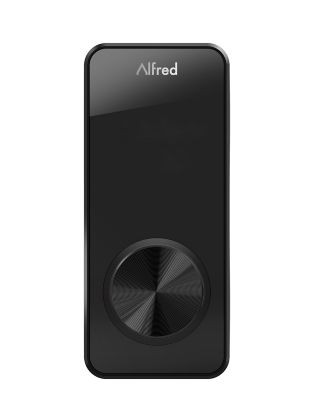
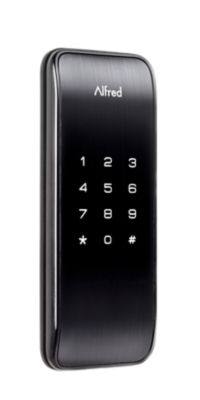
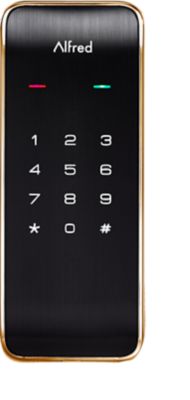
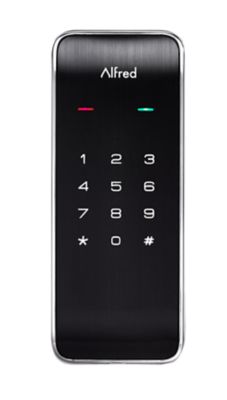
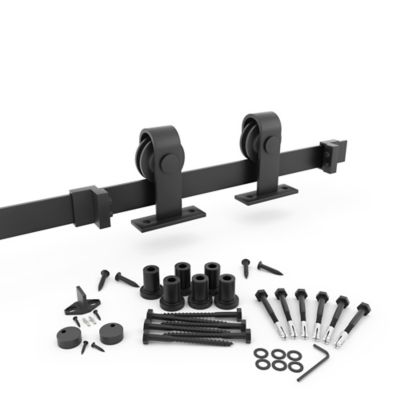
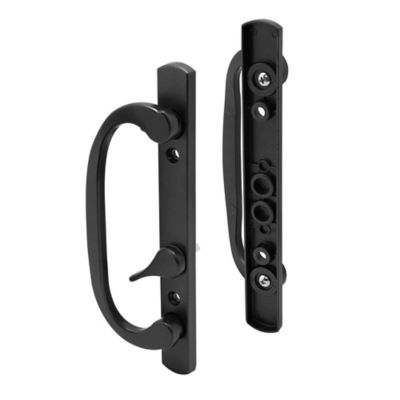
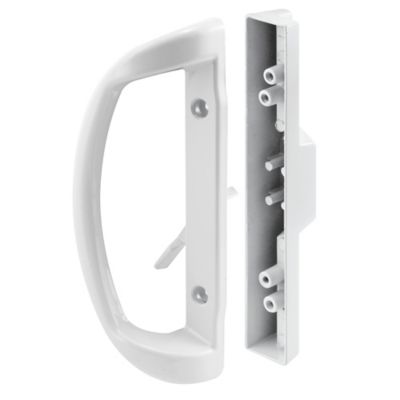
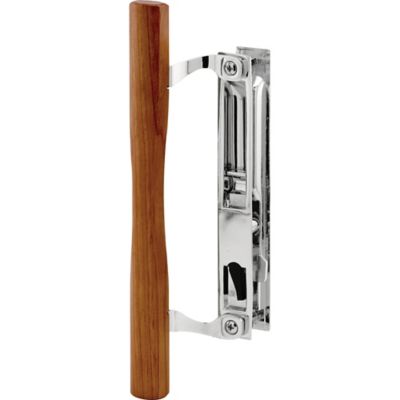
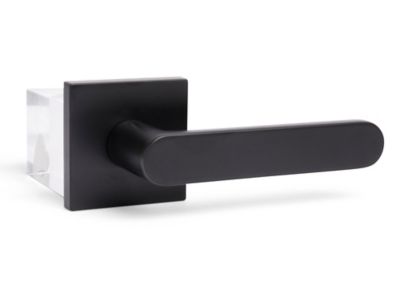
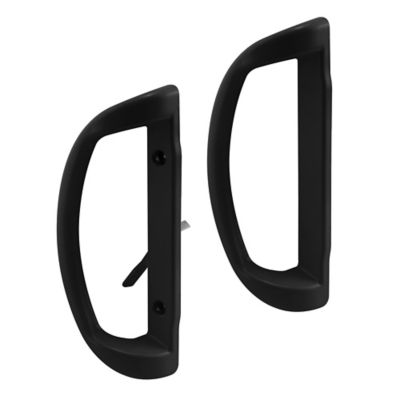
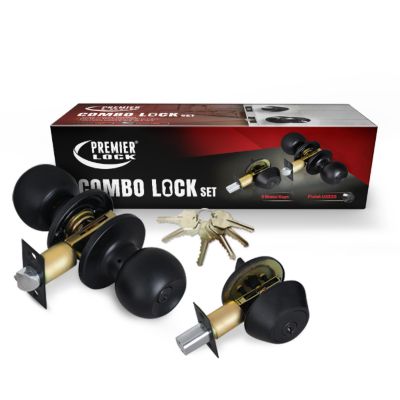
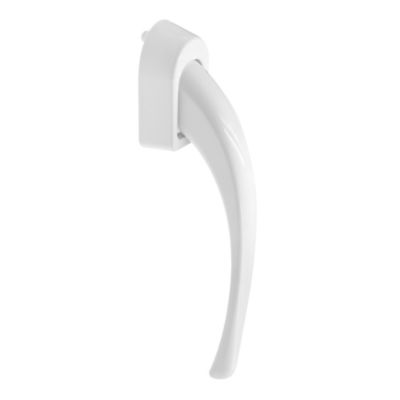
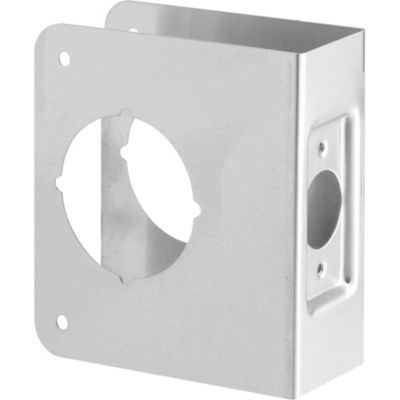
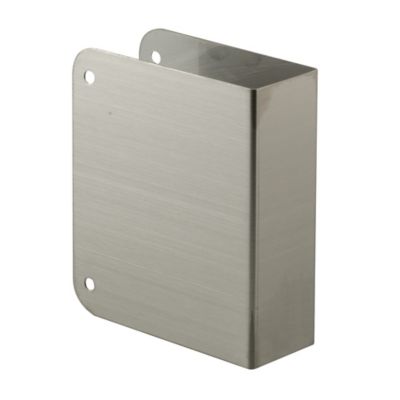
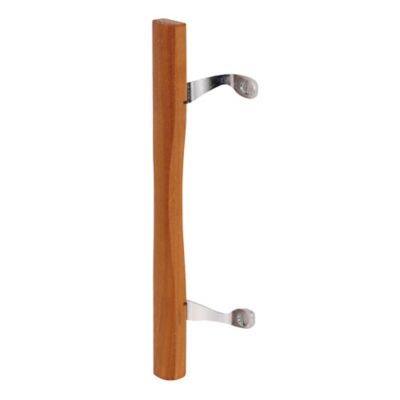
Modern door hardware brings together clean shapes, practical operation, and finishes that suit everyday spaces. Straight levers, streamlined knobs, simple pulls, and square or rectangular backplates give doors a tidy, uncluttered look without making a home feel too formal. That style fits just as naturally on a painted mudroom door as it does on a solid wood front entrance or a hallway leading to bedrooms. The finish helps set the tone: matte black creates strong contrast against light paint, brushed brass brings warmth to wood grain, and satin stainless steel adds a cooler touch that pairs easily with metal fixtures. Polished chrome has a brighter, more reflective appearance, while brushed and satin surfaces tend to make everyday fingerprints less noticeable. For a darker finish that connects entry doors with interior rooms,
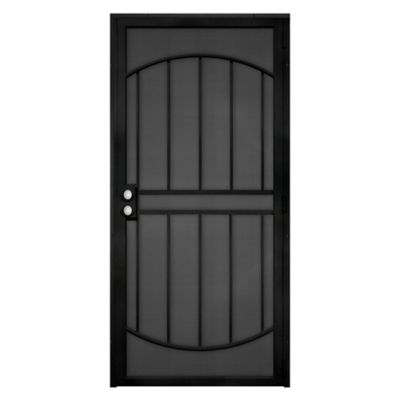
black door hardware offers a straightforward look alongside white trim, natural lumber, and earth-toned walls. Shape matters just as much as color. A slim lever can keep a narrow door from looking crowded, while a broader backplate gives a substantial entrance more visual weight. Round mounting plates can soften the lines of a square-edged handle, so modern styling does not require sharp corners on every part. Lightly textured grips add a little traction and visual interest, though deeper grooves may take more attention when cleaning. Matching every metal finish in a house is not essential; repeating a finish on nearby doors often creates enough consistency. In a farmhouse, ranch house, or place with a busy back entrance, the best fit is hardware that looks at home and feels comfortable every time someone heads outside. A handle gets attention through touch as much as appearance, whether that means opening the kitchen door with a basket of laundry on one hip or closing a bedroom quietly at the end of a long day.
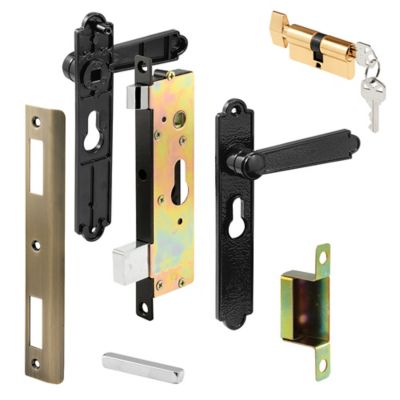
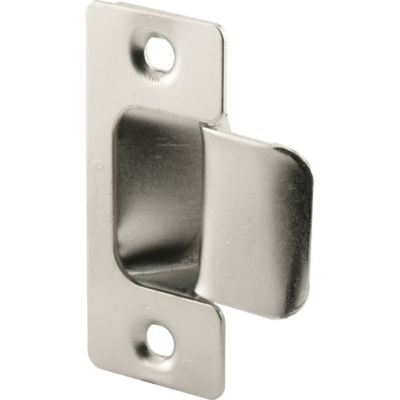
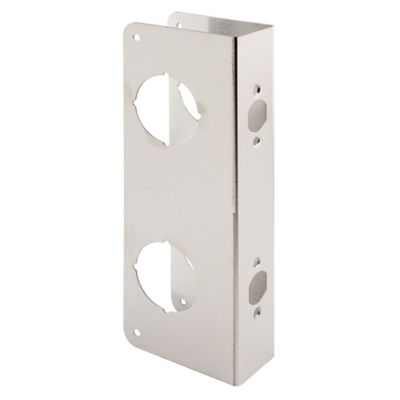
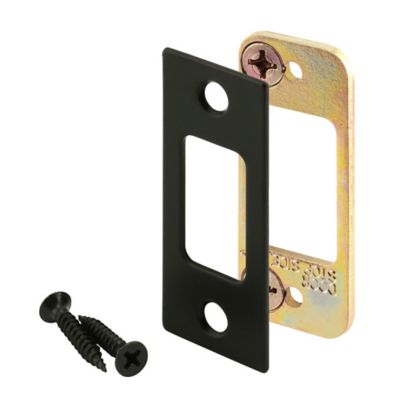
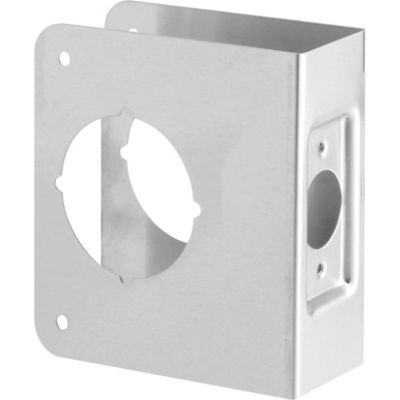
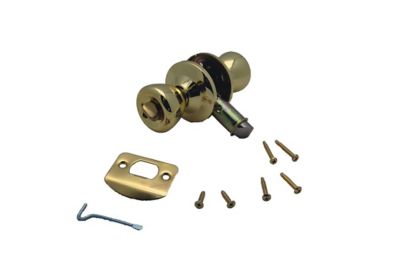
The main types of modern door hardware differ by how they latch and lock, not just how they look. Passage hardware has a latch but no locking function, making it a common fit for hallways and closets where privacy is not needed. Privacy hardware includes an inside locking control for bedrooms and bathrooms, typically with an emergency release on the outside rather than an exterior security lock. Dummy hardware is stationary and provides a grip without operating a latch; it suits certain pantry doors, closet doors, and inactive leaves of paired doors when a separate catch holds the door shut. Keyed entry hardware controls access with a key, and exterior entrances may pair a latch set with a separate deadbolt for added locking protection. These functions are worth keeping consistent with the room, especially in a home where children, visitors, and several generations move through the same spaces. A bathroom needs privacy without making emergency access unnecessarily difficult, while a utility closet may need nothing more than a comfortable handle and a positive latch. Levers can be easier to operate than round knobs when hands are stiff or carrying something, although accessibility depends on the complete design and installation. Fit starts with door thickness, the diameter of existing holes, and the backset—the distance from the edge of the door to the center of the main handle hole. Common residential backsets are 2-3/8 inches and 2-3/4 inches, but measuring the door is safer than assuming either size. Door handing, or the direction the door swings, can also affect lever selection; some designs reverse, while others require a particular orientation. Replacement hardware should work with the existing edge preparation, latch faceplate, and strike location. On an older door, a larger mounting plate may cover marks from the previous fitting, but it cannot correct a loose frame or a latch that misses the strike. Enough clearance between the handle, trim, and an adjacent storm door helps keep daily operation smooth.
Materials, construction, and care determine how well modern door hardware holds up to the work a door does. Brass, stainless steel, and zinc alloys are common materials, but a finish name does not necessarily identify the metal underneath. Brass-colored hardware, for example, may have a brass-tone coating over another material. Stainless steel can offer good corrosion resistance, though its performance depends on the grade and the surrounding conditions. Coatings and plated finishes also vary in their tolerance for moisture, abrasion, and cleaning chemicals, making the stated indoor or outdoor application more useful than appearance alone. A sheltered bedroom door sees different conditions from a back entrance exposed to damp gloves, blowing rain, and frequent trips between the house and barn. Exterior hardware needs a finish and mechanism intended for that exposure, while doors near livestock areas, pools, or salty air may face more demanding corrosion conditions. During the cooler months, swelling wood, shifting alignment, and weather seals can change how a door closes. A latch that needs a hard shove may signal a hinge or alignment issue rather than a need for a stronger handle. Sound hinges, firm mounting screws, and a properly positioned strike help the whole assembly work without unnecessary strain. For routine cleaning, a soft cloth and a mild cleaner permitted by the manufacturer generally make more sense than abrasive pads or harsh solvents. Wiping away moisture and drying the surface helps protect the finish, especially around grip areas and mounting plates. Moving parts may call for a particular lubricant, so care directions matter before applying oil or spray inside a lock. For exterior security, published ANSI/BHMA grades, when provided, offer a basis for comparing tested performance; finish and weight alone do not establish resistance to forced entry. The door, jamb, strike attachment, and lock all contribute to the strength of the entrance. Whether the setting is a family home, a guest space, or an enclosed workshop, thoughtfully matched modern door hardware keeps clean styling tied to a practical purpose: a comfortable grip, the right level of privacy, and a door that closes and latches without a fuss.