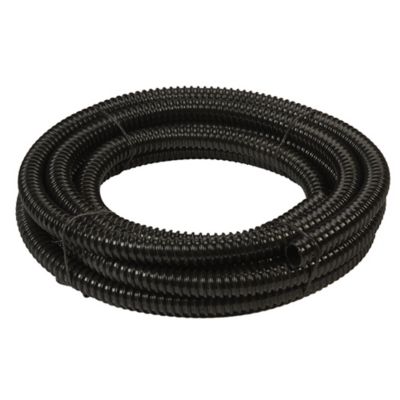
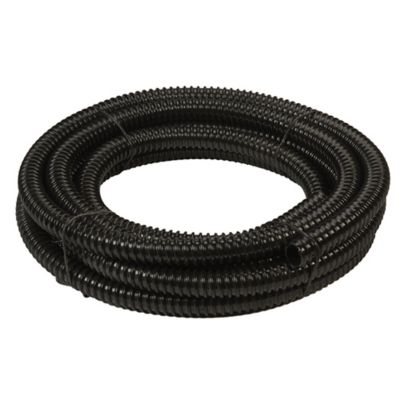
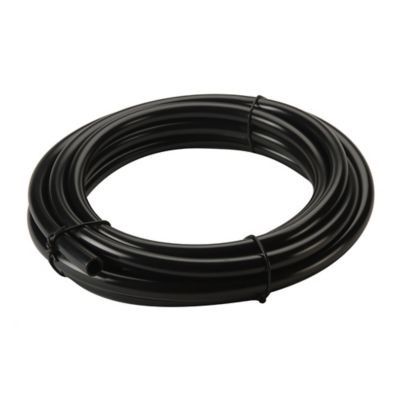
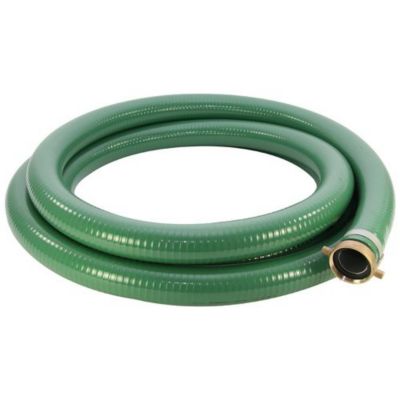
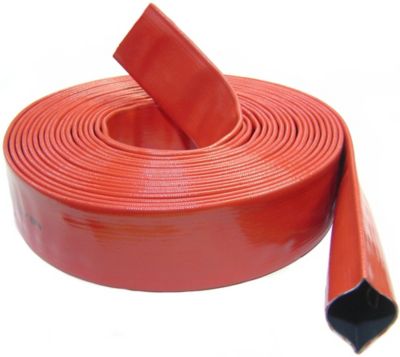
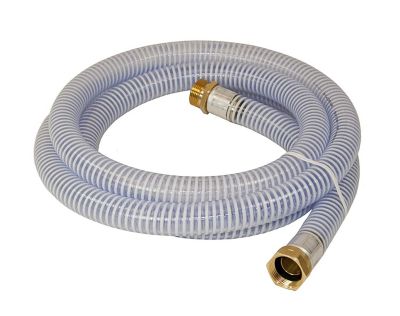
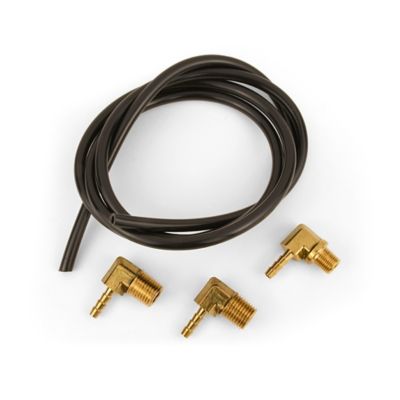
Pond pump tubing carries water between the pump, filter, fountain or waterfall, keeping the parts of a pond system connected without taking attention away from the water itself. Around a backyard fish pond, a water garden beside the porch or a landscaped pond near the barn, the right tubing helps turn separate pieces of equipment into a well-matched setup. A short line feeding a fountain has different demands than a longer run reaching a waterfall tucked behind rocks. Length, inside diameter, wall construction and connection size all affect how the tubing fits and how water moves through it. Inside diameter describes the open passage carrying water, while outside diameter includes the tubing walls; that distinction matters when matching tubing to fittings. Some equipment connections also follow nominal sizing, so matching dimensions and manufacturer specifications matters more than choosing by appearance alone. A line that is too narrow can restrict flow, and extra length, tight turns and fittings add resistance. The height water must rise adds another load on the pump, which means the tubing belongs in the same conversation as pump capacity and the desired water flow. A gentle spill over a flat stone calls for a different setup than a broad sheet of water dropping into a deeper pool. Pump flow ratings make the most sense alongside the equipment’s performance information for the planned lift and plumbing arrangement. Tubing sized to suit that arrangement helps support the intended effect without asking the pump to push through an unnecessarily restrictive route. For pond keepers replacing an aging line or connecting a new filter, matching the existing equipment is usually the starting point. For a fresh pond layout, the tubing route helps shape where the pump, filter and water feature can sit while leaving room to reach them later. That planning also keeps a good-looking waterfall from becoming a headache whenever a connection needs attention.
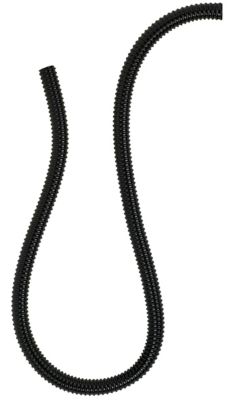
Material and construction make a noticeable difference once pond pump tubing leaves the package and follows the ground around a pond. Flexible vinyl, reinforced PVC and polyethylene offer different combinations of bend, stiffness and wall strength, with suitability depending on the individual tubing specifications. A softer line can be easier to route around a curved pond edge, while a stiffer line may need a wider turn to avoid a flattened section. Reinforced walls can help resist collapse or kinking where the tubing’s design and ratings support those demands. Smooth-bore tubing gives water a relatively clear passage and can be easier to flush, while ribbed or corrugated construction may offer flexibility for certain layouts. Interior construction still matters, since a corrugated outside does not always mean the inside has the same texture. Dark, opaque tubing can blend into rockwork and limit light reaching the water inside the line, though it does not replace regular pond maintenance. For ponds with fish or aquatic plants, material suitability deserves attention, including any manufacturer statements about pond applications. General-purpose tubing is not automatically a match for aquatic life, and drinking-water suitability is a separate consideration. Pressure ratings also matter: tubing intended for the discharge side of a pump may not have the collapse resistance needed for a suction connection. Connections bring those details together. Compatible
Water Pump Connectors can help join tubing to pump outlets, filters and other pond equipment, with the connection style determined by the equipment and tubing specifications. Hose-barb fittings generally match the tubing’s inside diameter, while other connection types may depend on outside diameter or threaded sizing. Properly matched clamps, seals and fittings help keep connections secure without crushing the tubing wall. A snug connection should come from compatible parts rather than forcing a small line over an oversized fitting or relying on extra clamping to make up for a loose fit.
Everyday pond care is easier when the tubing layout leaves the working parts within reach. A line hidden behind a few movable stones is simpler to inspect than one trapped beneath a heavy rock ledge, especially when a filter needs cleaning or a pump needs attention. Broad curves, supported connections and enough slack for normal servicing can help prevent strain at pump outlets and filter ports. Too much loose tubing, however, can create loops that collect debris or get pinched beneath nearby equipment. Keeping tubing clear of mower paths, sharp stone edges and foot traffic helps protect its outer wall and keeps the area around the pond neater. Where a line must pass beneath a walkway or through another exposed spot, protection needs to suit the location and the tubing manufacturer’s installation requirements; not every flexible line is intended for direct burial or heavy loads. Service life depends on more than wall thickness. Material compatibility, exposure, abrasion, operating pressure and repeated bending all play a part in how well a line holds up. Cracks, flattened bends, stiff sections and seepage around fittings can point to wear or an installation problem. A drop in waterfall flow might also come from buildup inside the line, a blocked pump intake or a dirty filter rather than the tubing alone. Routine inspection helps separate those causes before parts get replaced unnecessarily. For cleaning, flushing and any cleaning agents should follow the tubing and equipment instructions, with particular care around fish and plants. Accessible joints and a straightforward route make that work less of a chore. Whether the goal is a quiet trickle beside a sitting area or steady circulation through a pond filter, pond pump tubing works best when its dimensions, material and connections suit the whole setup. A well-planned line stays out of the way, keeps servicing manageable and lets the pond remain the part worth looking at.