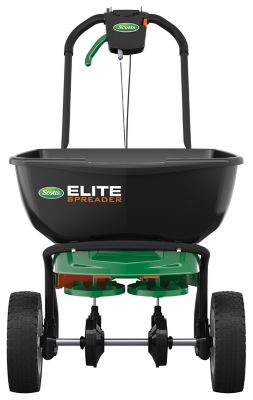
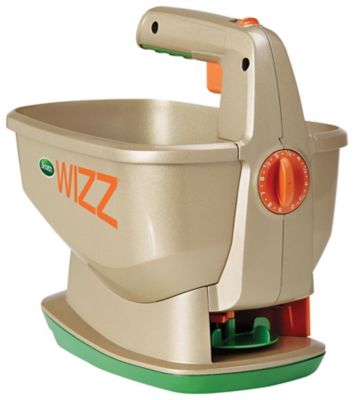
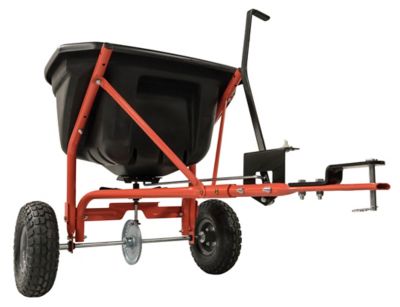
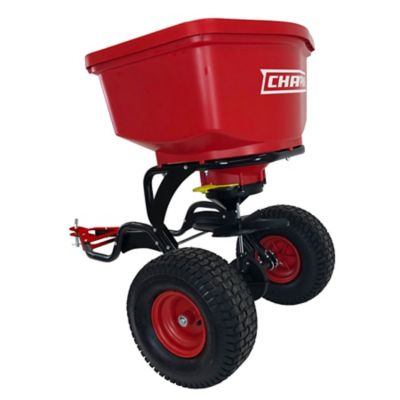
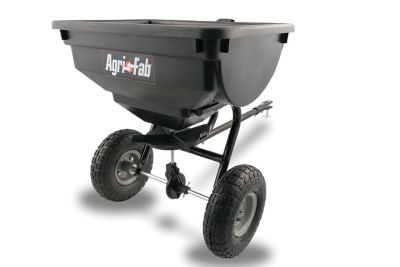
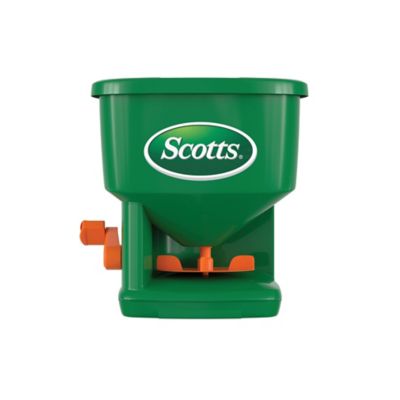
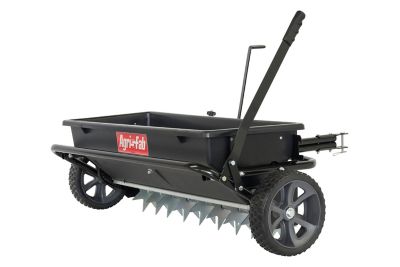
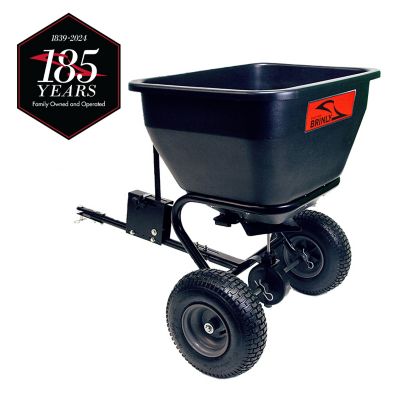
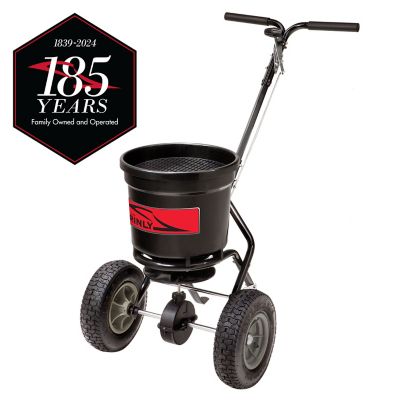
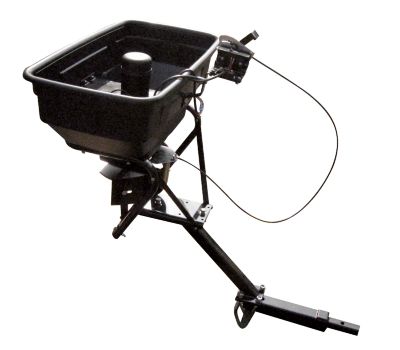
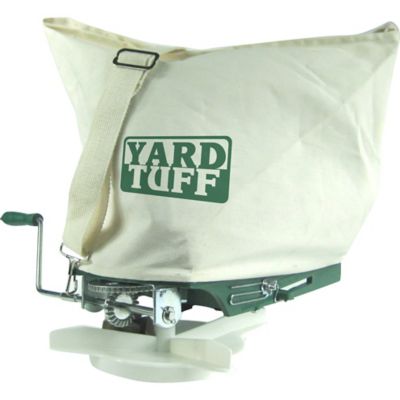
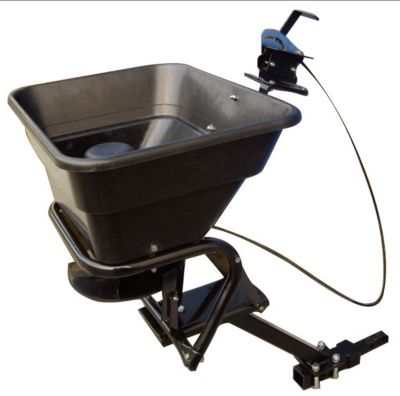
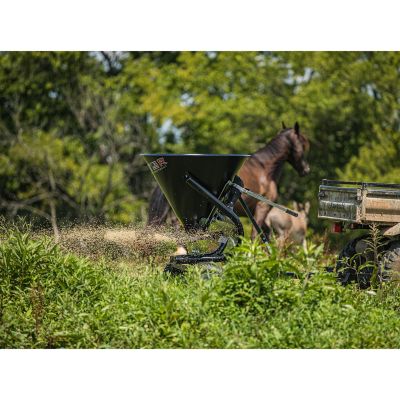
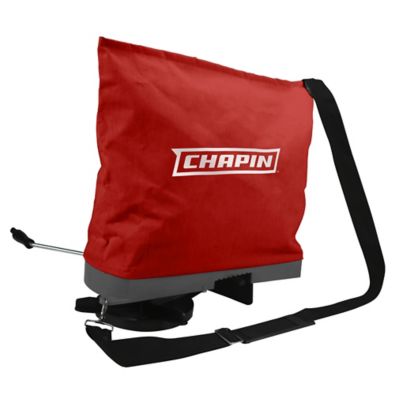
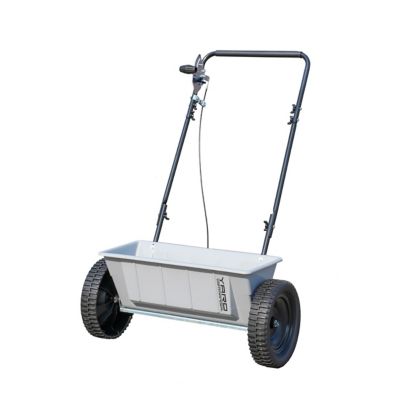
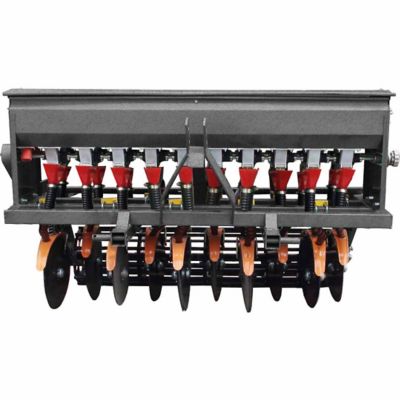
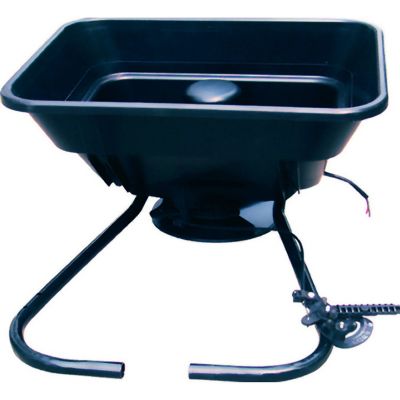
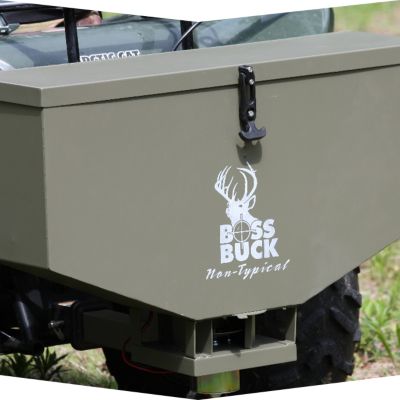
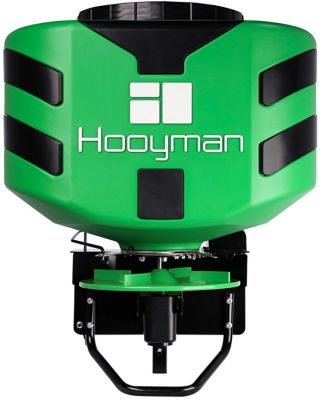
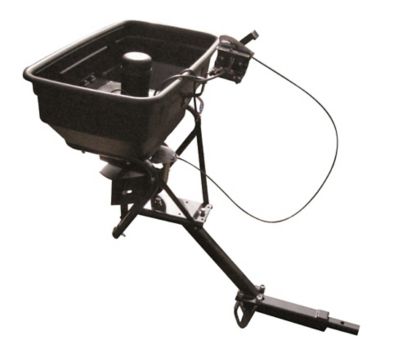
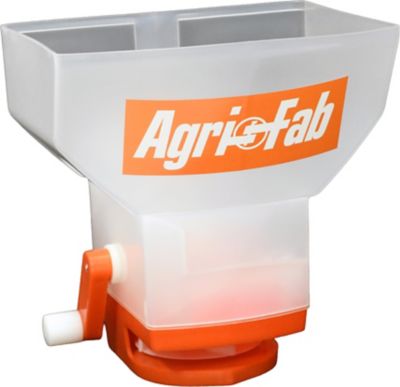
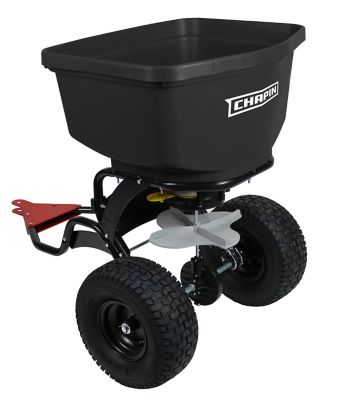
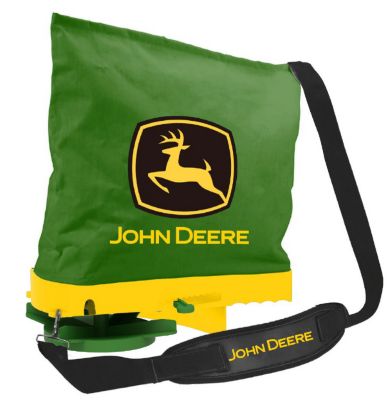
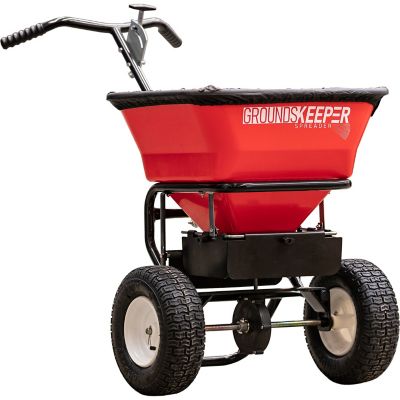
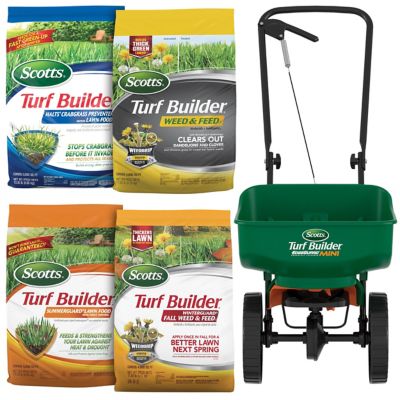
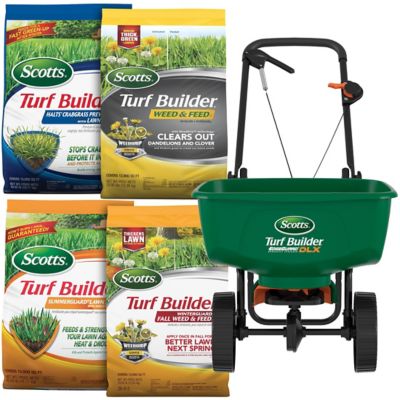
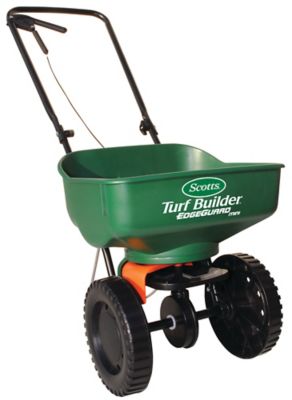
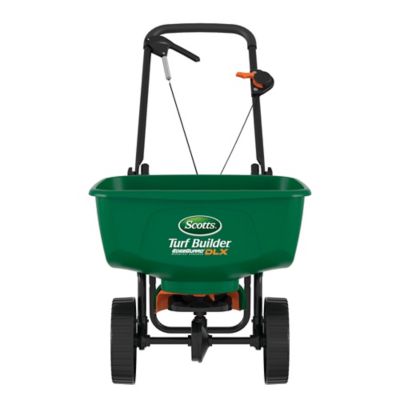
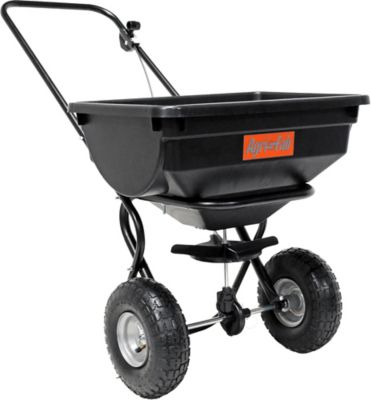
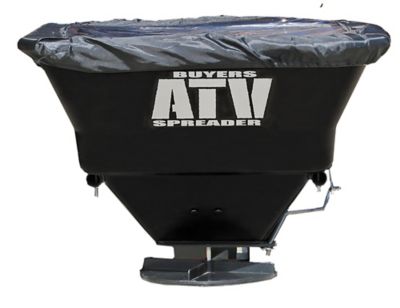
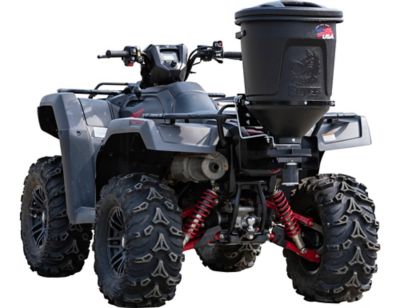
Seed spreaders help distribute grass seed across lawns, open ground, and other planting areas with more consistent coverage than scattering handfuls by hand. Depending on their design and material compatibility, some spreaders also handle granular fertilizer, giving property owners one piece of equipment for more than one job. The main choices include handheld seed spreaders, walk-behind push spreaders, and tow-behind spreaders, with each style fitting a different amount of ground and a different way of working. A handheld spreader makes sense for a small yard, a thin strip beside the barn, or scattered patches that do not call for hauling out larger equipment. Hand-crank designs spread material as the operator walks, while powered handheld designs take the cranking out of the job. A push spreader carries more material and rolls along with the operator, making it a practical fit for lawns and open areas with room for steady passes. Tow-behind seed spreaders attach to compatible riding equipment and help cover larger properties without pushing a loaded hopper across every stretch of ground. Spreading pattern matters just as much as the way the equipment moves. Broadcast spreaders throw seed outward from a spinning disc, covering a wider swath with each pass. That wider reach helps on open lawns and broad planting areas, though seed can travel beyond the intended boundary without an edge-control feature or enough room to turn. Drop spreaders release material beneath the hopper, generally within the width of the wheels, so they offer more control along straight edges and narrow sections. They cover less ground per pass but can be a better match beside flower beds, walkways, and vegetable patches. For a property with a broad front lawn and a narrow stretch behind the shed, the best fit depends on which part takes the most work. Coverage needs, access through gates, and room around trees all help determine which spreader style feels manageable rather than cumbersome.
Hopper capacity is worth comparing with both the size of the job and the weight the operator wants to handle. A larger hopper means fewer stops for refilling, but it also adds weight when full, especially on a push model. Capacity ratings may describe a particular material, so a hopper rated in pounds does not necessarily hold the same weight of every seed blend or fertilizer. Coated grass seed, fine seed, and blends containing larger seeds can move through an opening differently. Fluffy native grass seed may need equipment with a feed system designed specifically for that material rather than a standard lawn spreader. Matching the spreader to the seed label and the equipment manufacturer's recommendations helps prevent bridging, uneven flow, and frustrating stops. Adjustable flow gates give the operator control over how much material leaves the hopper, while an easy-to-reach shutoff helps keep seed from piling up during pauses and turns. A numbered setting is a reference point, not a guarantee of a particular application rate; seed size, walking speed, feed design, and pass spacing all affect the result. Clear calibration information makes those differences easier to account for. Comfort and handling deserve a close look, too. A handheld spreader should have a grip and carrying arrangement that feel balanced with material inside, not just when the hopper is empty. Push spreaders benefit from a handle height that allows a natural walking position and controls that do not require an awkward reach. Larger wheels can roll more smoothly over ruts and uneven turf, while pneumatic tires need air-pressure checks and solid tires avoid that maintenance task. On tow-behind equipment, hitch compatibility, loaded weight, turning clearance, and the towing vehicle's limits all matter. Landscapers and property managers comparing equipment for repeated applications across larger grounds can also explore
Commercial Spreaders. For any setup, a secure connection and access to the flow control help make long passes and turns easier to manage.
Materials and construction affect how a seed spreader holds up to repeated filling, rolling, and cleanup. Molded plastic hoppers resist rust and keep weight down, while metal frames provide support beneath the load. Coated steel frames benefit from attention to scratches and exposed spots, particularly when the spreader handles fertilizer. Stainless steel components can help resist corrosion, though no material takes the place of cleaning away residue. A sturdy hopper mount, well-supported axle, smooth-turning wheels, and a feed gate that opens and closes freely are details that matter after the first few trips across a property. Access to the agitator, disc, and discharge opening also makes inspection and cleanup less of a chore. An agitator helps keep compatible material moving toward the outlet, but its design should suit the seed being spread; delicate or specialty seed may call for a different setup. After a job, leftover material belongs back in suitable storage according to its label rather than sitting in the hopper between applications. Loose seed and granules can often be brushed out, with rinsing appropriate only where the equipment instructions allow it. Electrical parts, bearings, and drive components may have separate care requirements. Thorough drying before storage helps limit rust, clumping, and sticking, and a clean discharge opening helps the gate close properly the next time out. Storage space matters before the purchase as well: a folding handle can make a push spreader easier to tuck beside the mower, while tow-behind equipment needs room for its wheels and hitch. For homeowners tending a lawn, acreage owners reseeding an approved planting area, or grounds crews maintaining shared spaces, the right seed spreader is the one that matches the material, the ground, and the person doing the work. A manageable load, straightforward controls, and parts that are easy to maintain can make more difference in everyday work than hopper size alone, especially when the job includes narrow gates, tight corners, or frequent stops.