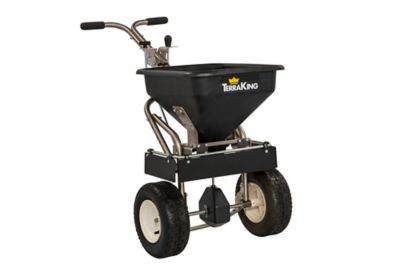
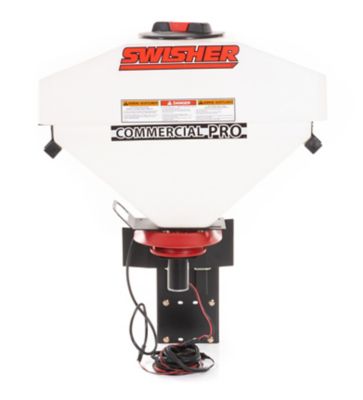
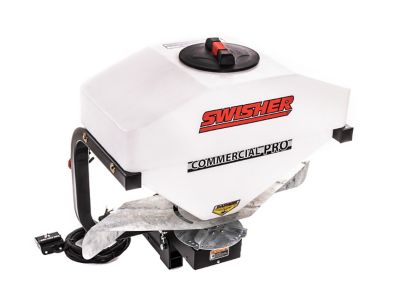
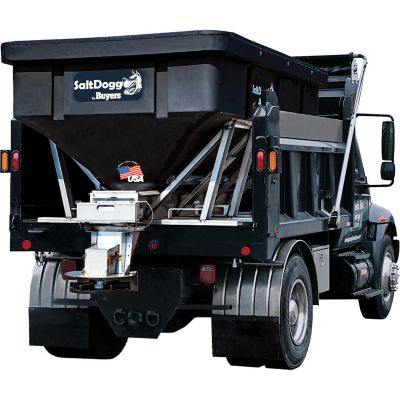
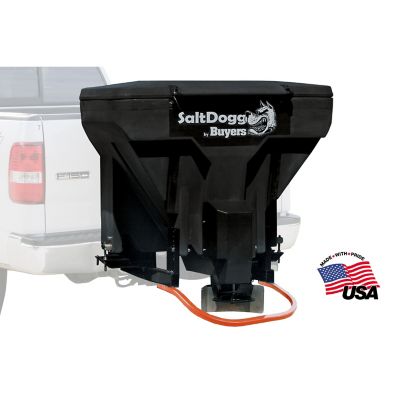
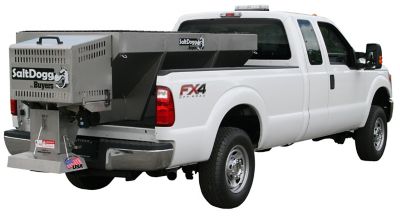
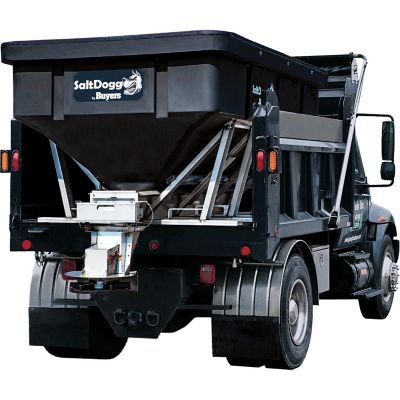
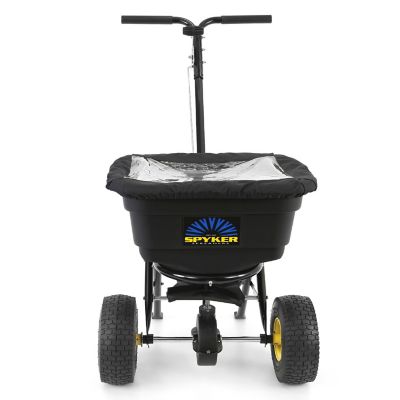
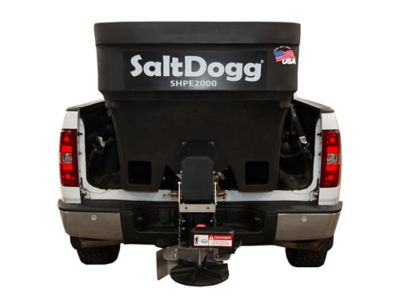
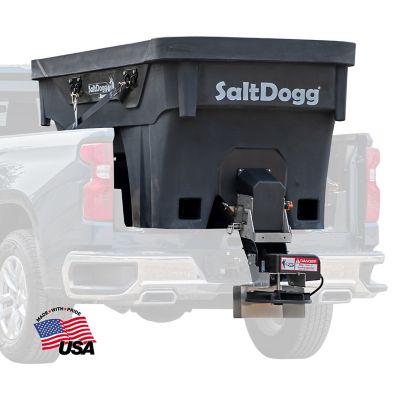
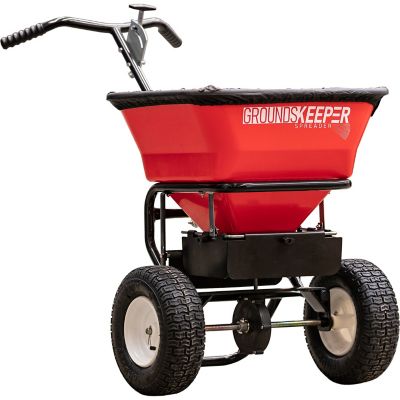
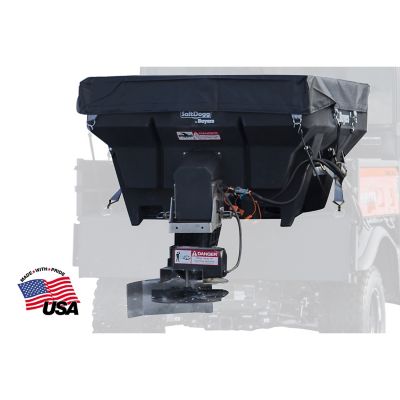
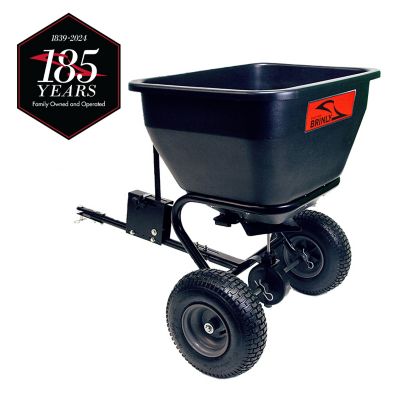
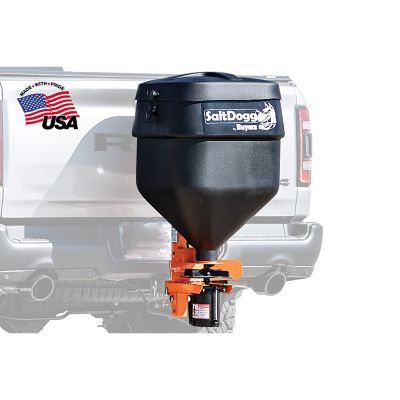
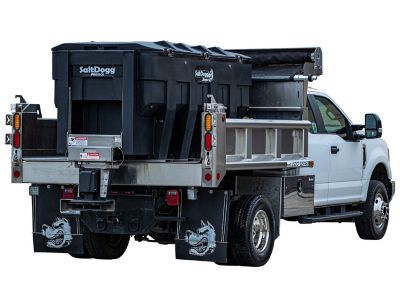
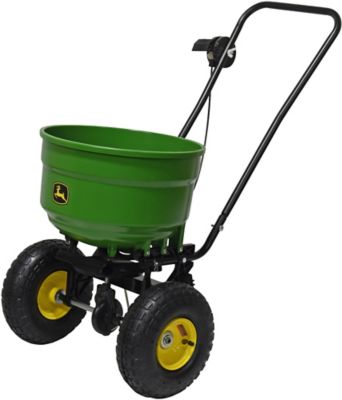
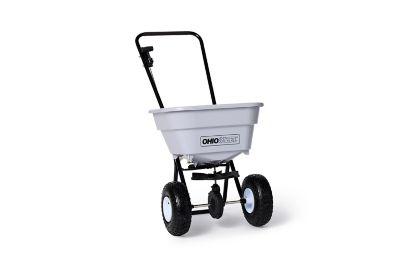
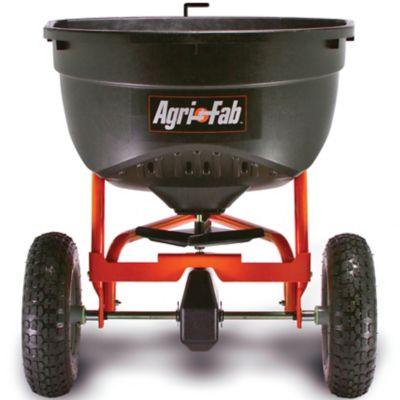
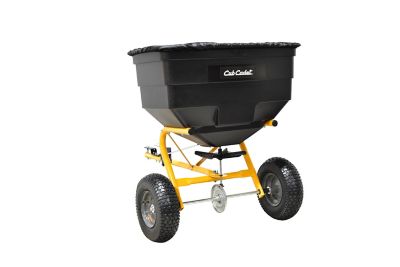
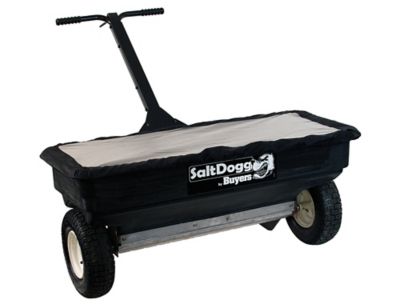
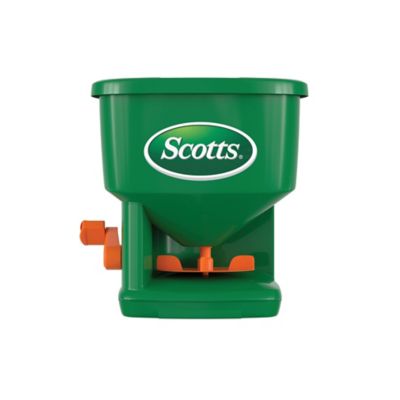
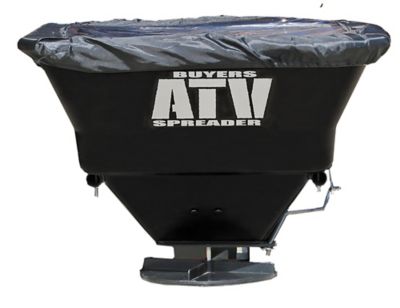
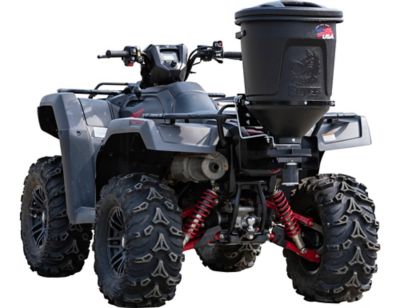
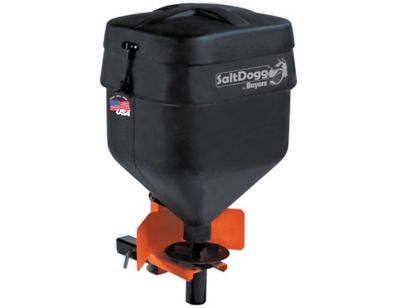
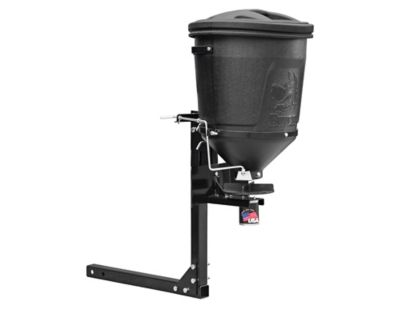
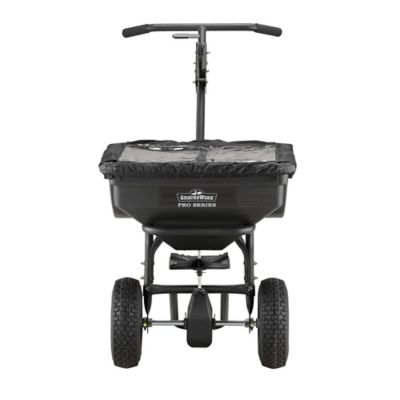
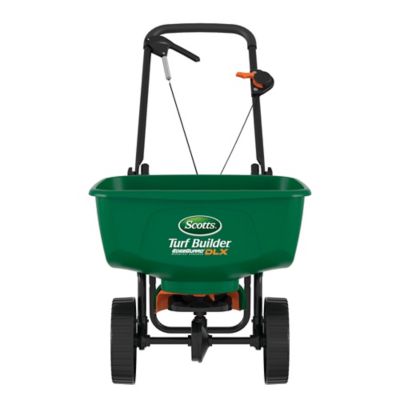
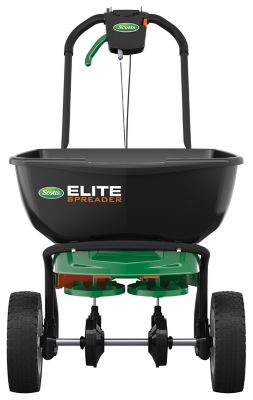
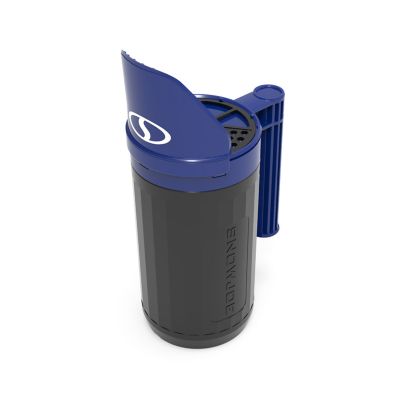
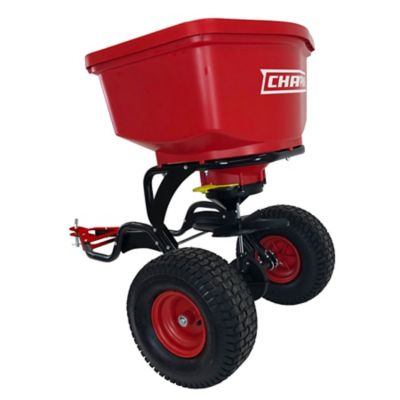
Commercial spreaders are heavy-duty machines that distribute seed, granular fertilizer, and compatible ice melt or rock salt over lawns, grounds, walkways, and other large areas. They help landscape crews, groundskeepers, property managers, and acreage owners cover more ground with less hand spreading, while giving the operator control over how much material reaches the surface. The right setup depends on the material being spread, the size and shape of the property, and the equipment doing the work. Walk-behind spreaders suit places with frequent turns, narrow entrances, and separate patches of turf, such as the lawn around a shop or the grounds between buildings. Tow-behind spreaders connect to compatible lawn tractors, ATVs, UTVs, or other approved towing equipment, making them practical for longer passes across open ground. Vehicle-mounted spreaders can serve larger routes, including parking areas and access lanes, when the mounting system, vehicle capacity, and spreading material match the job. Broadcast spreaders throw material outward from a spinning disc, covering a wider swath with each pass. Drop spreaders release material beneath the hopper, giving operators a more contained application pattern near defined edges. A wider spreading pattern can shorten a route, but it also takes room to turn and attention around pavement, planting beds, and property lines. Hopper capacity matters, too: a larger hopper can mean fewer refill stops, though a full load adds weight that affects pushing effort, handling, and towing demands. Rated capacity may refer to weight or volume, so the material’s density belongs in that comparison. A load of grass seed does not weigh the same as an equal volume of salt. For a crew moving between gates, trailers, and several work sites, overall width, empty weight, hitch compatibility, and loading height can matter just as much as capacity. Even a roomy hopper needs to fit the route and the person handling it.
Material compatibility is one of the biggest differences among commercial spreaders. Dry grass seed, granular lawn fertilizer, pelletized materials, and deicing agents do not all flow or scatter the same way. Granule size, shape, density, and moisture content affect movement through the hopper opening and the distance material travels from the spinner. Equipment rated for one application should not automatically be treated as suitable for another; the spreader manual and material label should agree before loading.
Fertilizer Spreaders are a natural fit for lawn and grounds work where the main task is distributing granular plant nutrients at the labeled rate. Commercial applications often call for close attention to feed controls, gate operation, and spreading width because a small setting difference can add up across a large property. Adjustable openings control material flow, while travel speed and pass spacing also influence the amount delivered per area. Some equipment includes edge-control shields to help limit scatter beside sidewalks, beds, or water features. Agitators help keep compatible material moving toward the outlet, and powered feed systems may incorporate augers or conveyors, depending on the equipment design. These features serve different purposes, so a spreader intended for fertilizer is not necessarily suited to coarse rock salt or damp, clumped material. Calibration connects the machine’s settings to the actual application rate. Checking output over a measured area, following the equipment instructions, gives the operator a better starting point than assuming a numbered dial setting transfers between materials or machines. On a lawn beside a gravel drive, that attention helps keep fertilizer on the turf instead of scattered across the entrance. On a walkway, controlled delivery helps place an approved deicer where foot traffic needs it without piling material along the edges. A consistent walking or driving pace and properly spaced passes help prevent heavy strips, missed sections, and unnecessary repeat trips.
Construction and day-to-day upkeep play a big part in how commercial spreading equipment handles repeated work. Hoppers may be made from molded polyethylene or metal, with frames, fasteners, and drive components selected for the demands of the design. Polyethylene resists rust, while metal components need attention to coatings, exposed edges, and signs of corrosion. Stainless steel components can offer added corrosion resistance, but salt residue still calls for prompt cleaning according to the manufacturer’s directions. Frame bracing, axle construction, wheel size, and tire type all affect handling under load. Pneumatic tires can help a walk-behind spreader roll across uneven turf, while handle height and grip placement affect comfort over a long route. Controls that fall within easy reach make it simpler to shut off flow before turning or crossing a surface that should stay clear. For tow-behind equipment, confirm the hitch connection, loaded weight limits, and operating speed specified for both the spreader and towing vehicle. Vehicle-mounted equipment also requires the correct mounting hardware, electrical connections where applicable, and clearance around lights and other vehicle components. After the job, empty leftover material into an appropriate labeled container, keeping incompatible materials separate. Clean the hopper, outlet, and spreading mechanism as directed, then allow parts to dry before storage. Fertilizer and salt residue left around gates, bearings, and fasteners can contribute to corrosion or interfere with moving parts. Regular checks of cables, pins, tires, guards, and drive components help catch wear before the next route. Keep hands away from moving mechanisms, disconnect power before servicing powered equipment, and follow the material label for protective gear. For a landscape business covering several properties or a grounds crew caring for one large site, the best fit comes down to practical details: manageable loaded weight, controls that suit the operator, a spreading pattern that fits the space, and components that can be cleaned and serviced without turning a routine task into an all-day chore.