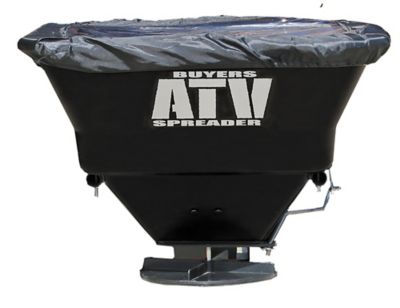
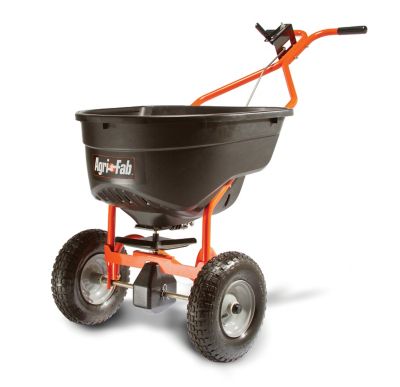
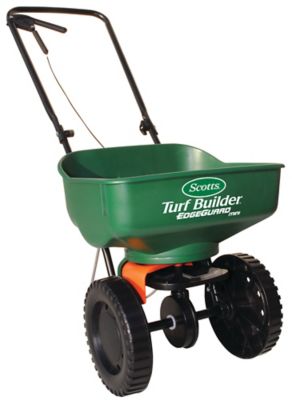
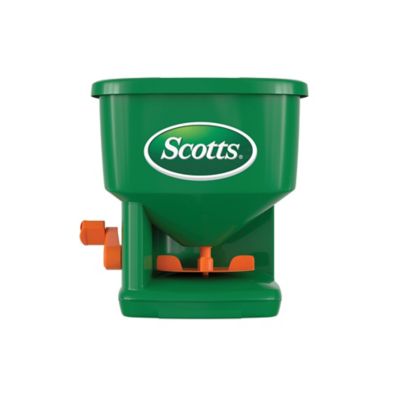
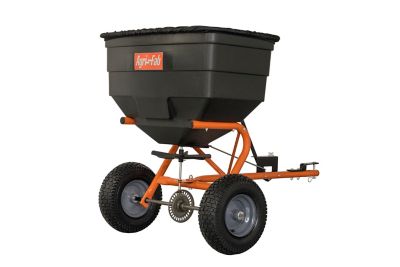
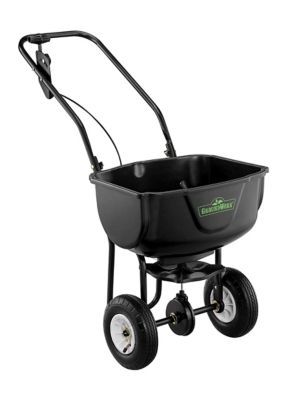
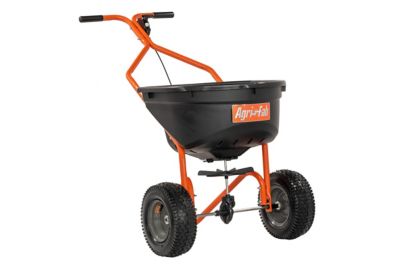
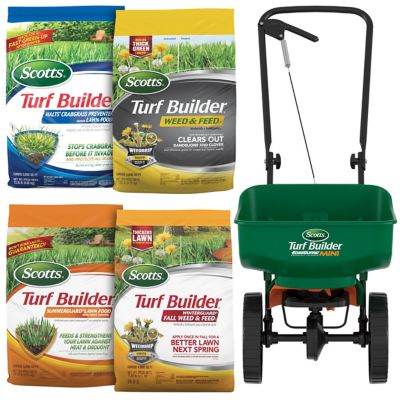
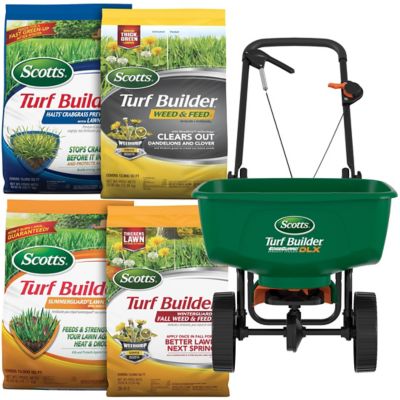
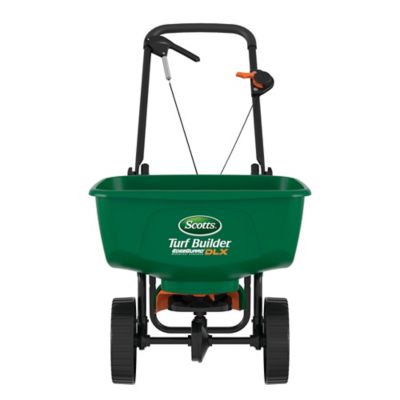
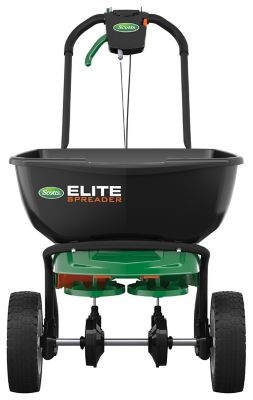
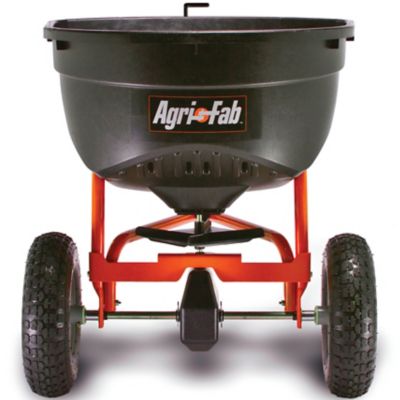
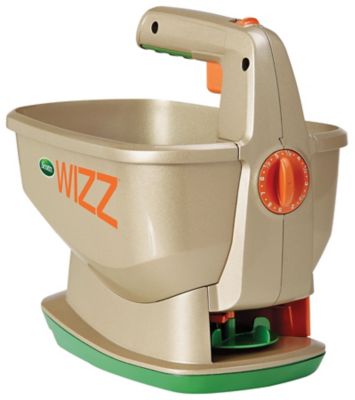
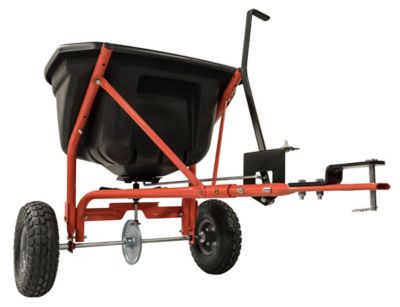
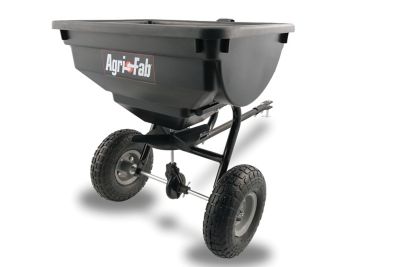
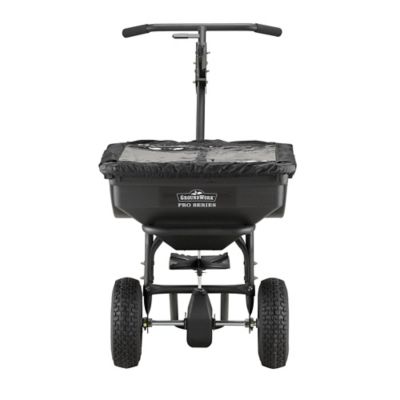
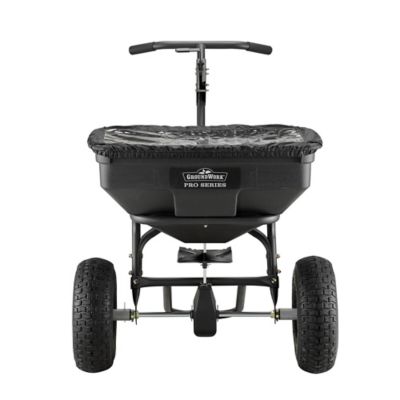
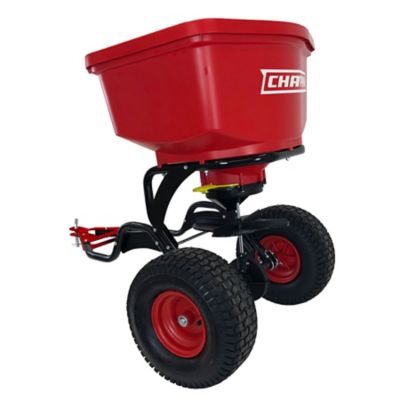
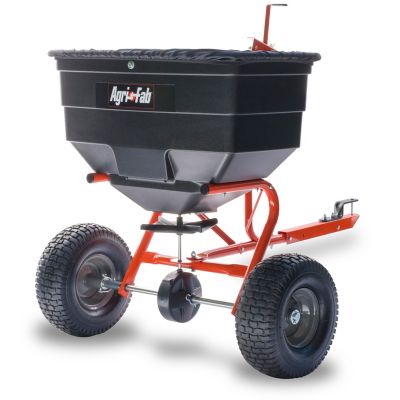
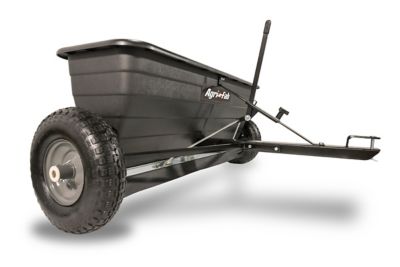
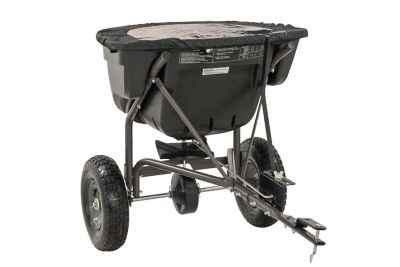
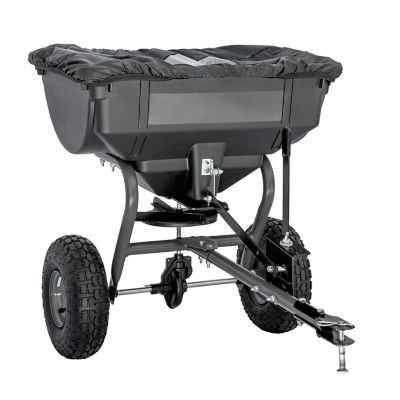
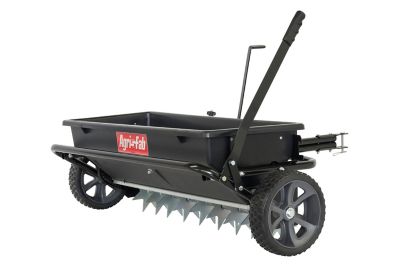
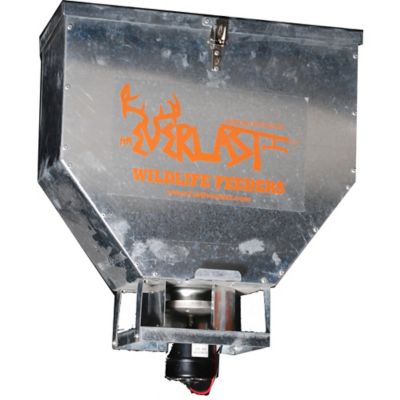
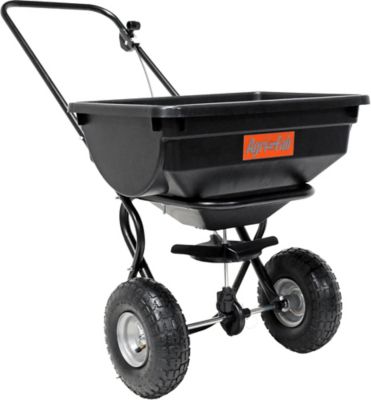
Granular spreaders make it easier to put dry materials where they belong, whether you are feeding a patch of lawn, sowing grass seed, treating a gravel drive, or putting down ice melt on a slick walkway. Instead of scattering handfuls and ending up with heavy spots beside bare areas, a spreader meters material as you move, helping create a more even application across the ground. Homeowners use them for lawns, gardens, driveways and paths, while small farmers, property managers, landscapers and grounds crews may rely on them for larger areas and repeated jobs. They can also be a practical gift for someone who takes pride in a tidy yard, maintains a hunting plot, cares for a large rural property or spends weekends improving the ground around a shop or barn. The right spreader depends on the size and shape of the area, the material being applied and the level of control you need. Handheld gravity spreaders are light, portable and handy for steps, narrow paths, small beds and spot treatments. Push broadcast, or rotary, spreaders throw granules in a wide pattern and help cover open lawns and fields with fewer passes. Drop spreaders release material straight down between the wheels, making them a good fit for smaller lawns, straight rows and areas close to flower beds, ponds, sidewalks or other places that need protection from stray granules. For larger properties or frequent work, explore
Commercial Spreaders designed for demanding applications and bigger coverage areas.
Before choosing a granular spreader, consider hopper capacity, spread width, adjustment controls, wheel size, handle comfort and how easy the unit is to clean. A smaller hopper keeps a handheld spreader easy to carry, while a larger hopper can save refill trips when covering a broad yard or long driveway. Wide, steady wheels roll more smoothly over rough ground, packed gravel and uneven turf, while a compact frame may be easier to steer around trees, fence posts and garden corners. Look for a flow control that is simple to read and adjust, especially if you plan to switch between grass seed, fertilizer and winter ice melt. Granules vary widely in size, shape, weight and moisture content, so one setting will not work for every material. Always check the instructions on the product bag first, then calibrate the spreader according to those directions. It is worth making a small test pass over a tarp, driveway edge or other easy-to-measure area before covering the whole yard. Measure the test area when possible, compare the amount used with the label recommendation and adjust the opening as needed. This extra step can prevent wasted material, streaky growth and accidental overapplication. When spreading, keep a steady walking pace and turn a hand crank at an even rhythm. Start moving before opening the flow control and close it before stopping so granules do not pile up in one spot. For broadcast models, make passes with consistent spacing and follow the recommended overlap. For drop models, line up each pass carefully. Dry, free-flowing material usually moves more predictably than damp granules, so store bags in a cool, dry place and break up clumps before loading the hopper.
Granular spreaders are useful through the changing seasons because the material may change even when the tool stays the same. During the cooler months, a handheld spreader can help apply ice melt along porch steps, walkways and the area around a mailbox, while a push model can cover longer drives and parking areas. Use only the amount needed for the surface and follow the ice melt label, since excess material can damage plants, concrete, metal and nearby waterways. As the weather warms, spreaders may be used for lawn fertilizer, seed, soil amendments and other dry treatments. In early fall, many property owners repair thin turf with seed or apply the nutrients recommended for their grass, while rural landowners may use a spreader for pasture edges, food plots or open ground. Wear the protective equipment called for on the label when handling fertilizer, pesticides or other treatment products, and keep children and pets away from freshly treated areas as directed. Do not use a spreader for a material unless the manufacturer and product label indicate that it is suitable; wet products, powders and oversized pieces may clog the mechanism or spread unevenly. After each job, empty the hopper, brush away leftover granules and rinse the unit when the care instructions allow it. Pay close attention to the shutoff area, wheels and moving parts, then let everything dry before storage. Salt and ice melt can be especially hard on metal components, so cleaning after winter use helps protect the spreader for the next round of work. With the right style, a careful calibration and a little steady pacing, a granular spreader can become one of those dependable tools that earns its place beside the mower, shovel and fence pliers.