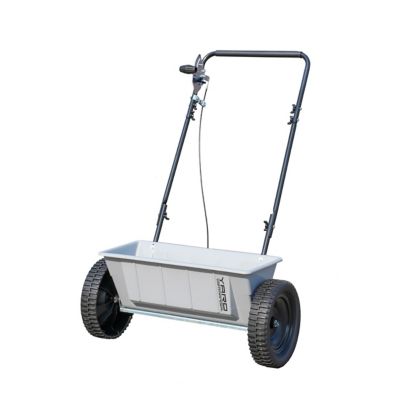
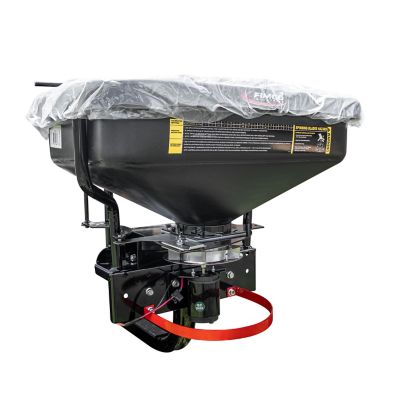
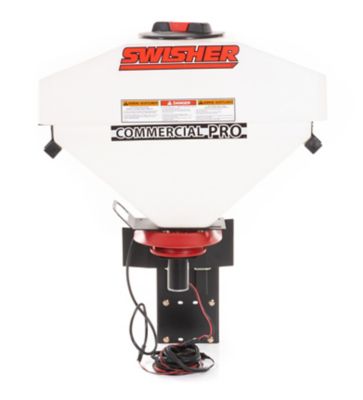
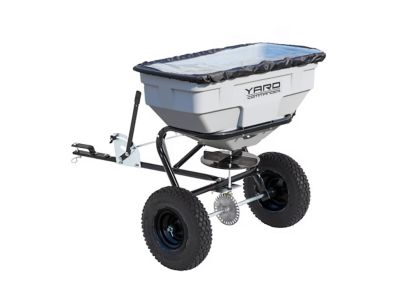
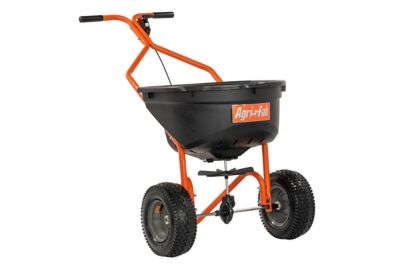
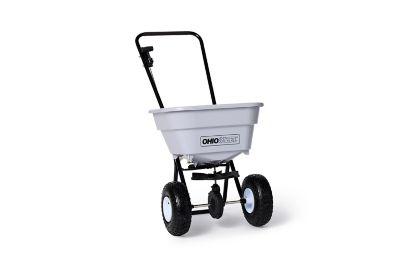
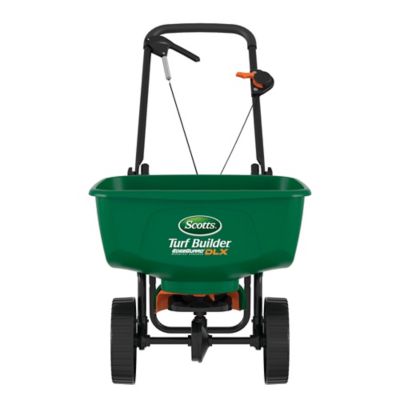
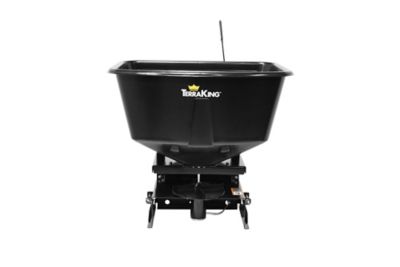
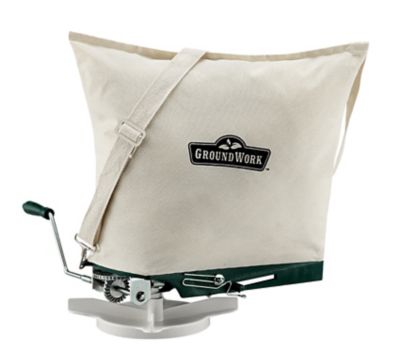
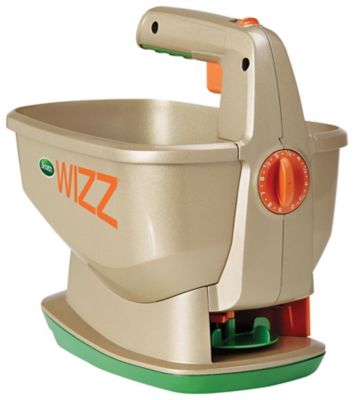
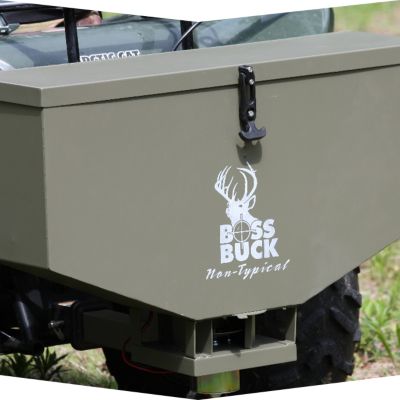
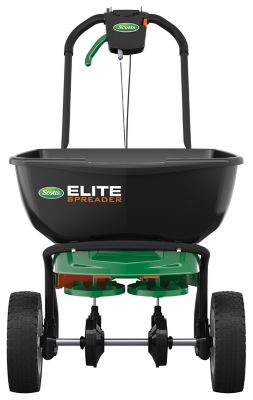
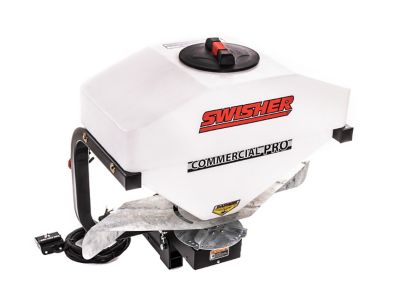
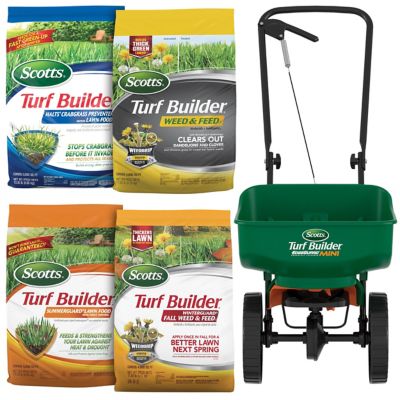
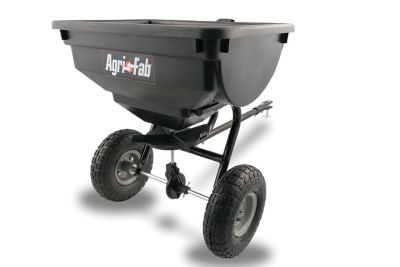
Precision spreaders bring more control to everyday jobs like feeding a lawn, filling thin spots with grass seed, or applying compatible granular lawn treatments. On a rural property, that might mean working around a farmhouse, covering an open stretch beside a shop, or tending turf along a fence without scattering material where it doesn’t belong. The goal is even coverage at the rate called for on the material’s label, rather than a heavy stripe in one spot and a light pass in another. Hopper size, discharge controls, spreading pattern, and travel speed all play a part in that result. Broadcast designs send material outward across a wider path, making them a practical fit for open ground with fewer obstacles. Drop designs release material beneath the hopper, offering a more defined application path near lawn edges, planting beds, and walkways. Neither approach suits every property, and the best match depends on the space as much as the job. A broad lawn gives a wide spreading pattern room to work, while narrow strips between a driveway and a fence call for closer control. Adjustable openings help regulate the flow of compatible material, but a setting for one fertilizer or seed blend may not suit another. Granule size, shape, and weight affect how material moves through the hopper and across the ground. Clear setting marks and a shutoff control that’s easy to reach can make routine applications less of a chore. For homeowners, grounds crews, and folks responsible for several lawn areas, those details matter just as much as capacity. Precision spreading also depends on matching the equipment to the material: a hopper built for granular fertilizer may not handle fine powders, damp material, or every type of seed. Product labels and equipment instructions help establish that fit before a full hopper heads across the yard. A steady walking pace and repeatable output help keep coverage consistent from the first pass to the last, especially where several sections of lawn meet.
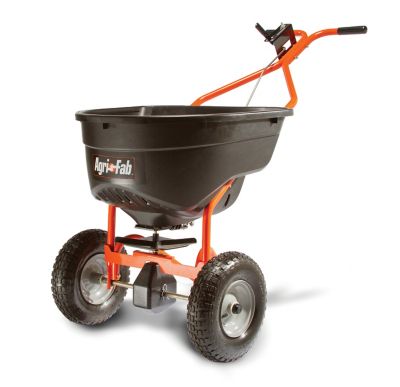
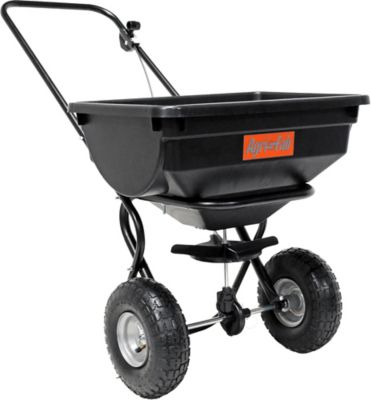
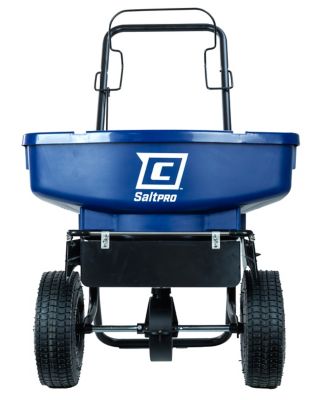
Construction and handling make a real difference when a spreader has to travel over uneven turf, turn around trees, and roll back to the shed after the job. Molded plastic hoppers resist rust and keep the container itself relatively light, while metal hoppers have their own finish and cleaning requirements. Steel frames provide support for the load, and protective coatings help limit direct exposure to fertilizer residue. Axles, brackets, fasteners, and the drive mechanism all deserve attention because the hopper is only one part of the machine. Wheel diameter and tread affect how easily a spreader rolls over small ruts and rough patches; tire type can also change the feel at the handle. Pneumatic tires can cushion travel, while solid tires avoid air-pressure checks. A handle that sits at a comfortable height helps the operator maintain a steady pace without hunching over, and accessible controls make it easier to stop the flow before crossing pavement or making a tight turn. For lawns and spaces best covered on foot,
Push Spreaders offer direct control around gates, beds, and other obstacles. Tow-behind designs suit larger, more open areas when the towing equipment, hitch connection, and operating limits line up with the spreader’s requirements. Hopper capacity deserves a practical look, too. A larger container can reduce refill stops, but a full load adds weight that affects pushing, towing, turning, and storage. Someone tending a modest yard may value easy handling more than extra carrying room, while a property caretaker covering several open sections may appreciate fewer trips back to the material bags. Gate width, shed space, and the route from storage to the lawn are part of that fit. A spreader that rolls easily through the places it needs to go is more convenient than one that has to be lifted over every threshold or squeezed sideways through a narrow opening. Folding handles or compact storage features, where offered, can help keep the equipment from crowding out other tools.
Care requirements are worth considering alongside the spreading pattern and frame. Fertilizer residue can cling to hopper corners, collect around the outlet, and settle on nearby metal parts, so access for cleanup matters. Smooth interior surfaces and reachable discharge components make it easier to remove leftover material without digging into hidden pockets. Cleaning methods vary by construction and drive system; some parts tolerate rinsing, while others need different treatment according to the equipment instructions. Thorough drying before storage helps limit corrosion and keeps remaining particles from forming clumps that interfere with the next application. Leftover seed or fertilizer belongs in its proper container rather than sitting in the hopper between jobs, where it can draw moisture, cake together, or put unnecessary weight on the assembly. Periodic attention to fasteners, tire pressure where applicable, and moving parts helps keep the spreader rolling and feeding as intended. Lubrication should match the manufacturer’s recommendations, since the wrong product or placement can attract grit or affect operation. Access to replacement wear parts can matter for equipment expected to handle regular property work. Beyond upkeep, thoughtful application helps keep material on the intended area. Edge-control features, where included, can limit the spread toward planting beds or pavement, though they don’t replace proper spacing and steady travel. Material scattered onto a driveway or sidewalk needs collection rather than being washed toward a drain. Children and animals should stay clear of application work, with access afterward following the lawn product’s label. For a homeowner taking more responsibility for the yard or a caretaker maintaining shared grounds, a well-matched spreader becomes a straightforward piece of the routine. The right combination of manageable weight, suitable capacity, clear controls, and accessible maintenance supports consistent work without turning a simple lawn task into an all-day project.