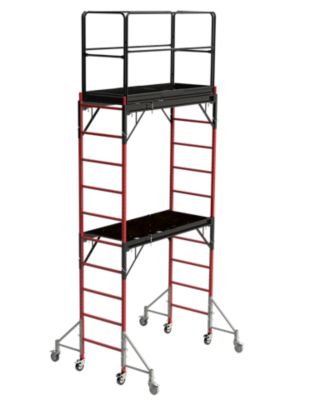
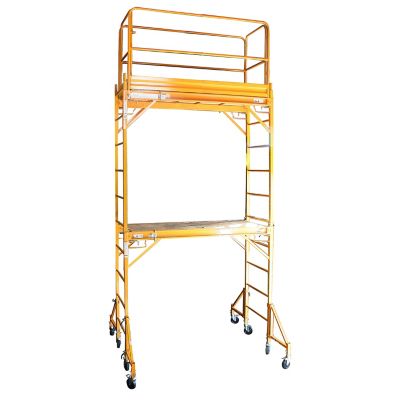
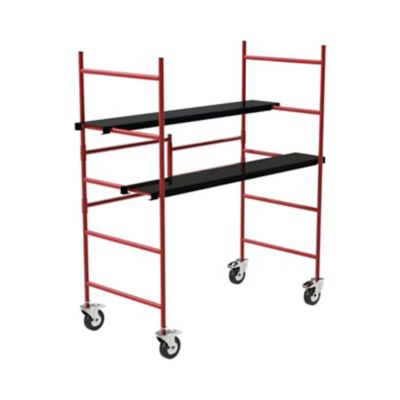
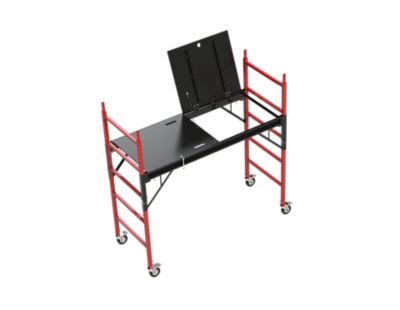
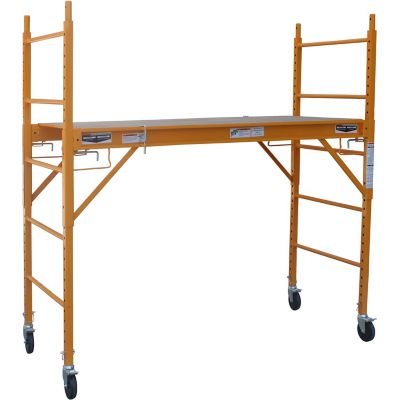
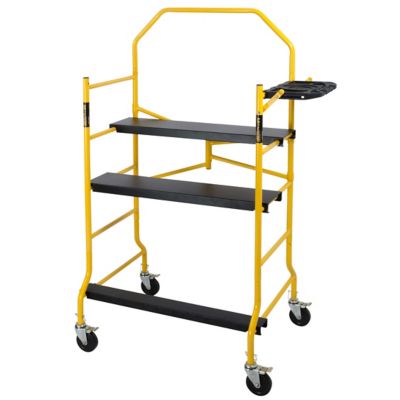
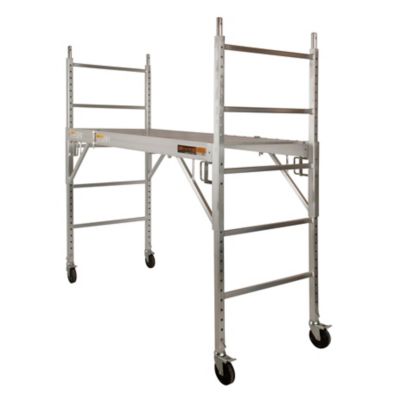
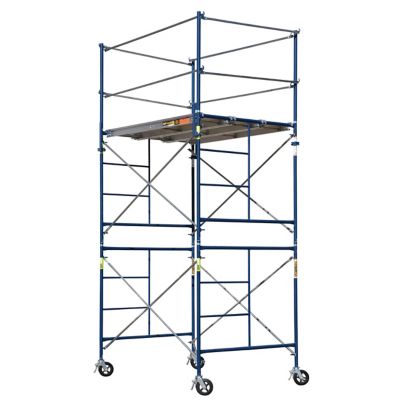
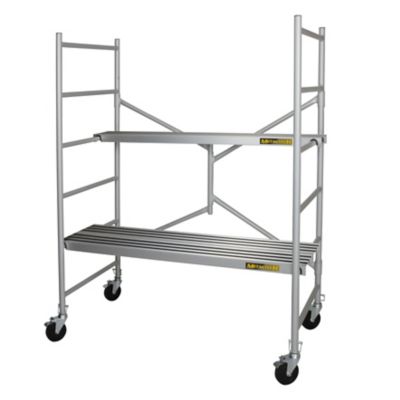
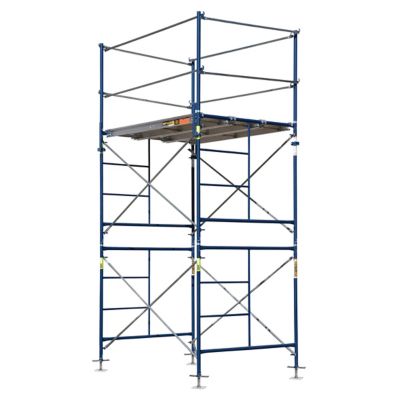
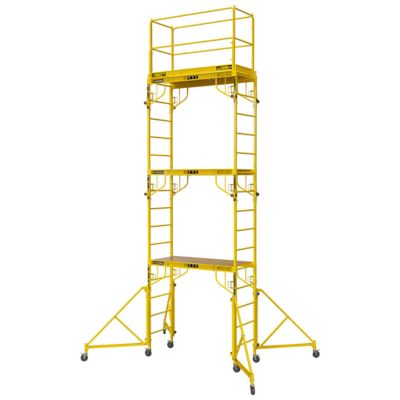
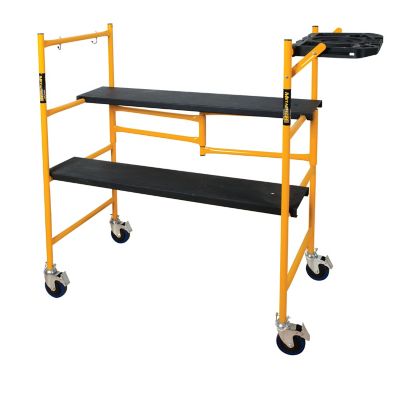
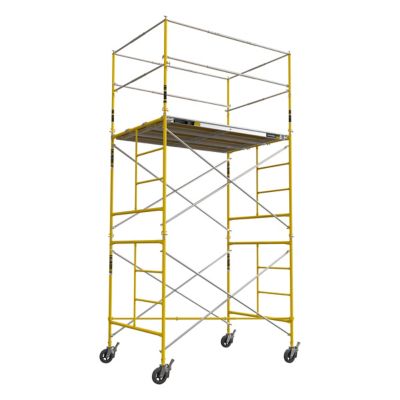
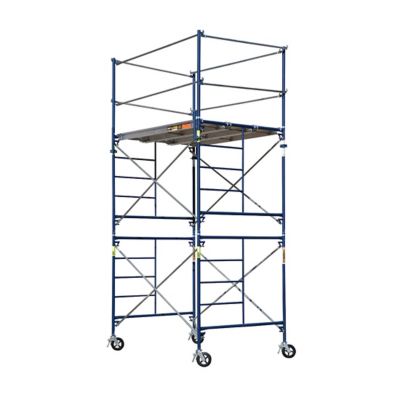
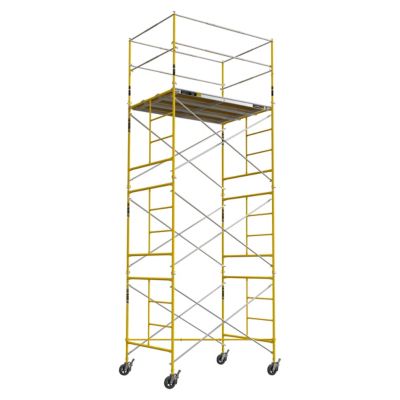
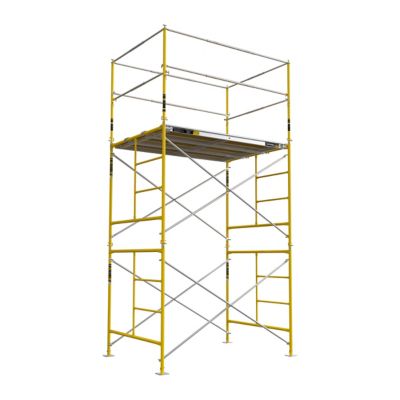
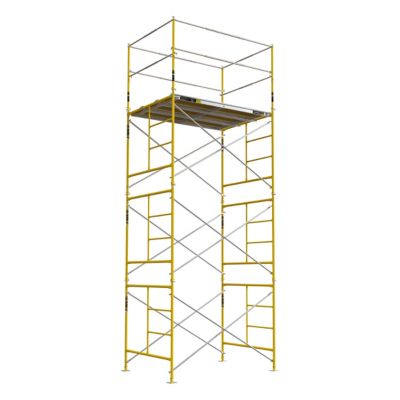
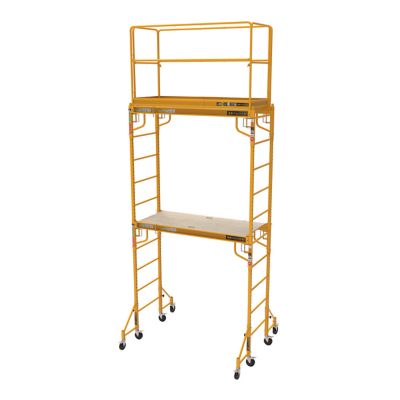
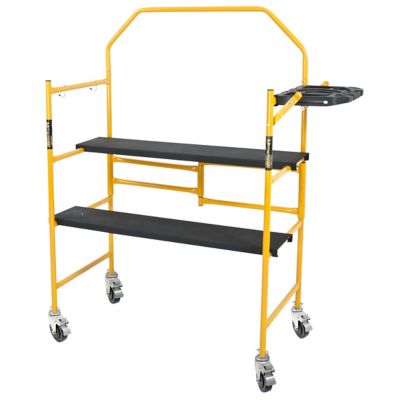
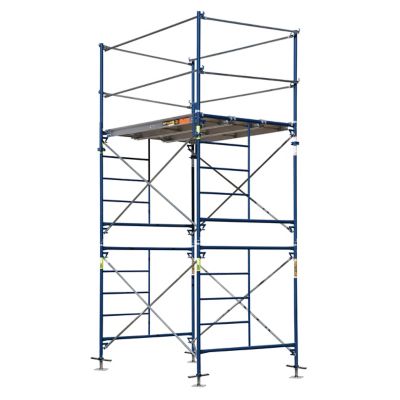
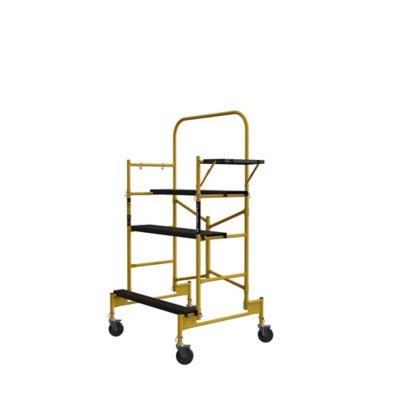
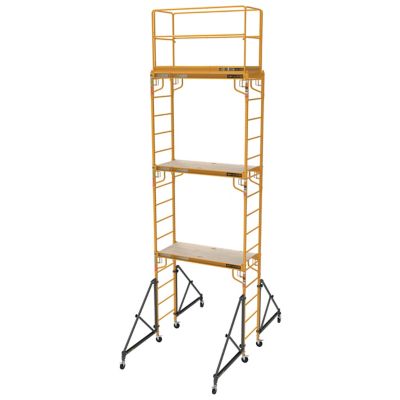
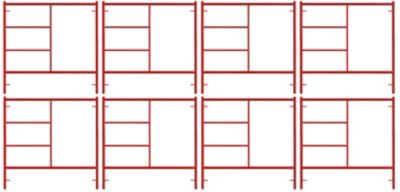
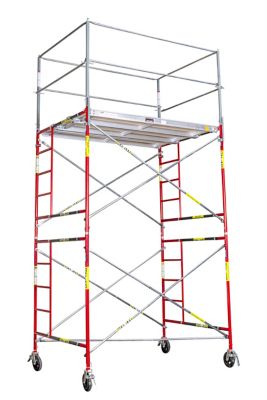
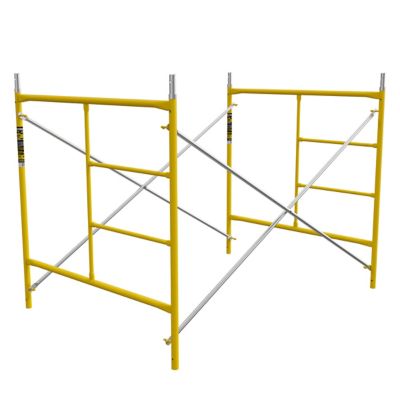
Scaffolding for painting high ceilings gives you a steadier place to work than a tall ladder, especially when a room has a vaulted ceiling, open stairwell, or wide stretch of wall that needs more than a quick touch-up. A properly selected scaffold tower can provide a broad working platform where you can stand, move a roller, and keep a few supplies close by without climbing up and down every few minutes. That extra room makes a real difference when you are working over a living room, barn-style great room, shop, entryway, church, or other space with hard-to-reach overhead surfaces. Rolling scaffolding can be a handy choice for flat floors and larger rooms because it can be repositioned as the job moves along, while compact baker-style frames are useful when the work area is tighter or the unit needs to pass through a standard doorway. For taller ceilings, look for stackable or multi-level tower designs that offer the needed reach without forcing you to stretch from the top of a ladder. Stairwells and uneven floors call for a different setup, with adjustable leveling features that help the platform sit properly where the ground changes height. Before choosing a unit, measure from the floor to the highest area you plan to paint, then account for your own reach, the platform height, and the space needed to work comfortably. A platform that is technically tall enough may still leave you reaching overhead or leaning out, which can make a long painting job tiring and less controlled. Check the rated weight capacity as well, including your body weight, paint, tools, and any materials you carry onto the platform. A sturdy deck, secure frame connections, locking casters, and compatible guardrails can all contribute to a more confident setup. For work above stairs or on sloped surfaces, select equipment designed for that kind of placement rather than trying to make a standard tower fit an awkward spot.
Safety deserves just as much attention as reach. Set scaffolding on a firm, level surface that is clear of gravel, mud, loose boards, cords, toys, feed pans, and other clutter. If the unit has wheels, lock every caster before climbing onto the platform, and unlock them only when no one is on the scaffold and the tower is ready to move. Use the stabilizers, leveling jacks, outriggers, guardrails, and toe boards called for by the equipment instructions, and assemble each section according to the manufacturer’s directions. Never use a scaffold tower as a makeshift ladder by standing on guardrails, top rails, buckets, boxes, or other items placed on the deck. Keep paint cans and hand tools arranged so they cannot roll underfoot; a small pail holder, tool tray, or organized work bucket can help keep the platform open. Lightweight extension poles can reduce the need to lean, while a sturdy brush or roller suited to the paint and surface helps you work with fewer awkward movements. If surface preparation is part of the job, keep sanding supplies and
Paint Scrapers ready before the scaffold goes up, then remove loose debris from the deck so the work area stays clean. Protect floors and furniture before moving the tower, and watch for ceiling fans, light fixtures, sprinkler heads, rafters, and overhead wiring. Keep children, pets, and livestock out of the work zone, particularly when a door or gate leads into a busy part of the home, shop, or farm. Follow all applicable safety requirements and the instructions supplied with the equipment. For especially tall, complex, or commercial work, a trained contractor may be the better choice. Scaffolding is built to create a stable work platform, but it still needs a careful setup and a clear understanding of its limits.
The right scaffolding for painting high ceilings depends on more than maximum height. Think about how often you paint, where the equipment will be stored, how easily it must move through doorways, and whether future jobs may involve siding, lighting, drywall, trimming, or repairs. A folding or compact design may suit a homeowner with limited storage, while a modular tower can make sense for someone maintaining several buildings, renovating an older home, or handling regular projects around a farm or workshop. Look for clear assembly instructions, replacement parts, compatible accessories, and a platform width that leaves enough room to turn and work without crowding. Non-slip deck surfaces, sturdy cross braces, smooth-rolling casters, and simple locking mechanisms are useful details when a project stretches across several days. Scaffolding can also make a thoughtful gift for a handy homeowner, painter, property manager, restoration enthusiast, or family member who spends cooler months tackling indoor improvements, although the recipient should have a suitable space and the experience to use it safely. For a shared household or farm shop, choose equipment that can serve more than one purpose while staying within the intended height and load ratings. On a quiet weekend, a well-planned setup can turn a high ceiling from a frustrating reach into a manageable project: tools stay close, the roller travels evenly, and you can see the changing sheen of fresh paint across the overhead surface instead of balancing on the last step of a ladder. Store the scaffold clean and dry after use, inspect it for bent parts or loose hardware before the next job, and keep paint, moisture, and corrosive materials from sitting on the frame or deck. With the right size, stable footing, useful accessories, and sensible work habits, scaffolding can help homeowners and professionals paint high ceilings more efficiently while keeping the job area organized through the cooler months.