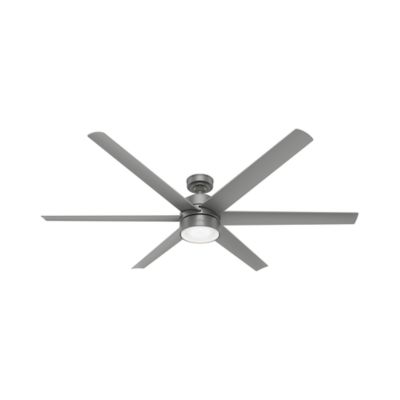
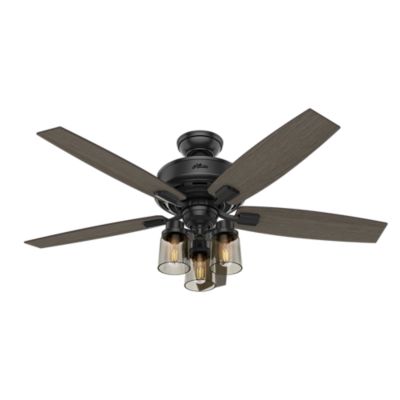
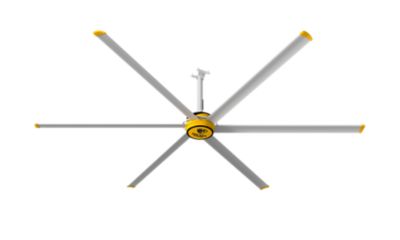
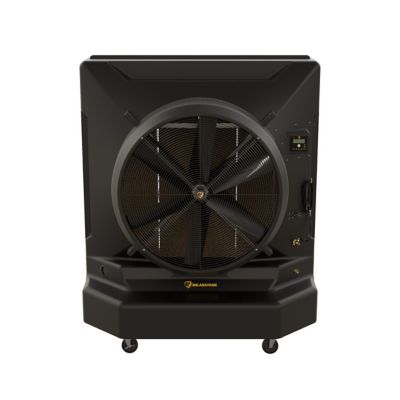
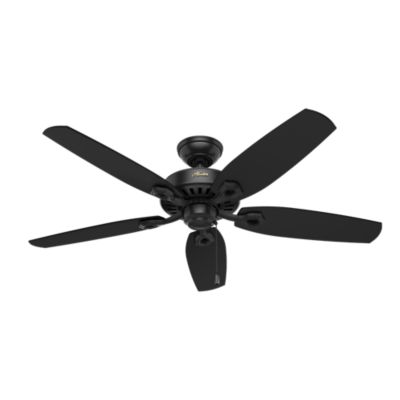
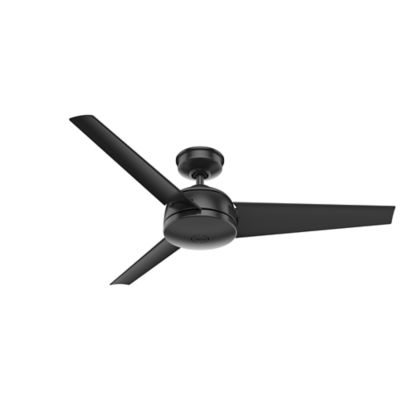
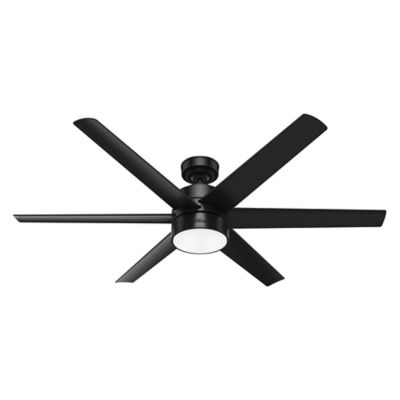
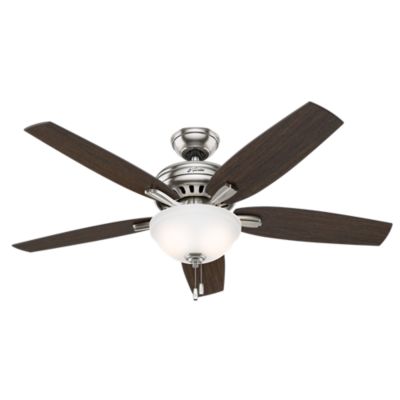
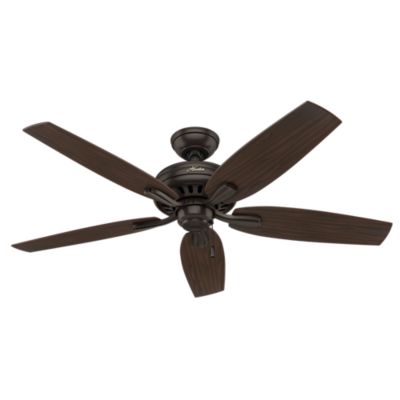
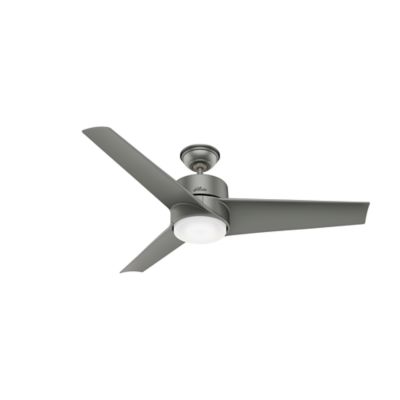
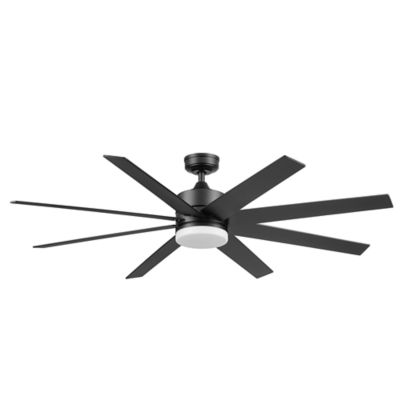
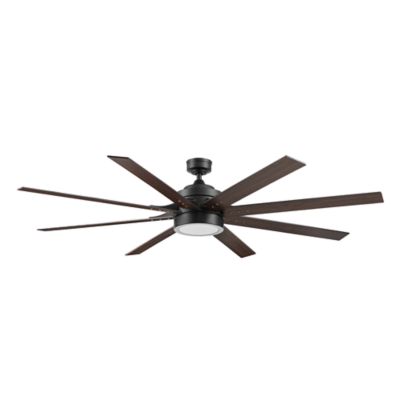
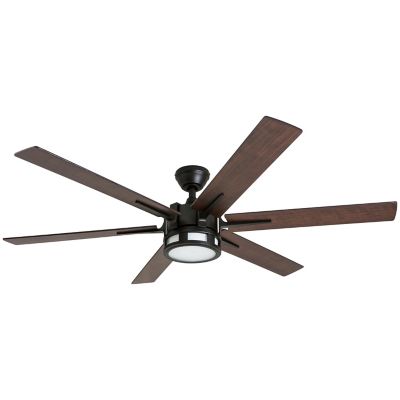
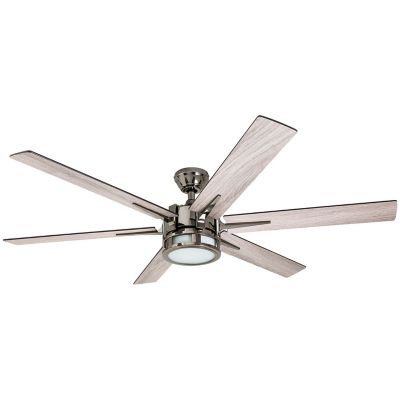
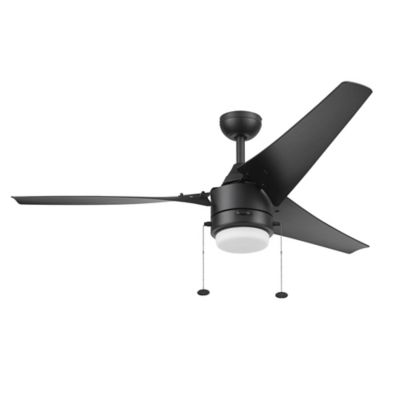
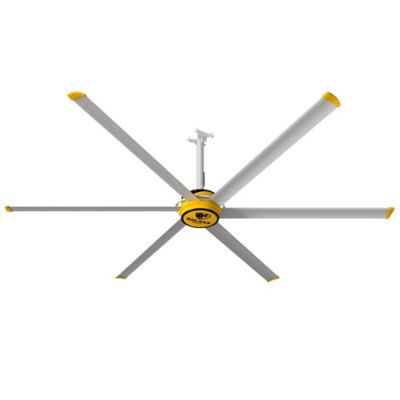
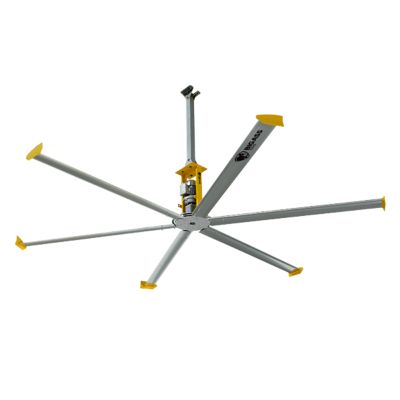
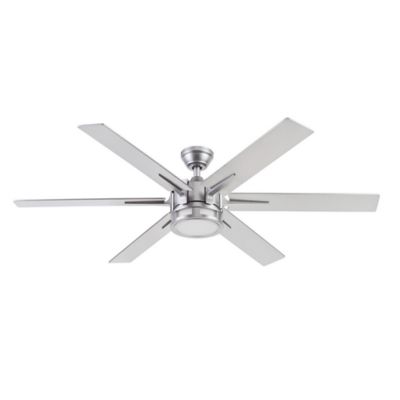
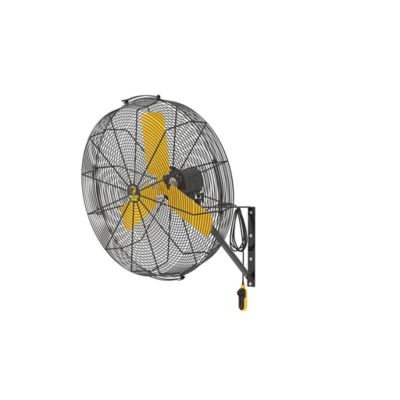
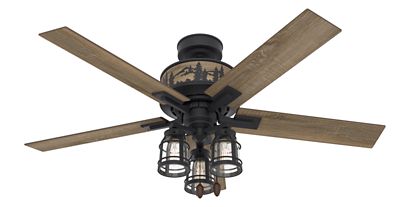
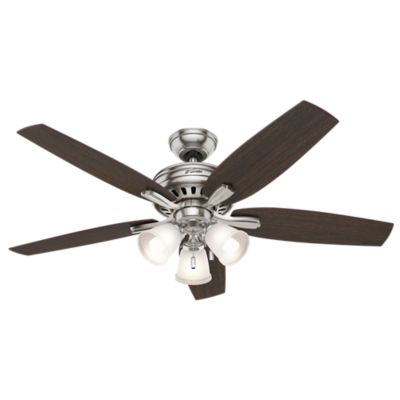
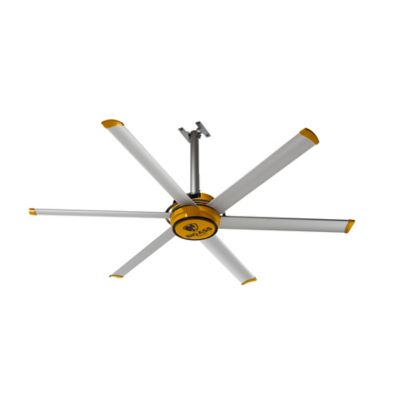
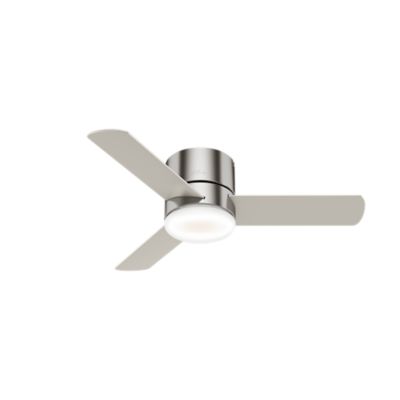
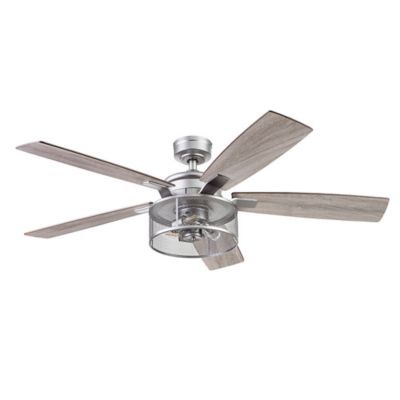
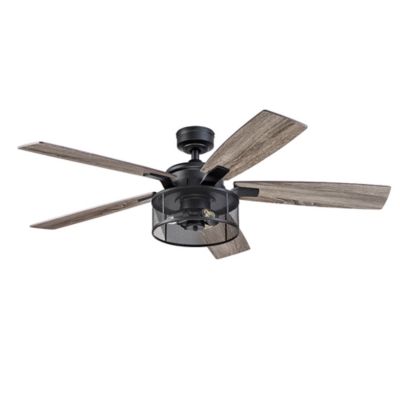
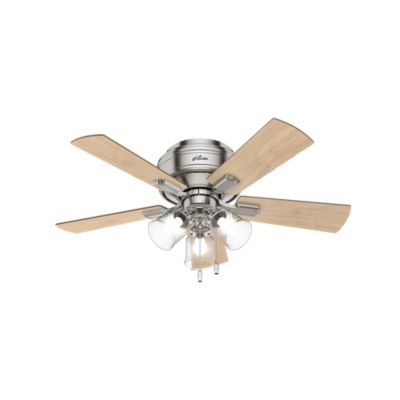
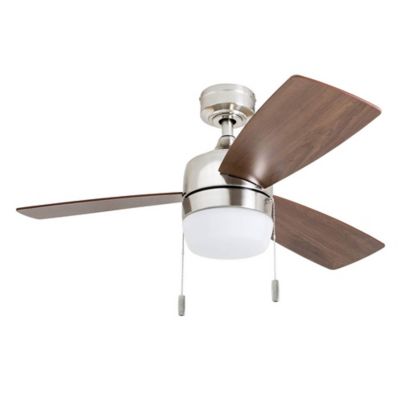
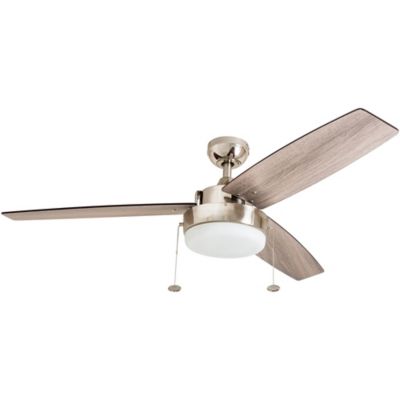
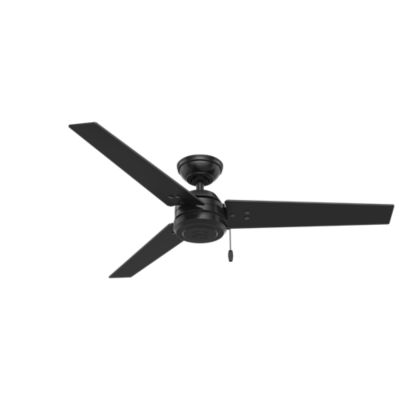
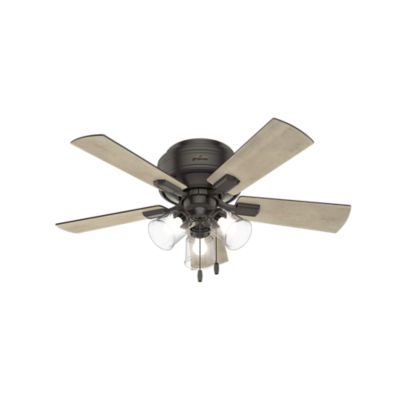
Large ceiling fans for high ceilings bring steady air movement to rooms where a standard-size fan can feel lost overhead. A tall farmhouse living room, an open gathering space above the kitchen, or a roomy workshop needs a fan that fits both the floor area and the height of the ceiling. For rooms larger than about 400 square feet, a blade span of 60 to 72 inches is a common starting point, while spans of 80 to 100 inches may suit broader, more open spaces. Those measurements describe the full sweep from one blade tip to the opposite tip, not the length of a single blade. Square footage alone does not tell the whole story, though. A long, narrow room, a loft overlooking the main floor, and a square room with a vaulted ceiling each have different airflow needs. Ceiling beams, tall cabinets, and hanging light fixtures also affect where a large fan can fit. Airflow ratings, expressed in cubic feet per minute, or CFM, help show how much air a fan moves at a stated speed. Comparing CFM at similar speed settings gives a clearer picture than comparing blade count alone. More blades do not automatically mean more airflow, and a broad blade span does not guarantee strong performance without a motor and blade design suited to the job. In a room with a long dining table at one end and a seating area at the other, two properly spaced fans may distribute air more evenly than one oversized fan in the middle. The right arrangement reaches the places where folks actually sit, work, and spend time, rather than simply filling an empty patch of ceiling. A generous blade span can also look more balanced against exposed rafters or a tall stone fireplace, giving the room a practical finishing touch without crowding the space overhead.
Mounting height is a big part of how a ceiling fan performs in a tall room. Large ceiling fans for high ceilings often pair with an extension downrod that brings the blades farther below the ceiling and into a better position for circulation. For many residential installations, blades about 8 to 9 feet above the floor are a common target, but the fan manufacturer's instructions and local requirements take priority. Some extra-large or commercial-style fans require greater clearance, so that residential target does not apply to every design. Blade clearance should never fall below the manufacturer's minimum or applicable code requirements; 7 feet above the floor is a common minimum for residential fans. Downrod length depends on more than ceiling height because the mounting assembly, motor housing, and blade position all contribute to the finished hanging height. A 12-foot flat ceiling and a 16-foot vaulted ceiling will not call for the same setup, even when the rooms have matching floor plans. Downrods, extension wiring, and mounting hardware need to be compatible with the fan rather than chosen by appearance alone. Sloped ceilings may need an angle-compatible mount or a separate approved adapter, and the ceiling pitch must fall within the mounting system's limits. Clearance from walls, beams, loft railings, and nearby fixtures matters throughout the blade sweep. A common residential recommendation is at least 18 inches between blade tips and walls, though larger fans may require more space. The electrical box and supporting structure must be rated for a ceiling fan and suitable for its weight and operating forces; a box meant only for a light fixture is not enough. Professional installation is especially helpful where height, ceiling slope, or access makes the work more involved. With the correct mounting arrangement, the fan belongs comfortably in the room instead of hanging too close to the ceiling or interfering with the space below.
Materials, controls, and upkeep help separate a fan that merely fits from one that suits everyday life. Metal blades and housings lend a straightforward look to a shop or open-plan home, while wood blades and wood-look finishes can sit comfortably alongside plank ceilings, timber beams, and painted cabinetry. Solid wood, engineered wood, metal, and molded composite blades each have different care needs, so the material should match the installation setting. Indoor fans belong in dry indoor spaces. Covered porches and other sheltered outdoor areas need the appropriate damp-location rating, while locations exposed to direct water require a wet-location rating and installation that follows the manufacturer's directions. A porch rating alone does not establish suitability for agricultural buildings with heavy dust, corrosive conditions, or combustible airborne material. Those spaces need equipment specifically approved for the environment. For living areas, motor sound and speed range can matter as much as maximum airflow. Many DC-motor designs offer several speed settings and lower electricity consumption than comparable AC-motor designs, but performance varies, and published wattage and airflow figures make better comparisons than motor type alone. A low setting can keep air moving during conversation or television time, while higher settings provide more circulation when needed. Remote or compatible wall controls are especially handy when a pull chain would hang far beyond reach. Integrated lighting can serve a second purpose, although light output, dimming compatibility, and access for future service deserve attention beneath a high ceiling. For sleeping spaces,
Ceiling Fans For Large Bedrooms offer a related focus on broad coverage, gentle airflow, and controls within easy reach of the bed. Routine care usually includes switching off power before cleaning, removing dust with the recommended cloth or attachment, and checking accessible fasteners according to the instructions. Safe access matters more than stretching to reach a blade, particularly above stairs or heavy furniture. A properly mounted, well-balanced fan with suitable materials and manageable maintenance can become a hardworking part of the room, keeping air moving without getting in the way of daily life.