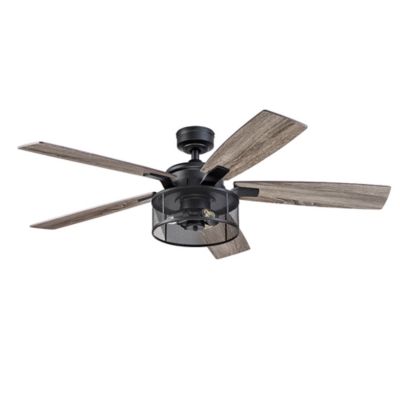
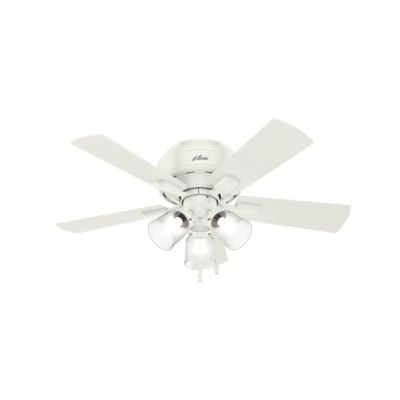
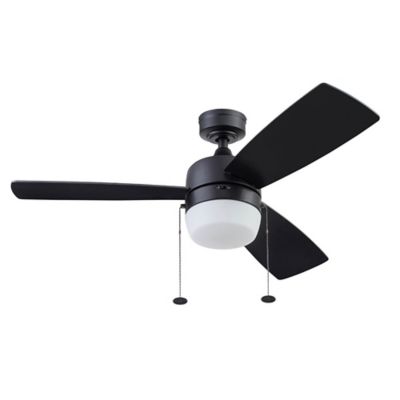
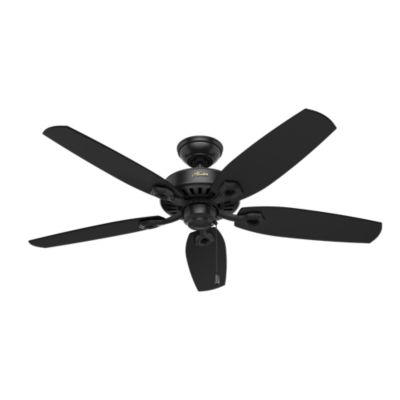
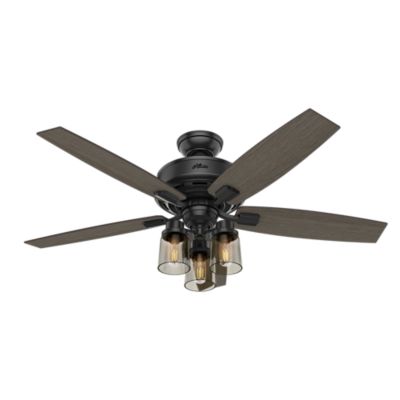
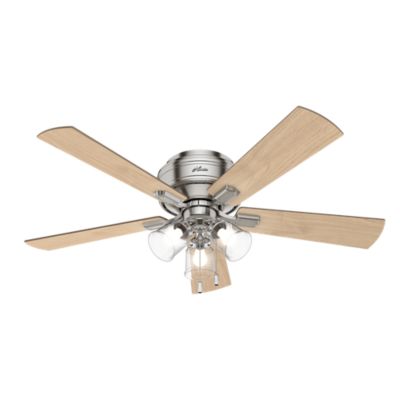
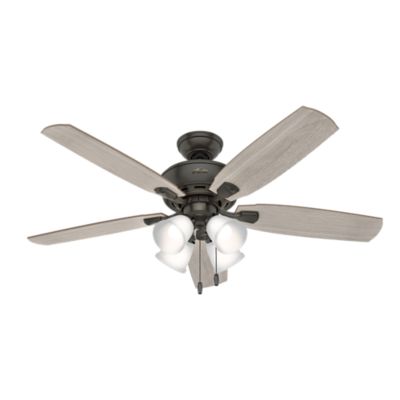
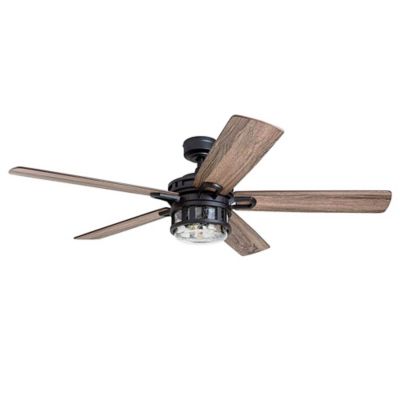
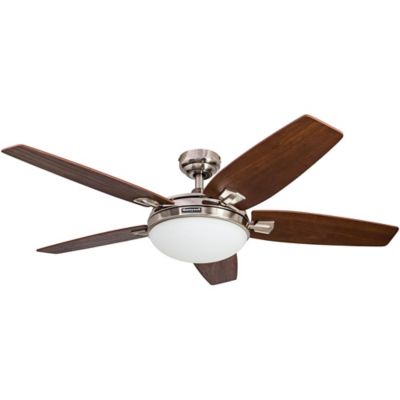
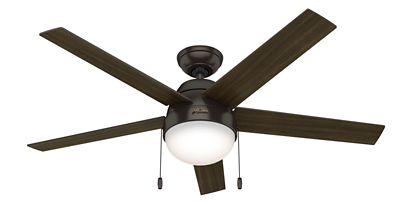
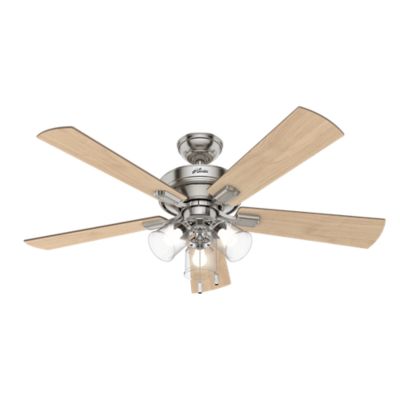
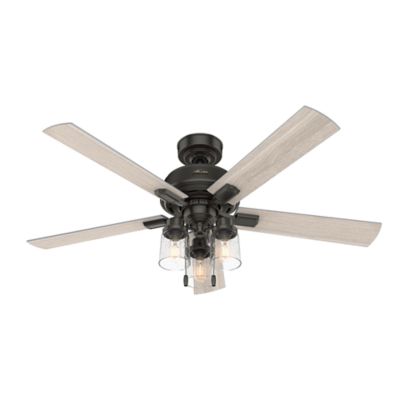
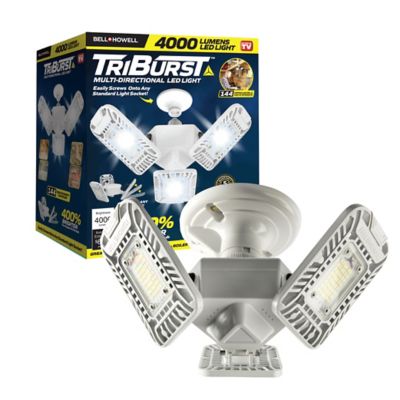
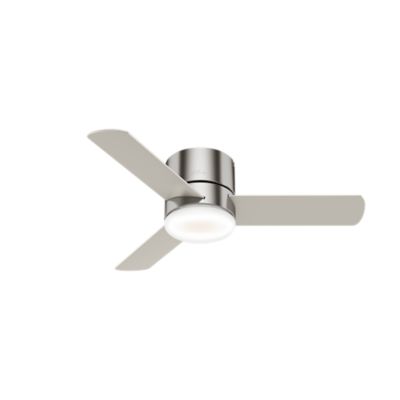
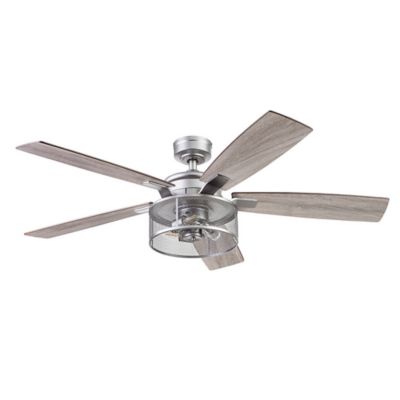
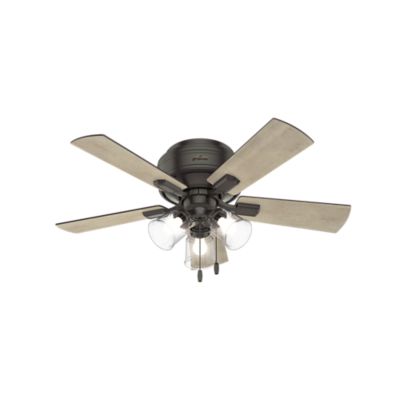
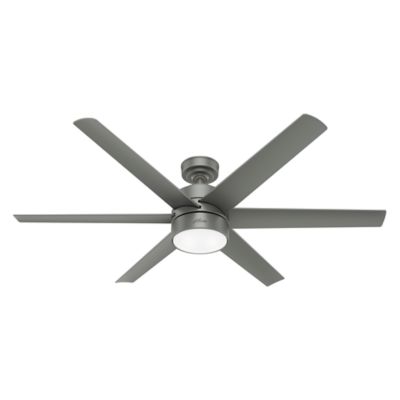
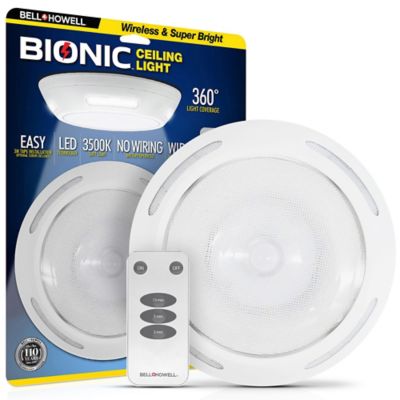
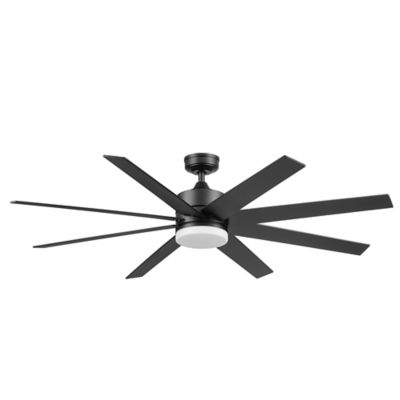
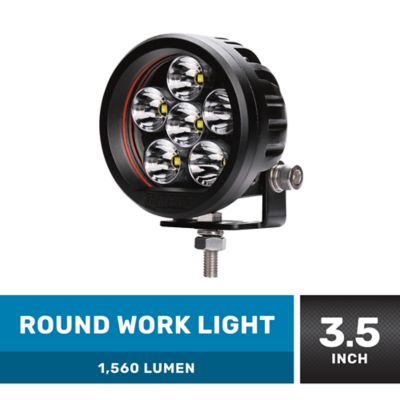
Lighting for high ceilings helps bring warmth, visibility, and balance to rooms where a standard flush fixture can get lost overhead. Tall foyers, open living rooms, great rooms, stairwells, vaulted kitchens, covered porches, barns, workshops, and shop spaces all benefit from fixtures that are sized for the room and able to fill its vertical space. Long hanging fixtures, pendant lights with adjustable cords or chains, and cluster chandeliers draw the eye upward while placing the light source closer to the areas where people sit, work, gather, or walk. In a wide-open room, a larger multi-light fixture can spread illumination across furniture, counters, and entryways instead of leaving the lower half of the space in shadow. A long pendant may be a better fit for a tall hallway, stair landing, or kitchen island, especially when its drop length can be adjusted during installation. Recessed lights and track lights offer another approach by directing focused light down from the ceiling without filling the upper room with a hanging fixture. Many homes use a combination of these options: a central hanging light for presence, recessed or track lighting for broad coverage, and wall or task lighting where extra visibility is needed. When comparing lighting for high ceilings, start with the ceiling height, the room’s overall size, and the locations that need the most light. Measure from the ceiling to the floor, then consider how low the fixture should hang in relation to tables, seating, islands, doorways, and walking paths. The bottom of a hanging fixture should feel connected to the room below, not stranded near the rafters, while still leaving comfortable clearance for people moving underneath it. In a stairwell or entryway, account for the slope of the stairs and the reach of doors. In a kitchen or work area, keep the light positioned so it improves visibility without shining directly into someone’s eyes. A fixture made for a tall ceiling should look substantial enough for the space, but it should not overwhelm the room or compete with the home’s existing finishes. Simple metal designs can suit a farmhouse, workshop, or utility space, while glass, wood, and mixed-material details can add a more finished touch to a living area or covered entry.
The right brightness depends on the room and the job at hand. Look at the total light output, often listed in lumens, rather than judging brightness by the number of bulbs alone. A high-ceiling living room may call for soft, layered light that makes the room comfortable in the evening, while a garage, barn aisle, mudroom, or workbench benefits from clearer, brighter illumination. LED bulbs and integrated LED fixtures are especially useful overhead because they offer long service life and use less energy than many traditional options, helping reduce the chore of changing bulbs at great heights. For tall rooms with ladders, vaulted rafters, or hard-to-reach fixtures, long-lasting bulbs are more than a convenience. They can save time, limit the need for repeated setup, and make routine maintenance easier. Check whether the light is dimmable and whether it works with the dimmer controls already installed in the room. Warm white light generally creates a cozy feel in family rooms, bedrooms, and dining spaces, while a cooler white may provide a crisp look for utility areas, laundry rooms, workshops, and storage buildings. Always confirm bulb type, wattage, voltage, mounting hardware, and fixture ratings before installation, particularly in damp locations such as porches, breezeways, barns, or unheated outbuildings. Heavy or oversized fixtures may require a properly rated electrical box and secure mounting support, and high installations are best handled with the right equipment or by a qualified electrician. Families updating a tall entryway, property owners brightening a shop, and anyone finishing a new pole barn or open-concept room can use these fixtures to make a large space feel more inviting and practical. They can also be a thoughtful housewarming gift for someone moving into a home with vaulted ceilings, a workshop, or a roomy country kitchen, especially when the style fits the recipient’s taste and the fixture can be adjusted to suit the space. For areas with shorter clearance, a compact design that sits closer to the ceiling may be a better match; see
Ceiling Lights for Low Ceilings for options suited to rooms where a long drop is not practical. With careful attention to scale, hanging height, light output, bulb life, and installation requirements, lighting for high ceilings can make a tall room feel grounded, useful, and comfortable through bright days and cooler evenings.