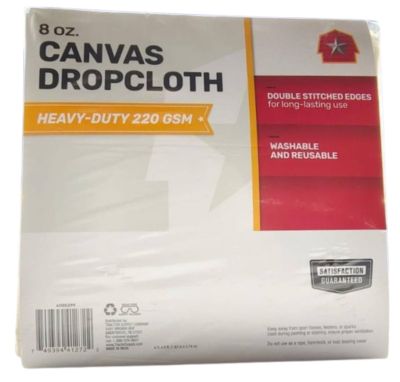
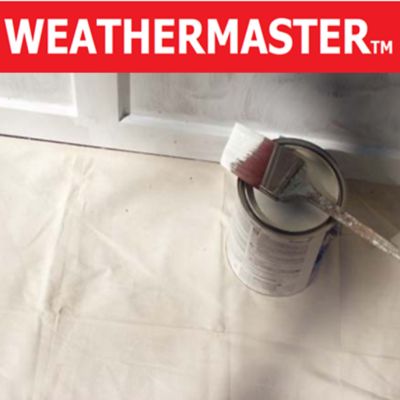
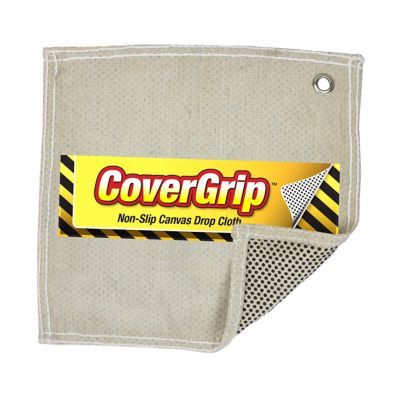
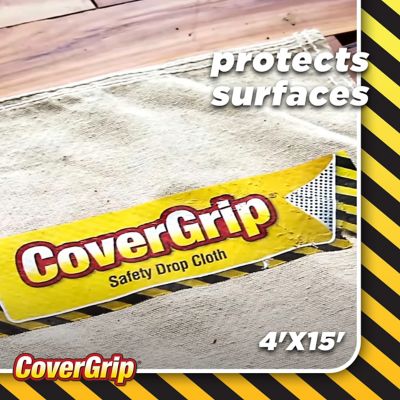
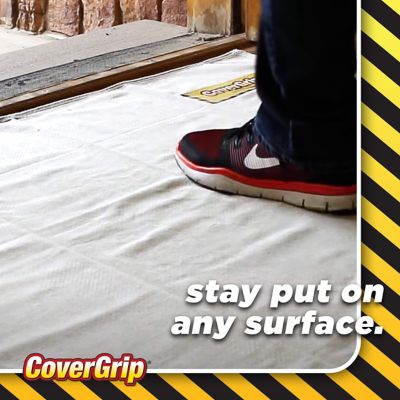
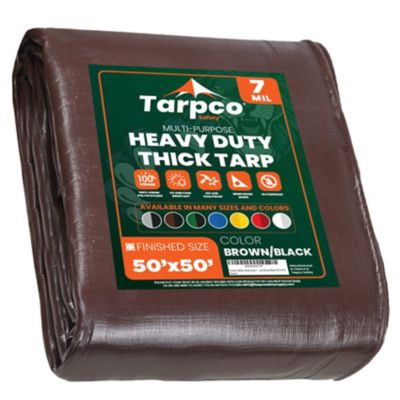
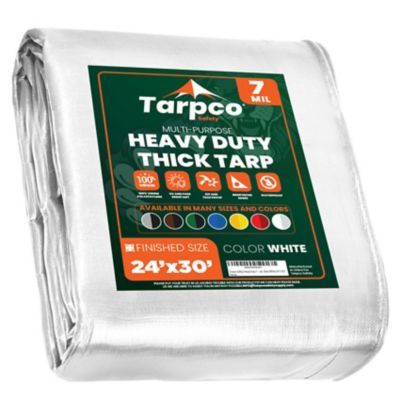
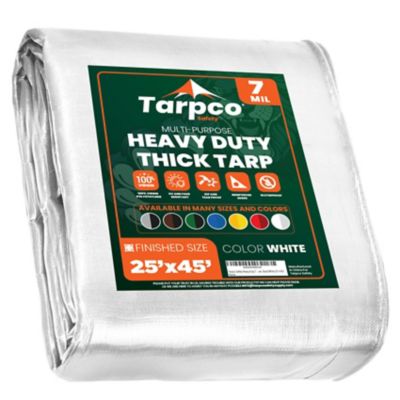
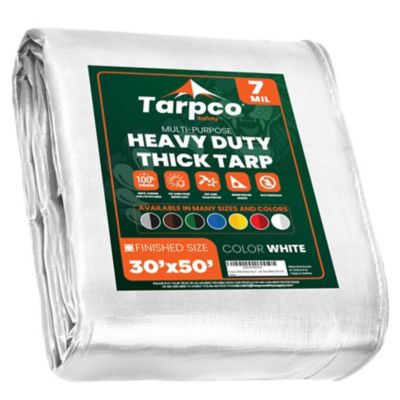
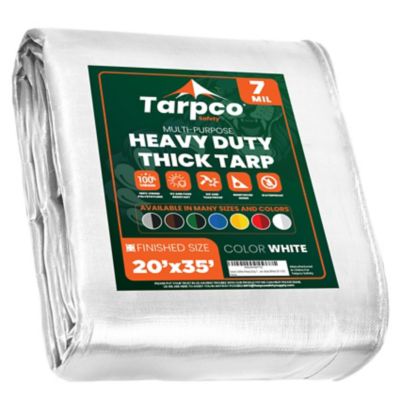
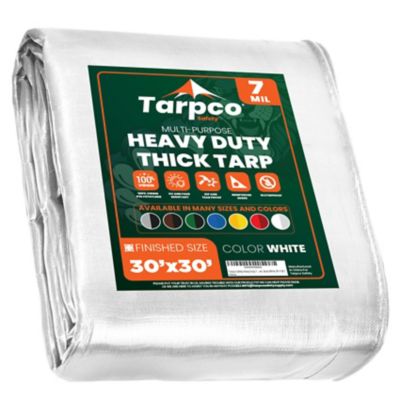
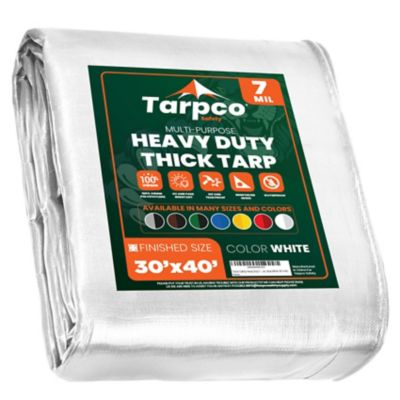
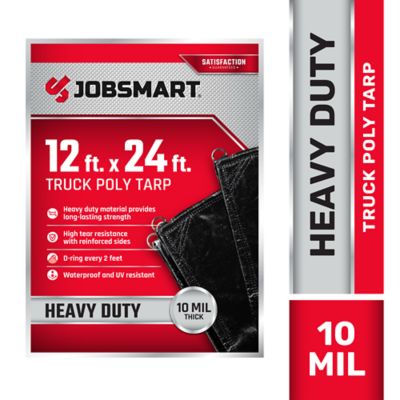
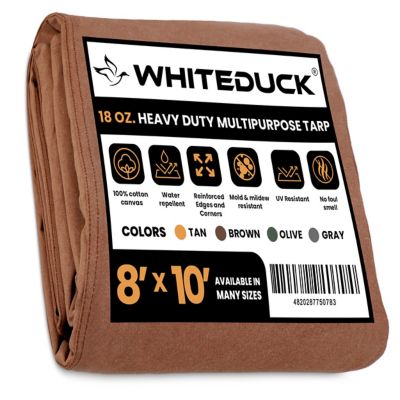
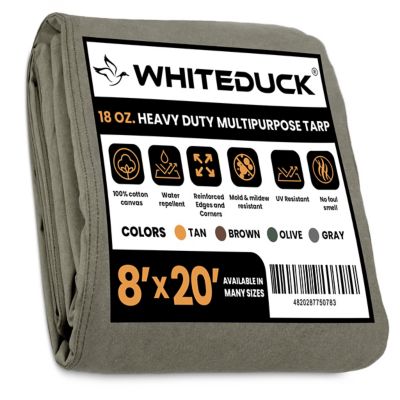
Drop cloths for ceiling painting help keep floors, furniture, trim, and finished surfaces protected from the drips and splatter that come with working overhead. Even a careful painter can send a fine mist of paint from a loaded roller, and gravity has a way of finding every uncovered spot. A good floor covering gives you room to work without worrying about each pass of the roller, whether you are freshening up a farmhouse kitchen, repainting a bedroom, finishing a workshop, or helping a friend tackle a larger renovation. Canvas is a popular choice because it is durable, reusable, and absorbent enough to catch wet drips instead of letting them roll across the floor. Canvas-backed or rubber-backed styles add another layer of protection by helping keep paint from soaking through onto hardwood, laminate, tile, or carpet. Leak-resistant construction can be especially useful when applying thicker coatings or when a ceiling has a textured surface that holds extra paint. Lightweight plastic sheeting can also help catch overhead splatters, particularly when it is secured along walls and baseboards, but it may slide, wrinkle, or become slick underfoot. When choosing a drop cloth, consider the floor underneath, the size of the room, and how much moving around the job will require. A smaller cloth may work well for a narrow hallway or a spot beneath a ladder, while larger coverings reduce exposed seams in open rooms. Heavy-duty fabric is a practical pick for contractors, landlords, maintenance crews, and do-it-yourselfers who expect to use it for more than one project. For a gift, a quality drop cloth can be a thoughtful addition to a housewarming basket, workshop setup, or home-improvement kit, especially for someone settling into a new place or taking on weekend painting projects.
Before painting a ceiling, clear as much of the room as possible. Small furniture, rugs, lamps, and decorations are best carried out, while larger pieces can be moved to the center and covered separately. Lay the drop cloth flat, taking care to cover the walking paths around the ladder and the area where paint tools will be set down. If the room needs more than one cloth, overlap the edges by about 12 inches so drips cannot find a narrow gap between pieces. For extra security, use painter’s tape along the borders or at places where the covering meets the wall, especially on smooth flooring where fabric may shift. Tape should hold the edges in place without leaving a sticky residue, and it should not replace safe footing beneath a ladder. Keep the surface as flat as possible, smooth out folds, and avoid bunching the cloth around your feet. On carpet, a heavier covering can help prevent paint from working down into the pile. On finished wood or other hard flooring, a leak-resistant backing offers added peace of mind, but spilled paint should still be wiped up promptly. Plastic can be taped directly near baseboards to catch fine specks, though it is better used as a supplement or wall protector than as the only walking surface in a busy work area. Open windows or use suitable ventilation when conditions allow, and keep paint containers, extension poles, and other supplies arranged so you do not have to step over them. During the cooler months, indoor painting is a practical way to make a room feel cleaner and brighter while outdoor projects slow down, but preparation matters just as much whether the job is a quick touch-up or a full ceiling repaint. The right coverage lets you focus on even roller pressure, neat edges, and a steady pace instead of chasing drops across the floor.
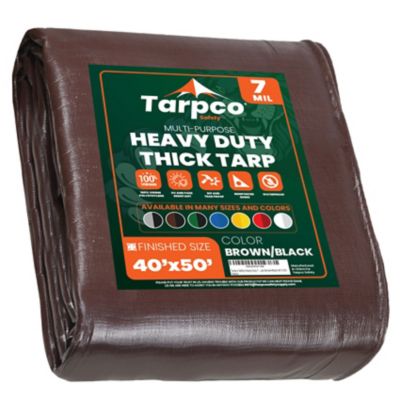
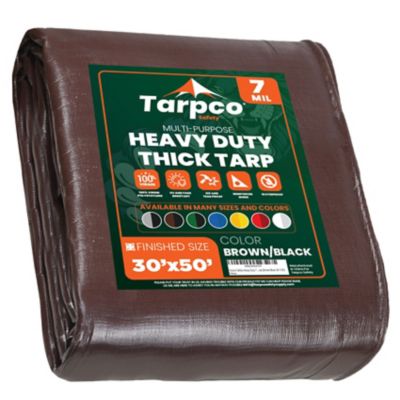
The best drop cloth for ceiling painting balances coverage, grip, absorbency, and easy handling. Check the dimensions before ordering and compare them with the room’s floor area, remembering that a cloth must extend beyond the active painting zone to protect against falling drops that bounce or roll. A cloth with reinforced edges can stand up to repeated folding and unfolding, while a manageable weight makes setup easier when one person is working alone. If you paint often, look for a reusable option that can be shaken out, folded, and stored for the next project. Let paint dry according to the product directions before folding a used cloth, and store it in a dry place away from sharp tools that could puncture the backing. For especially large rooms, barns, finished basements, or open shop spaces, broad coverings can reduce the number of seams and provide a cleaner work area; browse
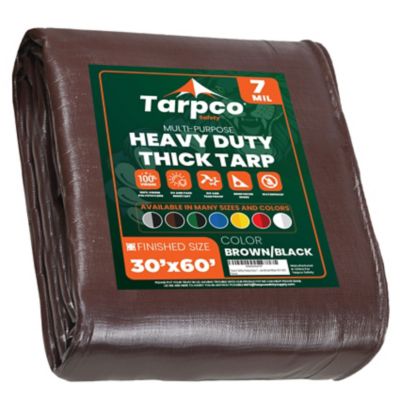
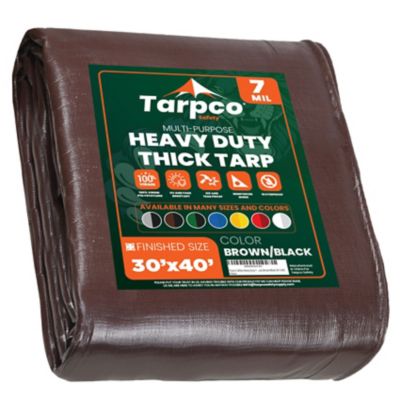
Large Canvas Tarps when extra reach and tough fabric are useful. Painters, property owners, renters, maintenance teams, and handy family members can all find a place for dependable floor protection. A drop cloth may spend most of its life folded on a shelf, but it earns its keep the moment a roller starts moving across the ceiling and the first unexpected bead of paint comes down. With the room cleared, edges secured, seams overlapped, and walking areas covered, ceiling painting becomes a more orderly job from start to cleanup.