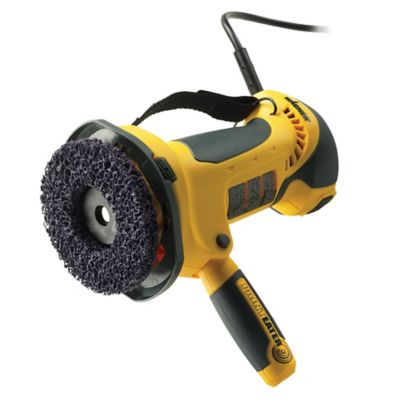
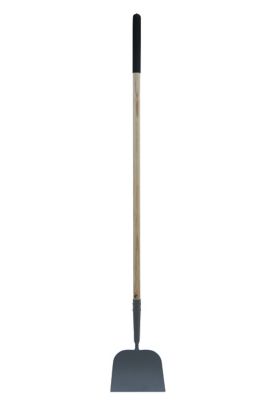
Paint equipment covers three main parts of a painting job: surface preparation, paint application, and cleanup. Scrapers, sanding tools, brushes, rollers, sprayers, masking supplies, and cleaning gear each have a place, whether the work involves a farmhouse room, a workshop door, or a stretch of barn siding. The right combination depends on the surface material, the coating, the size of the area, and how much detail surrounds it. Wood trim calls for different handling than a broad concrete wall, while metal railings bring corners, welds, and narrow spaces into the picture. Preparation equipment helps address loose paint, rough edges, surface buildup, and small imperfections that can show through a fresh coat. Scraper blade shape and stiffness matter around molding and uneven boards, and sanding abrasives come in different grits for removing roughness or refining a surface before coating. Aggressive abrasives can leave marks on soft wood, so the starting condition matters as much as the material itself. Patching tools also vary in width and flexibility, with smaller blades suited to tight repairs and wider blades better suited to spreading material across a broader area. Masking tape, protective film, and drop cloths help separate the painting area from floors, hardware, glass, and nearby equipment. Tape should suit both the surface and the expected removal time, especially on finished wood or freshly painted walls. Canvas coverings can absorb splashes, while plastic barriers help block spills but may become slippery underfoot. A clear working area matters in a busy shop or barn, where hoses, buckets, and cords can otherwise cross a walkway. For older buildings, the condition and history of existing coatings deserve attention before scraping or sanding begins; suspected lead paint calls for appropriate testing and lead-safe practices rather than ordinary dust cleanup. Taken together, preparation and protection supplies help create a sound starting point without turning a small repainting job into a bigger repair.
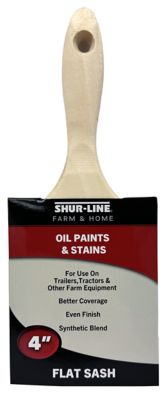
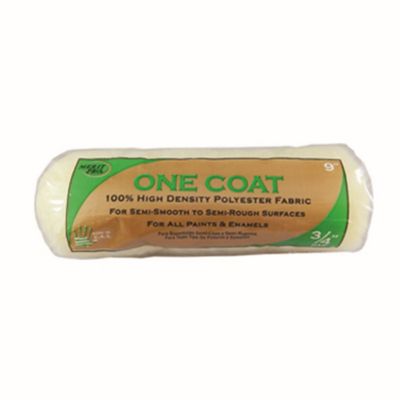
Application equipment determines how paint reaches the surface and how easily it settles into an even finish. Brushes suit edges, joints, trim, and places where a roller cannot reach, while rollers cover larger sections of wall, ceiling, siding, or flooring. Brush width, bristle shape, and handle feel all affect control. An angled brush can follow a door casing or work along a corner, while a wider, straight-edged brush carries more coating across open boards. Synthetic bristles generally suit water-based paints, and natural-bristle options may suit certain oil-based coatings; the coating label and brush recommendations should agree. Roller covers also need to match the coating and surface texture. Shorter nap generally suits smoother surfaces, while longer nap reaches into the recesses of rough masonry or textured siding. Too much nap on a smooth panel can leave more texture than intended, and too little on a rough wall can miss low spots. Roller frames, trays, bucket grids, and extension poles support that same matching process. A secure roller connection and a pole with a comfortable grip can make a broad wall easier to handle without excessive stretching. For larger surfaces or repeated work,
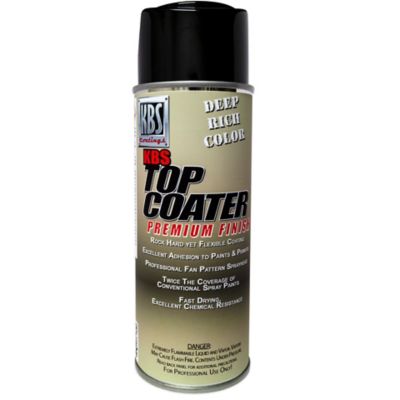
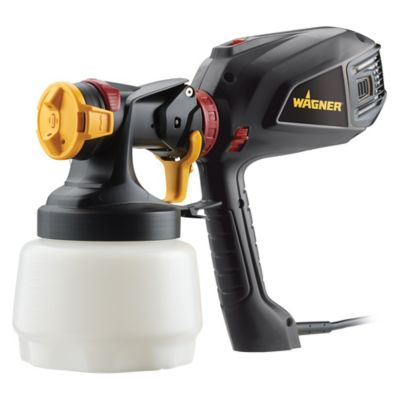
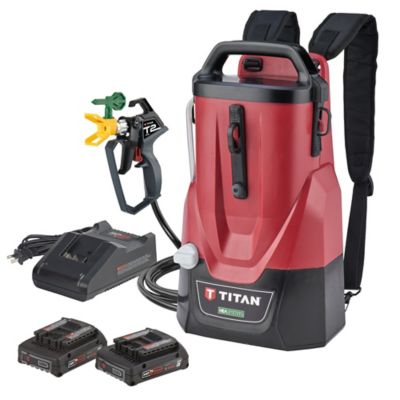
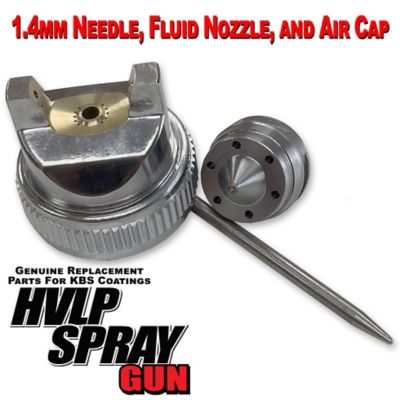
paint guns offer another application method, with equipment designed around different coating types, spray patterns, and power sources. Compressed-air systems depend on a suitable air supply, while airless systems move coating through a spray tip under pressure. Tip size, coating compatibility, hose length, and equipment ratings all influence whether a setup fits the task. A sprayer intended for thinner finishes may not handle thick coatings without changes specifically permitted by the manufacturer. Spraying also brings overspray control, masking, and cleanup needs that differ from brush-and-roller work. On a gate with several rails or a cabinet with recessed panels, access and shape can matter more than square footage alone. For property owners, maintenance crews, and folks keeping a home workshop running, equipment that fits the actual work is more useful than a setup chosen for capacity alone.
Comfort, care, and safe handling round out the picture, especially when painting takes more than a quick touch-up. Handles that fit the hand, balanced tools, manageable hose weight, and secure connections can reduce awkward gripping during repeated passes. Replacement covers, compatible seals, and accessible cleaning points can also affect how practical equipment remains over time. Metal components, plastic parts, bristles, and seals respond differently to coatings and solvents, so material compatibility matters beyond the first coat. Cleaning requirements deserve a look before choosing an application method: water-based and solvent-based coatings call for different cleanup approaches, and a sprayer has internal passages that require attention along with its visible surfaces. Cleaning solutions should match both the coating instructions and the equipment specifications. Keeping paint from drying in bristles, roller fibers, tips, and valves helps preserve their working shape and keeps residue from interfering with the next job. Storage matters, too, with brushes positioned to protect their bristles, hoses kept free of sharp bends, and equipment put away according to its instructions. Personal protection belongs alongside application tools, not as an afterthought. Splash protection, suitable gloves, ventilation, and respiratory protection depend on the coating and the work involved; a basic dust mask does not protect against solvent vapors. Spray equipment also requires attention to pressure hazards, electrical safety, and ignition sources. High-pressure spray must never be directed toward a hand or any other part of the body, even while checking a blockage. Around the farm, separating a paint area from livestock, feed, water containers, and passing foot traffic helps keep the work contained. Leftover coatings, cleaning liquids, and paint-soaked materials need disposal that follows label directions and local requirements, with special care for oily rags that can pose a fire hazard. A well-matched set of paint equipment supports neat edges, steady coverage, and sensible cleanup, whether the job is refreshing a utility room or maintaining the buildings that keep a property working.