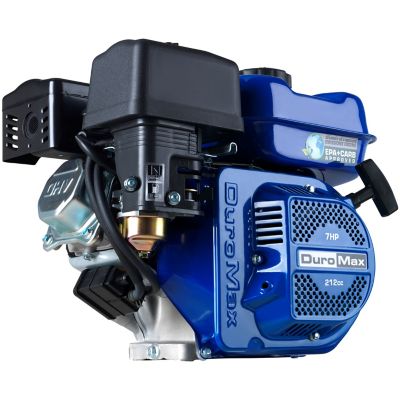
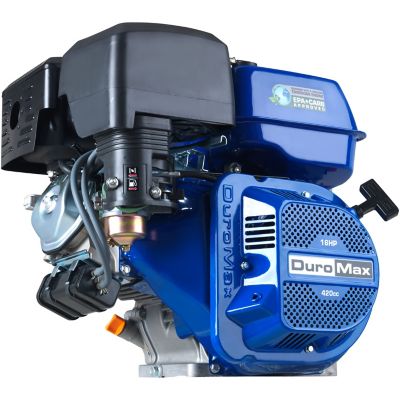
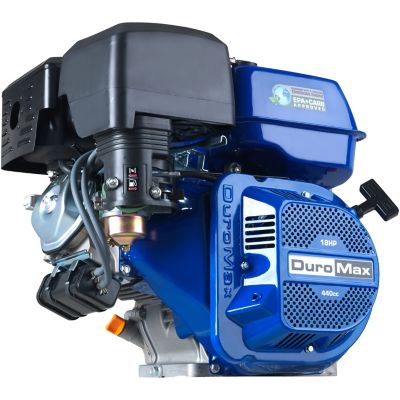
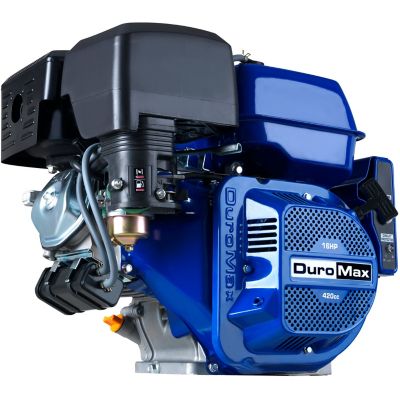
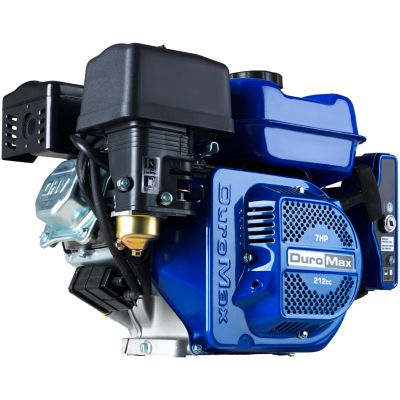
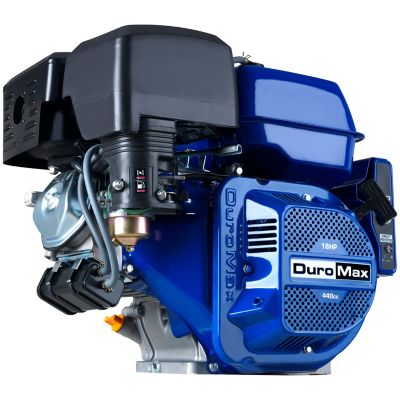
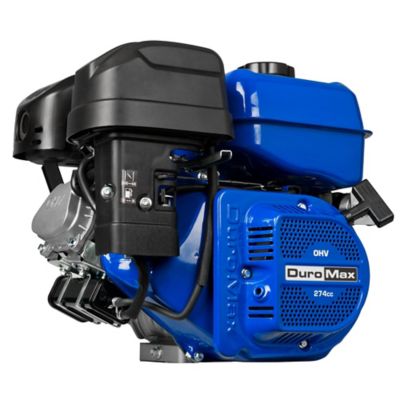
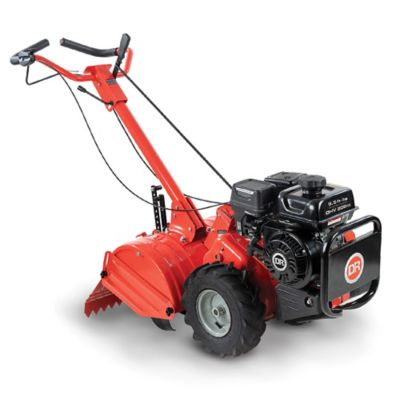
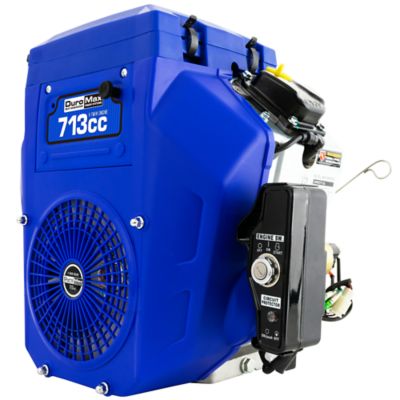
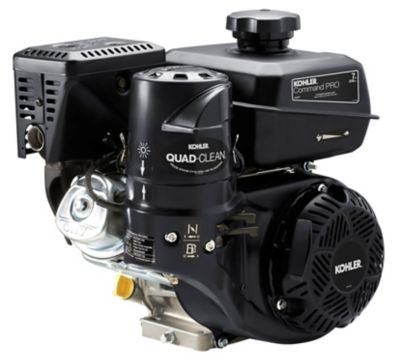
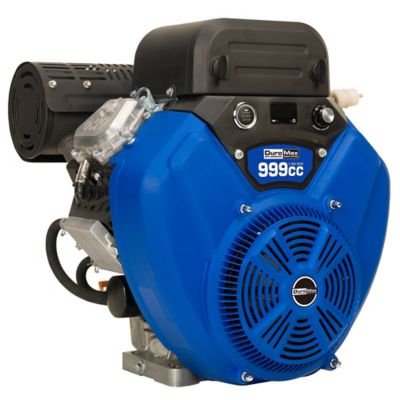
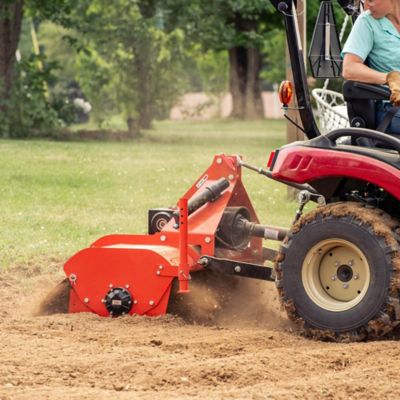
Roto tiller engines keep garden cultivators, front-tine tillers and rear-tine tillers working when the ground needs more than a shovel and a little elbow grease. These small-to-medium engines are built to turn the tines that loosen packed soil, work in compost and manure, mix in amendments and prepare seedbeds for vegetables, herbs, flowers and cover crops. A compact cultivator engine in the 3- to 5-horsepower range can be a good fit for narrow beds, raised gardens and soil that has already been worked. Mid-size engines around 6 to 9 horsepower are commonly suited to larger home gardens, heavier soil and regular spring or fall preparation. For broad plots, dense clay, neglected ground or stubborn sod, a heavy-duty engine in the 10- to 15-horsepower range may provide the extra strength needed to keep the tiller moving at a steady pace. Gas-powered four-stroke engines with horizontal shafts are a common choice for walk-behind tillers because the shaft lines up with many belt-driven and gear-driven tine transmissions. Overhead-valve designs can offer dependable operation, improved fuel use and cooler running during long stretches of hard work. Some engines also include low-oil shutoff protection, which stops the motor when oil drops too low and helps guard against costly internal damage. Air filtration matters, too. Tilling throws a surprising amount of dry soil and dust into the air, and a foam or dual-element filter helps keep that grit out of the carburetor and internal engine parts. Whether a replacement engine is being installed on an older machine or kept on hand for a well-used tiller, choosing the right size and configuration makes a difference in how smoothly the equipment handles the job.
Before ordering a roto tiller engine, take a careful look at the tiller it will power. Replacement work is much easier when the new motor matches the old engine’s crankshaft diameter, shaft length, keyway, rotation, mounting bolt pattern and overall dimensions. Common crankshaft sizes include 3/4 inch and 1 inch, but measuring the original shaft is safer than relying on memory or a faded model label. Check where the shaft sits in relation to the mounting base, pulley or transmission, and make sure there is enough clearance for belts, guards, fuel lines and the recoil starter. Horsepower and engine displacement should also match the tine transmission and the type of soil being worked. More power is not always better if the frame, clutch or drive system was designed for a smaller motor. On the other hand, an underpowered engine may bog down in heavy clay, root-filled beds or sod and leave the operator wrestling with a machine that cannot maintain steady tine speed. Have the tiller’s model information, the old engine’s specifications and a few basic measurements nearby before comparing replacement options. It can help to photograph the mounting points and shaft assembly, especially when an older tiller has been modified over the years. These engines are practical purchases for homeowners with vegetable plots, rural property owners, market gardeners, community garden volunteers and anyone who would rather repair a dependable tiller than replace the whole machine. They can also make a thoughtful gift for a gardener who enjoys keeping equipment in working order, though the right fit is essential. A replacement motor that matches the machine can bring an otherwise sound tiller back to life, turning a rough patch of ground into a soft, workable bed as the weather warms and helping with cleanup and soil preparation during the cooler months.
Good care starts before the first pass through the garden. Use the oil grade and fill amount listed in the engine manual; SAE 10W-30 is commonly specified for many small four-stroke engines, but temperature, design and manufacturer instructions can vary. Check the oil on level ground before each work session, and never run a four-stroke tiller engine without the recommended oil. Fresh, clean fuel helps prevent starting trouble, while stale gasoline can leave deposits in the carburetor and make an engine surge or refuse to start after sitting between growing seasons. Inspect the air filter often when working in dry soil, and clean or replace it according to the service instructions. A filter that looks only lightly dusty at the beginning of the day can become packed with fine dirt after several hours of tilling. Keep cooling fins, the muffler area and the engine housing free of chaff and soil buildup, and check that belts, pulleys, fasteners and guards remain secure. Let the engine cool before maintenance, disconnect the spark plug wire when appropriate and follow safe handling practices around fuel. At the end of a busy stretch of garden work, storing the tiller under cover and protecting it from moisture can help preserve the engine and controls. Owners who need dependable power for other outdoor equipment may also find related options among
Log Splitter Replacement Engines. With a properly matched replacement, clean air, correct oil and a little routine attention, a roto tiller engine can provide steady service through repeated bed preparation, compost mixing and ground-breaking jobs for seasons to come.