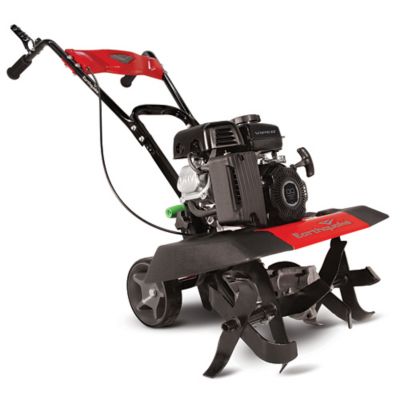
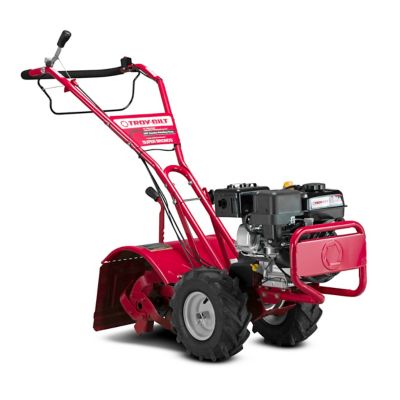
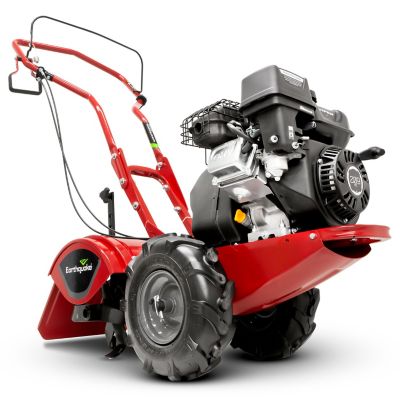
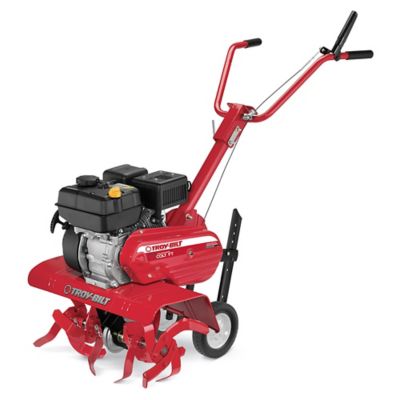
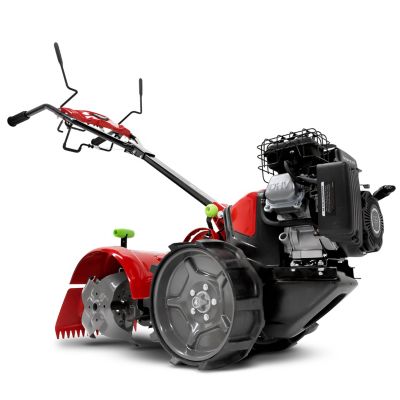
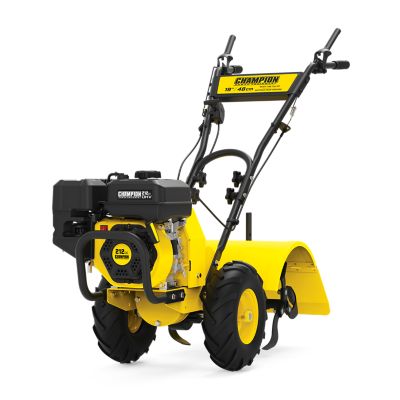
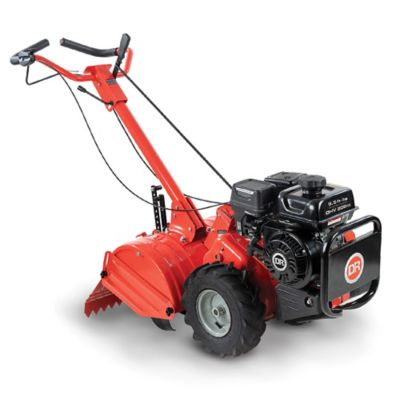
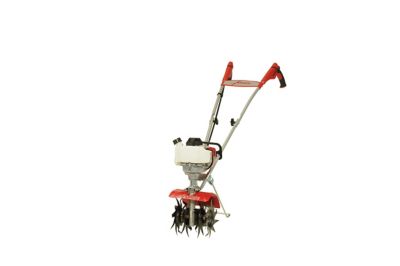
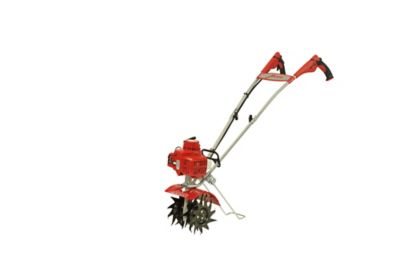
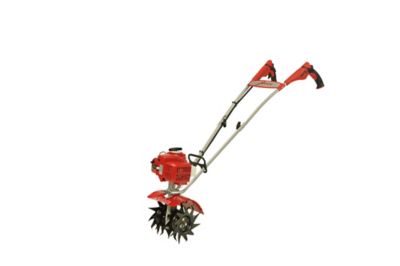
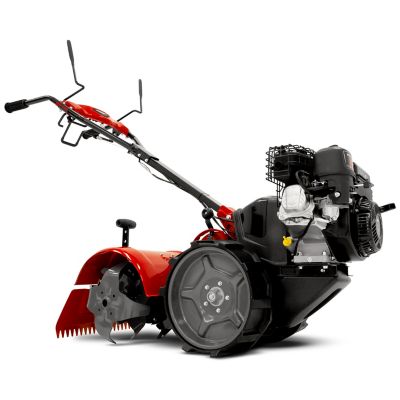
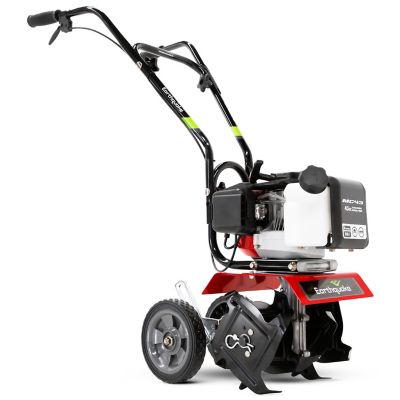
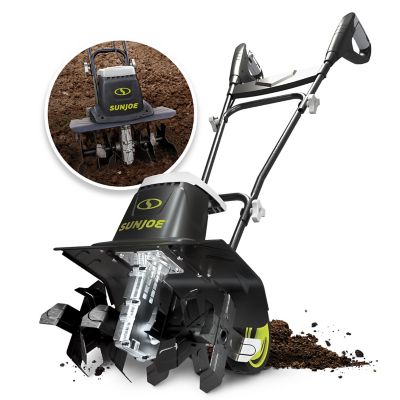
Rotary tillers are motorized soil-preparation tools that use spinning tines to break up, churn, and aerate the ground before planting. They can turn a compacted patch of earth into a smoother, more workable seedbed, mix compost or other soil amendments into the top layer, and help blend in leftover plant matter after a growing season. Home gardeners often use walk-behind tillers for vegetable rows, flower beds, small orchards, and new planting areas, while landowners and farmers may choose tractor-mounted tillers for larger gardens, food plots, pasture renovation, and field work. A tiller can be especially helpful when hand tools are too slow for the size of the job or when the soil has become hard from foot traffic, weather, or repeated use. During the cooler months, many folks use the downtime to clear old growth, repair beds, and get the ground in better shape for when the weather warms. In areas with a long growing season, a well-prepared bed may support fall and winter crops, too. Browse our selection of
Top Rated Tillers to find equipment suited to the size of your property and the kind of soil work you have in mind.
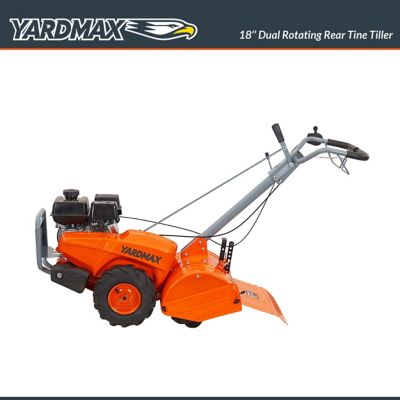
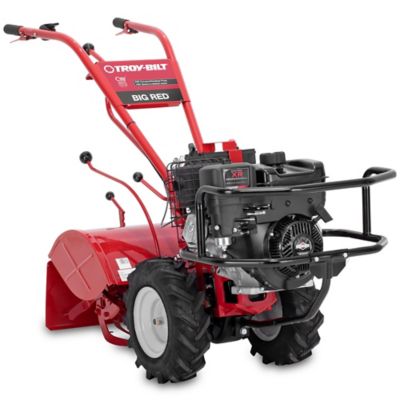
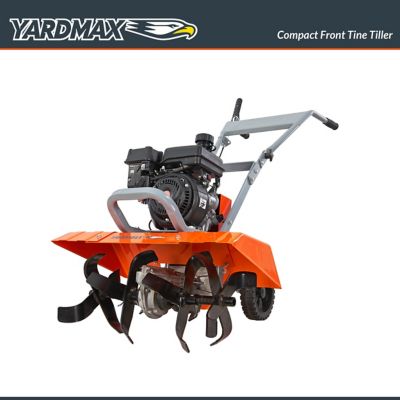
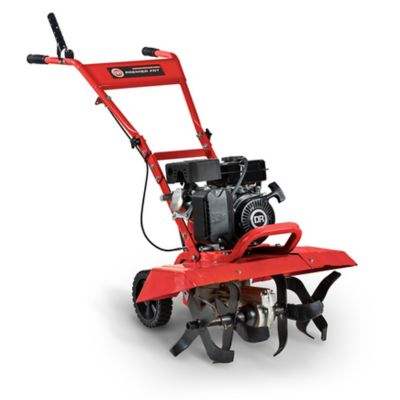
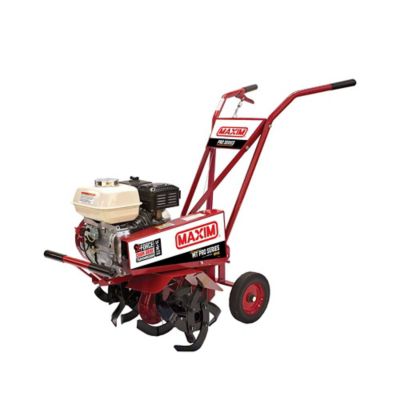
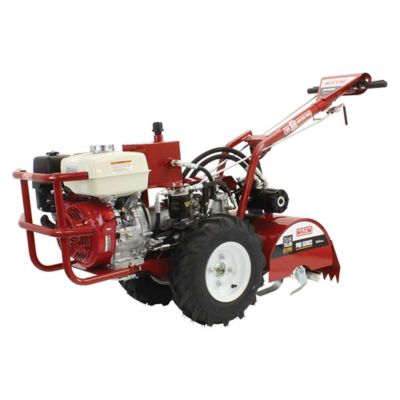
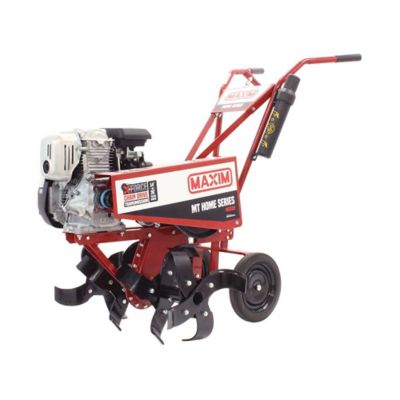
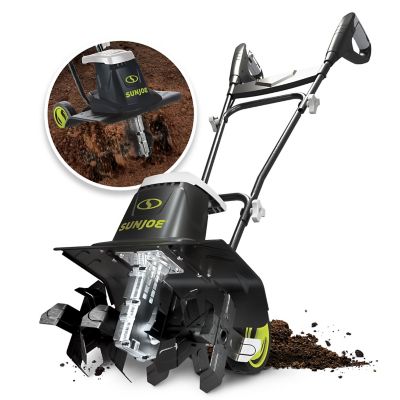
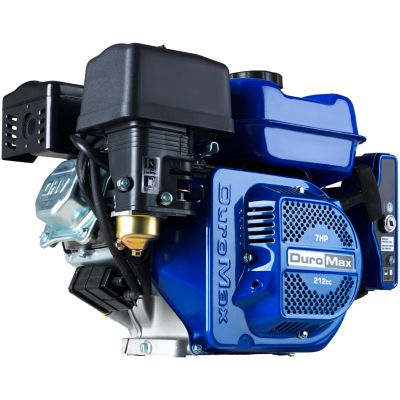
Choosing the right rotary tiller starts with the area you plan to work and the condition of the ground. Smaller walk-behind tillers are a practical fit for backyard gardens, raised-bed expansions, narrow planting rows, and other spaces where a tractor cannot easily maneuver. Some are self-propelled, which can make a noticeable difference when working across firm ground or covering a larger garden. Gas-powered models are useful when you need extended run time away from an outlet, while battery-powered tillers offer quieter operation and simpler starting with no fuel mixing or engine fumes. Corded electric units can work well near a home, shed, or other dependable power source, though the cord needs to stay clear of the tines and moving parts. Pay close attention to tilling width and depth. A narrower working width can be easier to guide between rows, while a wider tiller covers more ground with each pass. Shallow tilling may be enough for mixing surface material or refreshing an established bed, whereas deeper tilling can help loosen compacted soil when the machine has enough power and the site is suitable. Forward-rotating tines generally move with the machine and are often comfortable for routine garden preparation. Reverse-rotating tines turn against the machine’s forward motion, helping them bite more firmly into hard or packed soil. Counter-rotating designs may require more control, but they can be useful when breaking new ground. Look for adjustable depth control, sturdy handles, a transport wheel, and controls that are easy to reach while wearing work gloves. A dependable drive system, whether gear-driven or chain-driven, also matters when a tiller will see frequent use or challenging soil.
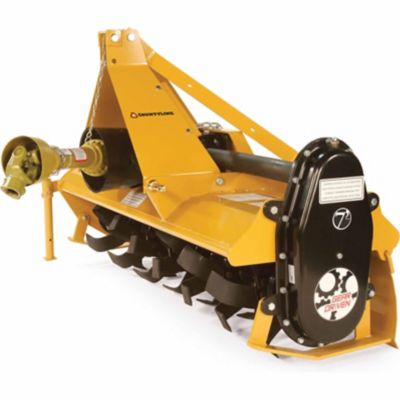
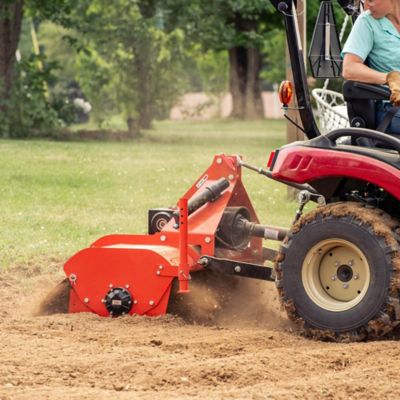
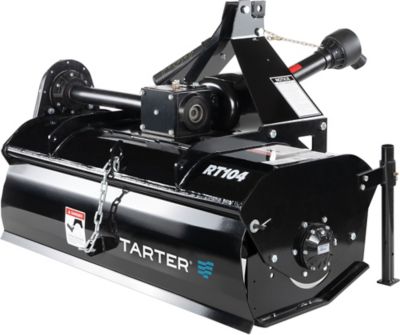
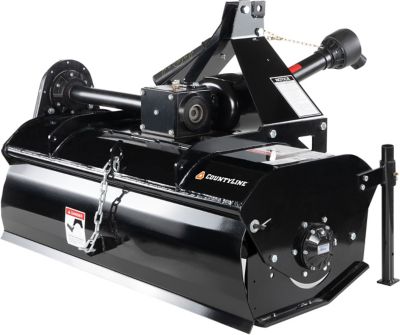
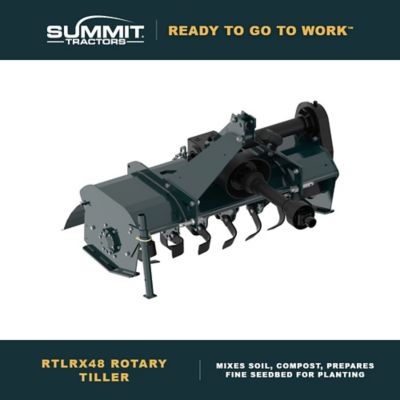
For acreage, large food plots, and farm or homestead work, a tractor-mounted rotary tiller offers the reach and power needed to prepare more ground efficiently. These implements commonly attach to a tractor’s three-point hitch and run from the tractor’s power take-off, often called a PTO. Before choosing one, check the tractor’s horsepower range, PTO speed, hitch category, lift capacity, and available hydraulic connections if the implement requires them. Matching the tiller to the tractor helps prevent poor performance and unnecessary strain on the equipment. Working width should suit the tractor and the layout of the field, and adjustable skid shoes or depth settings can help maintain a consistent pass. Soil type makes a difference as well. Loose garden soil is easier to work than heavy clay, rocky ground, or soil filled with roots, and even a powerful tiller may need several gradual passes instead of one deep cut. It is wise to remove large rocks, wire, branches, and other debris before tilling, since hidden objects can damage tines or create a dangerous situation. Wear sturdy boots, eye protection, hearing protection when appropriate, and close-fitting clothing; keep children and bystanders away from the work area, shut off the engine or PTO before clearing a clog, and follow the equipment manual for setup and maintenance. A rotary tiller can be a welcome gift for a serious gardener, new landowner, small farmer, or handy homesteader, especially when it matches the recipient’s available power source and the size of the ground they maintain. With the right fit, it can make spring bed preparation, fall cleanup, and ongoing soil work feel less like an all-day chore and more like a job you can finish with confidence.