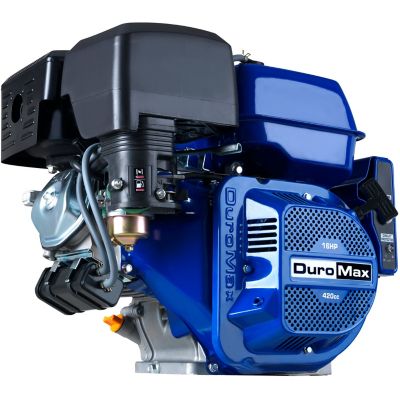
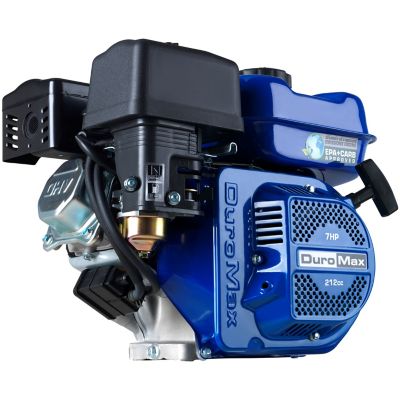
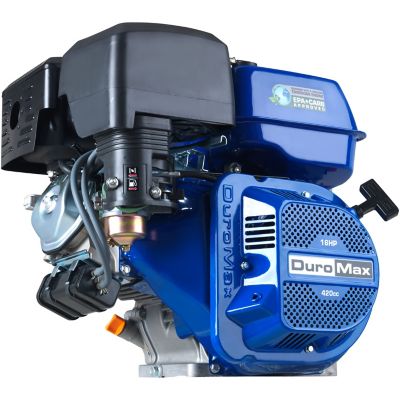
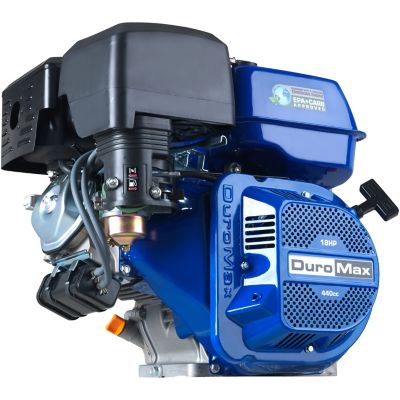
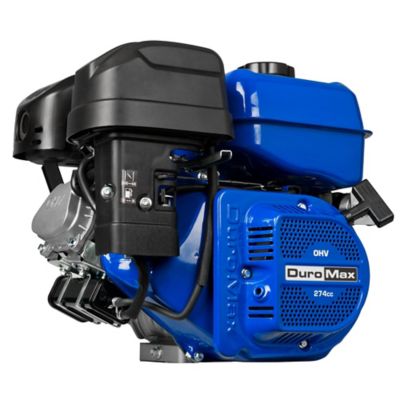
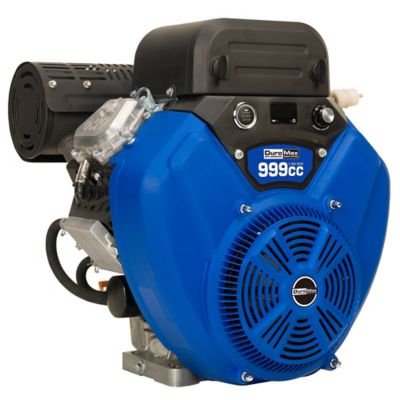
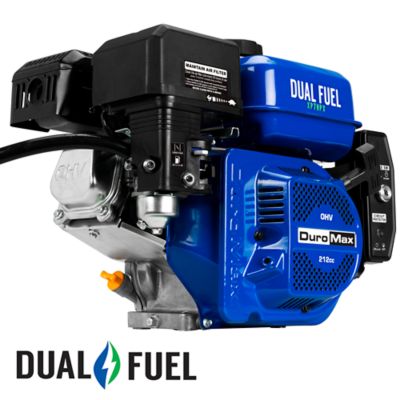
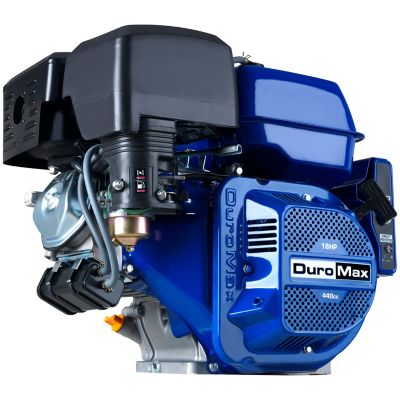
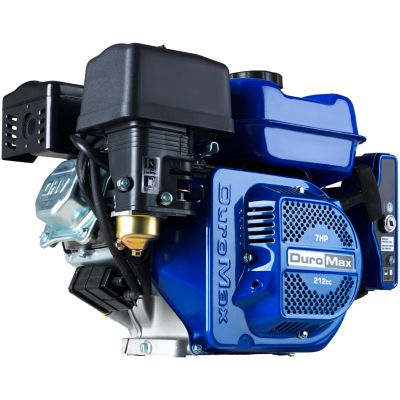
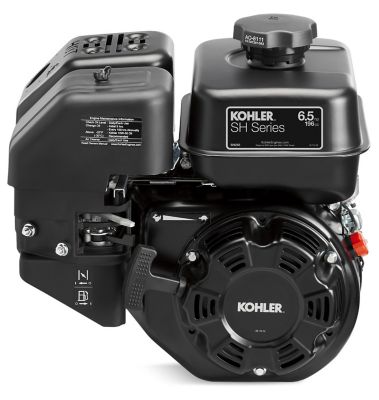
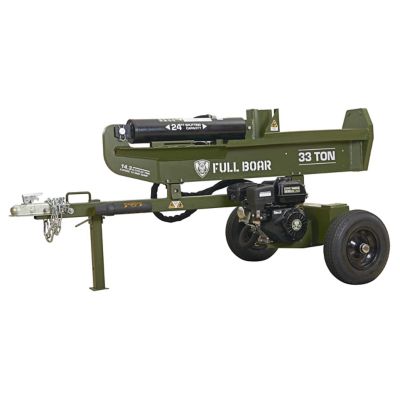
A dependable log splitter replacement engine can bring an older splitter back to work without replacing the whole machine. When the original engine becomes hard to start, loses power, smokes, or simply will not stay running, a repower can be a practical choice for homeowners, small acreage owners, firewood cutters, and anyone who depends on a steady supply of split wood during the cooler months. Gas-powered log splitters commonly use small horizontal-shaft engines in the 5 HP to 9 HP range, often measuring roughly 196cc to 301cc, though the right replacement is determined by the splitter’s hydraulic system and mounting setup rather than horsepower alone. These engines turn the hydraulic pump, which builds the pressure needed to drive the ram through a round of wood. A properly matched engine helps the pump operate as intended, keeps the splitter working at a steady pace, and makes long days at the woodpile feel far less frustrating. Many folks discover the value of a reliable splitter on a crisp afternoon, when a trailer load of oak, hickory, or maple is waiting beside the shed and the woodstove season is drawing near. A fresh replacement engine can make those familiar chores easier to manage, whether the splitter is used for household firewood, storm cleanup, campwood, or helping a neighbor put up a winter supply.
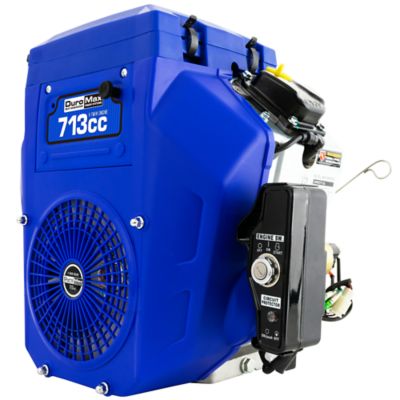
Fit is the first thing to confirm before choosing a log splitter replacement engine. Start by checking the engine currently mounted on the splitter, along with the owner’s manual if it is available. Most log splitter applications call for a horizontal crankshaft, while many engines sold for other outdoor equipment use a vertical crankshaft and will not work with the existing hydraulic pump. Next, measure the crankshaft diameter and exposed shaft length. Common sizes include a 3/4-inch or 1-inch keyed shaft, but even a small difference can prevent the pump coupler from fitting correctly. The keyway size, shaft centerline, and shaft extension matter, too. The engine’s mounting footprint and bolt pattern should line up with the splitter’s engine plate, and the crankshaft should sit at the right height and distance from the pump. Some installations may require an adapter plate, revised mounting holes, or a different coupler, so take careful measurements rather than relying on engine displacement alone. Check the distance between mounting bolts, the overall engine dimensions, and the location of the fuel tank, muffler, air cleaner, and controls to make sure nothing interferes with the frame or hydraulic lines. Matching the engine to the pump’s needs is just as important as matching it to the frame; an engine with too little output may bog down under load, while a larger engine is not automatically a better choice if it does not fit the pump or mounting plate. It also helps to compare starting and control features. A recoil starter is simple and familiar, while electric start can be handy when the splitter is used often or when pulling a starter cord is difficult. Look for accessible oil-fill and drain points, a practical fuel shutoff, and an engine design that fits the way the machine is stored and serviced. Before installation, drain fuel, disconnect the spark plug wire, support the pump and coupler, and follow the engine and splitter instructions. After the engine is mounted, inspect the coupler, confirm the key is secured, tighten fasteners evenly, and check for leaks or unusual vibration before putting a full round of wood on the beam.
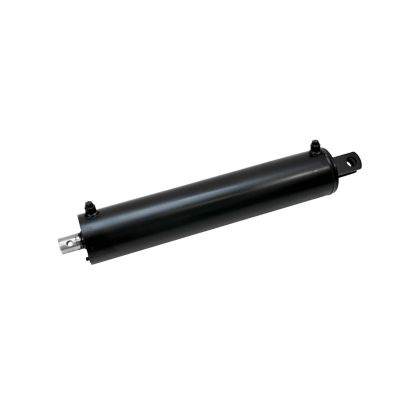
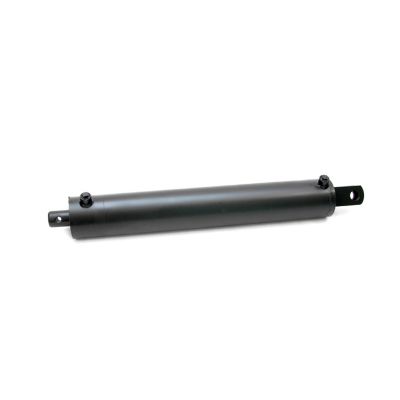
Replacement engines are useful for more than a single repair. A landowner may keep one on hand as part of a long-term equipment plan, especially when a splitter is shared among family members or used during annual firewood work. They can also make a thoughtful gift for someone who enjoys maintaining older equipment, cutting firewood for neighbors, or improving a hunting camp or rural property. In many cases, the rest of the splitter is still solid: the beam is straight, the wedge is in good shape, the hydraulic cylinder holds pressure, and the wheels and frame have plenty of life left. Replacing the engine lets the owner keep a familiar machine rather than learn a new setup or haul away equipment that only needs attention at one end. Consider the type and amount of wood being split, how often the machine runs, the distance it must be moved, and who will be operating it. Occasional users may value straightforward starting and easy maintenance, while people splitting several cords each season may place greater importance on cooling, durability, service access, and steady performance under repeated loads. Keep the engine’s rated output, shaft configuration, mounting pattern, and operating instructions together when comparing options. A clean air filter, fresh oil, properly stored fuel, and regular spark plug checks will help a replacement engine last longer after installation. Store the splitter under cover when possible, protect the engine from moisture, and follow local requirements for fuel and exhaust equipment. For related small-engine applications around the property, browse
Roto Tiller Engines as well. With careful measurements and a little preparation, the right replacement engine can turn an idle splitter into a dependable part of the yearly wood routine, ready for everything from a few rounds behind the barn to a full day of firewood stacked beside the house.