Pasture Rotary Cutters
Shop pasture rotary cutters to tackle tall grass, weeds, and brush on your acreage. Compare cutting widths, tractor horsepower requirements, and hitch compatibility to find a cutter that fits your equipment and the ground you need to maintain.
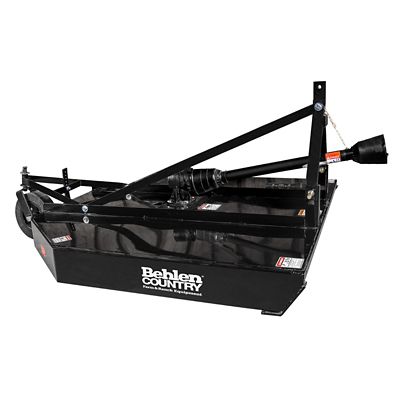
$1,709
.99
Sale Was $1,899.99 Save $190.00 (10%)
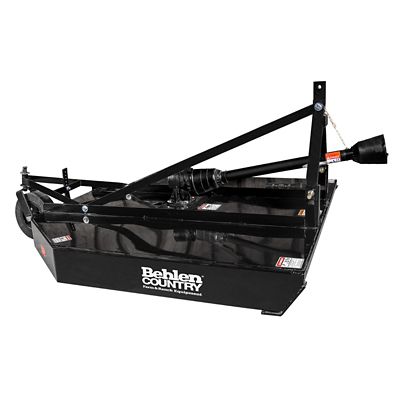
$1,799
.99
Sale Was $1,999.99 Save $200.00 (10%)
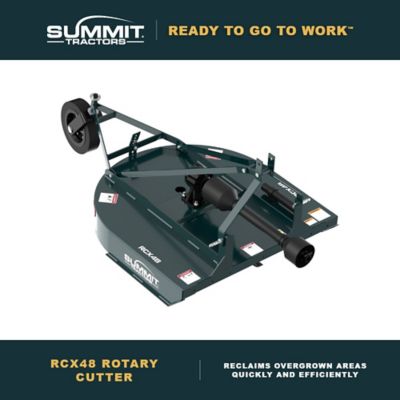
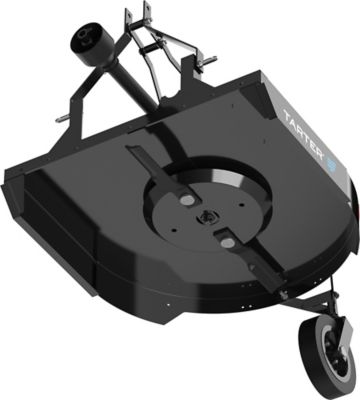
$1,529
.99
Sale Was $1,699.99 Save $170.00 (10%)
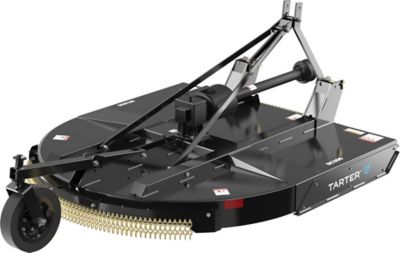
$2,879
.99
Sale Was $3,199.99 Save $320.00 (10%)
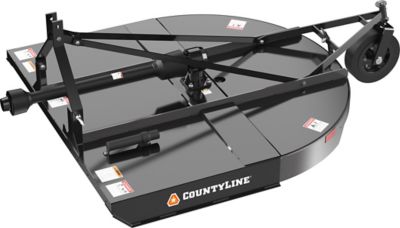
$1,889
.99
Sale Was $2,099.99 Save $210.00 (10%)
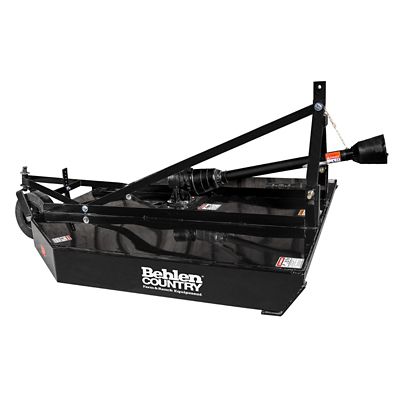
$1,439
.99
Sale Was $1,599.99 Save $160.00 (10%)
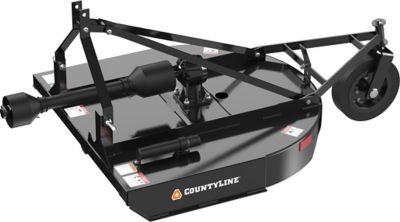
$1,529
.99
Sale Was $1,699.99 Save $170.00 (10%)
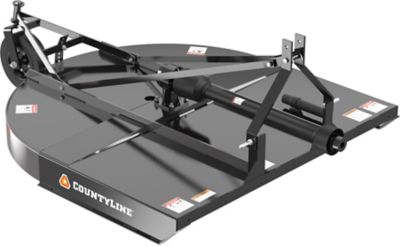
$1,619
.99
Sale Was $1,799.99 Save $180.00 (10%)
Best Of FAQ
What is a pasture rotary cutter?
A pasture rotary cutter is a tractor attachment for mowing pasture grass, weeds and brush. It has blades that rotate horizontally beneath a deck and is a common part of routine field upkeep.
What does PTO mean on a pasture rotary cutter?
PTO stands for power take-off. It’s the tractor connection that transfers engine power to the cutter through a driveline. The cutter’s gearbox then transfers that power to the blade assembly.
How do pasture rotary cutters attach to a tractor?
Common setups include three-point hitch, pull-type and semi-mounted connections. A three-point cutter attaches to the tractor’s rear hitch, while a pull-type cutter connects to the drawbar and rides on its own wheels. Semi-mounted designs share support between the tractor hitch and the cutter’s wheels.
How does a rotary cutter’s blade setup differ from a flail mower’s?
A rotary cutter has blades that swing around a vertical spindle beneath the deck. A flail mower has multiple cutting tools attached along a horizontal rotating shaft. These terms describe two different mower designs.
What routine maintenance does a pasture rotary cutter need?
Typical upkeep includes checking gearbox lubricant, greasing designated fittings, inspecting belts on belt-driven models and checking blades and attachment hardware for wear. Clearing away grass buildup is another regular chore. Your owner’s manual spells out the service intervals and lubricant requirements for your cutter.
Best Sellers
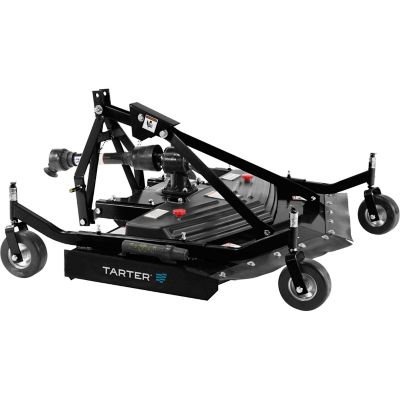
-
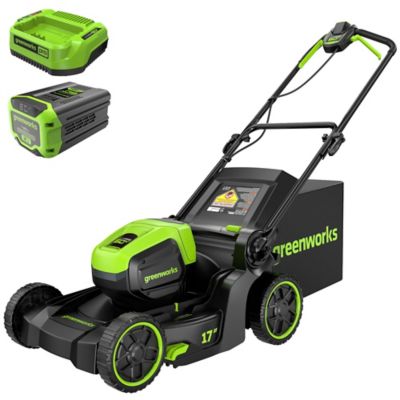
"Bought this in April and has been the best mower I've bought so far easy to use and cuts great"
-
"Works well in tough grass and heavy weeds not the best in brush"
-
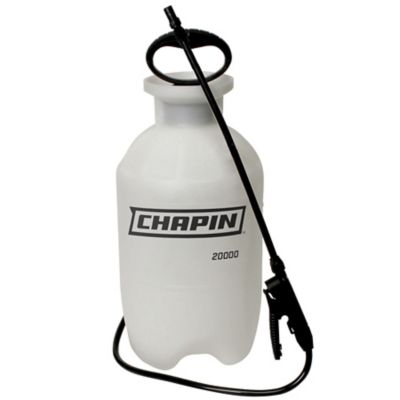
"I was happy to see how well this sprayer is constructed, plus it has a great spray tip"
-
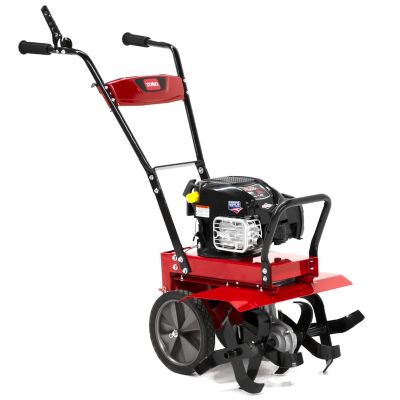
"The best garden tiller I ever bought, cranked on the first pull, I recommend this product"
-
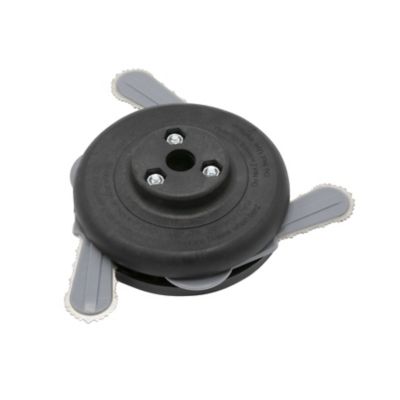
"There the best blades I found"