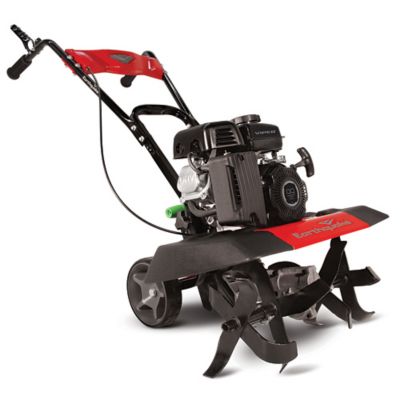
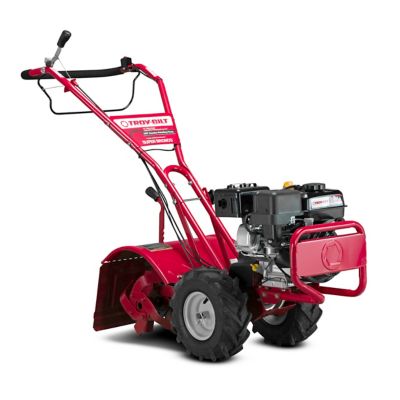
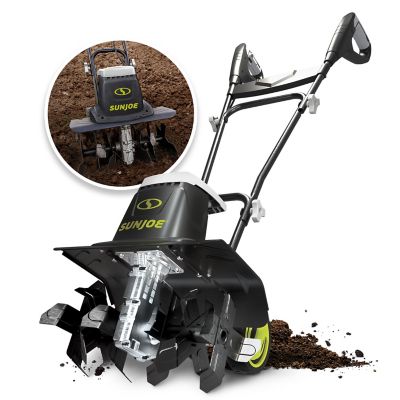
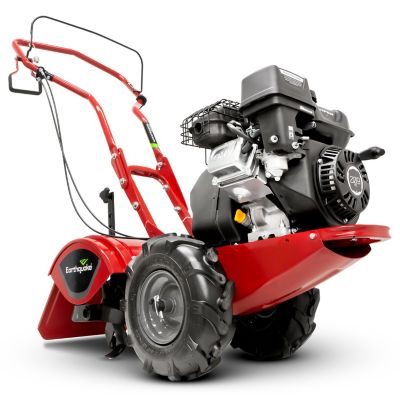
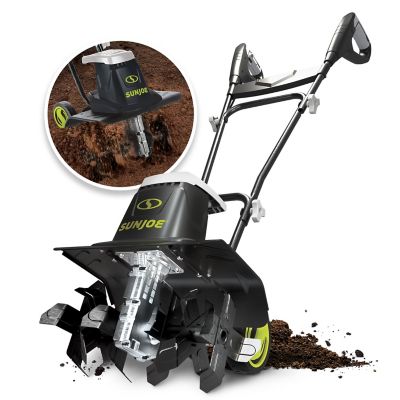
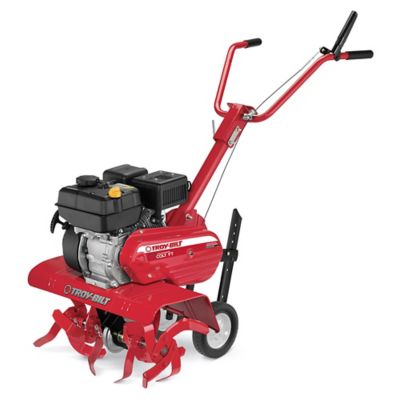
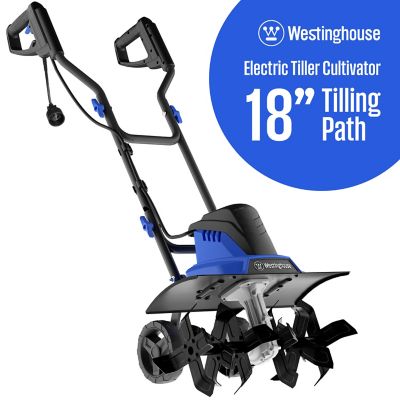
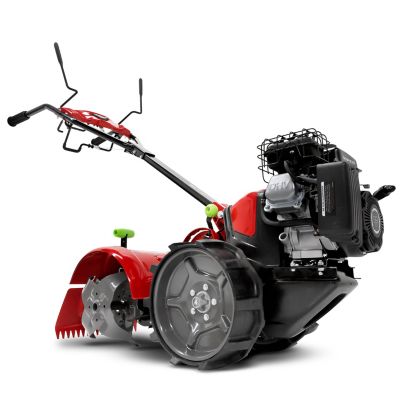
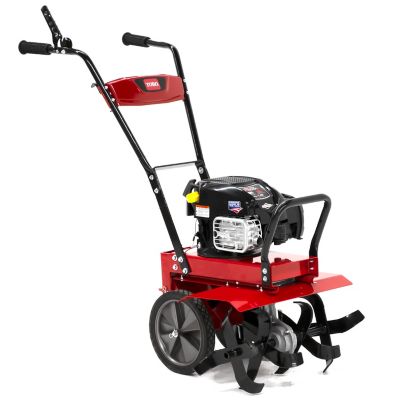
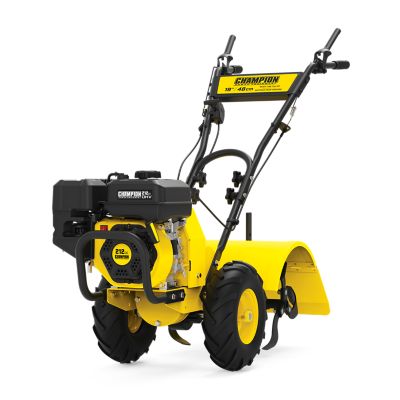
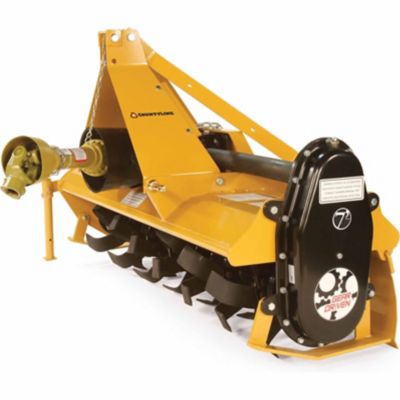
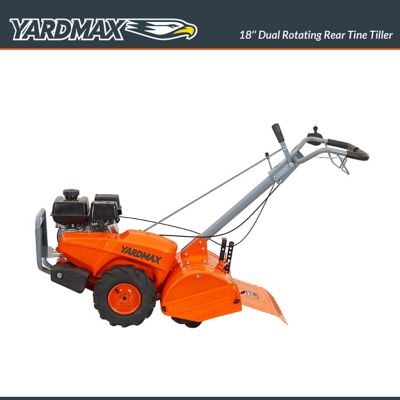
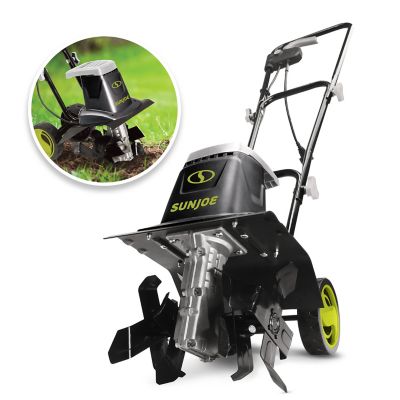
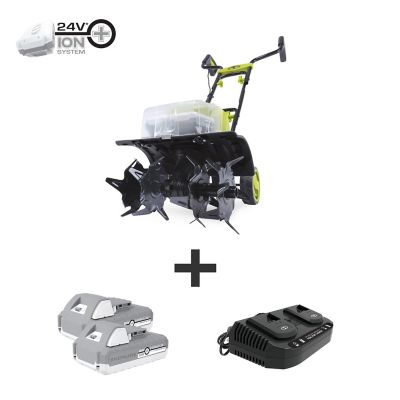
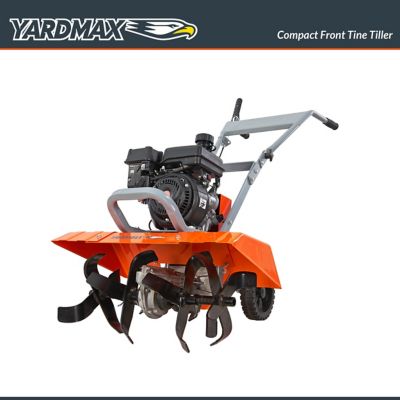
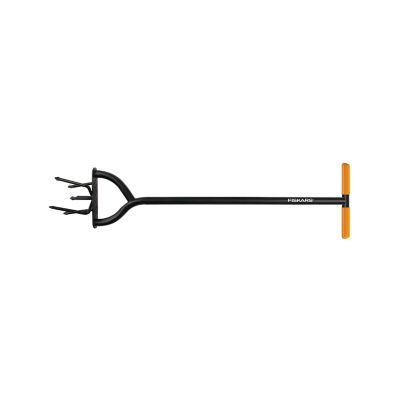
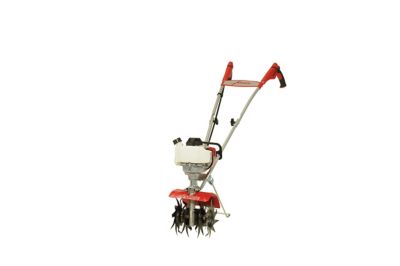
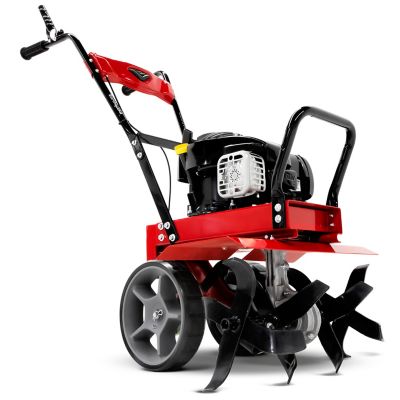
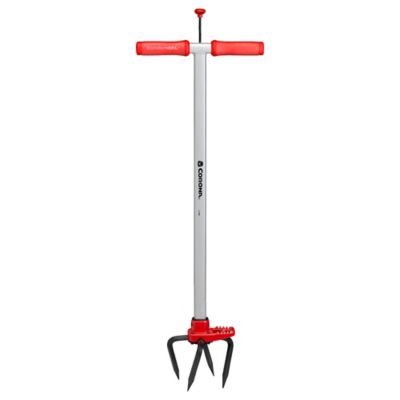
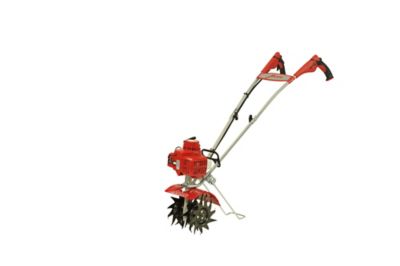
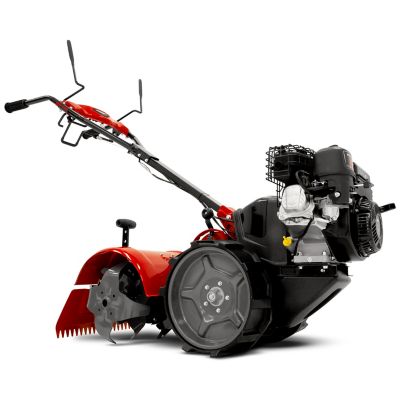
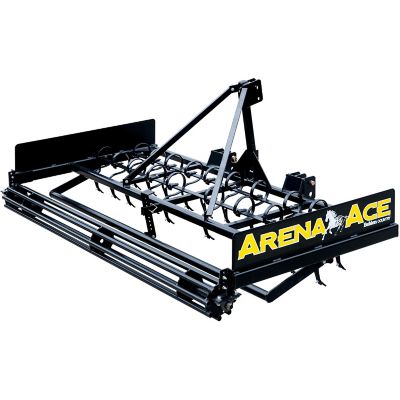
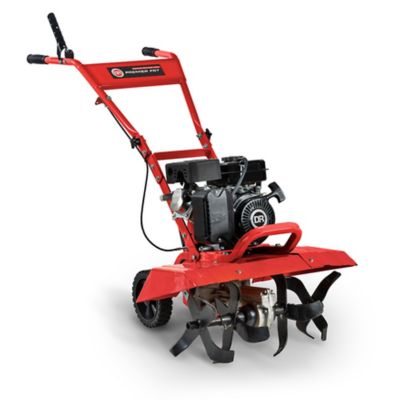
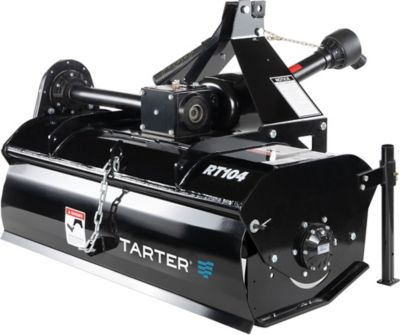
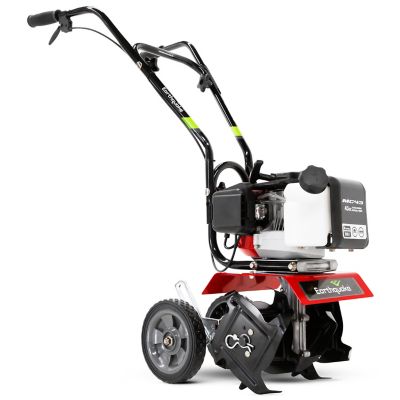
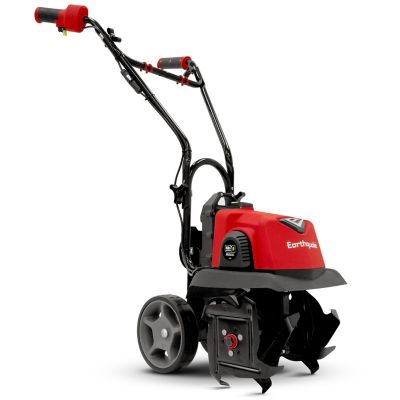
Soil tillers are powered garden machines that turn rotating tines through the ground to loosen soil, break apart clods, and mix in amendments before planting. They can take much of the strain out of preparing a vegetable patch, opening a flower bed, or working compost into an established garden. The right fit depends on the ground as much as the size of the job. A small bed that has been worked for years calls for a different machine than a broad patch of packed earth beside the barn. Front-tine tillers have their tines ahead of the wheels and generally suit smaller to medium garden plots, especially where the soil is already workable. Their layout can make them easier to maneuver around bed ends, though controlling them still takes effort when the tines meet firm ground. Rear-tine tillers place the tines behind the wheels and commonly have powered wheels to help move the machine forward. Their weight, traction, and tine action can make them a better match for larger plots and tougher soil, within the machine’s stated capabilities. Compact cultivators handle lighter work, such as stirring loose soil, blending amendments, and working between widely spaced rows. They are not a straight substitute for a full-size tiller on unbroken ground. Gas, corded electric, and battery-powered options each bring different considerations. Gas equipment can work away from an outlet but brings engine care and fuel storage into the picture. Corded electric machines need a suitable outdoor-rated extension cord and a work area where that cord can stay clear of the tines. Battery-powered equipment avoids a trailing cord, while working time depends on battery capacity, soil resistance, and how deeply the machine is working. For a backyard grower, a small-acreage gardener, or someone expanding a kitchen garden, these differences matter more than choosing the biggest machine that will fit through the gate. A manageable tiller that suits the ground can be a better working partner than one that is awkward to turn, transport, or store.
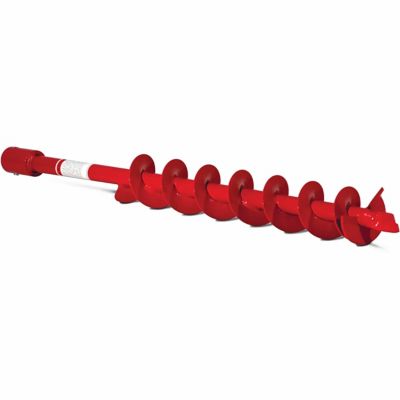
Working width and tilling depth help determine how a soil tiller fits the garden. A wider swath can cut down on passes across an open plot, while a narrower machine may fit better between beds or through a tight garden entrance. Adjustable tine configurations, where offered, add flexibility, but the machine’s overall width still matters around gates, paths, and storage doors. Depth settings help control how far the tines reach; the deepest setting is not automatically the right setting for every task. Mixing compost into an established bed is different from breaking ground for the first time, and repeated deep tilling can disturb soil structure and bring buried weed seeds toward the surface. Soil texture and moisture also affect the work. Heavy clay, loose sand, and dark garden loam respond differently to the same machine. Soil that is wet enough to smear or stick heavily to the tines is not ready for tilling, while extremely dry, hard ground can be difficult to work and create dust. Large rocks, wire, roots, and buried debris are obstacles, not a test of a tiller’s strength. They can damage tines or cause sudden movement. Steel tines, sturdy mounting points, protective shields, and a well-supported frame are worth considering for repeated ground contact, along with access to replacement wear parts. Handle shape, grip position, balance, and adjustable handle height affect how the machine feels over a full bed. A depth stake can help regulate forward movement and working depth, while wheel design influences transport and traction. Reverse, on machines equipped with it, can help with repositioning, but still calls for clear footing and space behind the operator. Engine size alone does not tell the whole story; gearing, machine weight, tine design, and working width all contribute to performance. For individual planting holes rather than a whole stretch of bed,
Soil Drills offer a different approach, with auger-style tools that bore into the ground instead of turning a broad swath.
A tiller also needs to fit the person running it and the routine that comes with keeping powered equipment. There is a real difference between rolling a compact cultivator out of a shed for a short bed and moving a heavier rear-tine machine across a property. Storage space, transport wheels, handle-folding features, and loading requirements deserve a place alongside power and tine width when comparing equipment. Controls should be easy to reach without an awkward grip, and the operator needs enough room to turn without crowding a fence or stepping into an adjacent planting bed. Established tree roots, irrigation lines, buried utilities, and nearby plants all put limits on where tilling makes sense. Protective footwear, eye protection, and any hearing protection specified by the manufacturer belong with the job, and children and animals need to stay clear of the work area. Care is generally straightforward, but it varies by power source and design. Soil and tangled plant material need to be cleared from the tines only after shutdown and isolation from the power source as directed in the manual. Gas engines may need oil checks, air-filter service, and fuel-system attention; electric machines still need inspection of cords, switches, guards, and moving parts. Worn or bent tines can affect how evenly a machine works, and loose fasteners deserve attention before another run through the garden. Cleaning methods should suit the equipment, since electrical parts, bearings, and engine components do not all tolerate a hard blast of water. A clean, dry storage spot helps protect metal surfaces, while battery storage and charging should follow the battery maker’s directions. For gardeners who regularly prepare planting beds, that care supports consistent performance from one project to the next. Whether the job is loosening an established vegetable plot or preparing room for another row, a well-matched soil tiller brings the work down to a manageable scale without asking a light cultivator to do a heavy tiller’s job.