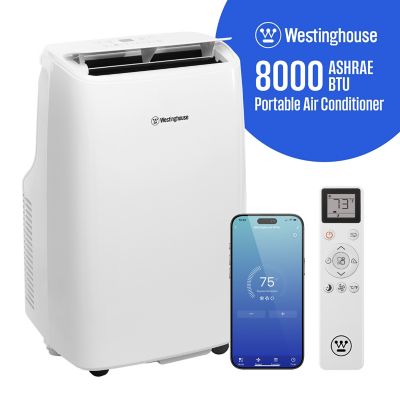
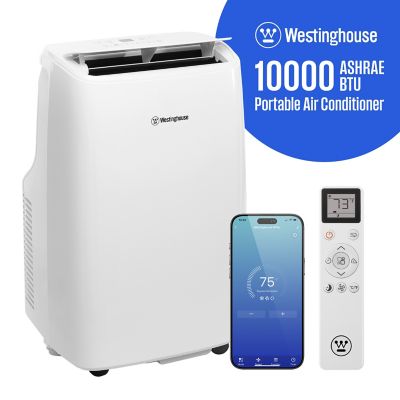
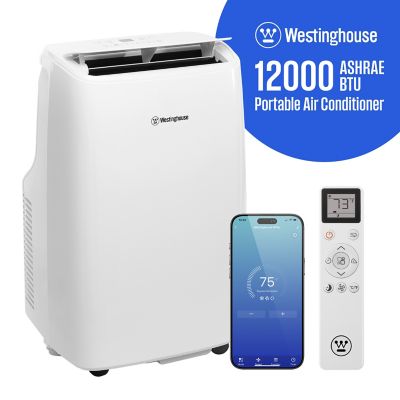
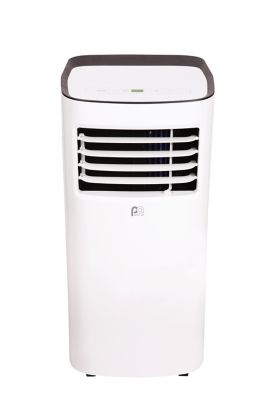
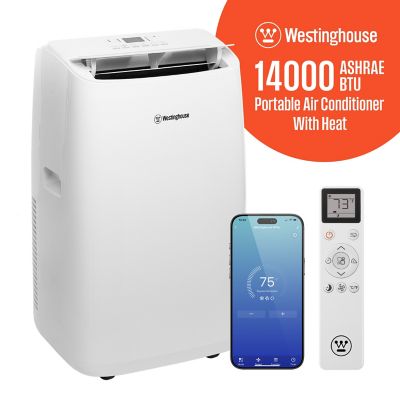
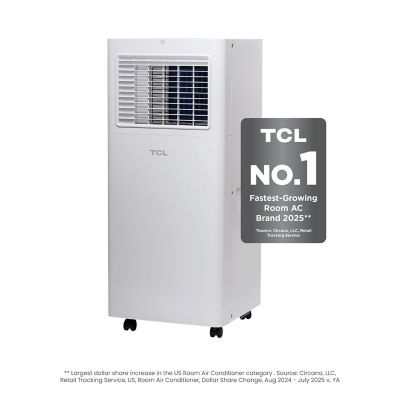
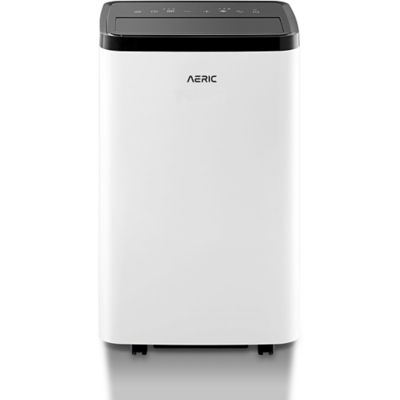
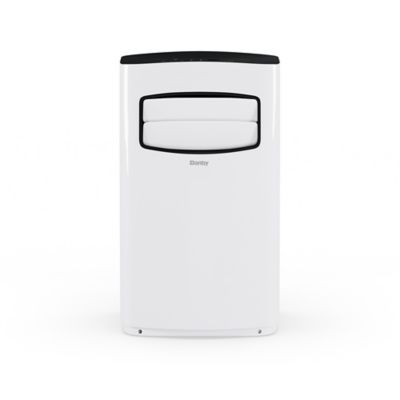
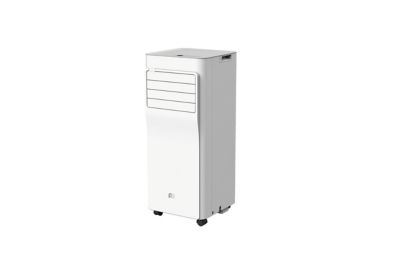
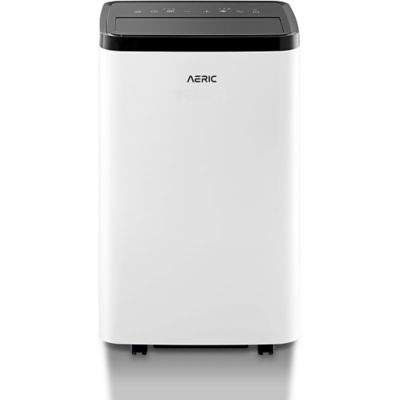
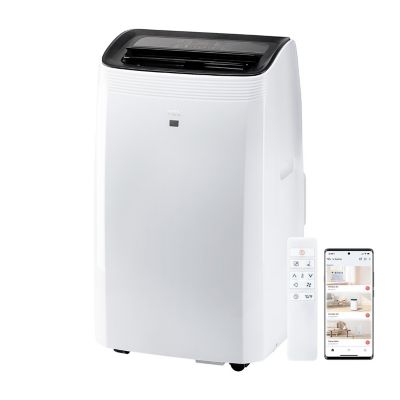
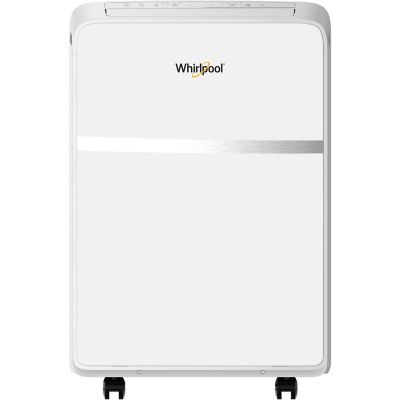
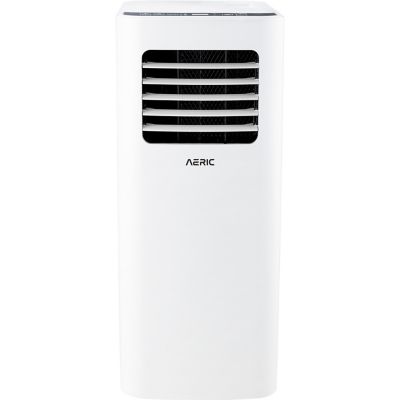
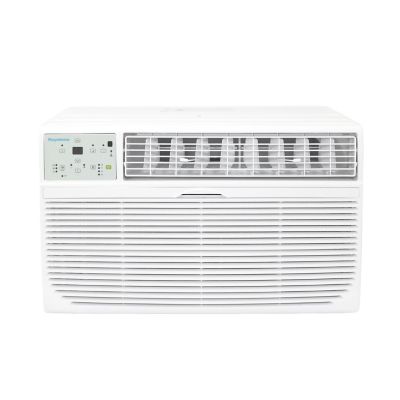
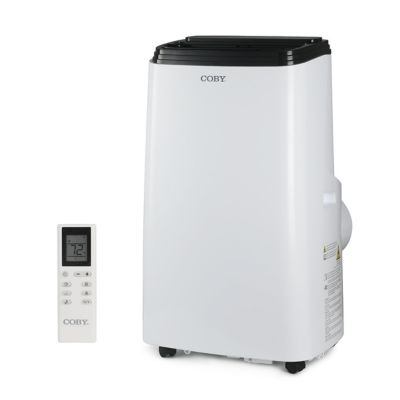
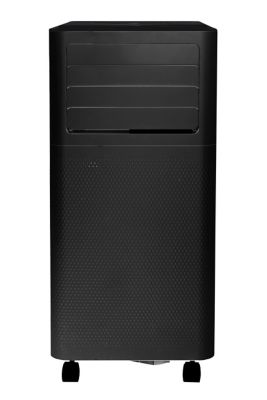
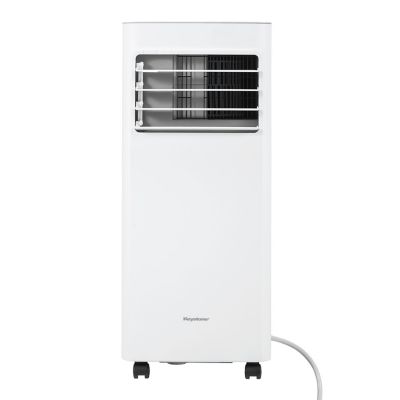
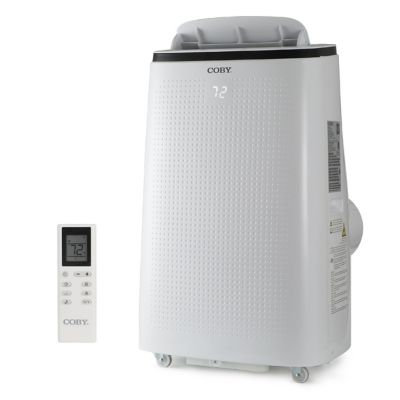
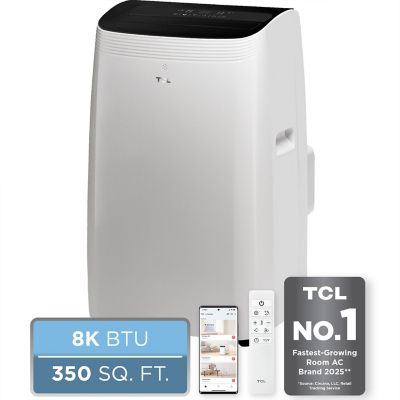
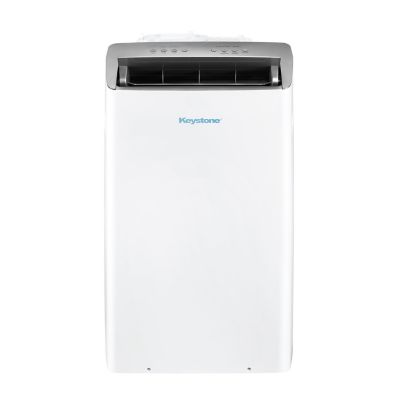
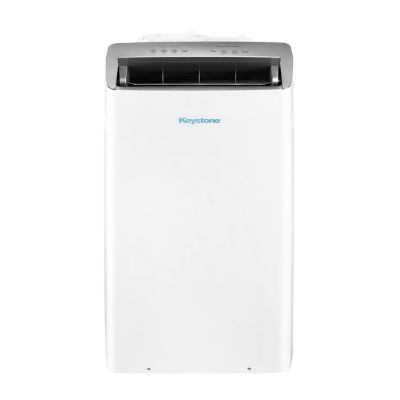
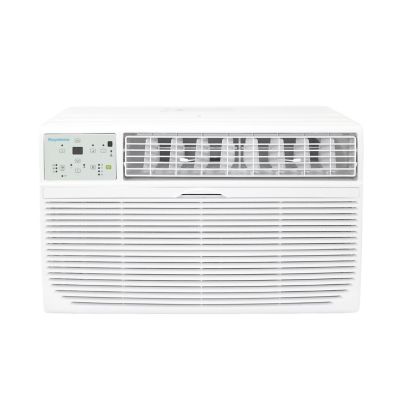
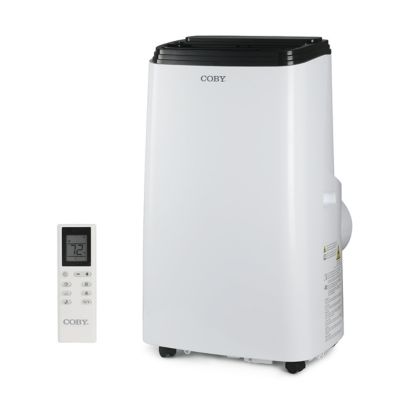
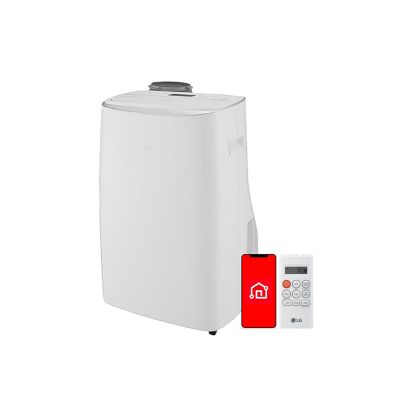
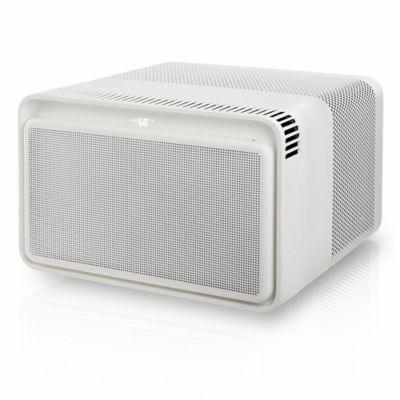
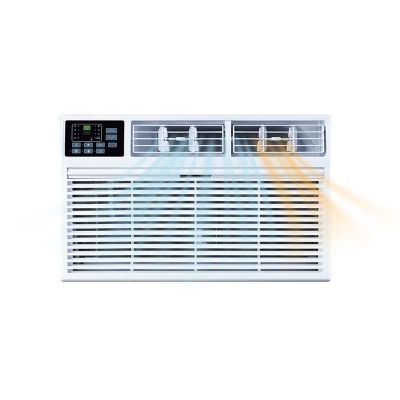
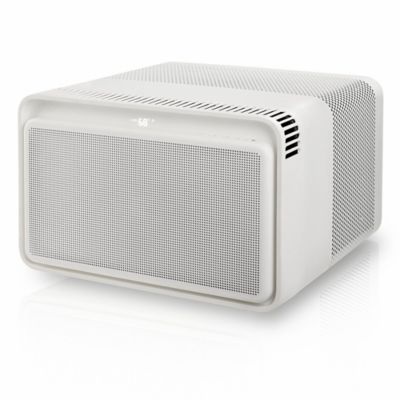
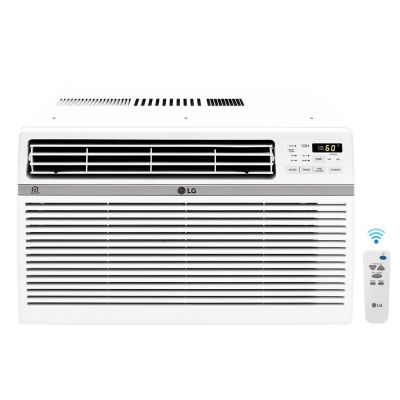
Room to room air conditioners can help bring more even comfort to homes, workshops, guest rooms, offices and other spaces where one central system does not quite reach. In many cases, this term refers to a portable air conditioner that can be rolled from one room to another on caster wheels. These units typically use a flexible exhaust hose and a window kit to send warm air outdoors, making them a practical choice for rooms without ductwork or for homes where only one area needs extra cooling. Handles and wheels make it easier to move the unit between a bedroom, living room, home office or enclosed porch as the day goes on. A portable air conditioner may also remove some moisture from the air, which can make a room feel more comfortable during muggy weather. For homes with a cooling system already running in one room, a through-the-wall air transfer fan offers another way to improve airflow. Installed between adjacent rooms, a transfer fan can pull cooler air from a conditioned space and push it toward a warmer, stagnant area. This setup may work well in older homes, finished outbuildings, bonus rooms or additions where extending ductwork is not practical. The best choice depends on the layout of the home, whether a suitable window is available, how often the unit will be moved and whether the goal is to cool one room directly or share air between rooms. For a broader selection of cooling options, browse
Room Cooling Air Conditioners.
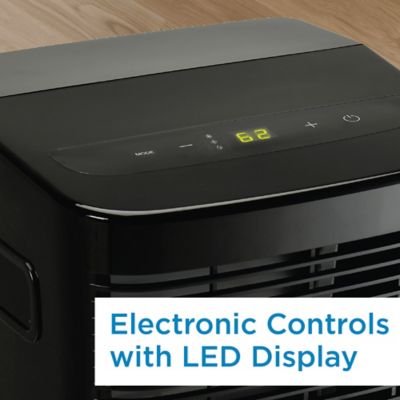
Matching the air conditioner's cooling capacity to the room is one of the most important steps in choosing the right fit. Start by measuring the length and width of the space, then multiply those numbers to estimate square footage. As a general starting point, a medium room measuring about 250 to 500 square feet may call for roughly 7,000 to 10,000 BTUs, while a larger area up to about 700 square feet may need around 14,000 BTUs under the applicable ASHRAE rating. These figures are only a starting point because ceiling height, insulation, window size, direct sunlight and the number of people or heat-producing appliances in the room can change the cooling load. A sunny upstairs room with a vaulted ceiling may need more capacity than a shaded, well-insulated room with the same floor area. A kitchen, workshop or enclosed porch can also run warmer than a quiet bedroom. Check the product's listed rating system and compare units consistently, since portable air conditioners may show both an ASHRAE BTU rating and a lower DOE or SACC rating. Oversizing is not always better; a unit that cools the air too quickly without removing enough humidity can leave the room feeling damp, while an undersized unit may run constantly without reaching a comfortable temperature. Look for controls that are easy to use, along with adjustable fan speeds, programmable timers and thermostat settings that suit the way the room is used. If nighttime comfort matters, pay attention to noise levels and sleep settings. For portable units, confirm that the window kit fits the window style and that the exhaust hose can reach an outdoor opening without sharp bends. Keep the unit on a level surface with space around the air intake and discharge, and follow the instructions for emptying or routing condensate. A nearby grounded outlet is helpful, but avoid extension cords unless the manufacturer specifically allows them and the cord is rated for the unit's electrical demand.
These cooling solutions are useful for more than the hottest part of the year. During the warmer stretches, a portable unit can follow the household's routine, cooling a bedroom before bedtime, moving to a work area during the day or helping take the edge off a room used for visitors. A transfer fan can improve the feel of a back bedroom, nursery or converted attic by moving air from a nearby conditioned room instead of relying on an open door and a box fan. In a rural home, the same flexibility can be handy when a detached workspace, mudroom or enclosed porch has a different temperature than the rest of the house. Before choosing an in-wall fan, check the wall construction, available electrical service and installation requirements, and make sure the two connected spaces are suitable for air movement. Portable air conditioners are often a thoughtful housewarming gift or a practical choice for a student, renter, older family member or anyone setting up a home office in a room that tends to run warm. They can also be useful for guest rooms, seasonal cabins and households that want comfort in one occupied space without cooling the entire home. During the cooler months, many people store portable units after cleaning the filter, draining any remaining water and securing the hose and window kit in a dry place. A clean filter helps maintain airflow when the unit is in use, while keeping vents clear of curtains, furniture, bedding and stored items supports more dependable operation. Consider the unit's weight, storage footprint, warranty information and ease of setup along with its cooling capacity. When the size and style match the room, room to room air conditioners can offer a straightforward way to make uneven temperatures more manageable, whether the need is a little extra comfort in one corner of the house or a better flow of conditioned air from one space to the next.