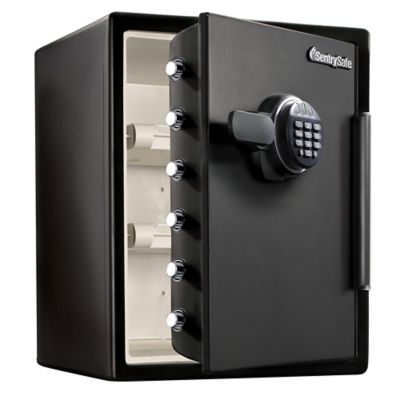
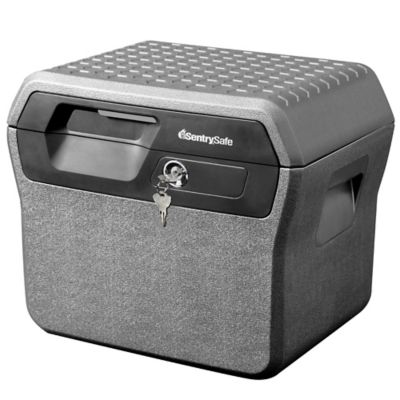
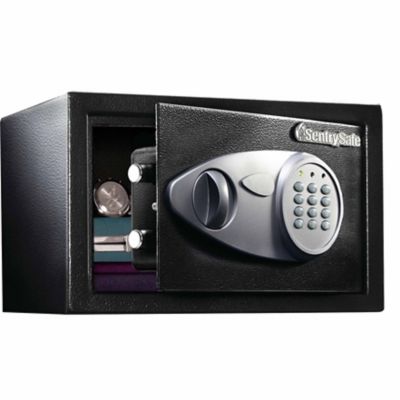
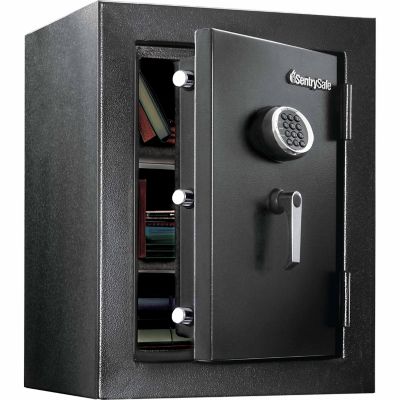
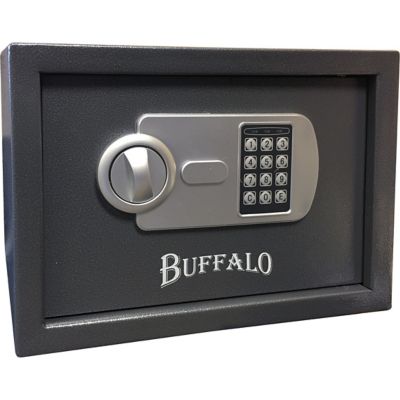
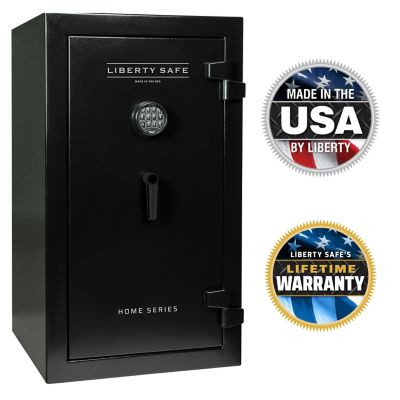
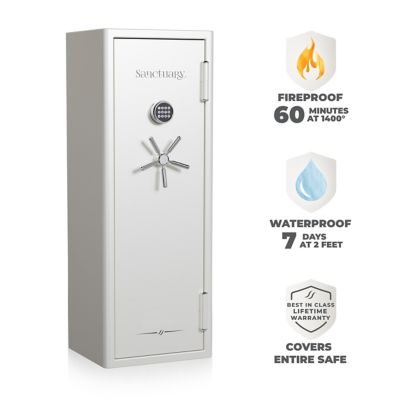
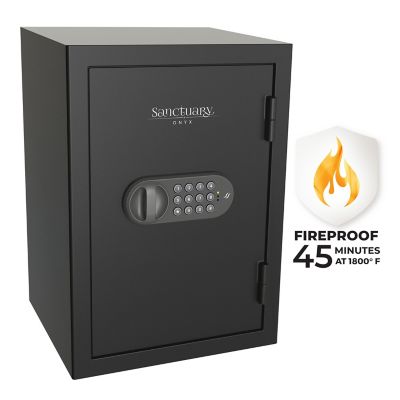
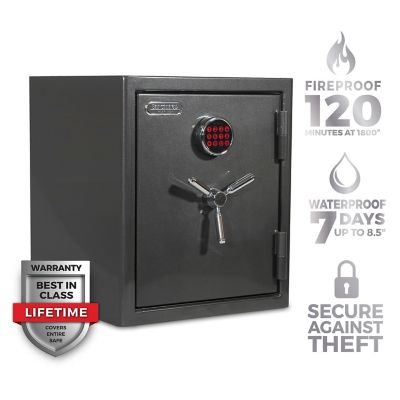
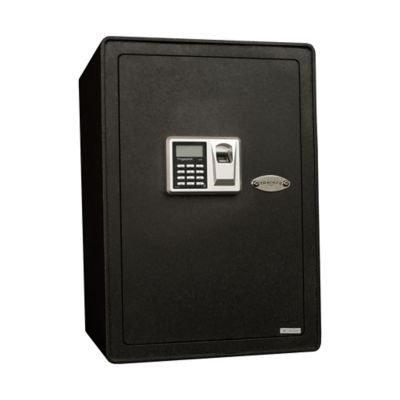
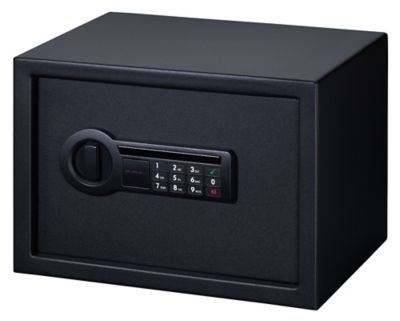
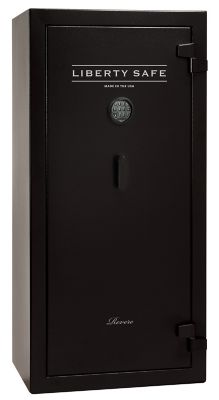
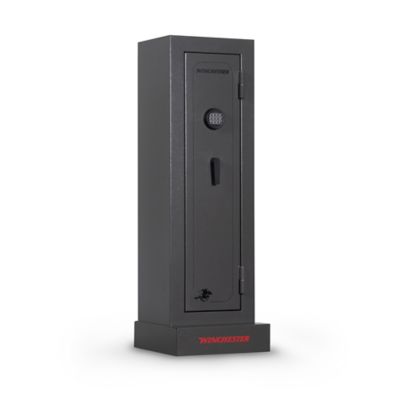
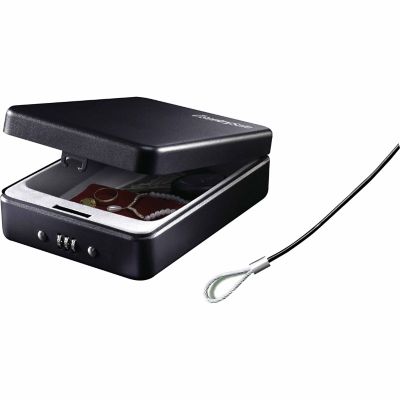
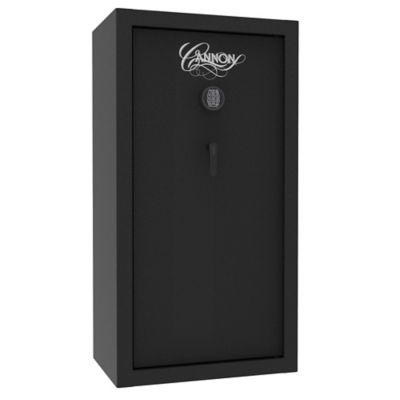
Home safes give important paperwork, spare keys, cash, and small valuables a dedicated place behind a lock. For a household on a few acres, that might mean keeping property deeds, equipment titles, insurance records, and family keepsakes together instead of scattered through desk drawers. For someone settling into a first home, a safe can help establish a secure spot for passports, birth certificates, and other documents that take time to replace. The right home safe depends on what needs protecting and whether the main concern is unauthorized access, fire exposure, water damage, or a combination of those risks. Those protections are separate features, so a sturdy steel cabinet should not be assumed to provide fire or water protection unless its specifications say so. Steel construction is common, but the body thickness, door design, locking hardware, and reinforcement around the lock all affect how a safe stands up to attempted entry. When comparing steel of the same type, a lower gauge number generally means thicker material. Gauge alone does not tell the whole story, though: door gaps, bolt engagement, and protection against drilling or prying matter, too. Substantial locking bolts help secure the door, while reinforcement around vulnerable areas can make forced entry more difficult. Weight can make a safe harder to move, but it is not a substitute for a tested burglary rating or proper anchoring. Some heavy safes owe part of their weight to fire-resistant insulation rather than thicker steel. Independent burglary ratings describe resistance under defined test conditions, giving a clearer comparison than broad claims about strength. A small locking box may help discourage casual access, while a more substantial, properly installed safe serves a different security role. Neither should be treated as a guarantee against theft. Home safes work best as part of a broader approach that includes sound door locks, controlled access to keys and combinations, and sensible placement away from plain view.
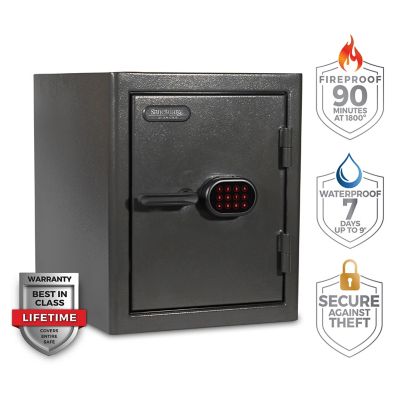
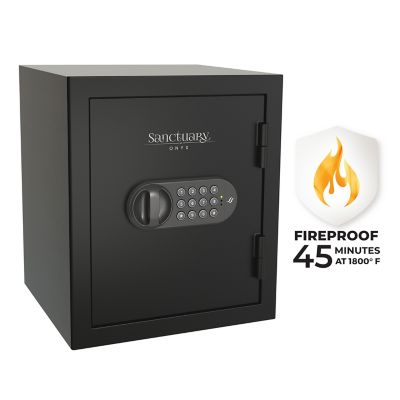
Fire-resistant home safes are built to limit heat reaching the contents for a stated period under specific test conditions. Many incorporate insulating material between the inner and outer walls, adding thickness that can reduce usable space inside. A fire rating should identify both the duration of protection and the temperature limits involved; a time claim by itself leaves out important information. For example, a UL Class 350 classification concerns an interior temperature limit of 350°F during the applicable test and is intended for paper records. That number is not the outside fire temperature, nor does it mean every belonging inside will escape damage. Electronic media and other heat-sensitive contents may need a different protection class, and any safe’s performance depends on the conditions it faces. Fire resistance and burglary resistance also measure different things, so neither rating stands in for the other. Water protection deserves the same close look. A water-resistant seal may address splashing or a specified depth and duration of exposure, but it does not establish unlimited protection against submersion. A safe near plumbing or in a basement has different exposure concerns than one in an upstairs closet, especially when a broken pipe could leave water standing on the floor. Test details help clarify what protection is claimed and whether mounting holes need sealing as part of installation. Inside, shelves, document trays, and removable organizers make everyday belongings easier to separate without stacking everything into one pile. Flat storage is helpful for certificates and legal-size paperwork, while a padded compartment can keep jewelry from rubbing against harder objects. Sealed interiors can also trap moisture, particularly when damp contents are put away. Papers should be dry before storage, and any desiccant or other moisture-control accessory should be suitable for the safe and maintained according to its directions. Keeping protected copies of essential records elsewhere adds another layer of preparation if the originals become inaccessible.
Size, placement, and lock style shape how well a home safe fits everyday life. Exterior measurements determine whether the cabinet clears a doorway or fits beneath a shelf, while interior measurements determine whether a document folder, keepsake box, or binder actually fits. Hinges, handles, keypad housings, and the swing of the door can require more clearance than the cabinet dimensions suggest. A little open space around the contents makes it easier to retrieve a passport without unloading everything else. For a closet shelf, bedside cabinet, or another tight spot,
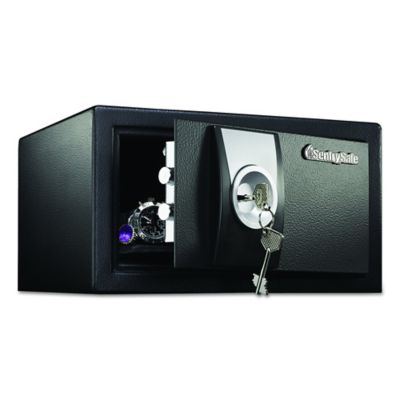
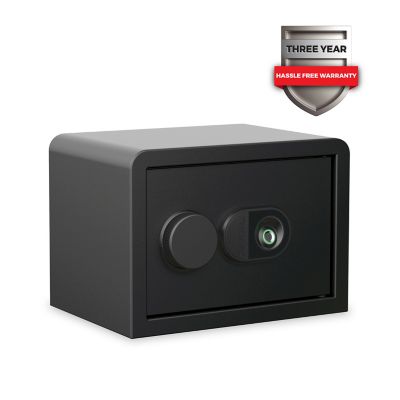
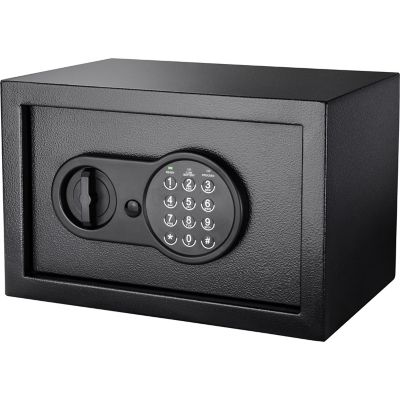
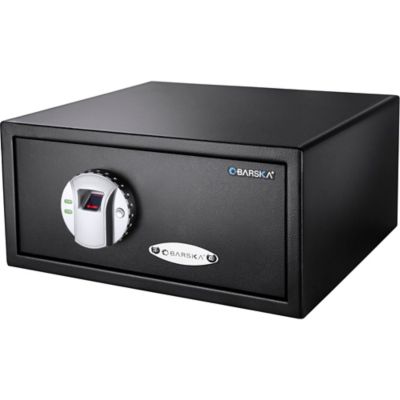
Compact Safes can suit smaller storage needs when their protection features match the belongings inside. A keyed lock keeps operation straightforward, though the spare key needs a separate secure location. Mechanical combination locks avoid battery changes, while electronic keypads offer code entry and may include features such as temporary lockouts after repeated unsuccessful attempts. Fingerprint readers provide another access method, with performance depending on the reader, finger placement, and the condition of the user’s hands. Backup access arrangements vary, making battery location and replacement procedures worth understanding before installation. Placement also needs to account for the safe’s weight, the strength of the supporting surface, and access for authorized household members. Anchoring can help prevent someone from carrying the entire safe away, but the hardware and attachment points must match the manufacturer’s directions and the building material. A floor-mounted safe may require suitable concrete anchors or attachment to structural framing; drywall alone is not a sound anchoring surface. Manufacturer-approved installation matters because drilling extra holes can compromise protective features. Large cabinets may also call for professional moving or installation to protect floors and avoid injury. Routine care is usually straightforward: keep the keypad and exterior clean with an appropriate soft cloth, inspect seals and locking parts, and replace batteries as directed. Lubricants and cleaning chemicals belong only where the manufacturer permits them. With thoughtful sizing, suitable protection ratings, and proper installation, a home safe can keep essential belongings organized and access limited without making everyday paperwork a chore.