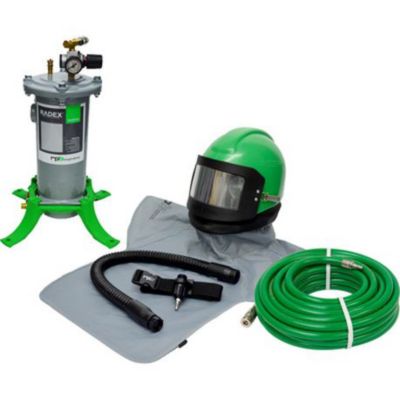
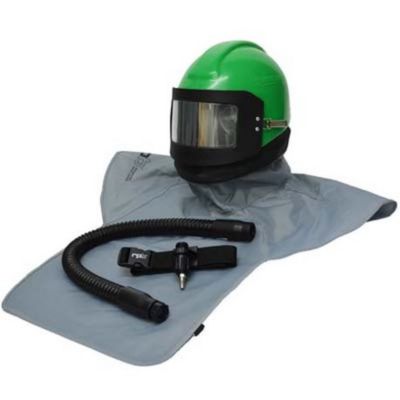
Respirators for asbestos removal are specialized respiratory protection for trained workers facing a serious airborne hazard, not ordinary dust masks for a dirty afternoon job. Asbestos fibers can become airborne when asbestos-containing materials are disturbed, and breathing them can cause lasting lung damage and cancer. Older farmhouses, outbuildings, workshops, and commercial buildings may contain asbestos in insulation, flooring, siding, roofing, or other building materials. A material’s appearance cannot confirm whether it contains asbestos; assessment and sampling belong with qualified professionals. For asbestos work, respirator selection starts with the exposure assessment, applicable OSHA requirements, and the employer’s respiratory protection program. A NIOSH-approved reusable half-face or full-face air-purifying respirator with the appropriate high-efficiency particulate filters may be suitable for certain assessed conditions, while other work calls for powered air-purifying or supplied-air equipment. P100 filters have a minimum filtration efficiency of 99.97% under NIOSH test conditions. That rating describes filter performance, not a guarantee that the complete respirator will prevent exposure. Face seal, equipment condition, airborne fiber concentration, and work practices all matter. N95 filtering facepieces, loose face coverings, and ordinary nuisance-dust masks are not appropriate respiratory protection for asbestos removal. An organic vapor cartridge alone does not filter asbestos fibers, either; a combination cartridge needs the required particulate filtration and approval for the respirator assembly. For abatement crews, industrial maintenance teams, and contractors working under an asbestos safety program, these distinctions help separate general shop protection from equipment intended for a regulated job. A short task is not automatically a low-exposure task, and a room that looks clear may still contain airborne fibers. Respirators are one part of a larger protection plan that includes containment, exposure controls, protective clothing, and managed decontamination. Property owners who uncover suspicious insulation behind a wall or brittle flooring beneath a newer surface should leave it undisturbed and arrange professional assessment rather than treat a respirator purchase as permission to start removal.
The main differences among asbestos respirators come down to facepiece coverage, assigned protection factor, breathing system, and compatibility with the rest of the work gear. A tight-fitting half-face air-purifying respirator covers the nose and mouth and generally has an OSHA assigned protection factor of 10 within an effective respiratory protection program. A tight-fitting full-face air-purifying respirator generally has an assigned protection factor of 50 when the required quantitative fit testing and program conditions are met. Those numbers are not filter percentages, and a full-face design is not automatically sufficient for every asbestos job. The assessed exposure and applicable work requirements determine the level of protection needed.
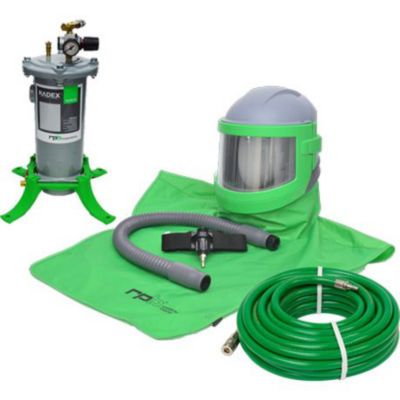
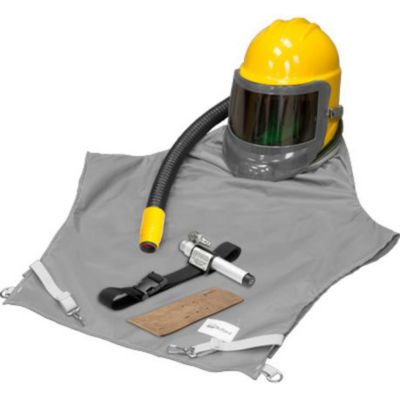
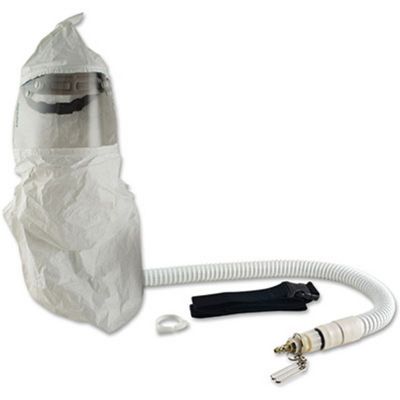
Full Face Respirators combine respiratory coverage with a lens that shields the eyes, although any separate impact or splash protection requirements still need attention. Across reusable facepieces, silicone and other elastomeric sealing surfaces provide flexible contact with the face, while adjustable harnesses help hold the assembly in position. Lens shape, facepiece size, valve design, and cartridge placement can affect visibility, communication, and comfort during a long stretch of work. Picture a worker checking overhead pipe runs or reading a tool marking in a dim utility room: a clear sightline and a stable harness matter without replacing the need for a verified fit. Tight-fitting respirators require medical evaluation before fit testing or workplace wear, fit testing before initial use and at least annually, and a user seal check each time they are put on. Facial hair cannot cross the sealing surface or interfere with valve function. Prescription eyewear may require an approved spectacle insert rather than ordinary temple arms passing beneath the seal. Powered air-purifying respirators add a battery-powered blower, but their protection depends on the approved configuration, airflow, and fit requirements; a blower does not make leakage impossible. Air-purifying equipment does not supply oxygen and is not suitable for oxygen-deficient or immediately dangerous atmospheres. Professional selection matters more than choosing the largest facepiece or the most elaborate-looking assembly.
For crews comparing respiratory protection, everyday details deserve a close look alongside approval markings and protection ratings. Filters, cartridges, retainers, hoses, and facepieces must belong to a manufacturer-approved assembly; parts that appear to connect are not necessarily approved together. Model identification and clear filter markings make it easier for a respiratory protection administrator to confirm compatibility and keep equipment records straight. A well-fitting respirator also needs to work with coveralls, hoods, hard hats, hearing protection, and any other required gear without shifting the seal. In cooler weather, moving between a chilly work area and warmer spaces can make lens condensation and moisture management more noticeable. Approved lens-care options and manufacturer instructions matter here, since unapproved coatings or alterations can damage components or affect performance. Repeated wear puts strain on harness attachment points, sealing edges, valves, and lens surfaces, so resistance to cracking, flexibility, and access to approved replacement parts are practical considerations for long-term service. Cracked rubber, stretched straps, missing valves, or a scratched lens can turn familiar equipment into a poor choice for the next shift. Care after asbestos work is not the same as wiping down a pair of shop goggles. Contaminated respirators and filters must remain within the job’s established decontamination and waste-handling procedures rather than travel loose in a truck cab, tool bag, or home laundry area. Reusable components need cleaning, inspection, drying, and storage according to manufacturer directions and the respiratory protection program. Particulate filters are not washable, and asbestos contamination cannot be judged by smell. Filter replacement follows the program and manufacturer requirements, including provisions for damage, contamination, or increased breathing resistance. Clean equipment belongs in protected storage away from sunlight, excessive heat, chemicals, and anything that could distort the face seal. Because fit and workplace approval are personal, respirators are better selected through a worker’s safety program than given as a surprise gift. The right match is equipment chosen for the assessed hazard, fitted to the person wearing it, and maintained for the demands of the work—not simply a mask that feels snug.