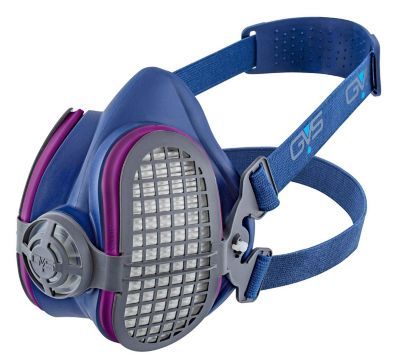
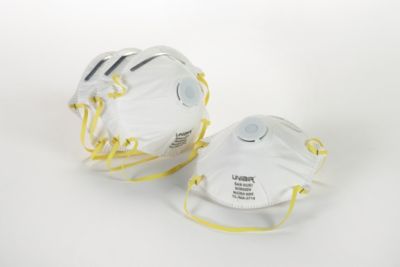
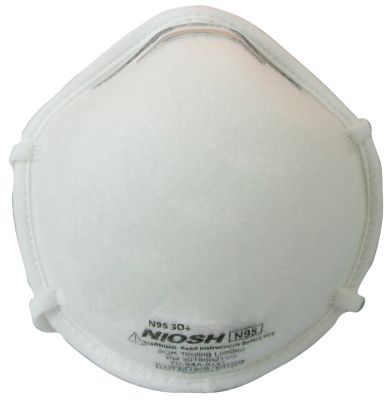
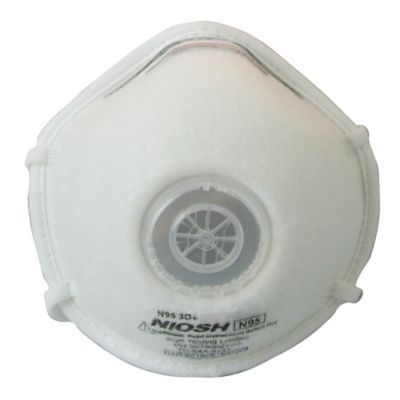
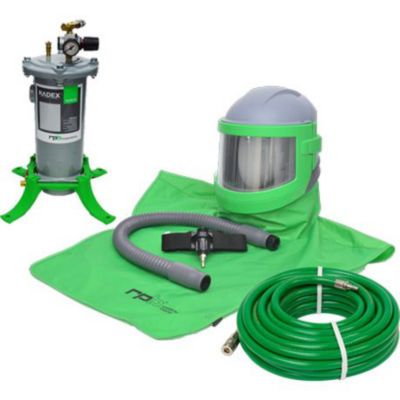
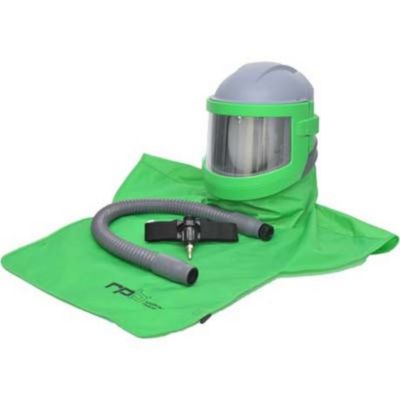
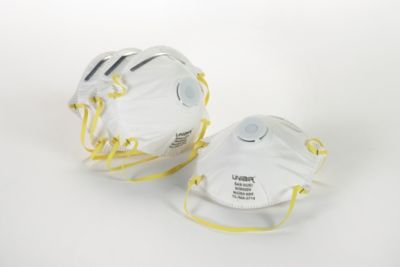
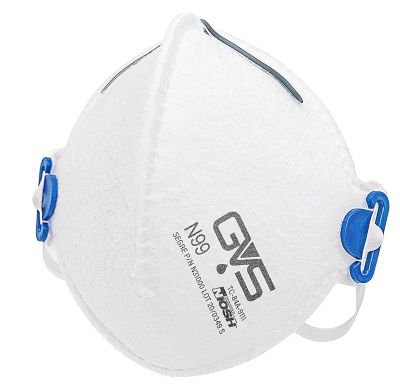
Respirators for mold remediation help reduce the amount of airborne mold, dust, and other particles you breathe while cleaning damp spaces, handling contaminated materials, or working around water-damaged buildings. Mold spores can become airborne when you scrub, scrape, sweep, cut drywall, pull up flooring, or disturb insulation, even when the visible growth looks small. A basic cloth or surgical mask is not designed to seal against the face or filter these fine particles, so look for a respirator that is clearly marked as NIOSH-approved. For a small, short cleanup involving a limited patch of mold, a properly fitted disposable N95 respirator may be suitable for many people. N95 filtering facepiece respirators are rated to filter at least 95% of airborne particles, but they do not protect the eyes and are not intended to filter gases or chemical vapors. They should be replaced if they become damp, dirty, damaged, or difficult to breathe through, and they should not be shared. A reusable respirator can be a practical choice for farm buildings, rental properties, workshops, crawl spaces, basements, and other places where cleanup work may come up more than once. Reusable options should be cleaned and stored according to the manufacturer’s instructions, with filters or cartridges replaced when they are clogged, damaged, or past their service life. Anyone handling a larger area of mold, tearing out porous materials, or working through a lengthy cleanup may want the added filtration and durability of
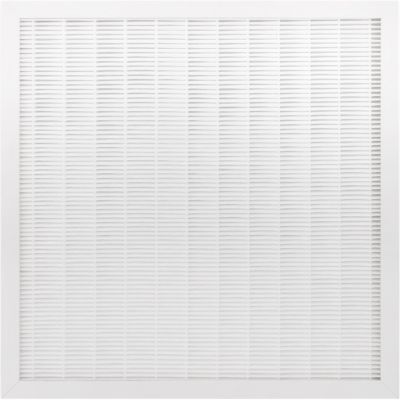
Reusable Half Mask Respirators. For extensive contamination, heavy remediation, or work that may continue for several hours, a half-mask or full-face respirator with properly matched P100 filters can provide stronger particle protection. P100 filters are rated to remove at least 99.97% of airborne particles, including mold spores, when used with a good seal and the right setup. A half-mask covers the nose and mouth, so safety goggles or a face shield are still needed to help keep spores and cleaning splashes out of your eyes. A full-face respirator covers the eyes as well as the nose and mouth, which can be helpful when working overhead, in tight spaces, or around visible mold growth that may release debris as it is disturbed.
The fit matters just as much as the filter rating. A respirator needs to sit snugly against clean, dry skin around the nose, cheeks, and chin so air passes through the filter instead of slipping around the edges. Beards, heavy stubble, long sideburns, and even some hairstyles can interfere with the seal, so facial hair should not cross the sealing surface. Check the straps, valves, lens, and facepiece for cracks, warping, or other damage before each use. Follow the user instructions for putting the respirator on, performing a seal check, changing filters, and cleaning reusable parts. In workplace settings, OSHA requirements may include a medical evaluation, fit testing, training, and a written respiratory protection program; homeowners should also read the instructions carefully and consider professional guidance when the job is more than a minor cleanup. Filter selection deserves close attention, too. P100 filters protect against particles, but they do not automatically protect against every odor, vapor, solvent, or chemical used during cleanup. If a job involves disinfectants, coatings, fuels, pesticides, or strong-smelling chemicals, choose cartridges specifically rated for those hazards and never assume that a charcoal layer alone covers every vapor. Some combination cartridges help reduce certain nuisance odors or organic vapors along with particulate filtration, but the label must match the substance and the work being done. Respirators also do not replace ventilation, moisture control, gloves, protective clothing, eye protection, or safe work practices. Fixing the leak, drying the area, and containing contaminated materials are still important parts of the job. Keep doors or windows open when appropriate, use plastic sheeting to limit spread, avoid dry sweeping, and bag or seal moldy debris before carrying it through clean areas. Anyone with asthma, allergies, a weakened immune system, or other breathing concerns should talk with a medical professional before taking on mold cleanup, and professional remediation is often the better choice when contamination is widespread or tied to sewage, flooding, or a hidden moisture problem.
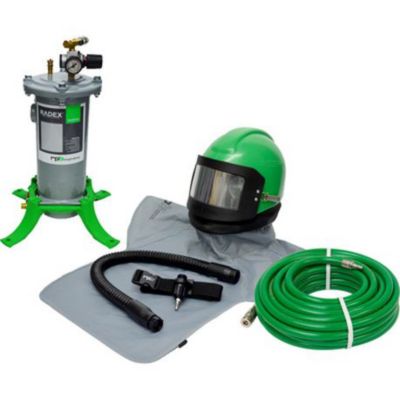
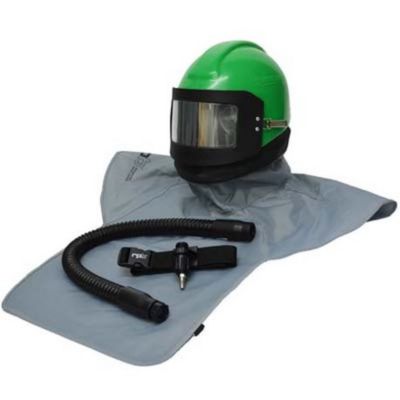
When comparing respirators for mold remediation, start with the size and condition of the area, the type of work involved, how long the task may take, and whether you need eye protection or protection from additional hazards. A disposable N95 can be convenient to keep in a toolbox, barn cabinet, utility room, or truck for a quick inspection or small spot cleanup. Choose one that fits the wearer’s face comfortably without pinching, slipping, or making breathing unnecessarily difficult. For repeated jobs, a reusable half-mask can offer a more secure, economical setup when cared for properly, while a full-face style may make sense for messy overhead work or situations where eye irritation is a concern. Respirators can also be a thoughtful, practical gift for a new homeowner, property manager, maintenance worker, contractor, or family member preparing an older house, shed, or workshop for the cooler months. They are especially useful alongside disposable coveralls, gloves, goggles, boot covers, plastic sheeting, moisture meters, and cleaning supplies, since a respirator is only one part of a complete protective setup. Keep spare filters sealed in a clean, dry place, away from dust, sunlight, moisture, and chemicals, and store a reusable facepiece in a way that keeps it from getting crushed or contaminated. Replace disposable respirators when they are wet, soiled, damaged, or hard to breathe through; replace reusable filters when they are loaded, damaged, or no longer performing as directed. If breathing becomes difficult, you smell or taste a contaminant, the respirator shifts out of place, or you feel dizzy or short of breath, leave the area and move to fresh air. Choosing the right respirator, wearing it correctly, and pairing it with sensible cleanup practices can make mold-related work more manageable around the home, farm, shop, or jobsite.