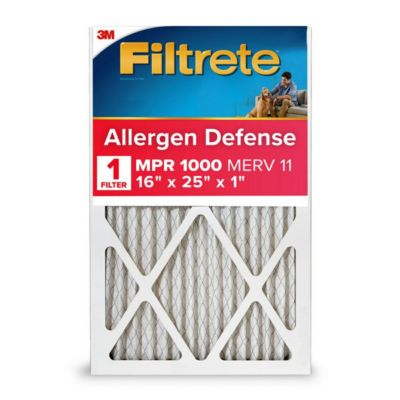
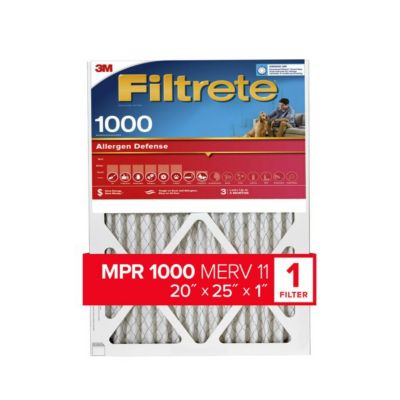
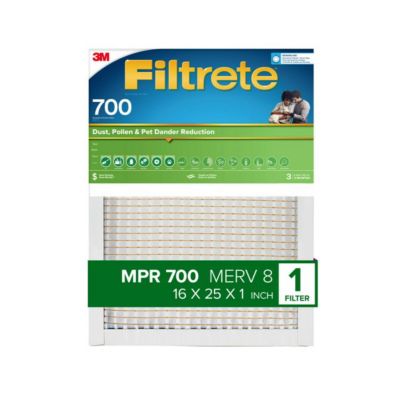
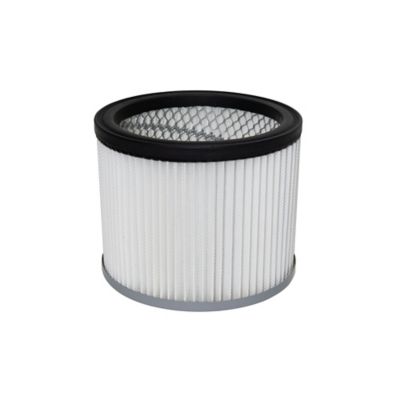
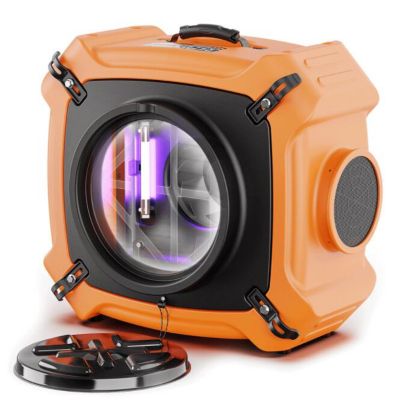
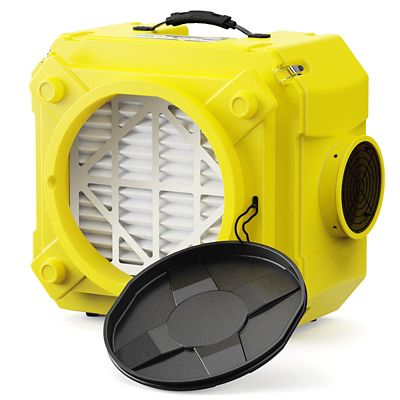
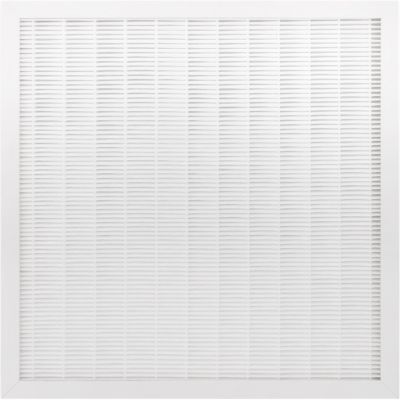
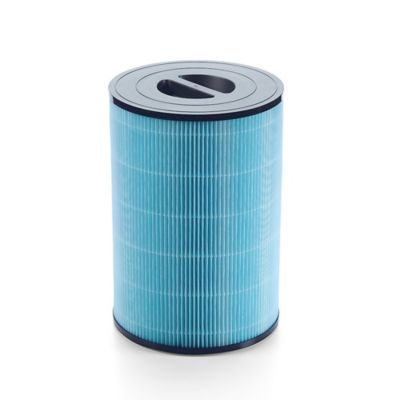
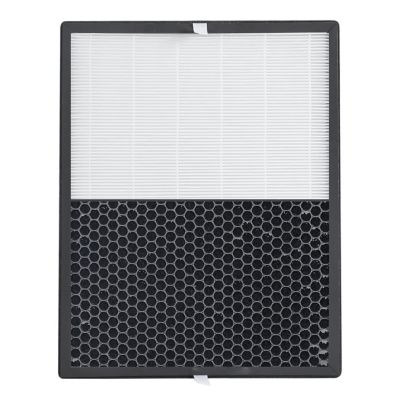
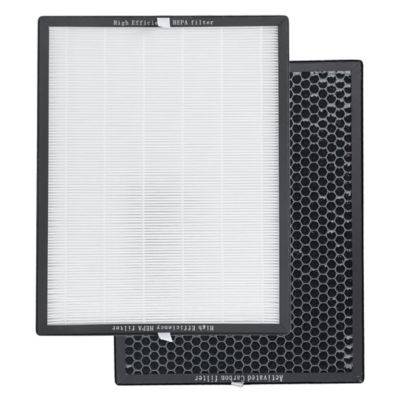
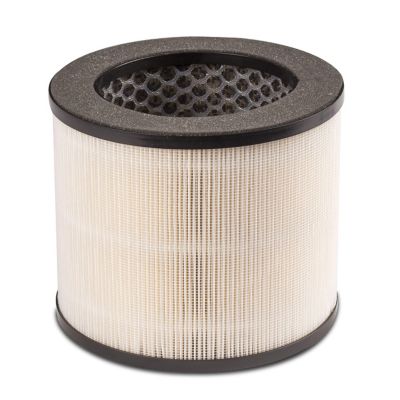
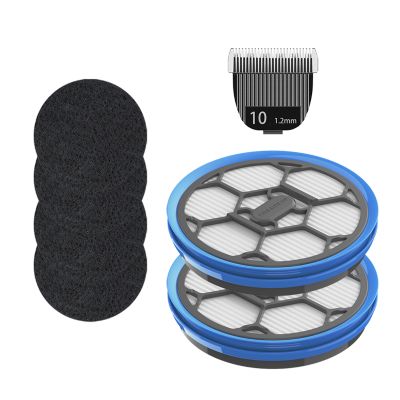
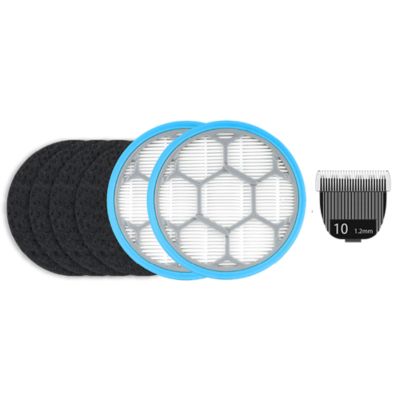
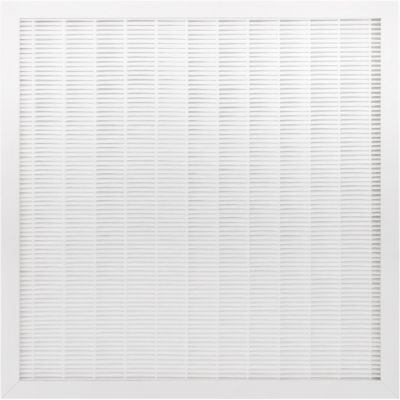
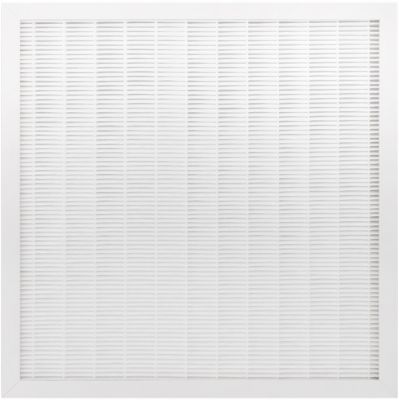
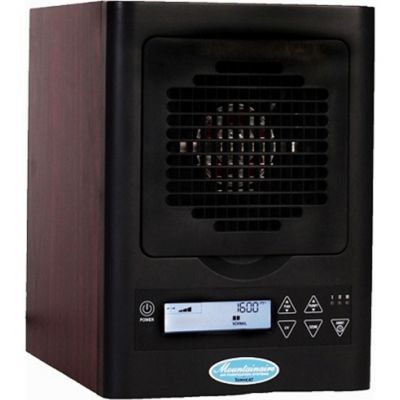
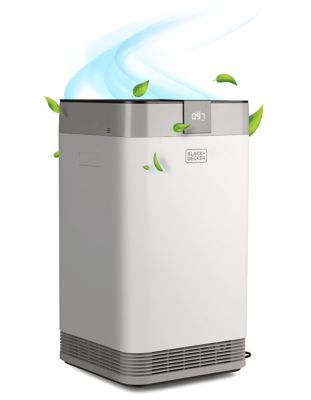
Replacement HEPA filters help keep an air cleaner working the way it should, especially in homes where dust, pet hair, pollen, smoke, or fine particles tend to build up. A clean filter gives air a clear path through the unit, while an overdue filter can become gray, packed with dust, and harder for the purifier to move air through. That matters in farmhouses, workshops, mudrooms, living rooms, bedrooms, and any space where boots, bedding, pets, and open doors bring outdoor mess inside. During the cooler months, when windows stay closed and the furnace or wood stove runs more often, an air cleaner may see plenty of use. Households with dogs or cats, allergy concerns, dusty projects, or frequent visitors may go through filters faster than a quiet guest room with light use. Replacement schedules vary by machine and conditions, but many HEPA filters are intended to be changed about every 6 to 12 months. Always check the air cleaner’s owner’s manual for the recommended interval, filter number, size, and airflow direction before placing an order. A filter that looks similar may still be too thick, too narrow, or missing the right seal for a particular unit. If you are shopping for a practical gift for a new homeowner, pet owner, college student, or family settling into a rural home, a correctly matched replacement filter can be a handy addition to a housewarming package—particularly when paired with an air cleaner such as those found among our
HEPA Air Cleaners.
Before changing a replacement HEPA filter, turn the air cleaner off and unplug it from the wall. This simple step keeps the unit from starting while the cover is open and gives you a safer, cleaner workspace. The filter compartment may be behind a back panel, under a bottom cover, or inside a side door, depending on the design. Open the compartment according to the manufacturer’s directions, then slide out the old filter slowly so loose dust does not spill across the floor. If the unit uses a separate carbon pre-filter, foam pre-filter, or washable screen, inspect that part as well. Some pre-filters can be cleaned and reused, while others are disposable, so follow the instructions for your specific air cleaner instead of rinsing every layer automatically. Place a heavily soiled filter in a bag before carrying it through the house, especially if it has collected a lot of pet hair, workshop dust, or fireplace residue. Remove all plastic wrapping from the new filter before installation. Look for airflow arrows, tabs, handles, or a foam gasket, and match them to the old filter or the diagram in the manual. The filter should slide in firmly without being forced, folded, or left crooked. A snug seal helps keep air moving through the filter media rather than around its edges. Once the replacement is seated, close and latch the compartment securely, plug the air cleaner back in, and use the filter-reset button if the unit has one. Reset procedures differ, but many models require holding the button for several seconds. A light that stays on after installation may simply need this reset, though the owner’s manual is the best place to confirm the correct process.
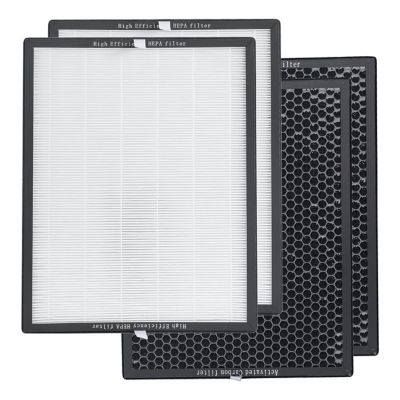
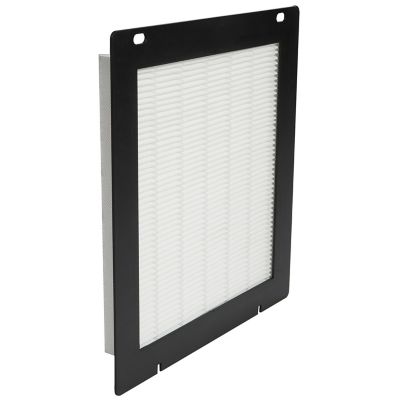
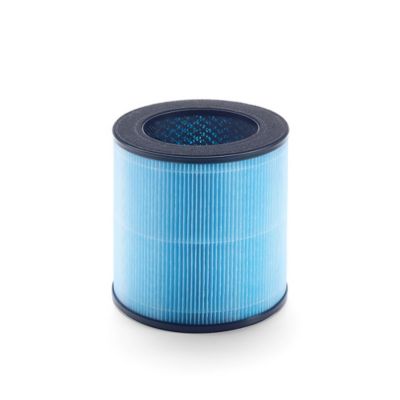
Choosing replacement HEPA filters is mostly about fit, construction, and the way the air cleaner is used in your home or outbuilding. Start with the exact model number, then compare the filter dimensions and any listed compatibility details. Pay attention to whether the filter is a single HEPA cartridge or a set that includes a pre-filter or odor-control layer. HEPA media is designed to capture very small airborne particles, while carbon layers are commonly used to help reduce certain household odors; these parts serve different jobs and should not be treated as interchangeable. A washable filter should only be washed when the manufacturer specifically says it is washable, since moisture can damage filter material or encourage unwanted buildup. Keep spare filters in their original sealed packaging until they are needed, stored in a dry spot away from fuel, fertilizer, livestock bedding, and heavy shop dust. It is also useful to write the installation date on the filter frame or set a reminder so a replacement does not slip your mind behind the chores of the season. Check the filter sooner if airflow seems weaker, the unit runs louder than usual, dust gathers quickly around vents, or a filter indicator comes on. Homes with shedding animals, renovation work, smoky air, or frequent door opening may need more frequent changes, while lightly used units may follow the longer end of the recommended range. With the right fit and regular attention, a replacement HEPA filter is a small maintenance item that helps protect the performance of an air cleaner and keeps everyday indoor spaces feeling fresher through changing weather.