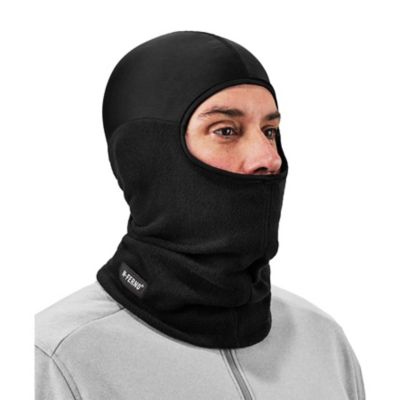
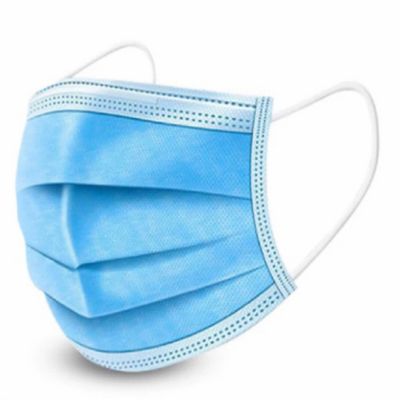
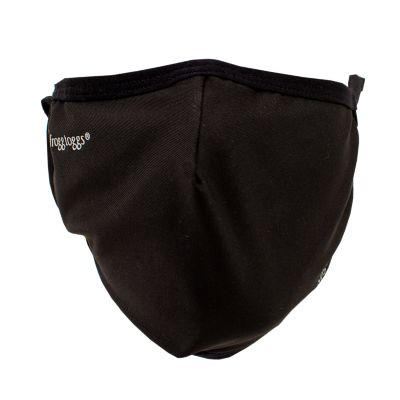
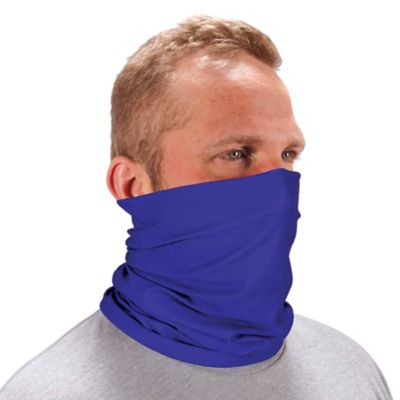
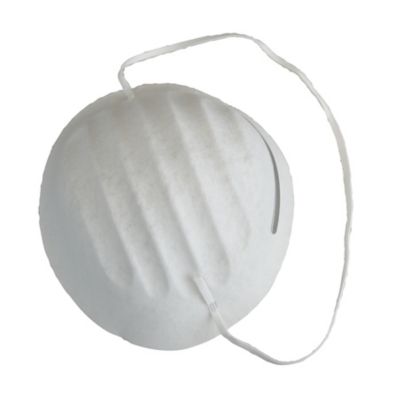
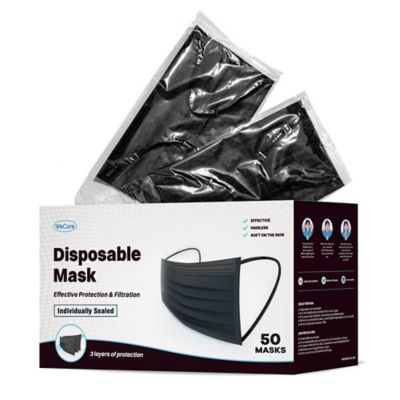
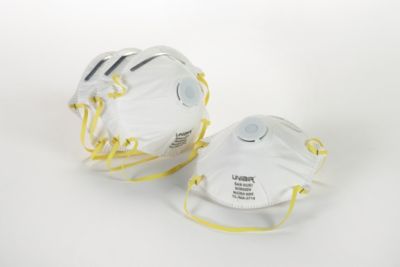
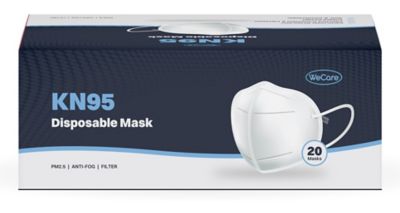
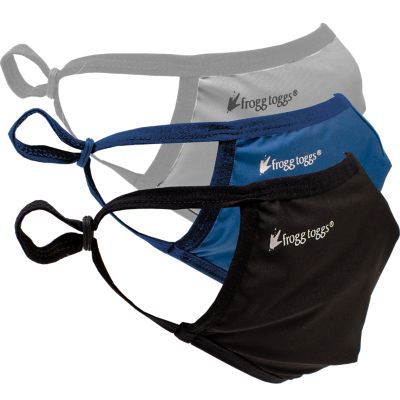
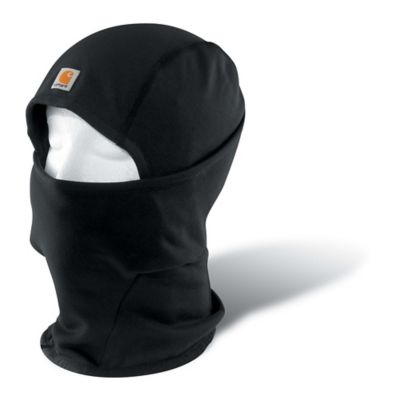
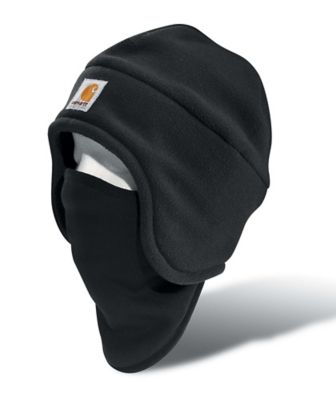
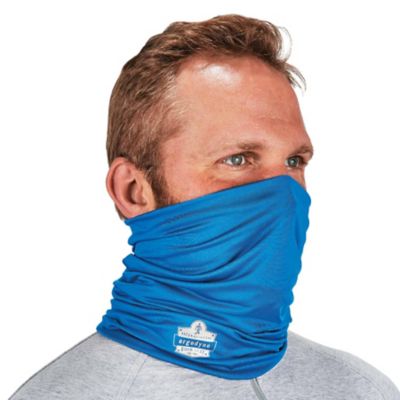
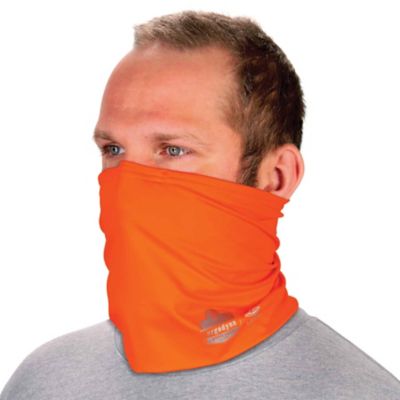
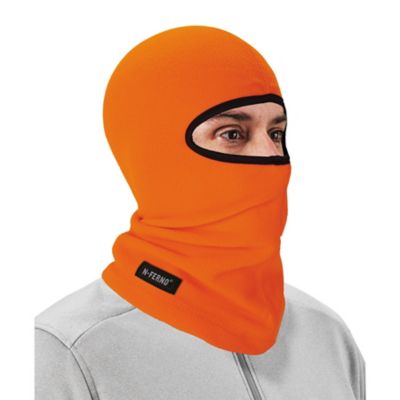
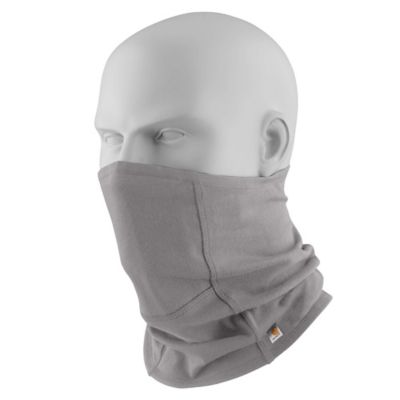
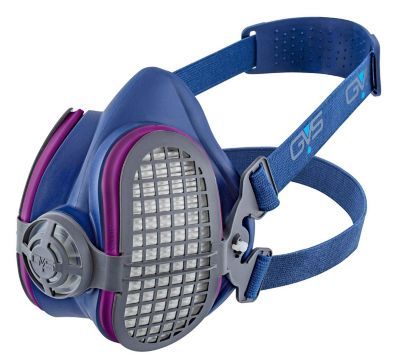
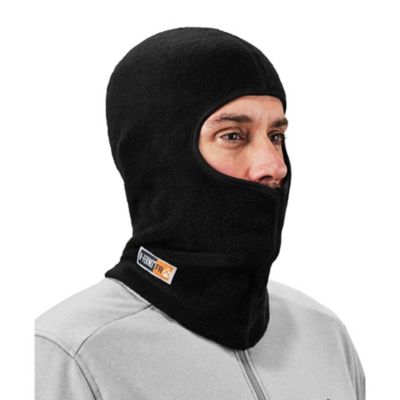
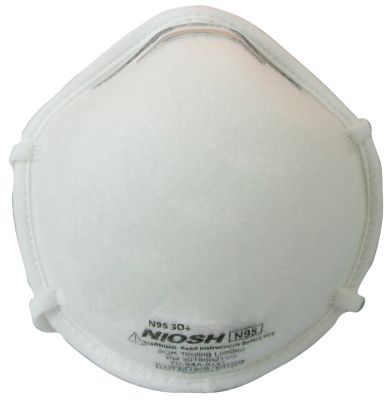
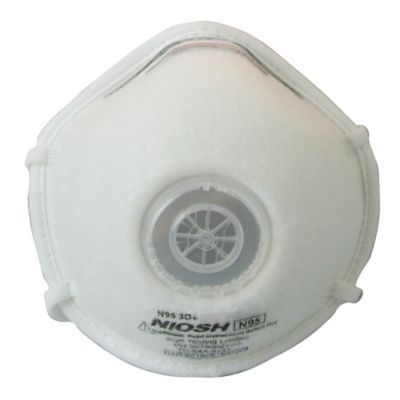
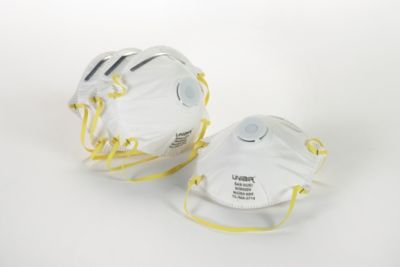
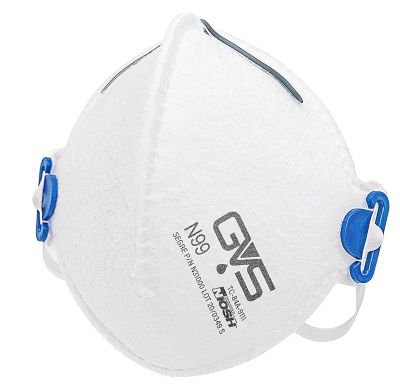
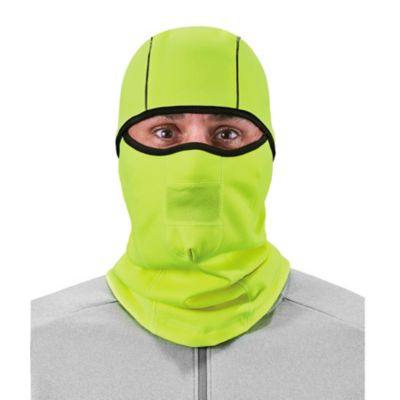
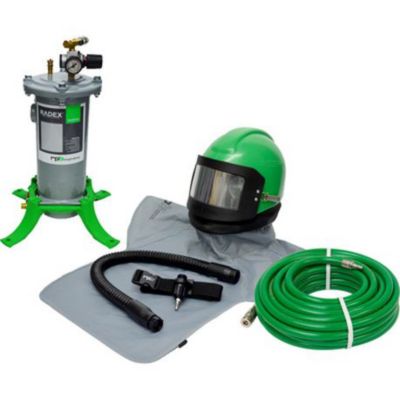
Face masks for work cover a broad range of needs, from everyday face coverings to respirators designed to reduce exposure to certain airborne particles. The right choice starts with the task and the hazard, not just how a mask looks or feels. Sweeping a workshop, sanding a fence board, handling dusty feed, and applying a coating can involve different exposures, so one mask does not suit every chore. A basic fabric face covering is not a substitute for an approved respirator when respiratory protection is necessary. NIOSH-approved N95 respirators filter at least 95 percent of airborne particles under certification test conditions and are intended for certain non-oil particle exposures. That rating describes filtration performance; protection on the job also depends on fit, proper wear, and whether the respirator suits the hazard. N95 respirators do not protect against gases or vapors, and a dust mask should never be treated as protection from paint fumes, solvent vapors, or an oxygen-deficient space. Work involving coatings, pesticides, or other chemicals calls for checking the product label and safety data sheet for respiratory protection requirements. Depending on the exposure, an appropriate respirator with specified cartridges or filters may be necessary. Particle filters and chemical cartridges serve different purposes, even when they attach to the same style of facepiece. An activated-carbon layer alone does not establish protection against a particular gas or vapor. For folks working around a barn, shop, or jobsite, these distinctions matter more than a familiar mask shape. Disposable respirators can suit certain particle-producing tasks when their approval and fit match the work, while reusable respirators provide a facepiece with replaceable components. Neither style replaces dust collection, ventilation, or other measures that reduce exposure at its source. Workplace requirements also matter: when an employer requires respirator wear, medical evaluation, training, and fit testing are generally part of the respiratory protection program. Matching the protection to the actual job keeps the choice grounded in what is in the air.
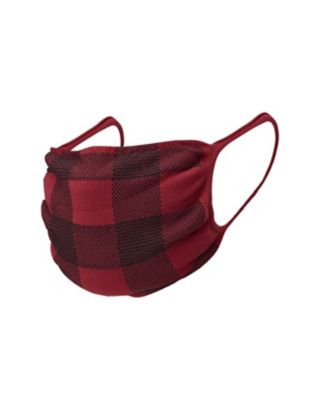
Fit makes a big difference when a work mask stays on through bending, reaching, and talking across a workbench. Materials range from soft woven or knit fabrics in general face coverings to layers of nonwoven filter media in disposable filtering facepiece respirators. Reusable respirator bodies often feature flexible elastomeric materials, such as silicone or rubber, that form a seal around the face. Fabric softness can improve comfort, but it does not establish a filtration rating or make a covering suitable for hazardous dust. For tight-fitting respirators, the sealing surface needs steady contact with the skin. Gaps beside the nose, along the cheeks, or beneath the chin can let air bypass the filter. Adjustable nosepieces, different facepiece sizes, and well-positioned straps can help achieve the fit specified by the manufacturer. Facial hair under the sealing surface can interfere with that seal, even when the straps feel snug. A user seal check each time a tight-fitting respirator goes on helps check its seating, but it does not replace a required fit test. Think about the rest of the work gear, too. Safety glasses, hearing protection, and head protection should sit correctly without shifting the respirator or disrupting its seal. Glasses that slide when leaning over a bench or straps that cross awkwardly beneath earmuffs can turn a small fit problem into a repeated interruption. A facepiece should allow the necessary field of view without riding up toward the eyes, and straps should hold their position without excessive tightening. Breathing resistance also deserves attention, especially during physically demanding work; selecting respiratory protection involves both the exposure and the wearer’s ability to wear it safely. Some respirators include exhalation valves that let exhaled air leave more readily, but those valves may not filter outward airflow and may not suit settings with source-control requirements. Comfort matters because gear that constantly needs adjustment can interrupt the job. Still, comfort features should support the required protection rather than stand in for it.
Care and storage help keep work face masks ready for the tasks they are meant to handle. Disposable filtering facepiece respirators are not washable, and washing, spraying, or soaking them can damage their function. Follow the manufacturer’s directions for replacement, including instructions to discard a respirator if it becomes damaged, dirty, or difficult to breathe through. Reusable does not mean every part can go into a wash bucket. A reusable respirator may have a cleanable facepiece alongside filters or cartridges that require removal before cleaning and separate replacement. Washable fabric coverings likewise need care according to their labels, but laundering them does not turn them into respiratory protective equipment. Before each wear, check the parts that keep the respirator working: straps should retain their tension, the facepiece should be free of tears or distortion, and valves and filter connections should be intact and seated correctly. A stretched strap or cracked sealing edge is more than a comfort issue. For chemical cartridges, replacement follows an appropriate change schedule or other approved method; smell is not a safe way to decide when protection has run out. Keep clean equipment away from dust, chemicals, direct sunlight, and anything that could crush or bend it. Tossing a respirator loose into a toolbox beside oily sockets or leaving it on a dusty bench can contaminate it before the next task. A designated storage spot also makes inspection easier than digging through a truck cab with dirty gloves. For farm workers, woodworkers, maintenance crews, and people tackling repairs around the property, practical selection comes down to intended use, fit, material, and the upkeep each design needs. A covering for exercise belongs in a different comparison;
Face Masks For Sports provides a separate category to explore without treating athletic face coverings as jobsite respirators. Work face masks earn their place alongside the rest of the safety gear when their stated purpose matches the task and their fit and condition receive the same attention as the tools in hand.