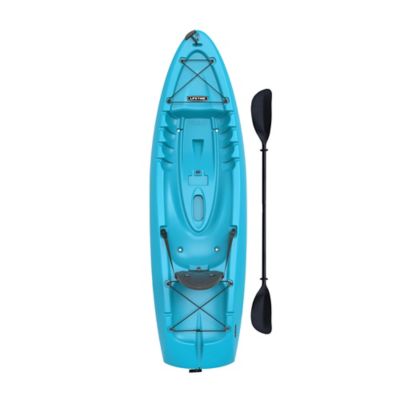
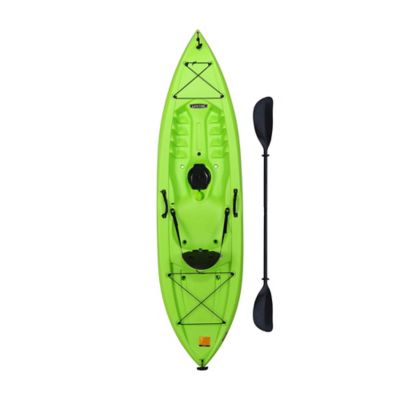
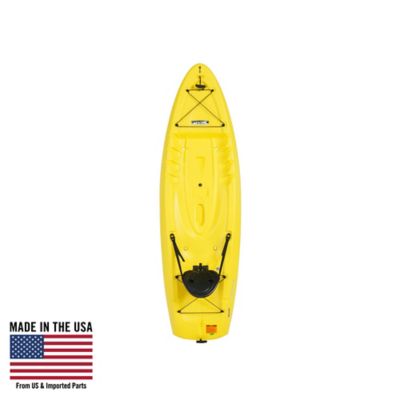
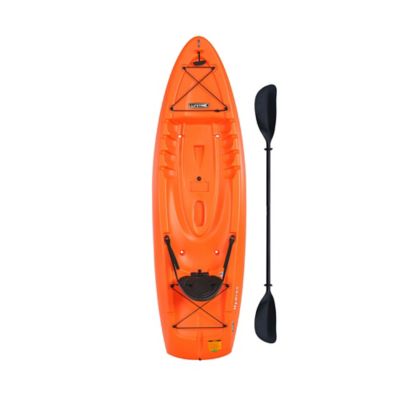
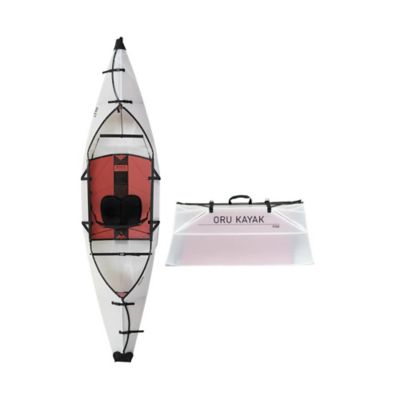
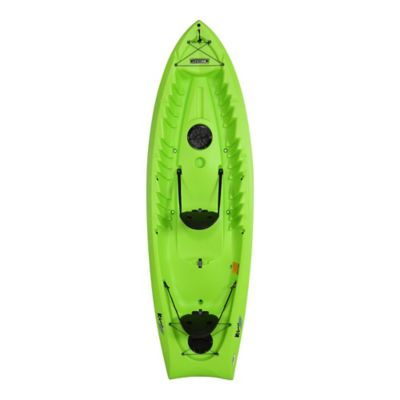
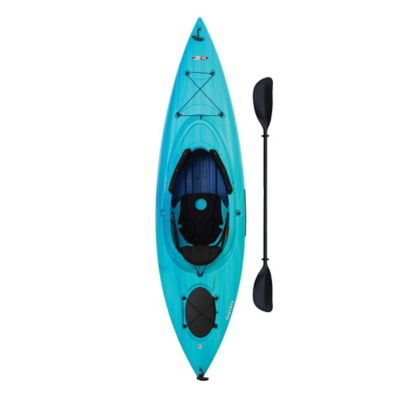
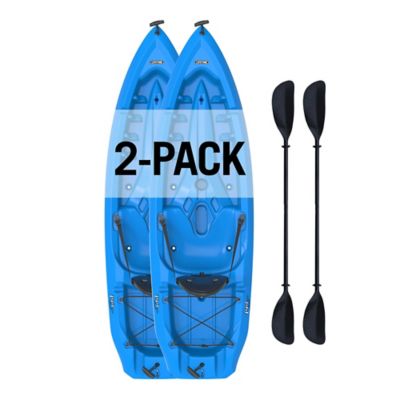
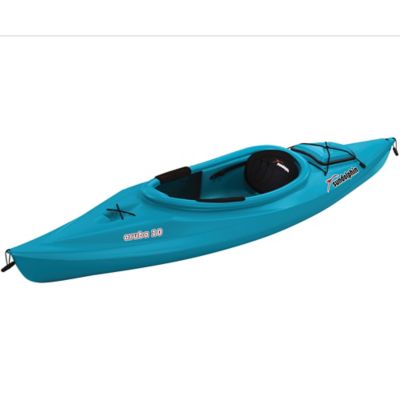
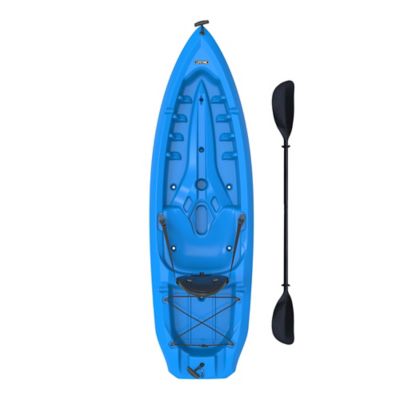
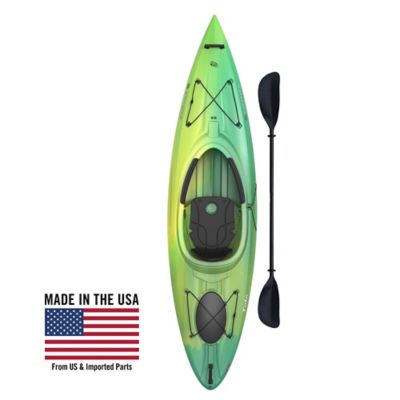
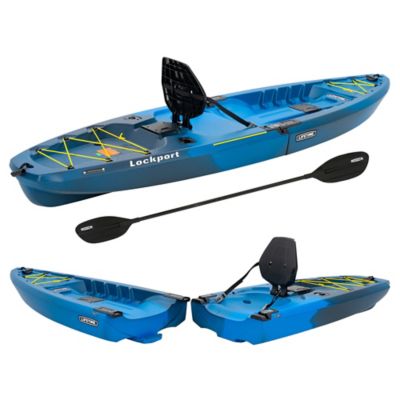
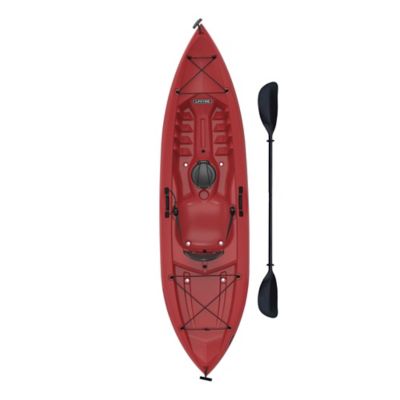
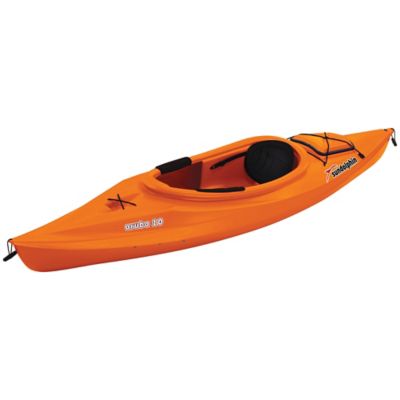
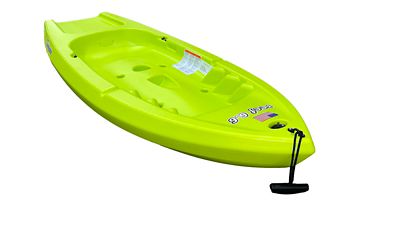
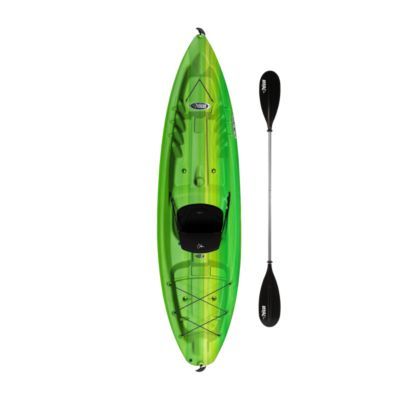
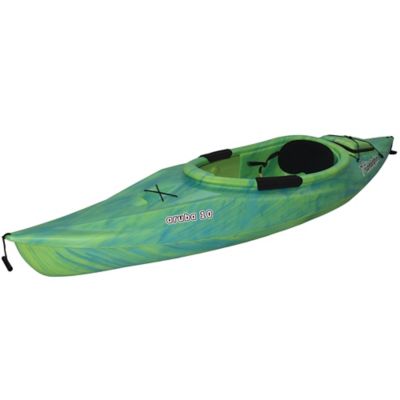
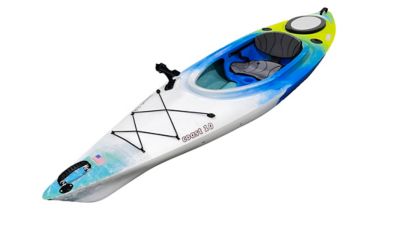
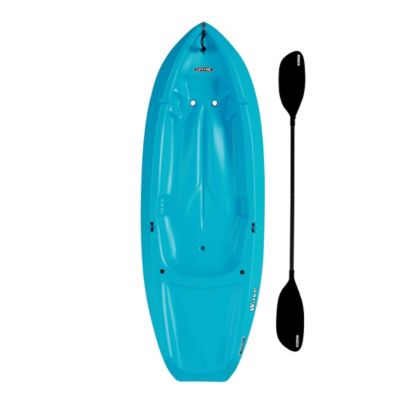
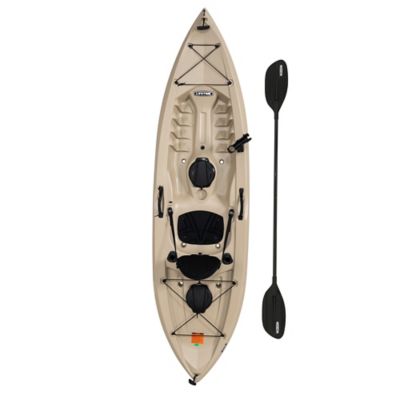
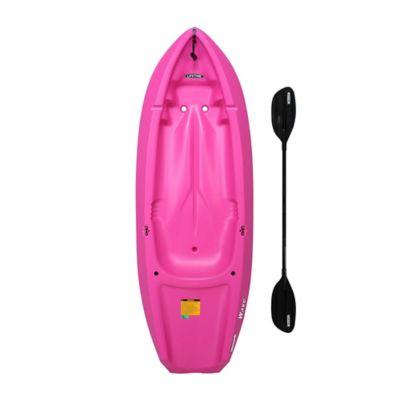
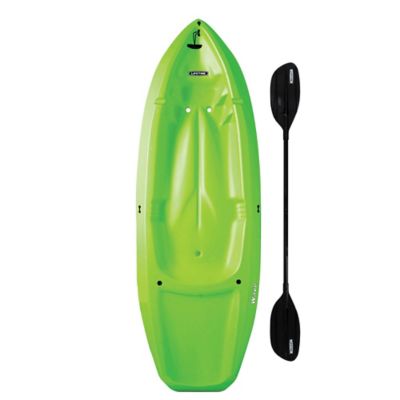
Recreational kayaks for calm water adventures are built for easygoing paddling on ponds, sheltered lakes, and gentle stretches of slow-moving rivers. Their appeal is straightforward: a comfortable place to sit, manageable handling, and enough room for the gear that makes a few hours on the water enjoyable. A quiet lap around the farm pond, a paddle along a wooded shoreline, or a short trip to a tucked-away fishing spot all suit this kind of boat when access is permitted and water conditions match the paddler’s experience. Many recreational kayaks fall around 9 to 12 feet long, though length alone does not determine how a boat handles. Shorter hulls generally turn more readily around bends and narrow inlets, while longer hulls of a similar design tend to hold a straight course with fewer correction strokes. Width and hull shape also affect the ride. A broad, flatter hull often feels steady when sitting upright, a trait called initial stability, but no kayak is tip-proof. Sit-on-top kayaks have an open seating area that leaves legs uncovered and makes getting on and off less confined. Many have scupper holes that let water drain through the hull, although some water may remain around the seat or footwells. Sit-inside kayaks place the paddler lower within a cockpit, providing more coverage from paddle drips and splashes. The cockpit opening, seat position, and room beneath the deck all influence how comfortable that enclosed layout feels. Neither style is automatically the better choice for every paddler. Easy entry, legroom, carrying weight, and the kind of shoreline ahead matter more than looks alone. These boats generally belong on protected water rather than whitewater or exposed crossings, where currents, waves, and distance from shore call for different equipment and skills.
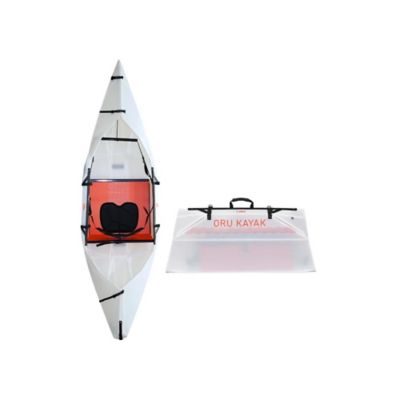
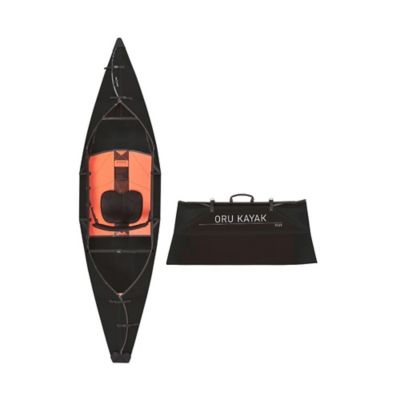
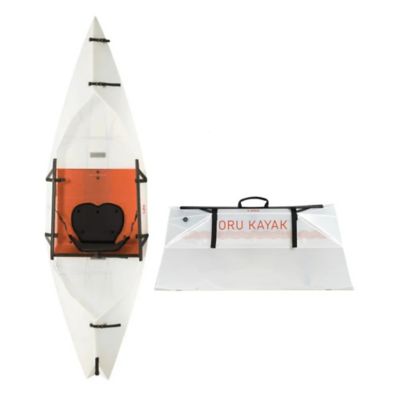
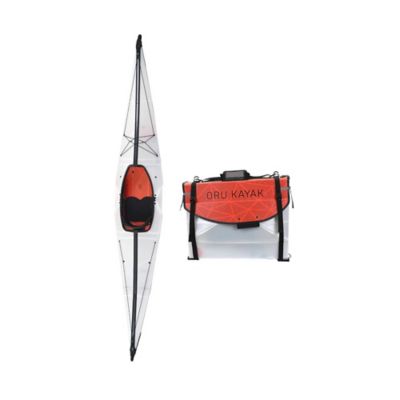
Materials and construction make a difference both on the water and back at the landing. Polyethylene hard-shell kayaks are common for recreational paddling because their molded hulls tolerate everyday bumps and scrapes, though dragging any hull over gravel can wear it down. Some hard-shell designs use thermoformed plastic, which can offer a lower carrying weight, depending on the boat’s size and construction. Inflatable recreational kayaks trade a rigid hull for a packable design that can fit into a storage bag once deflated and dried. Reinforced PVC and other coated fabrics appear in these boats, with resistance to abrasion and punctures depending on the material, seams, and overall construction. Separate air chambers, protective outer layers, and removable tracking fins are features worth considering for their particular purpose, not promises that every inflatable performs the same way. Inflatable boats also require inflation to the maker’s specified pressure, while hard-shell boats need enough space for transport and storage at their full length. Seat fit deserves just as much attention as the hull. An adjustable backrest, supportive seat bottom, and foot braces can make a relaxed shoreline paddle more comfortable without forcing the legs into an awkward position. For taller paddlers, usable legroom and cockpit clearance matter; for smaller paddlers, a seat and footrests that provide firm contact can help with control. Published weight capacity includes the full load aboard, not just the person paddling. Water, tackle, a small cooler, safety equipment, and a dog, where the boat is designed to carry one, all count toward that limit. Adequate capacity keeps the boat within its intended load range, but staying below the maximum does not guarantee suitable fit or handling. Solo kayaks give each paddler independent control, while tandem layouts offer shared seating for two. Some tandems allow a centered solo seat position, but that arrangement depends on the boat’s design rather than simply leaving one seat empty.
The practical details often decide how often a recreational kayak makes it off the rack and onto the water. Carry handles that are comfortable to grip, a boat weight that suits the person lifting it, and a loading setup that matches the vehicle can take some strain out of a trip to the pond. Overall length matters in a shed or garage, too, especially when the same space holds mowers, tools, and feed supplies. Roof transport calls for suitable supports and tie-downs secured according to the boat, rack, and vehicle instructions; an inflatable needs room for its packed bag, pump, and paddles. On the water, accessible storage keeps a drink and small essentials close without requiring an awkward reach behind the seat. Covered hatches can help organize gear, but they should not be treated as waterproof unless the manufacturer specifically rates them that way. Phones, keys, and spare clothing belong in properly closed dry bags or other suitable waterproof containers. For trips that follow a longer stretch of shoreline,
Kayaks For Scenic Lake Touring offers another place to explore boats for that kind of outing. Care between trips helps protect any recreational kayak: rinsing away grit, clearing debris from fittings, and letting the boat dry before storage all make sense. Hard shells need proper support to help prevent distortion, and inflatables need thorough drying before being packed away. Checking hulls, seams, valves, handles, and seat attachments can catch trouble before launch. Calm-looking water still deserves respect, so a properly fitted, U.S. Coast Guard-approved life jacket belongs on each paddler, along with attention to local rules, boat traffic, currents, and a manageable return route. For someone who enjoys quiet water, birdwatching, or casual fishing, a recreational kayak can also be a thoughtful gift when fit, transport, and storage needs are known. The right match supports the whole outing, from carrying the boat down the bank to settling into an easy rhythm along the shoreline.