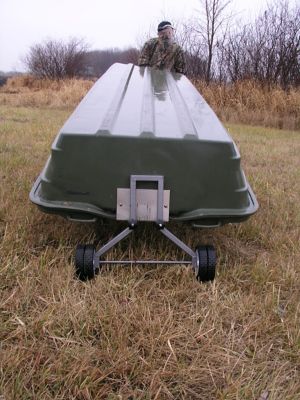
Kayaks For Weekend Camping Excursions
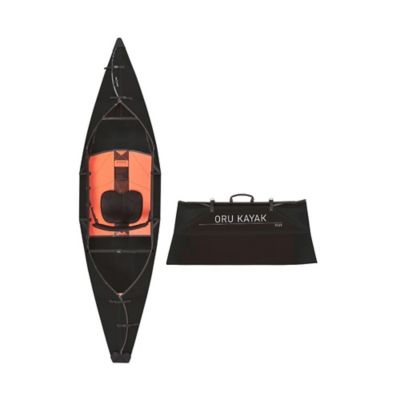
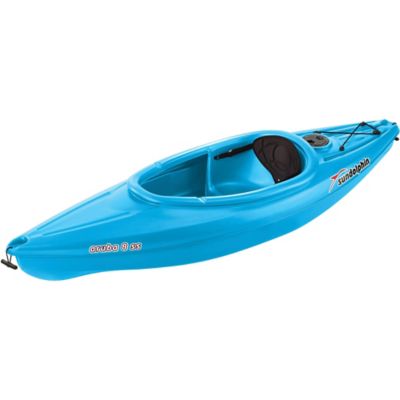
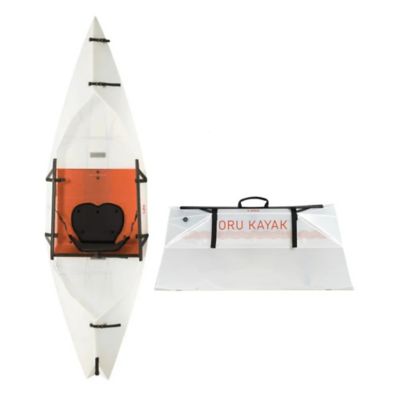
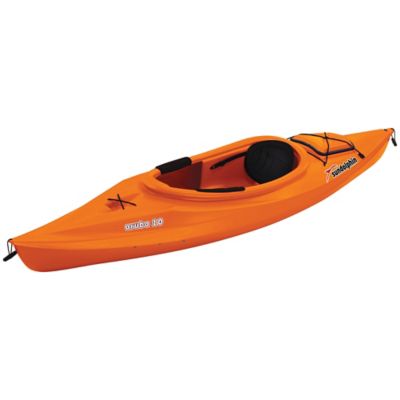
Kayaks for weekend camping excursions are a must-have for folks looking to add a splash of adventure to their outdoor getaways. Whether you’re casting a line at sunrise or paddling to that perfect campsite, the right kayak makes all the difference in your trip. Explore options built for easy transport and steady rides, so you can focus on making memories out on the water. Find the kayak that fits your next camping adventure and get ready to enjoy every mile of shoreline.
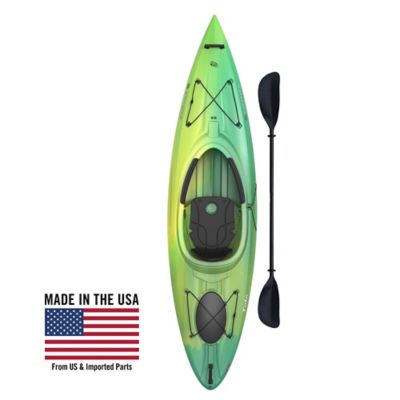
$341
.99
Sale Was $379.99 Save $38.00 (10%)
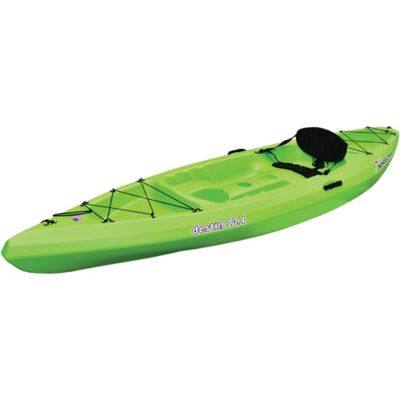
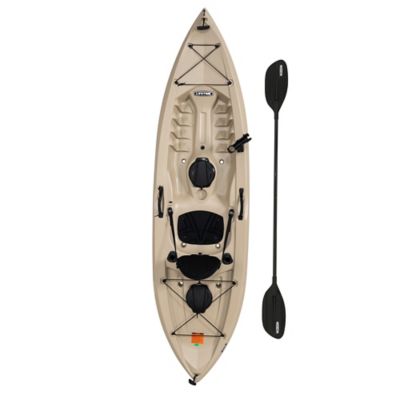
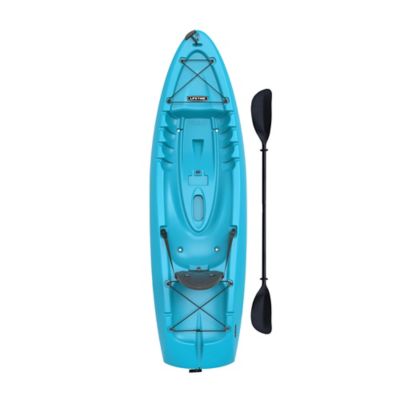
$167
.99
Sale Was $209.99 Save $42.00 (20%)
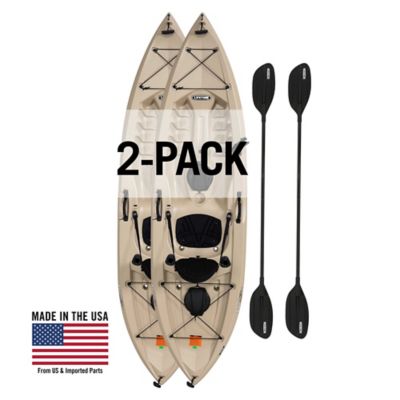
$1,169
.99
Sale Was $1,299.99 Save $130.00 (10%)
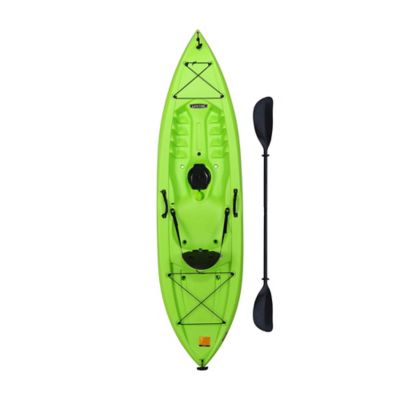
$223
.99
Sale Was $279.99 Save $56.00 (20%)
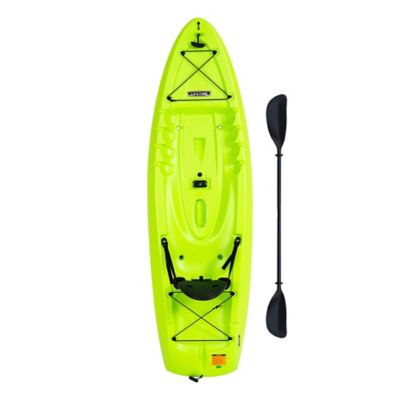
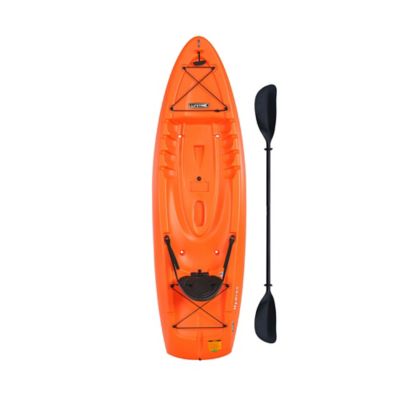
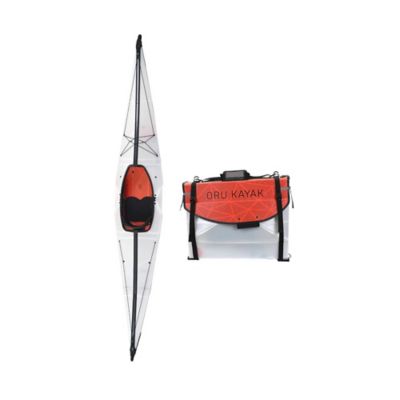
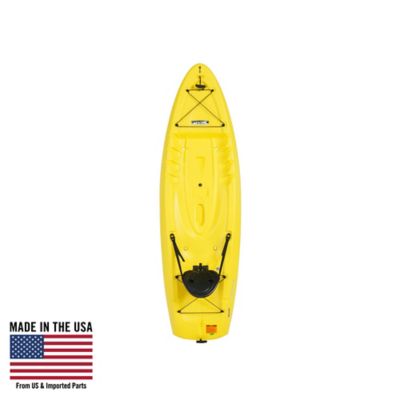
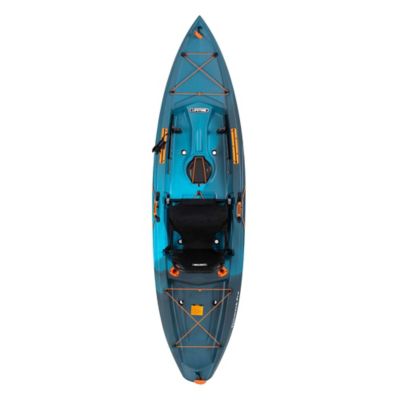
$539
.99
Sale Was $599.99 Save $60.00 (10%)
$359
.99
Sale Was $399.99 Save $40.00 (10%)
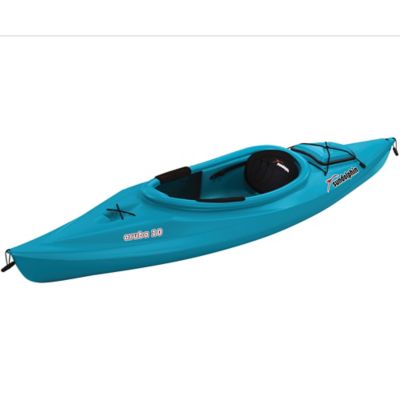
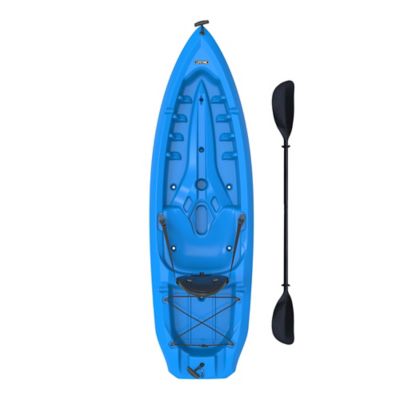
$449
.99
Sale Was $499.99 Save $50.00 (10%)
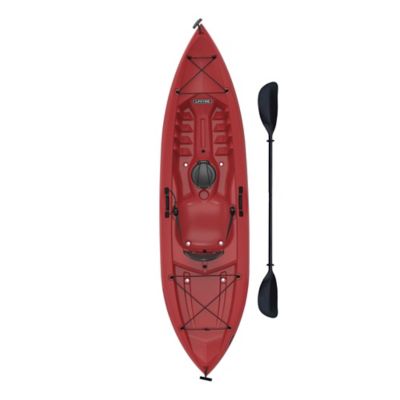
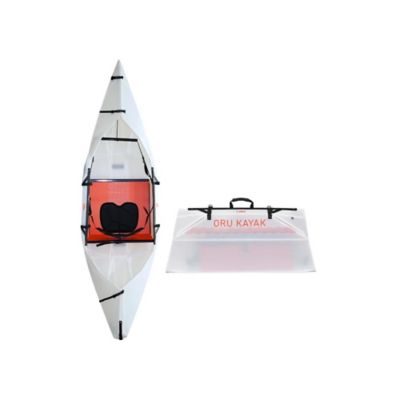
Best Of FAQ
What features should I look for in a kayak for weekend camping excursions?
When choosing a kayak for weekend camping, consider features like ample storage space for gear, comfortable seating for long paddling sessions, and strong materials that can handle various water conditions. Look for kayaks with dry storage compartments and tie-down points to secure your camping equipment.
Are there specific types of kayaks better suited for carrying camping gear?
Yes, touring and recreational kayaks are often preferred for camping trips because they typically offer more storage options and stability. Sit-on-top kayaks with large cargo areas or sit-in kayaks with sealed hatches are both popular choices for carrying camping supplies.
How do I pack my kayak efficiently for a weekend camping trip?
Pack heavier items low and centered in the kayak to maintain balance. Use dry bags to protect your gear from water and organize items by frequency of use, placing essentials within easy reach. Distribute weight evenly between the front and back to ensure smooth paddling.
Can I bring a fishing rod or other outdoor equipment on a kayak camping excursion?
Many kayaks designed for camping have built-in rod holders or accessory mounts, making it easy to bring fishing rods or other outdoor gear. Check the kayak’s specifications to see what accessories it can accommodate before your trip.
What maintenance is recommended after taking a kayak on a weekend camping trip?
After your trip, rinse your kayak with fresh water to remove dirt and debris, especially if paddling in saltwater. Dry thoroughly before storing to prevent mold or mildew. Inspect all hardware and storage compartments, and check for any signs of wear or damage.
Best Sellers
-
"We love our fishing kayaks, but think the seat attachment is not a great design"
-
"Thanks for the great service"
-
"The seat is not good at all, I spent two hours and never once used the seat back, it’s flimsy at best"
-
"Lifetime was great with their response time and sending me replacement parts"
-
"Works great on my bass tender 10.2 No issues, heavy duty"