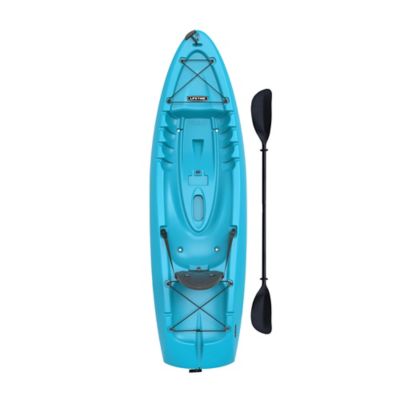
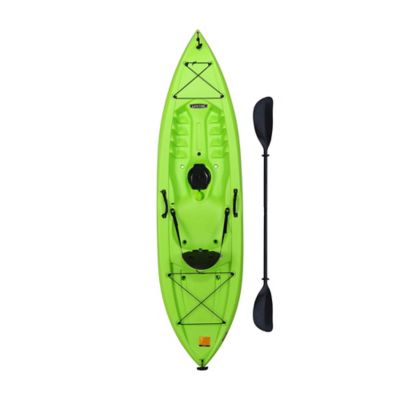
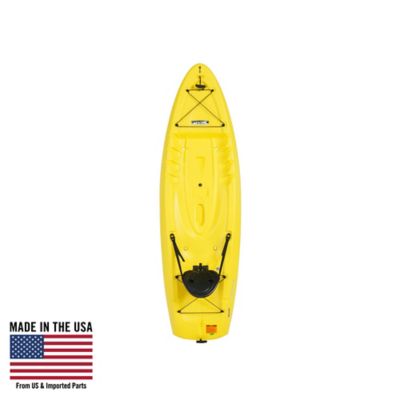
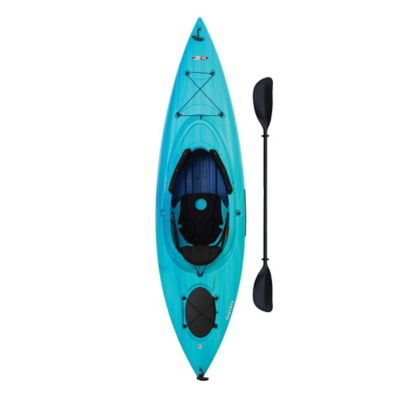
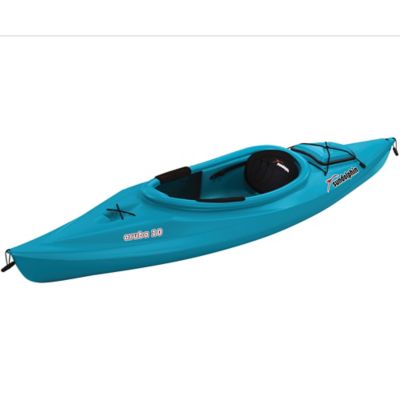
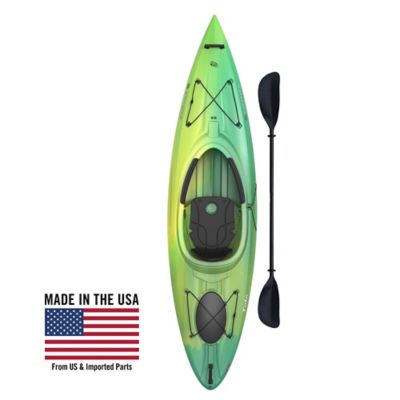
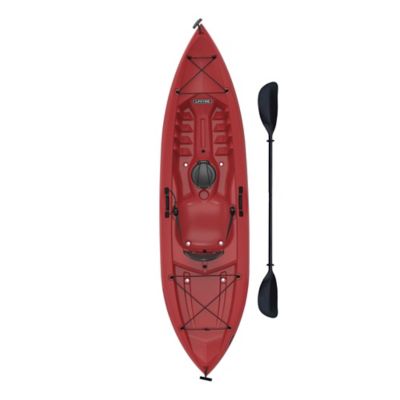
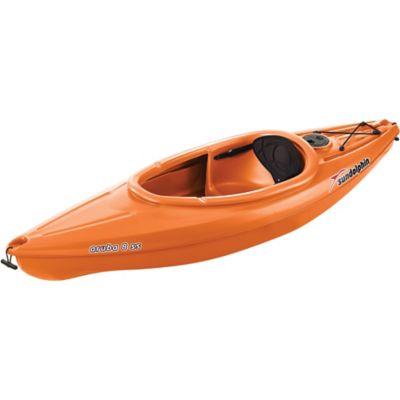
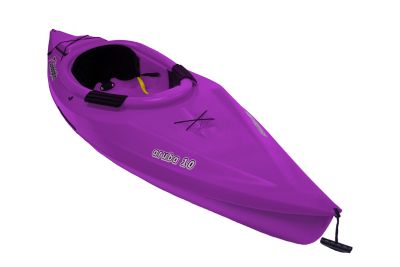
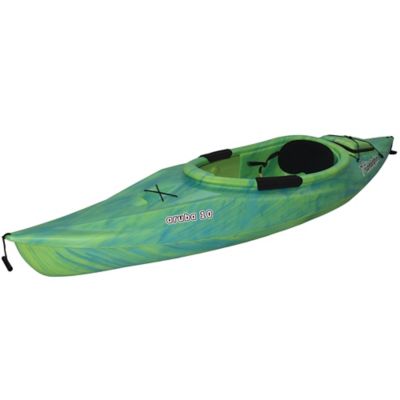
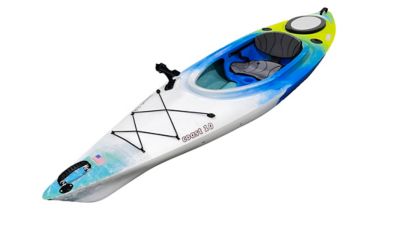
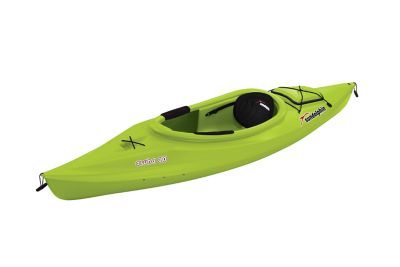
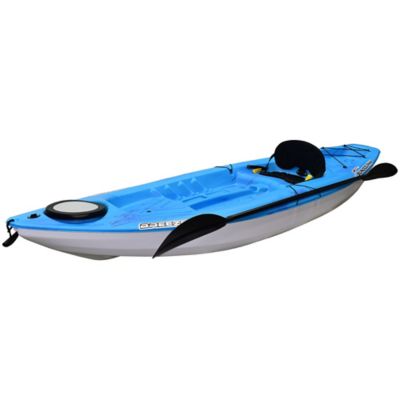
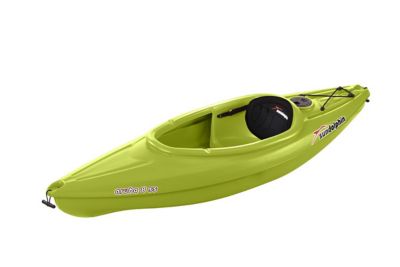
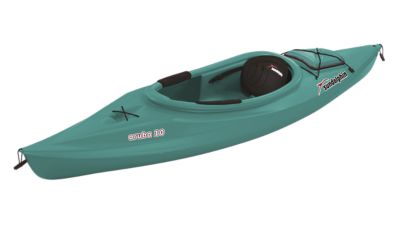
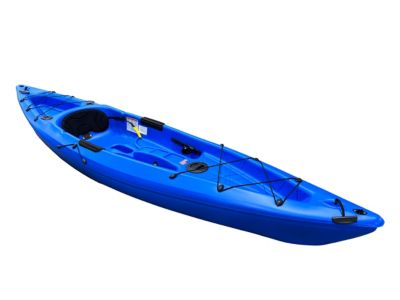
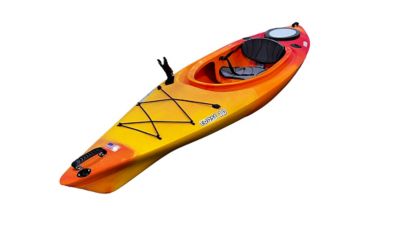
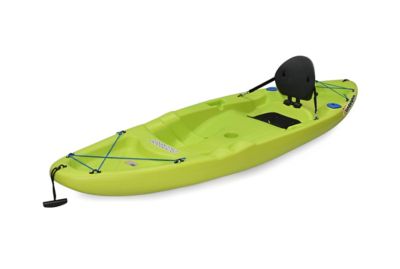
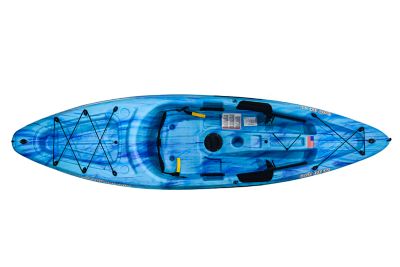
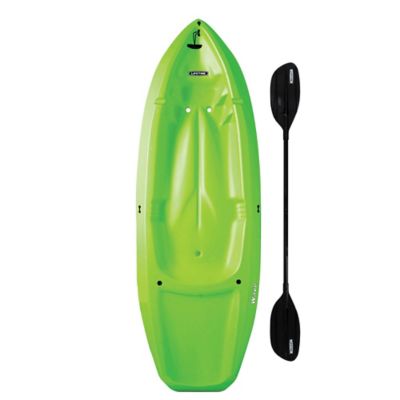
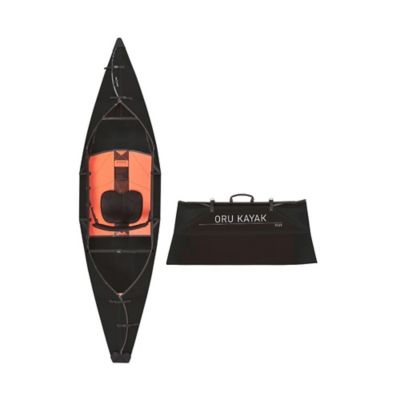
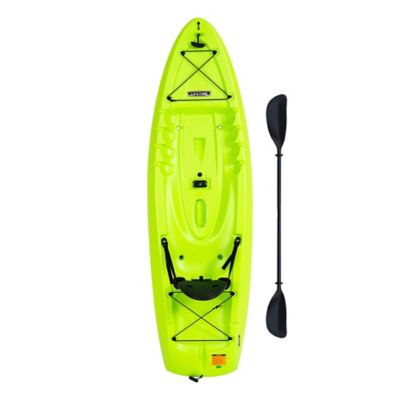
A kayak for scenic lake touring is about settling into a comfortable rhythm, following the shoreline, and having enough room to bring along the things that make a few hours on the water enjoyable. That might mean paddling past a stand of pines, easing into a quiet cove to watch a heron work the shallows, or stopping at a designated landing for lunch. The right boat balances straight-line travel with easy handling, rather than putting speed ahead of everything else. Longer hulls generally hold their course with fewer steering corrections, which can help on stretches between points of interest. Shorter hulls are often easier to turn around docks and tucked-away shorelines, while hull width and shape influence how steady a kayak feels and how much effort it takes to paddle. A broad, flat-bottomed boat may feel settled at rest, but width alone does not tell the whole story about stability. Sit-on-top kayaks offer an open seating area and straightforward entry, with drainage openings that let water leave the deck. Sit-in designs place the paddler inside a cockpit, bringing the seat closer to the waterline and offering more coverage around the legs. Neither layout is the right answer for everyone. A paddler who likes frequent shoreline stops may value an open deck, while someone planning longer, steady outings may prefer the fit and connection of a cockpit. Seating deserves just as much attention as hull shape. Support through the lower back, enough room at the hips, and adjustable foot braces help a paddler stay comfortable without sliding around. Legroom should allow a relaxed bend at the knees rather than a cramped position. The stated weight capacity also needs to cover the paddler and everything carried aboard, not just body weight. Staying within the manufacturer’s recommended load range supports the handling and clearance above the water that the boat was designed to provide. For sightseeing trips, a comfortable fit and predictable response often matter more than an extra bit of speed.
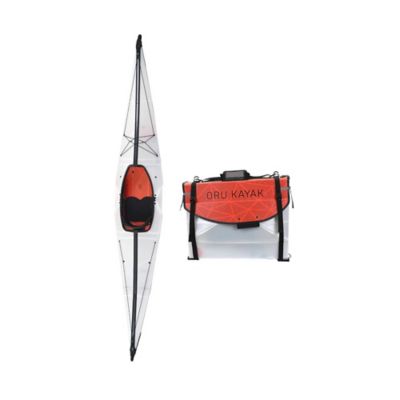
Materials make a difference both on the lake and between outings. Molded polyethylene hulls are common in recreational kayaks because they tolerate everyday bumps and scrapes at launch areas, though their weight can make loading more of a job. Thermoformed plastic and composite construction can offer a lighter hull or a more rigid feel, depending on the design, with different needs for handling and repair. Inflatable kayaks trade a full-length storage footprint for a boat that packs down, which can be helpful when a garage already holds tools, lawn equipment, and fishing gear. Their performance depends on construction, shape, and proper inflation, so packed size is only one part of the comparison. For any design, carrying weight and carrying comfort are separate considerations. A boat that seems manageable on paper may feel awkward along a narrow path from the truck to the landing. Balanced handles, a manageable overall length, and a suitable carrying cart can make that stretch less of a chore. Vehicle transport also calls for racks and restraints matched to the boat and vehicle, with tie-down tension that secures the hull without crushing or distorting it. Storage at home matters just as much: broad supports placed according to the manufacturer’s directions help prevent pressure points, and a clean, dry storage space keeps grit and trapped moisture from becoming ongoing problems. After a lake outing, rinsing away sand, mud, and plant fragments helps protect moving parts and makes it easier to spot damage. Seats, foot braces, hatch covers, and drain fittings benefit from regular checks, especially before a longer paddle. Gear space is another practical detail worth sorting out before launch. A lunch bag, drinking water, basic safety equipment, and a dry change of clothes take up more room than an empty deck suggests. Hatches and deck rigging provide different kinds of access, and a hatch should not automatically be treated as waterproof. A properly closed dry bag adds protection for belongings, while keeping heavier gear low and balanced helps the kayak handle as intended.
Scenic lake kayaks suit a wide range of paddlers, from someone who wants a quiet loop near the boat ramp to a pair planning a shoreline picnic with several stops along the way. Solo boats let each person set an individual pace and seat position, while tandem kayaks put two paddlers in one hull and call for some cooperation with timing and steering. A tandem is not automatically the simpler choice for every pair; its length, carrying weight, cockpit layout, and handling with one paddler all deserve a look. For families, a child’s size, paddling ability, and supervision needs matter more than the appeal of sharing a boat. Anyone considering a kayak as a gift will have better luck knowing the recipient’s seating needs, storage space, transport setup, and usual launch location before choosing a hull. A boat that fits everyday routines is more likely to make regular trips to the lake. Similar priorities carry over to
Kayaks For Calm Rivers, especially comfortable seating and manageable handling, although moving water brings a different set of route-planning needs. On a lake, protected coves and short shoreline loops can offer a more manageable setting than long crossings, particularly for newer paddlers. Boat wakes, submerged obstacles, restricted areas, and the distance back to the landing still deserve attention, even when the outing looks easygoing. A properly fitted, Coast Guard-approved life jacket belongs on each paddler, and local rules may call for additional equipment or registration. Basic paddling and reentry skills, a way to communicate, and a trip plan shared with someone ashore all support a sensible outing. Checking access rules and cleaning, draining, and drying the boat between waterways also helps protect the places worth paddling. With the fit, handling, and practical details lined up, a scenic touring kayak leaves more attention for the shoreline, the wildlife, and the pleasure of taking the long way back to the landing.