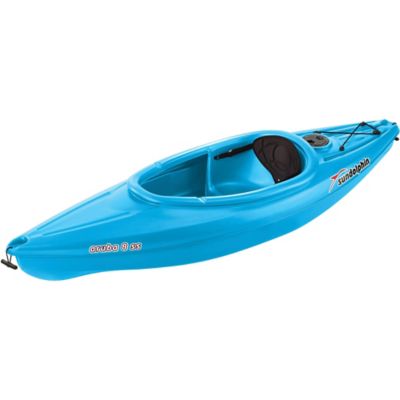
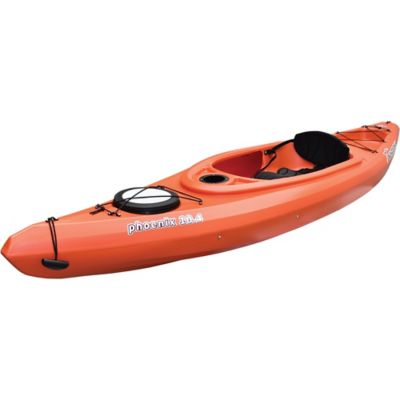
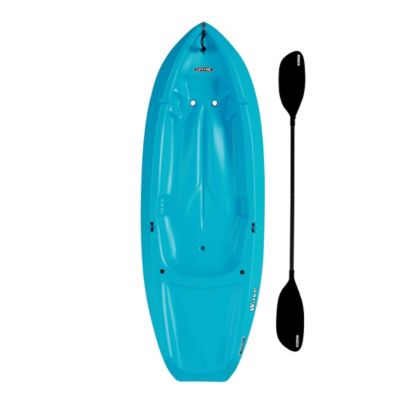
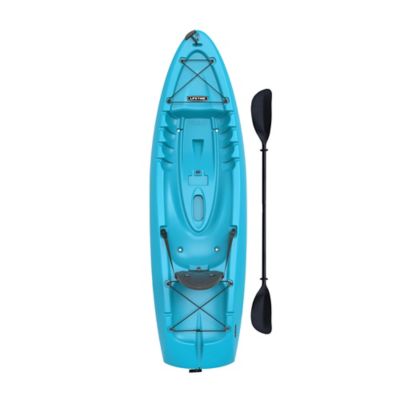
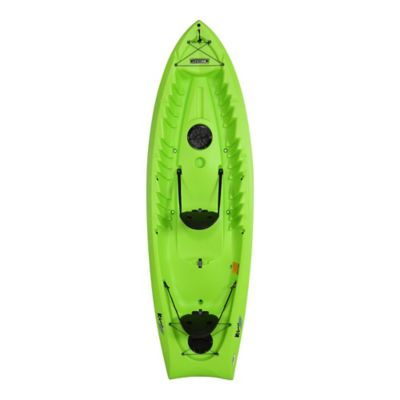
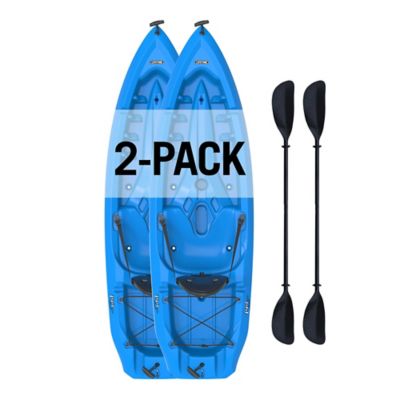
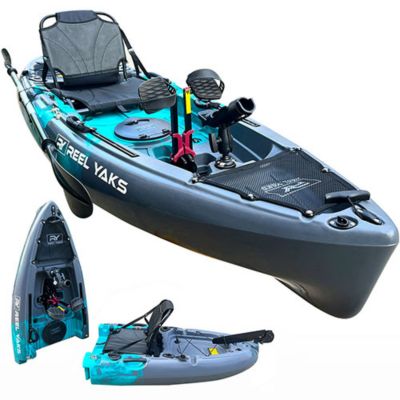
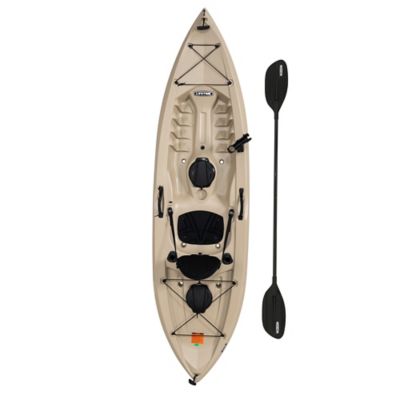
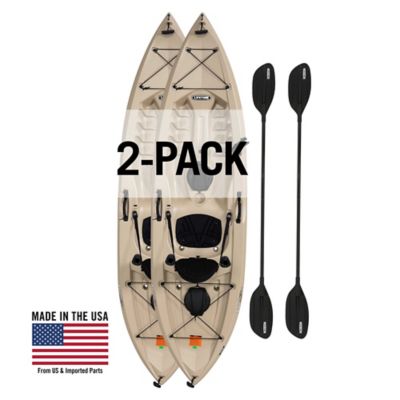
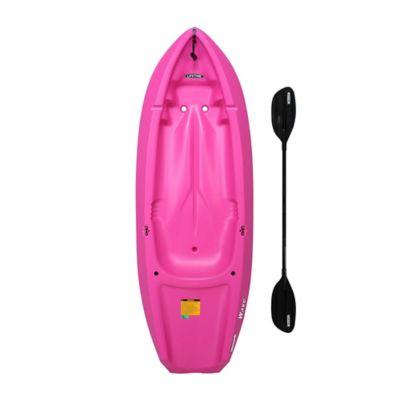
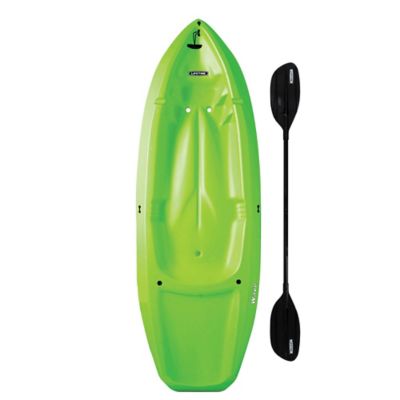
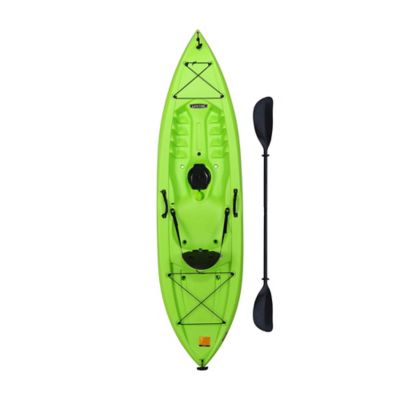
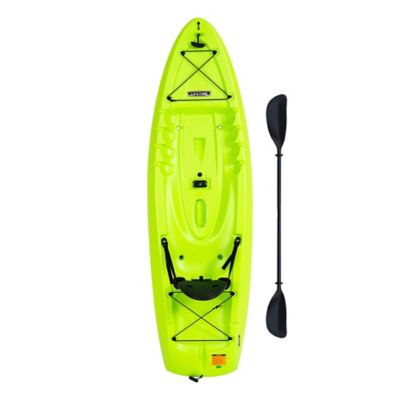
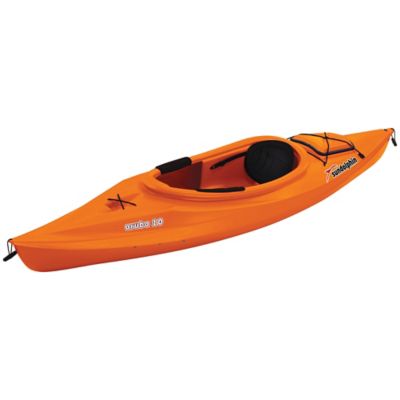
Kayaks for calm rivers are built around a comfortable seat, steady handling, and enough maneuverability to follow a gentle bend without a wrestling match at every turn. Recreational kayaks and lighter day-touring designs are common choices for slow-moving rivers, quiet creeks, and stretches of flat water between access points. The right match depends on the route, the paddler’s size, and how much gear comes along. Shorter hulls generally turn more readily around bends and fit more easily in tight spaces, while longer hulls tend to hold a straight course with fewer correction strokes. Width matters, too: a broader hull often feels steadier when sitting still, though hull shape and the distribution of weight also affect that feel. A narrower kayak can offer a more natural paddle reach and better glide, especially over longer distances. Sit-inside kayaks put the paddler down in a cockpit, with the deck providing some protection from paddle drips and splashes. A roomy cockpit can make entry and exit less awkward at a low bank, but the opening should still suit the paddler rather than simply be as large as possible. Sit-on-top kayaks have an open seating area that appeals to folks who like room to move, carry fishing gear, or bring a properly outfitted dog. Their open layout does not replace the need to practice getting back aboard after a capsize. Seat support, legroom, and adjustable foot braces make a real difference once a short float turns into several hours on the river. Feet should have firm support, knees should have room to bend comfortably, and the seat should allow an easy paddling motion without pinching at the hips. A kayak that fits well at the landing is more likely to stay comfortable through a long, easy stretch past pasture fences, wooded banks, and gravel bars.
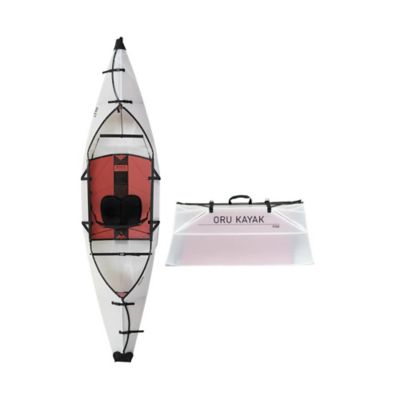
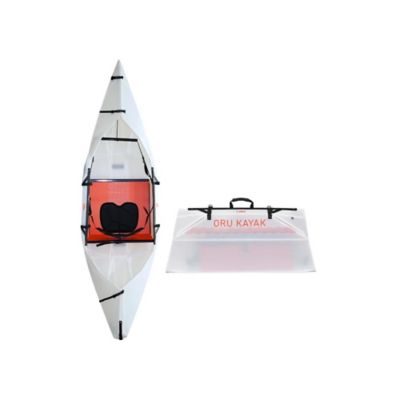
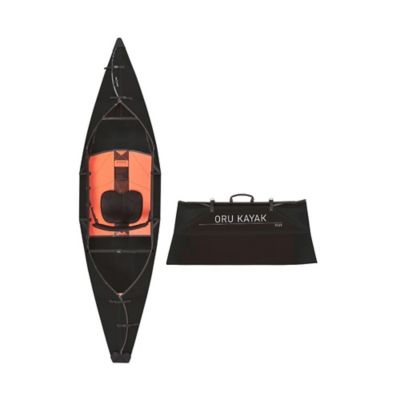
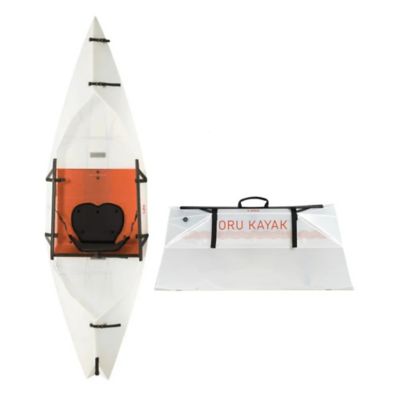
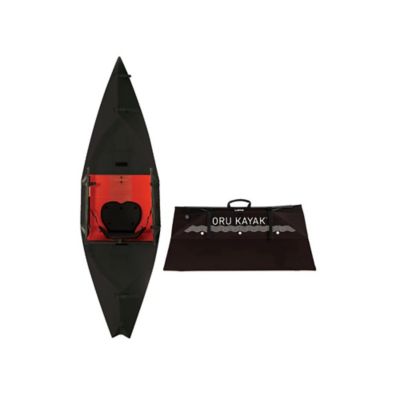
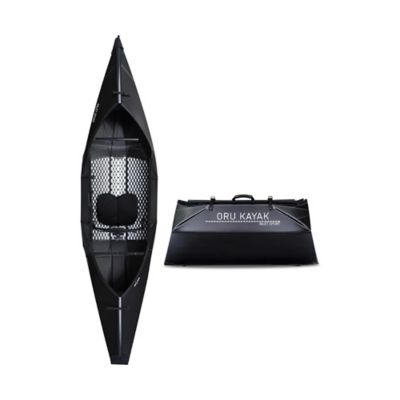
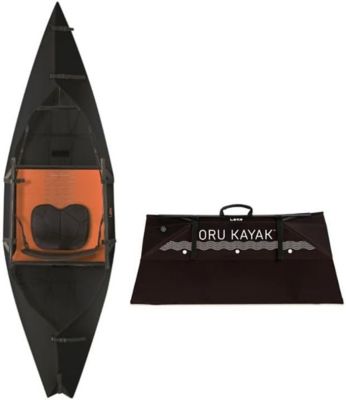
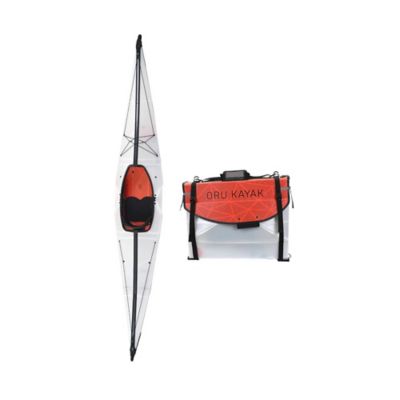
Hull material affects how a river kayak handles everyday knocks, how much it weighs on the walk to the water, and what upkeep it needs between trips. Rotomolded polyethylene is common in recreational kayaks because it can take bumps and scrapes from ordinary river outings. These hulls can be heavier to lift, so carrying weight matters just as much as on-water capacity for someone loading a vehicle alone. Thermoformed plastic kayaks can offer a lighter hull with a smooth, rigid shape, though their construction and care needs vary. Inflatable kayaks pack down for storage in a closet or vehicle, and their packed size can suit households without room for a full-length hard-shell boat. Their handling depends on the design, proper inflation, and how the load is arranged; contact with sharp objects still calls for care. Folding designs offer another space-saving option, with assembly steps and material limits that deserve attention before a trip. Whatever the construction, the stated weight capacity includes the paddler, clothing, gear, and any pet riding along. That number is a limit, not a promise that a fully loaded kayak will paddle as comfortably as one carrying less. Extra weight changes how low the boat sits and how it responds to a stroke or a turn. Storage layout matters for a lunch bag, drinking water, tackle, and other day-trip supplies. Secured gear is less likely to shift, while a separate dry bag helps protect belongings even inside a hatch. Watertight bulkheads, where fitted, also create separate compartments that help limit flooding. Tandem kayaks let two people share a boat, but they call for agreement on pace and enough room for both paddlers. For a gift, the recipient’s height, carrying ability, storage space, and favorite kind of outing matter more than picking a color that looks good by the dock.
A calm-river kayak should fit the whole outing, including the parts that happen on dry land. Carry handles that are comfortable to grip, a manageable hull weight, and a shape that works with the vehicle’s carrying system can make regular trips less of a chore. Two paddlers may have no trouble moving a longer boat together, while someone walking from a parking area to the bank alone may appreciate a lighter setup. Properly fitted transport supports and secure tie-downs help keep the hull from shifting on the road, without putting excessive pressure on the boat. After paddling, a freshwater rinse removes grit from seats, foot braces, hatch rims, and moving parts. Thorough drying before storage is especially important for folding and inflatable boats, where trapped moisture can linger in seams and tucked-away spaces. Hard-shell kayaks benefit from storage supports positioned according to the maker’s directions, rather than being left with their weight resting on one small spot. Routine checks of the hull, fittings, handles, and seat attachments help catch trouble before the next launch. On the river, a peaceful-looking surface can still hide a strong current around a bridge piling, a submerged branch, or a low-head dam. Recreational kayaks intended for gentle water are not substitutes for boats designed for rapids, and shallow water does not remove the need for a properly fitted, Coast Guard-approved life jacket worn while paddling. Familiar access points, a suitable take-out, and a route that matches everyone’s abilities help keep the day centered on the ride rather than an unexpected scramble. Paddlers who also enjoy open stretches beyond the river bends can explore
Kayaks For Scenic Lake Touring for another setting where comfortable seating, sensible storage, and straight-tracking performance matter. Whether the outing is a quiet fishing trip, a family float, or a few unhurried miles after chores, the best fit is a kayak that suits the water, the paddler, and the trip back home.