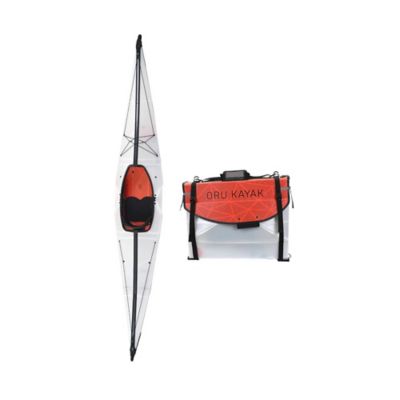
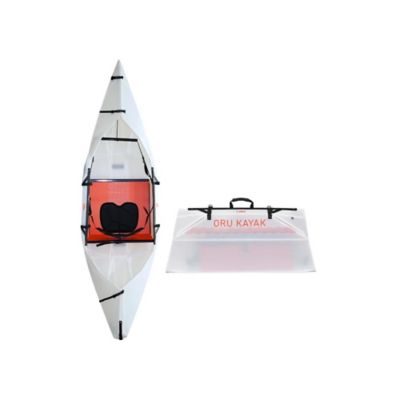
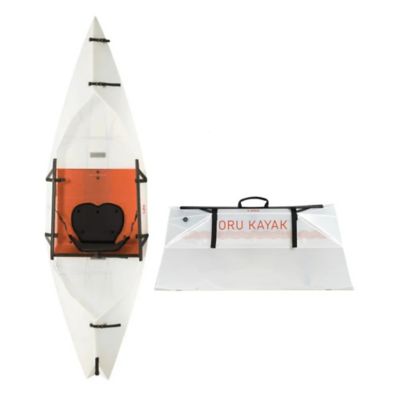
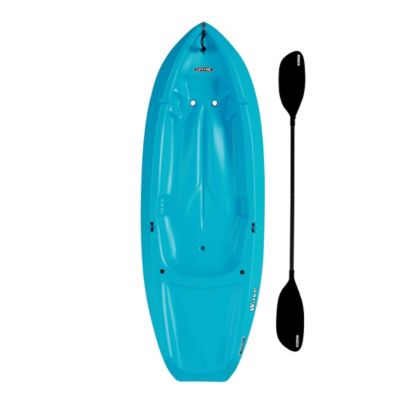
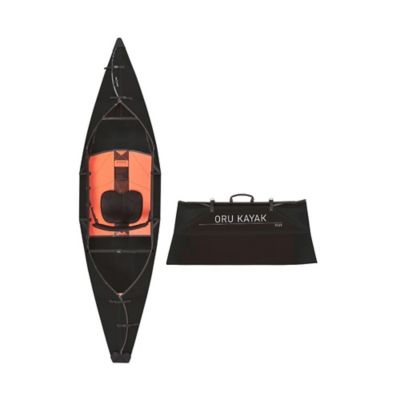
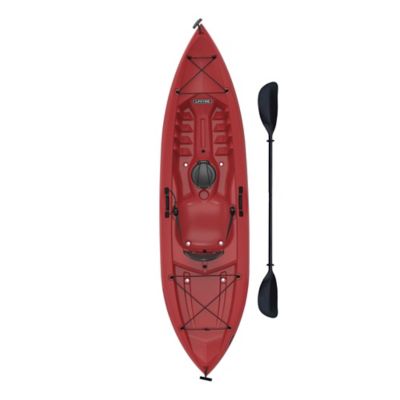
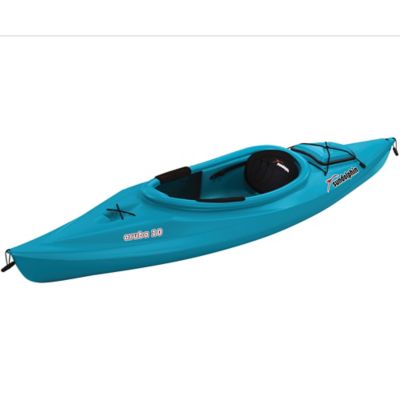
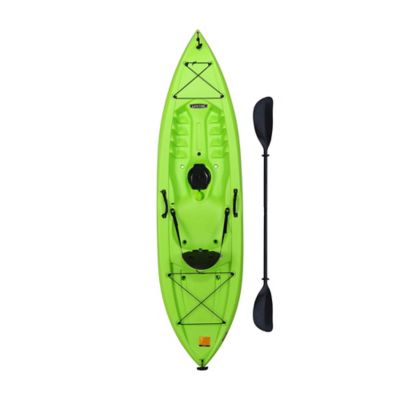
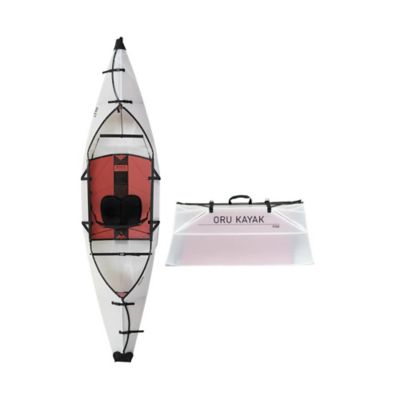
Inflatable recreational kayaks make it possible to keep a full-size paddling boat without finding room for a full-size hull. Once deflated, dried and folded, many models fit into a carry bag that can tuck into a closet, sit on a garage shelf or ride in a vehicle’s cargo area. The actual storage space depends on the kayak’s packed dimensions and everything traveling with it, including the pump, paddle, seats and removable fins. That smaller footprint suits folks with a crowded shed, a small camper or no good place to hang a rigid kayak. It also makes a paddle around a quiet lake easier to work into a trip without planning around a roof rack. A packed bag can ride behind the truck seat or beside other gear when its size and weight fit the space. For easy storage, the most useful measurements are the folded length, width and height, along with the complete carrying weight—not just the boat’s weight by itself. A roomy storage bag can make packing less of a wrestling match, while sturdy handles and backpack-style straps can help between the parking area and the launch. Bag shape matters, too: a long package may fit across a cargo floor but not stand neatly inside a narrow closet. Storage convenience also includes the space needed after a trip, since a kayak needs room to drain and dry before it gets packed away. For a household that wants time on the water without dedicating a whole wall of the garage to a boat, these details matter as much as the kayak’s inflated dimensions. Setup is part of the picture as well. Pumps, valve designs and the number of air chambers affect the work involved at the shoreline, so the whole paddling kit deserves a look alongside the folded boat. A compact package is most helpful when it stays manageable from the storage shelf all the way to the water’s edge.
Materials and construction help determine how an inflatable recreational kayak feels on the water and how it stands up to regular handling. Depending on the design, the hull may feature PVC, reinforced fabric, a protective outer cover or layers that add resistance to abrasion and punctures. Some kayaks include drop-stitch floor panels, which have internal threads that hold the panel’s shape under pressure and create a firmer surface. Others have softer inflatable floors that put more emphasis on a flexible, packable build. Neither construction alone tells the whole story; hull shape, chamber placement and the manufacturer’s pressure requirements all contribute to the ride. Multiple air chambers provide separate sections of flotation, but they do not replace sensible route choices or a life jacket. Recreational models generally suit relaxed outings on lakes, ponds and other sheltered water within their stated operating limits. A broad hull can feel steady when getting settled, while a longer shape and a removable tracking fin may help the kayak hold its direction through repeated paddle strokes. Width and length also affect turning, paddling effort and how much room the boat takes up at a narrow landing. Fit deserves just as much attention as construction. Seat support, legroom, footrests and cockpit space can make the difference between a comfortable lap around the cove and an outing that feels cramped. Taller paddlers need room to stretch their legs without interfering with the person ahead, and tandem paddlers benefit from enough separation for an easy stroke. Capacity figures need to cover the combined weight of everyone aboard and all the gear, including drinking water, bags and paddling equipment. A two-person layout is not automatically a good solo layout, either; seat positioning and the manufacturer’s approved configurations affect balance. For couples, families or friends sharing a boat, the right arrangement leaves room to paddle naturally rather than simply squeezing another seat into the hull.
Care and handling play a big part in keeping an inflatable kayak ready for the next outing. Launching from a clear patch of shoreline puts less wear on the bottom than dragging the hull across gravel, broken shells or rough pavement. Reinforced material can resist everyday scuffs, but it is not puncture-proof, and carrying the boat clear of sharp edges remains important. After paddling, fresh water helps remove grit and residue from the hull, valves, seats and floor seams. Sand caught in folds or beneath a removable floor can rub against the material, so those tucked-away spots deserve attention before packing. Everything needs to dry thoroughly, including fabric covers and the underside of seats, to limit mildew and odors inside the bag. Removable components can make that job easier, provided they go back together according to the manufacturer’s directions. Folding along the recommended lines, keeping valve openings clean and storing the bag away from sharp tools, pests and direct heat help protect the boat between trips. Inflation pressure also matters: each chamber has its own stated limit, and a compatible gauge helps prevent guesswork. A repair kit suited to the hull material is worth keeping with the paddling gear, along with the instructions for patches and adhesives. On the water, every paddler needs a properly fitted, Coast Guard-approved life jacket, and the route should match the boat’s intended conditions and the group’s experience. Easy packing does not turn a recreational kayak into a boat for rapids or exposed crossings. For outings centered on rods and tackle, an
Inflatable Fishing Kayak may have a layout better suited to keeping fishing equipment within reach. For relaxed exploring, a simple recreational layout can leave more open space for legs and a small secured bag. These kayaks can also make a thoughtful gift for a paddler short on storage, especially when the recipient’s fit, carrying limits and usual destinations are part of the choice. The right match keeps storage manageable without overlooking comfort, care or the time spent afloat.