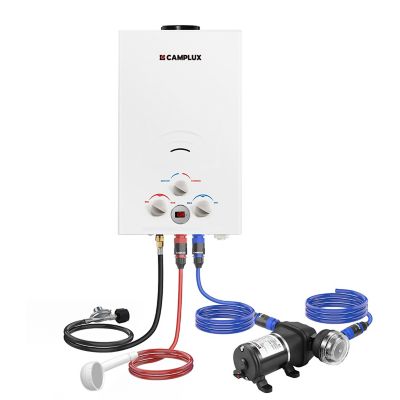
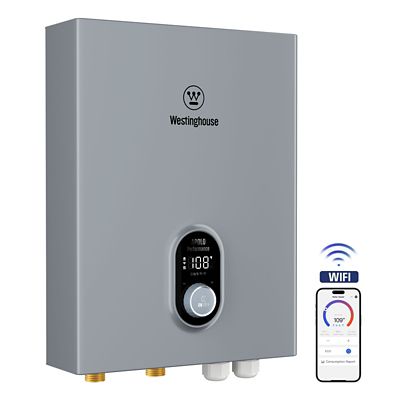
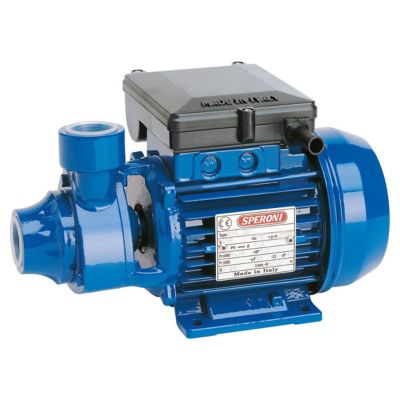
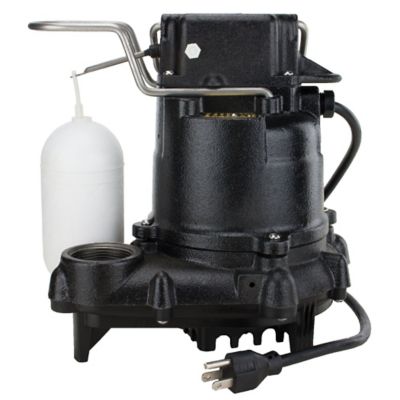
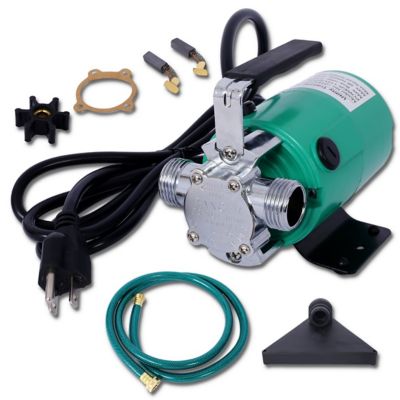
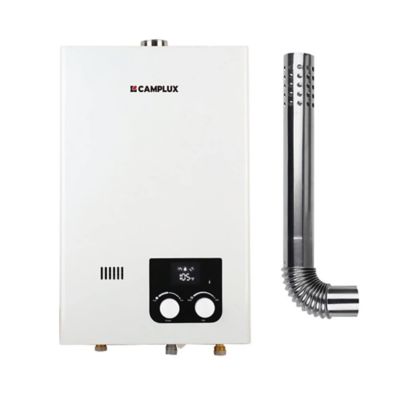
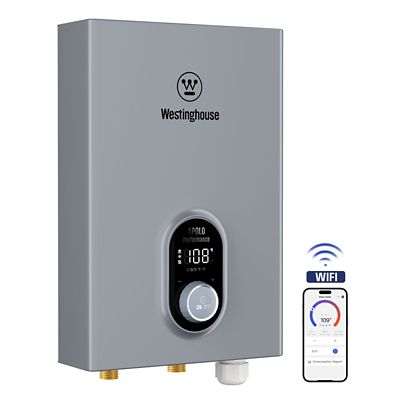
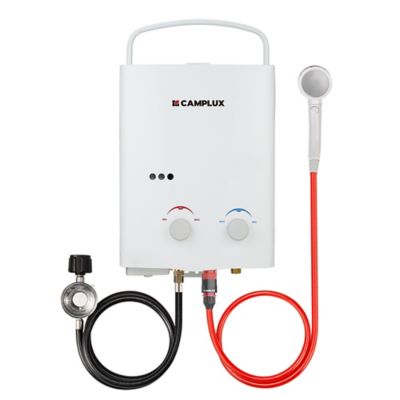
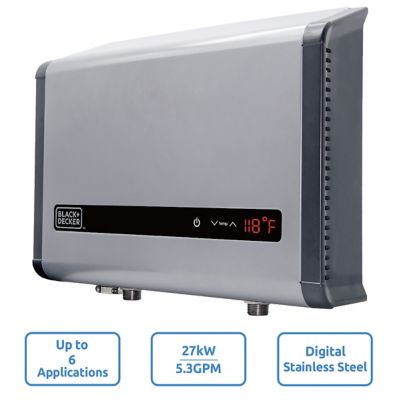
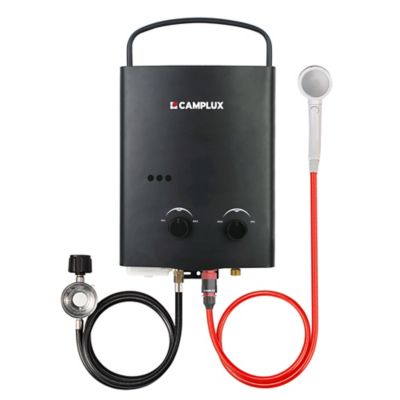
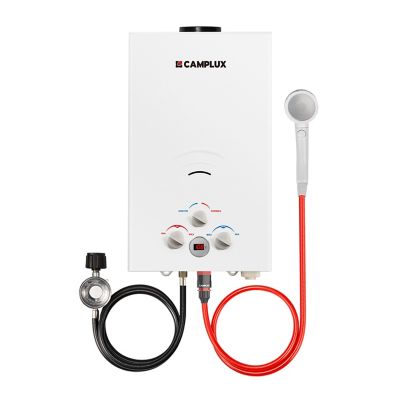
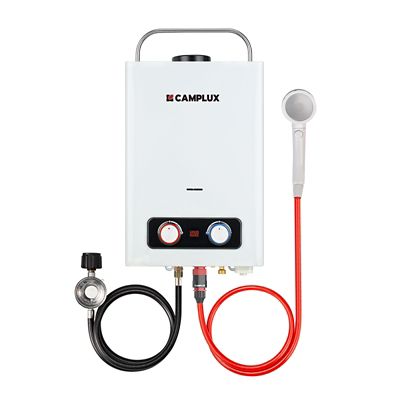
Hot water system pumps move heated water through a piping loop, either to keep hot water closer to faucets or to circulate water through a hydronic heating system. These two jobs call for different pump features, even though both involve moving hot water. A domestic hot water recirculating pump helps cut the wait at a distant sink or shower by returning water toward the water heater instead of letting it sit in a long supply line. In a farmhouse with a bathroom clear across the house from the heater, that can mean less water running down the drain before the tap gets hot. The actual wait depends on the piping layout, control settings, and distance between the circulation loop and the faucet; a pump does not guarantee instant hot water at every fixture. A heating circulator serves a different purpose, moving heated water through connected baseboards, radiators, or radiant-floor tubing and back toward the heat source. It is not a substitute for a well pump or a pressure booster, and it does not heat water on its own. For homeowners, property caretakers, and plumbing professionals, the starting point is matching the pump to the job rather than choosing by motor size alone. Domestic recirculation systems may have a dedicated return line running back from a distant part of the plumbing system. Other compatible arrangements rely on a crossover valve that temporarily sends water back through the cold-water line. That approach can make the cold tap run warmer for a short stretch, an important distinction for a kitchen sink or drinking-water fixture. Tank-style and tankless water heaters can have different circulation requirements, too. A tankless heater may need particular controls, a minimum flow rate, or an approved recirculation arrangement. Compatibility with the heater and plumbing layout matters more than a broad claim that a pump fits household hot water systems.
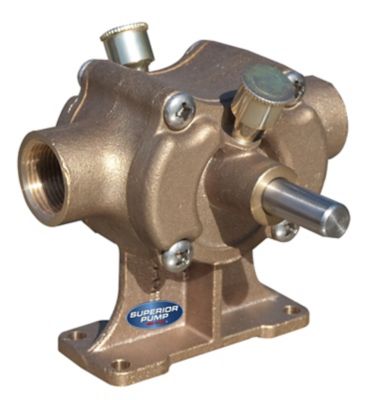
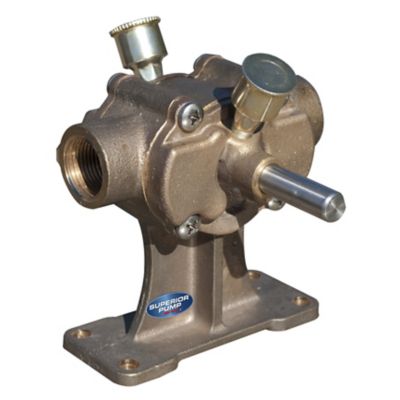
Materials and fit have a big say in how well a hot water circulation pump serves its purpose over time. Pumps for potable water need wetted components suitable for drinking-water service, along with applicable lead-free compliance and drinking-water certifications. Bronze and stainless steel are common housing choices for that work, while cast iron is often associated with properly maintained, closed-loop hydronic heating systems. Housing material alone does not establish suitability; seals, internal components, and the manufacturer's stated application all matter. A pump intended only for a closed heating loop should not be assumed suitable for water flowing to kitchen and bathroom taps. On the fit side, connection diameter, threaded or flanged fittings, overall dimensions, and mounting position affect whether a replacement belongs in the space beside the heater or along the return piping. Matching the distance between existing connections can help avoid unnecessary piping changes, but physical fit is only part of the picture. Required flow and head also need to line up with the system. Flow describes how much water moves, while head describes the resistance the pump must overcome as water travels through pipe, elbows, valves, and equipment. In a filled, closed circulation loop, that resistance is not simply the height of the top-floor bathroom above the pump. Longer runs and restrictive fittings can change the operating requirements substantially. A pump curve shows the relationship between flow and head, making it more useful than a horsepower figure by itself. Too much pumping capacity can create noise and unnecessary electrical demand without improving service at the faucet. Too little may leave circulation short of what the system needs. Maximum fluid temperature, working pressure, voltage, and compatibility with any specified heating-system fluid are other practical checks. For a shop with radiant tubing or a home with several heating zones, the system design determines whether a fixed-speed, selectable-speed, or variable-speed circulator makes sense.
Controls, access, and routine care round out the choice of a hot water system pump. A timer can limit domestic hot water circulation to scheduled periods, while a temperature-based control responds to conditions in the loop. Demand controls activate circulation when hot water is requested through a compatible switch, sensor, or other trigger. These approaches offer different balances of convenience and operating time. A household with a fairly steady morning routine may value scheduling, while a sink at the far end of a property owner's home may benefit from circulation only when somebody needs it. Recirculation can reduce water sent down the drain while waiting for hot water, but continuous operation can increase pipe heat loss and water-heating demand. Suitable pipe insulation and well-matched controls help address that tradeoff without promising the same savings for every building. Motor design also affects electrical consumption, and electronically commutated motors can offer lower electrical demand at suitable operating points. Noise deserves attention when plumbing sits next to a bedroom, kitchen, or work area. Proper sizing, secure piping, correct mounting orientation, and removal of trapped air all contribute to smooth operation; a quiet motor cannot make up for a poorly arranged loop. Many wet-rotor circulators rely on the circulating fluid for lubrication and should not run dry. Service needs vary, so care should follow the pump manufacturer's directions rather than a general lubrication routine. Accessible isolation valves and connection points can make future maintenance less disruptive, while visible leaks, new vibration, or a change in circulation deserve a closer look. Mineral buildup, debris, and unsuitable water chemistry can affect service life, especially when system conditions fall outside the stated limits. Electrical connections, potable-water requirements, and local plumbing rules also make professional installation worth considering. For projects involving more than hot water circulation, the broader
Plumbing Pumps category provides context for other water-moving applications. Keeping each pump matched to its intended task helps support steady operation, sensible maintenance, and a plumbing setup that fits the way a home or work building functions.