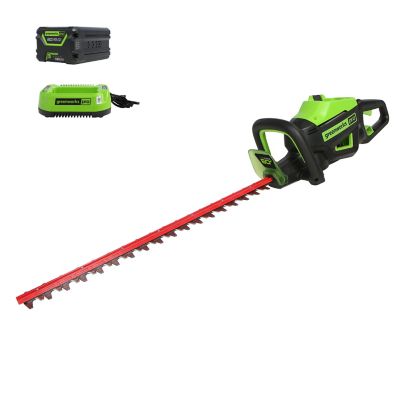
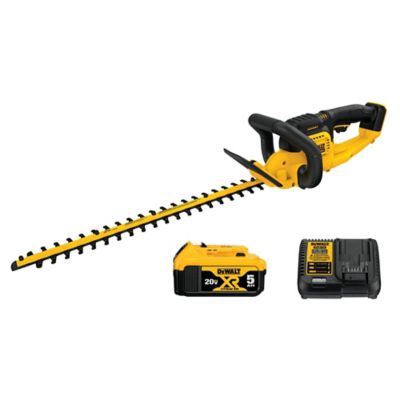
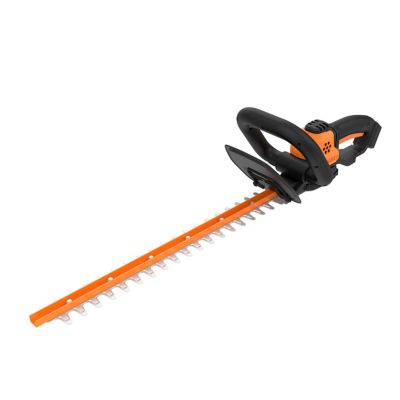
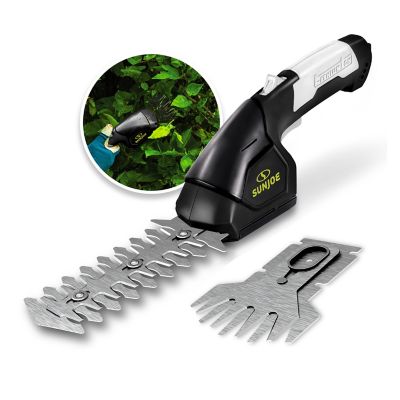
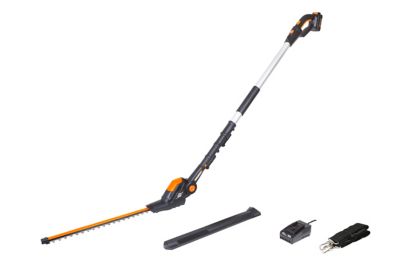
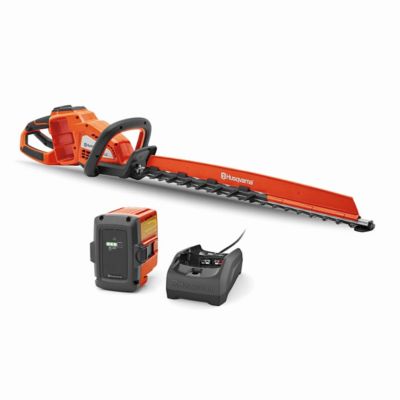
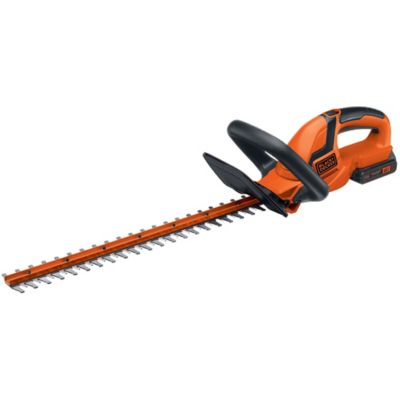
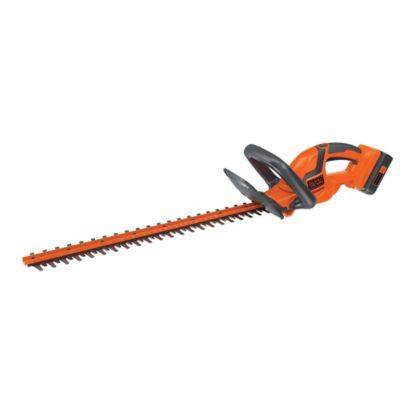
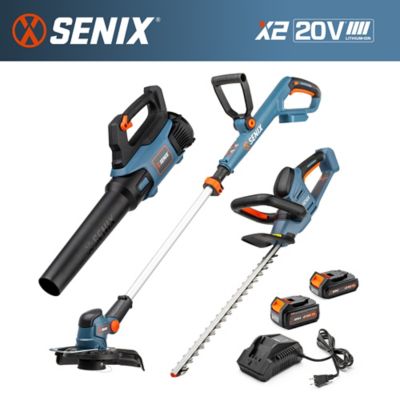
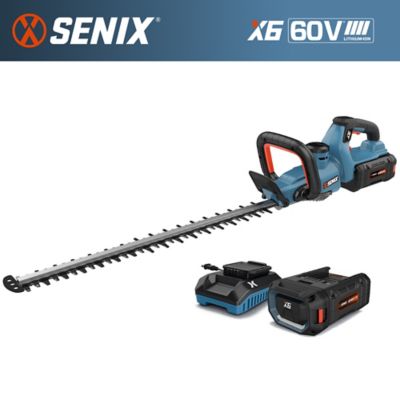
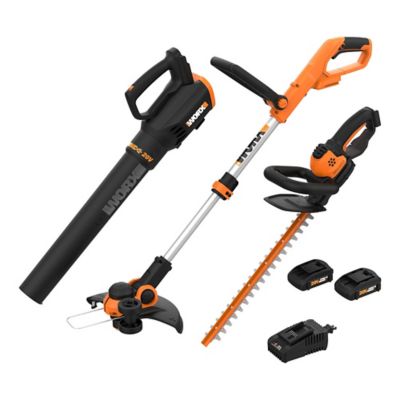
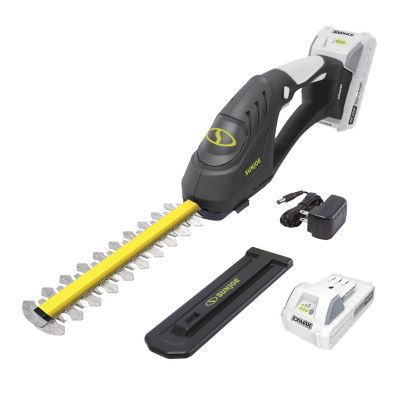
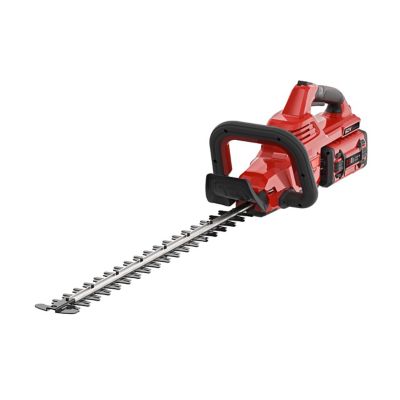
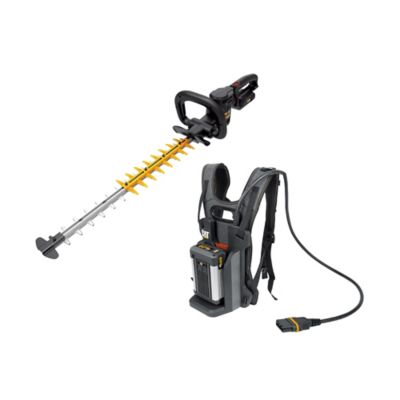
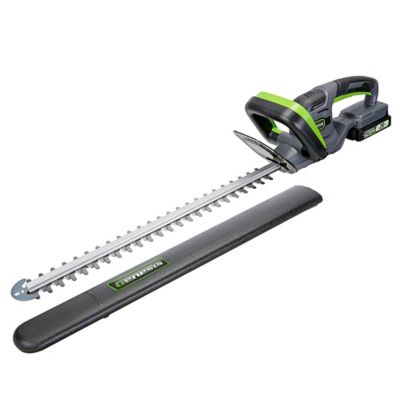
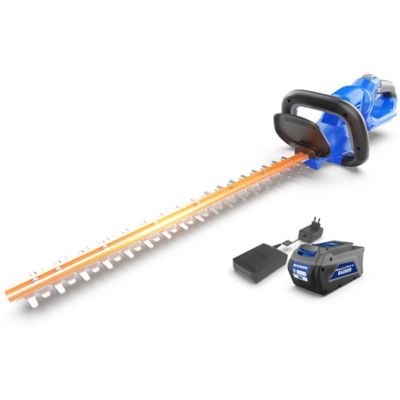
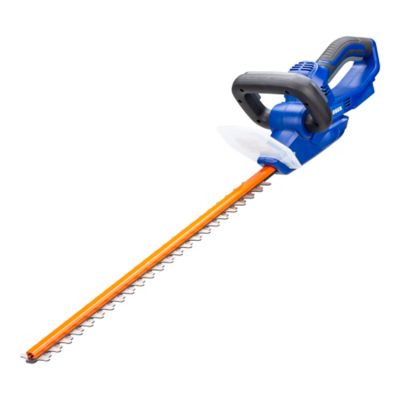
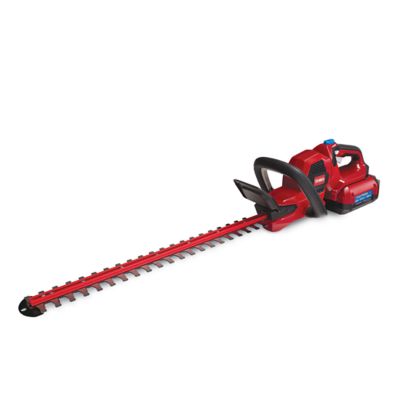
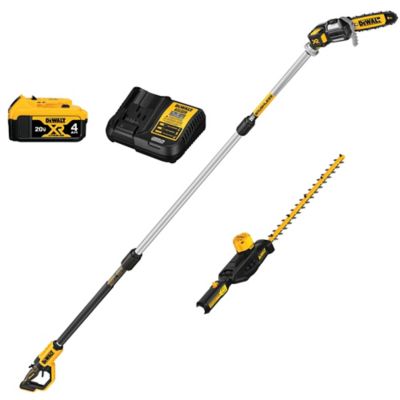
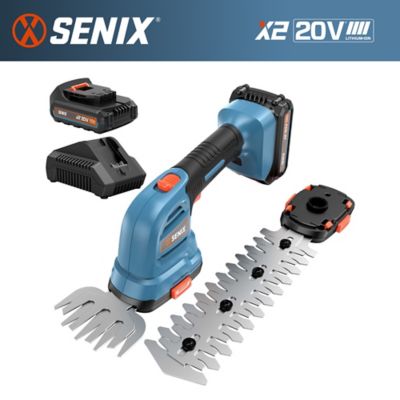
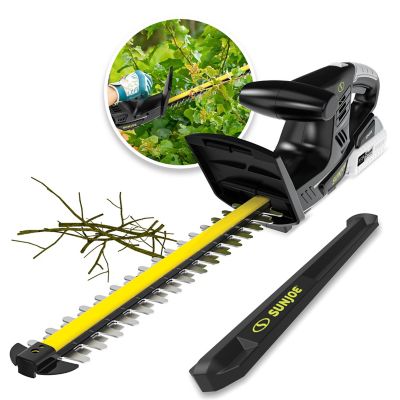
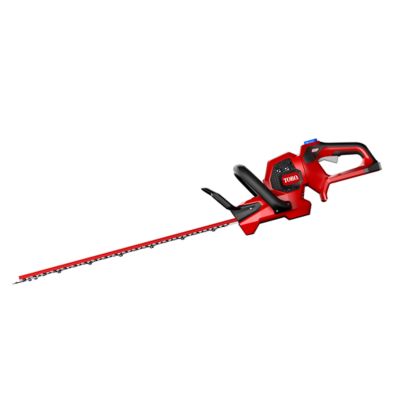
Cordless hedge trimmers with a battery and charger combine a battery-powered trimming tool, a compatible rechargeable battery and charging equipment in one kit. They make sense for keeping foundation shrubs neat, shaping a hedge along the driveway or tidying the greenery beside a garden gate without dragging an extension cord across the yard. Battery power also means there’s no fuel to mix or engine to pull-start before tackling a few overgrown branches. The included battery and charger give the tool a starting setup, though kit contents, battery capacity and charging times deserve a close look when comparing options. These trimmers are meant mainly for shaping hedges and cutting suitable new growth, not taking down thick limbs or clearing brush indiscriminately. Blade length, tooth spacing and the manufacturer’s stated cutting capacity help show where a trimmer fits. A longer blade can cover more hedge with each pass and help maintain a broad, even face, while a shorter blade can feel easier to steer around rounded shrubs, corners and tight spaces beside a porch. Tooth spacing affects how branches enter the blade, but the rated cutting capacity—not the appearance of the teeth—sets the limit for branch thickness. Woody stems beyond that limit call for an appropriate pruning tool rather than extra pressure on the trimmer. Blade construction matters, too. Steel cutting blades need sharp edges and proper alignment for clean cuts, and corrosion-resistant finishes can help protect the surface when paired with regular care. Double-sided cutting blades allow trimming movements in either direction, making them practical for working across hedge tops and along vertical sides. For a short row of boxwoods or a longer stretch of shrubs bordering a fence, the right balance of cutting reach and control matters more than simply choosing the biggest tool.
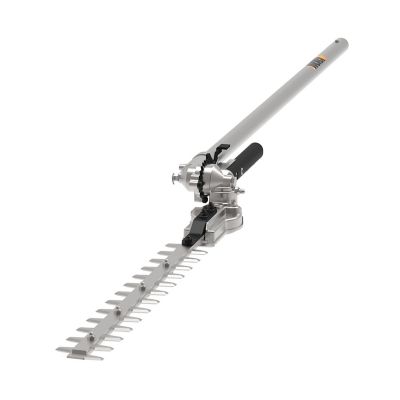
Comfort becomes especially noticeable when a quick touch-up turns into several passes along a hedge. The tool’s weight with its battery installed gives a better picture of handling than the bare-tool weight alone. A larger-capacity battery may extend working time, but it can also add weight, so the best fit depends on the amount of trimming and how long the tool stays in hand. A well-positioned front handle, a comfortable rear grip and balanced weight help with steady movement across both flat tops and upright sides. Some handle designs allow different grip positions for changing the cutting angle without awkward wrist movements. Standard handheld trimmers suit shrubs within comfortable reach; taller hedges may call for a purpose-built pole hedge trimmer rather than stretching a handheld tool overhead. Even with extra reach, footing and control still matter, especially along uneven ground or narrow planting beds. Battery-system compatibility is another practical consideration for anyone who already has cordless yard equipment. Batteries and chargers must match the tool’s approved platform; a shared voltage number alone does not make different systems interchangeable. For shoppers comparing that voltage class,
40V Hedge Trimmers offer a related category to explore alongside battery capacity, tool weight and cutting specifications. Voltage by itself does not establish cutting performance or runtime. Motor design, blade condition, branch thickness and battery capacity all play a part, and dense growth generally demands more energy than light shaping. Brushless motor designs can improve efficiency, though the full tool specifications still tell the more useful story. Charging time also affects the workday: a compact hedge beside the front steps has different demands from a long boundary planting. A compatible spare battery can help reduce interruptions on larger jobs, while a smaller trimming area may not call for that extra capacity.
Good care helps keep a cordless hedge trimmer ready for the next round of yard work. Sap, leaves and fine clippings can collect around the cutting teeth, so accessible blade surfaces and straightforward cleaning requirements are worth considering. Cleaning and lubrication should follow the tool manufacturer’s directions, with the battery removed before any blade maintenance or obstruction clearing. Sharp, properly maintained blades cut more cleanly than neglected edges, which can snag stems and leave rough ends. A blade sheath helps cover the cutting edge during storage and transport, while a secure spot on a garage shelf or in a shed keeps the tool away from loose hardware and accidental contact. Batteries and chargers need their own care as well, including clean contacts, an appropriate storage location and charging practices that follow the supplied instructions. The charger should match both the battery platform and the household electrical supply, and damaged batteries, housings or cords need attention before further operation. Around the property, a little preparation protects both the hedge and the equipment. Wire fencing, plant supports, hidden stakes and landscape lighting cables can sit close to branches, so a clear view of the cutting area matters. Eye protection, sturdy footwear and the recommended hearing protection belong with the job, and both hands should stay on the designated handles while the blade is moving. Children, pets and bystanders need room away from the work area. For homeowners maintaining a few shrubs, gardeners keeping a shaped border or property owners managing longer hedge rows, a kit can simplify getting the tool, battery and charger matched up. It can also make a practical gift for someone who enjoys tending the yard, provided the tool’s weight, reach and battery platform fit the recipient’s needs. The most useful setup is one that feels manageable in hand, suits the growth being trimmed and is straightforward to clean, charge and put away.