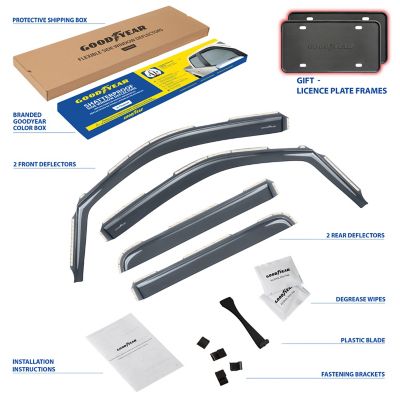
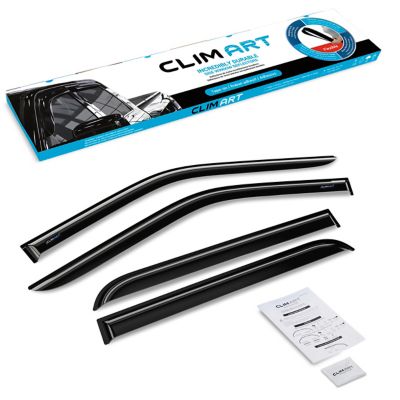
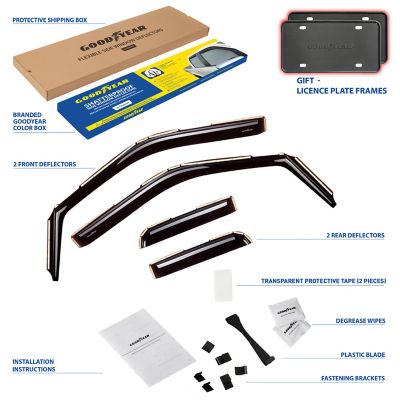
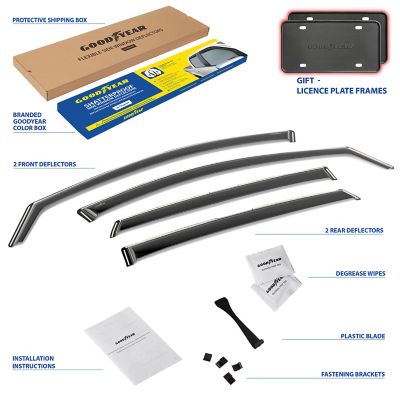
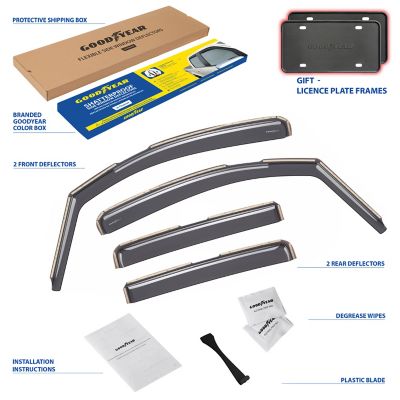
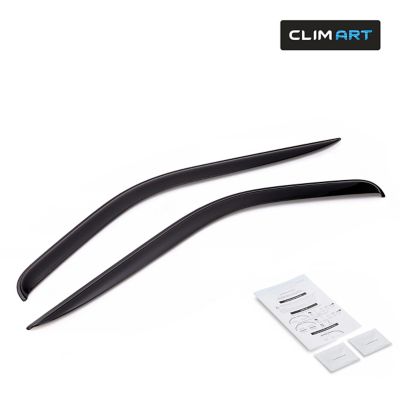
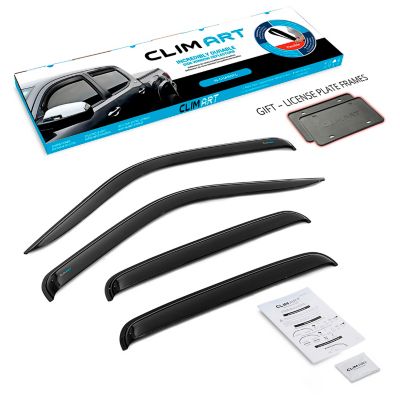
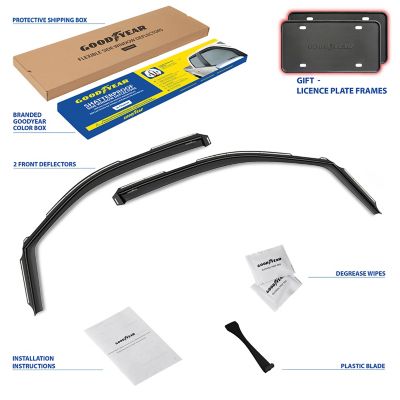
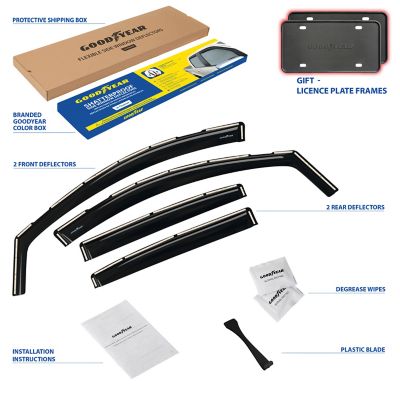
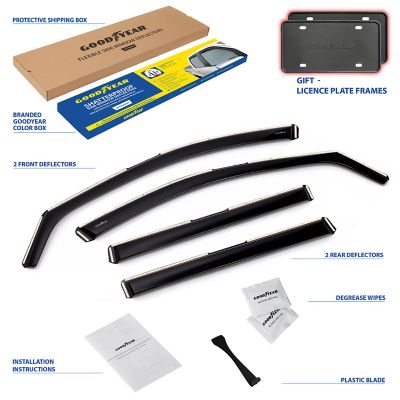
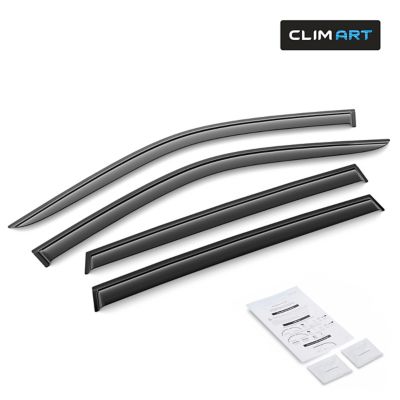
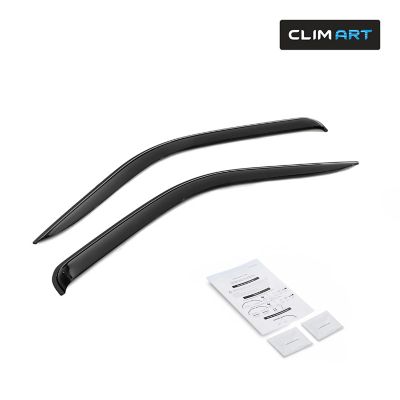
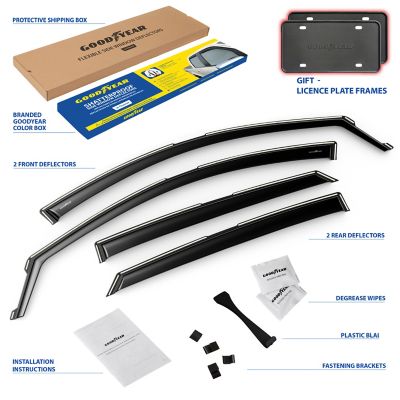
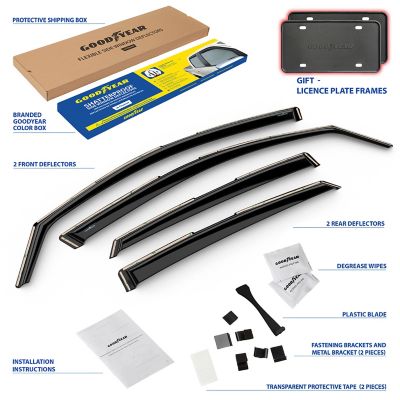
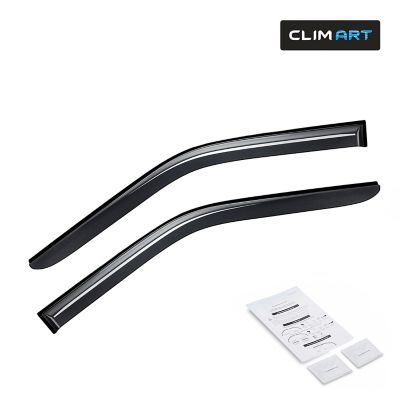
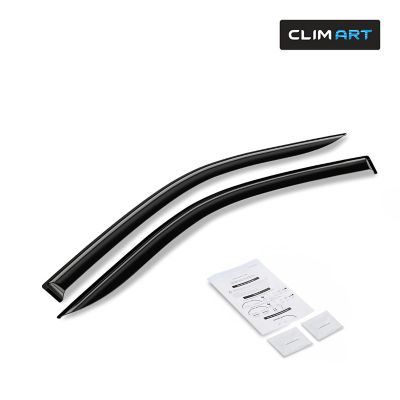
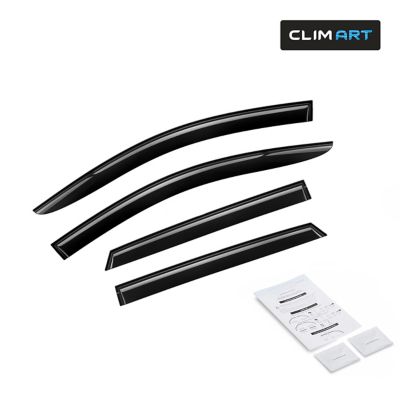
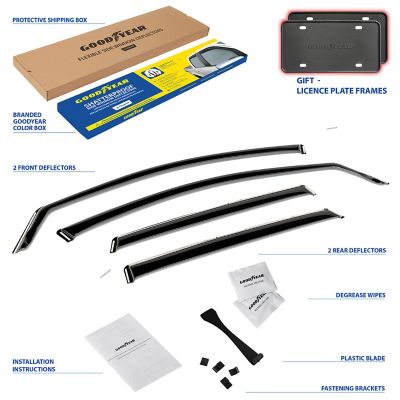
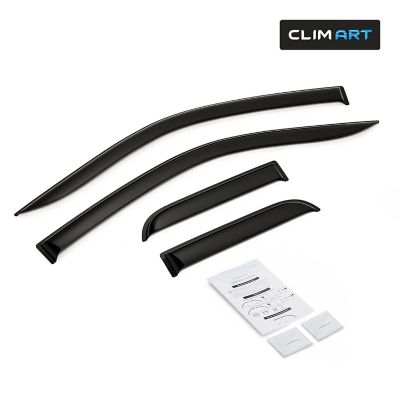
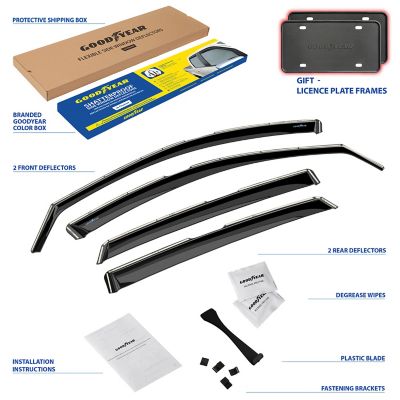
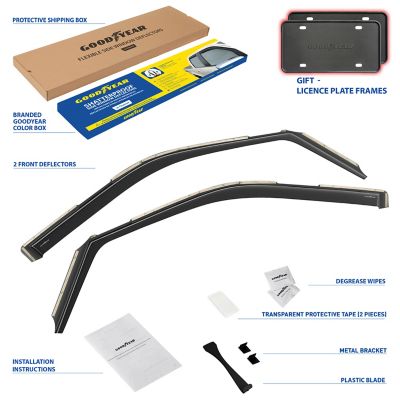
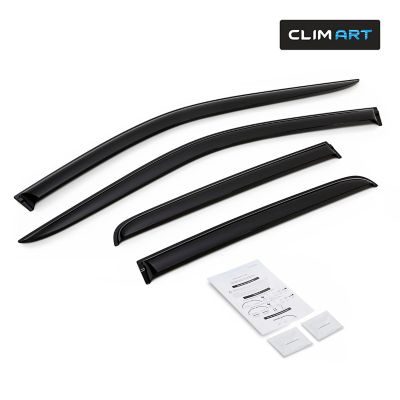
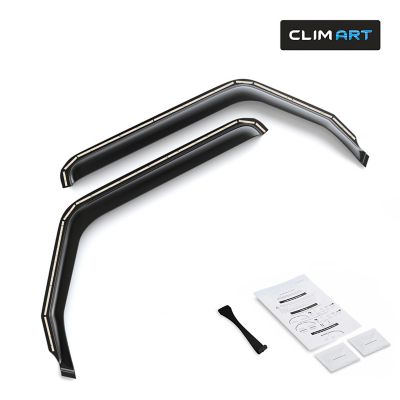
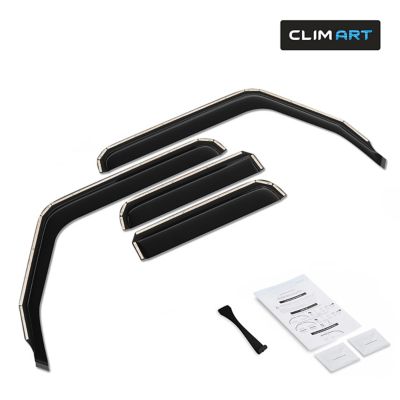
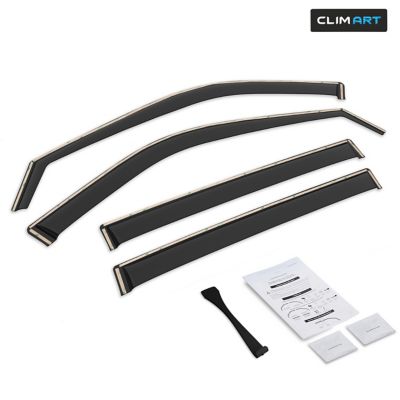
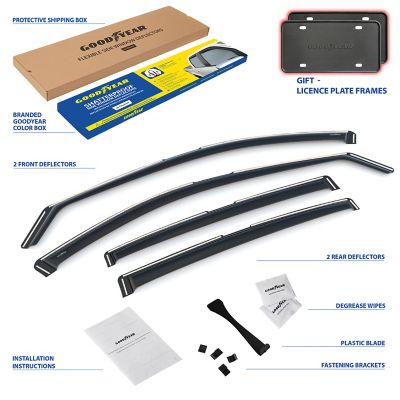
Rain guards for cars, also called side window deflectors or vent visors, make it easier to bring fresh air into the cab without leaving the windows wide open. Their curved shape helps shield the top of an open window from rain, wind, glare and some road spray, which comes in handy on everything from a long highway drive to a dusty trip down a gravel road. Crack the windows during a passing shower and the interior can stay drier while stale air moves out. During the warmer part of the year, leaving the windows slightly open while a vehicle is parked lets some trapped heat escape before you climb in. They can also help reduce the buffeting feeling that comes from driving with a window partly down. These accessories are a practical fit for commuters, contractors, farmers, outdoor workers, parents and anyone who spends plenty of time behind the wheel. They make a thoughtful gift for a new driver, a family member who travels for work or a friend who keeps a truck, SUV or car ready for weekend trips. For broader vehicle protection when the car is parked outside, you can also browse
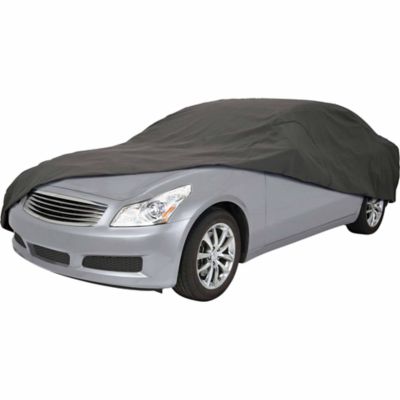
Tarpaulin Covers For Cars. Whether your vehicle sits beside the barn, in a driveway or at a jobsite, choosing coverage and ventilation that match the way you use it can help keep the interior more comfortable through changing weather.
Start by matching the rain guards for cars to the exact year, make and model of the vehicle. Window shape, door design, trim and mirror placement can vary even between nearby model years, so a close-looking fit is not always the right fit. Pay attention to the installation style, too. In-channel guards tuck into the upper window channel for a clean, low-profile appearance and may suit drivers who prefer a more integrated look. Tape-on or outside-mount guards attach to the painted surface above the window with automotive-grade adhesive, making them a useful choice when the window channel has limited room or when a simple exterior installation is preferred. Check whether a set is intended for the front windows only or includes the rear doors, and make sure the number of pieces matches your vehicle. A properly fitted guard should sit evenly, follow the window line and leave enough clearance for the glass to move freely. Look for smooth, durable material with a shape that follows the door rather than forcing it into place. Before buying, consider your usual driving conditions. Someone who regularly travels narrow country roads may value extra protection from dust and light rain, while a highway commuter may care most about airflow and reduced wind disturbance. If you haul pets, tools or feed, being able to ventilate the cab without exposing the entire interior can be especially useful. A little shade over the top of the window may also reduce direct glare, though rain guards are not a replacement for safe driving or clear visibility.
Careful installation helps rain guards for cars stay in place and keeps the windows operating as they should. Begin with a clean, dry vehicle and read the included instructions before removing any adhesive backing. Wash away road film, wax and dirt, then wipe the mounting surface or window channel thoroughly with isopropyl alcohol so the adhesive has a solid surface to bond with. Test-fit each guard first, checking the front and rear edges, corners and mirror area before pressing anything down. On tape-on styles, warm conditions can help the adhesive bond, while very cold or damp conditions may make installation more difficult. Line up the guard patiently; once the backing is removed, repositioning can weaken the adhesive. Press firmly along the full length, paying close attention to the ends. In-channel styles need equal care because a guard that is slightly out of position can interfere with the glass or trigger the vehicle’s window safety system. After installation, keep the windows rolled up for about 48 to 72 hours so the tape can cure and the seals can settle. Avoid automatic car washes, heavy scrubbing and high-pressure spray around the edges during that period. Afterward, operate each window slowly and listen for rubbing, clicking or unusual resistance. If anything feels off, stop and check the fit rather than forcing the glass. During the cooler months, inspect the guards and adhesive after sharp temperature changes, frost or repeated wet weather. A soft cloth and mild soap are usually enough for routine cleaning. With the right fit and a careful installation, these simple accessories can make a daily driver, work vehicle or family car more comfortable whenever the weather turns wet, warm or breezy.