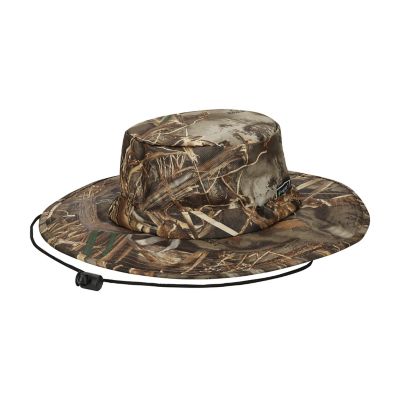
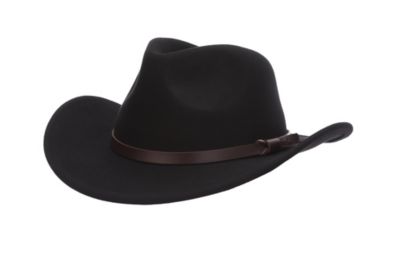
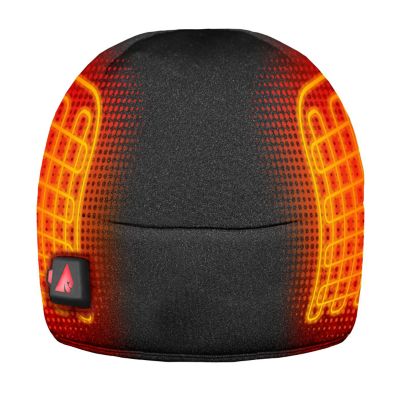
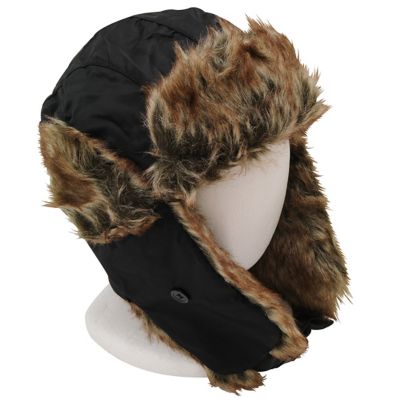
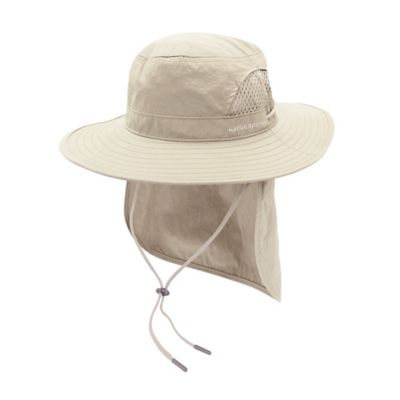
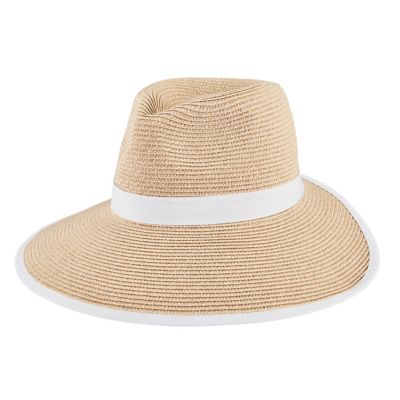
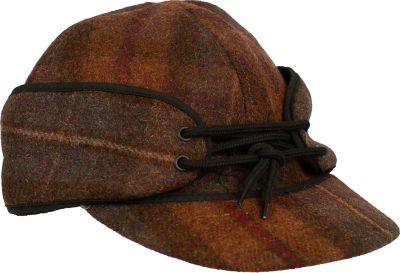
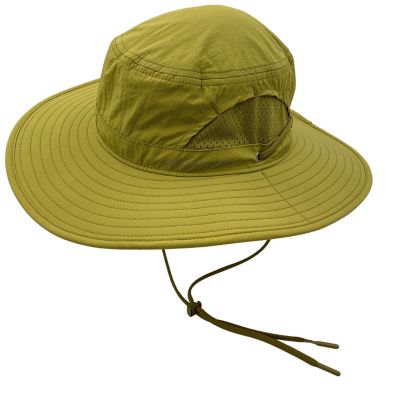
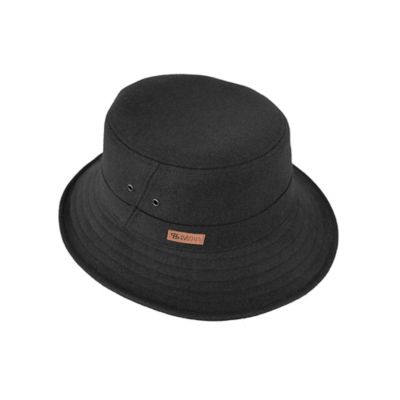
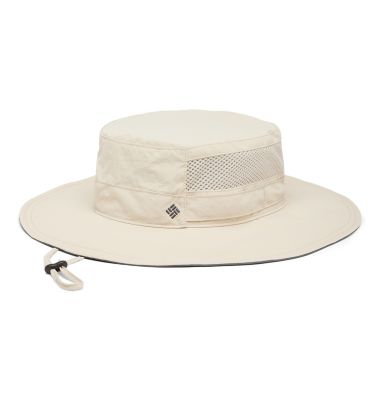
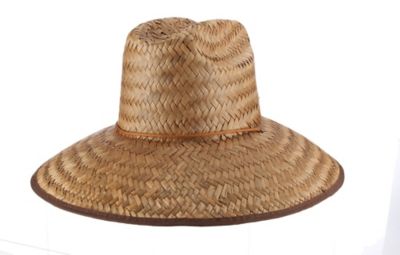
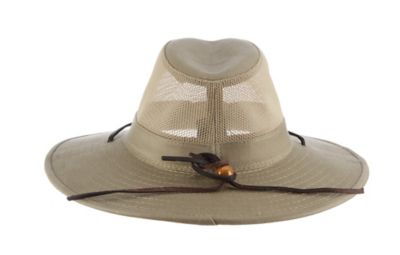
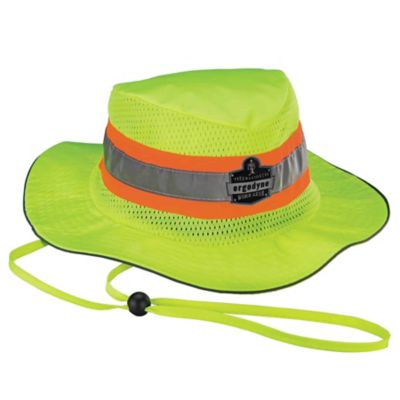
Rain hats for men earn their place by the back door when chores don’t stop for a steady drizzle. Walking a fence line, filling feeders, hauling firewood or heading down to the pond can mean spending a good stretch outdoors with water running off a coat collar. A rain hat helps keep that water off the head and out of the face, with coverage that depends on the brim, fabric and construction. A brim that reaches all the way around can direct runoff away from the ears and neck, while a shorter brim takes up less room around a jacket hood or high collar. The difference matters when bending over a gate latch or looking down into a feed bin, since those movements change where water drips. Brim shape matters, too: a downward slope can shed water, but the front should still leave a clear view of the ground ahead. Nylon and polyester are common choices for lighter rain hats, often paired with a water-shedding treatment, coating or waterproof layer. Treated cotton and waxed canvas offer a different feel, with a little more body that may suit everyday work around the property. Fabric alone doesn’t tell the whole story, though. Stitching, seams and ventilation openings all affect how much rain can get through. Water-resistant construction can handle some moisture, while a hat labeled waterproof should be evaluated for its stated protection and seam details. A waterproof fabric doesn’t necessarily make every stitched area watertight. For a quick trip from the house to the barn, light coverage may be enough; several hours checking livestock or tending equipment calls for closer attention to the whole design. Men who spend their days on farms, job sites or wooded acreage may value practical coverage more than a particular look, but a straightforward rain hat can fit just as easily into a fishing trip, a dog walk or a wet morning running errands.
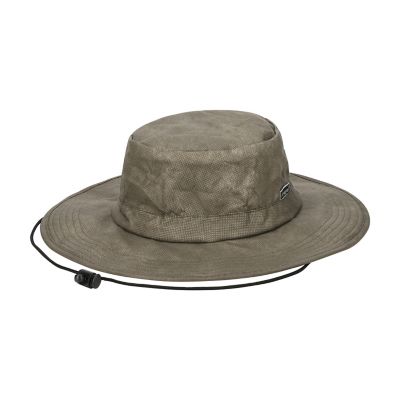
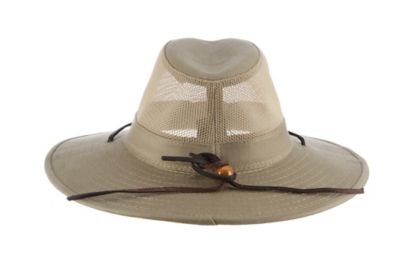
Fit makes a big difference once a rain hat has been on for more than a few minutes. The crown should settle comfortably without pressing against the forehead, and the band should feel secure without leaving a tight line around the head. Measuring around the head where the hat will sit gives a useful starting point, but sizing charts and fit descriptions still matter because shapes vary. A deeper crown may feel steadier on some heads, while a shallower one can sit too high or lift more easily in a gust. Adjustable bands help fine-tune the fit, especially when switching between a close haircut and longer hair. If a thin ear-covering layer will go underneath, leave enough room for it without making the hat loose when worn alone. A chin cord can help keep a brimmed hat in place across an open pasture or beside the water, though dangling cords need care around moving equipment and anything they might catch on. For work that requires head protection, an ordinary rain hat is no substitute for the required safety gear. Comfort also comes from what happens inside the hat. An inner sweatband can help manage perspiration, while a lining may keep a coated shell from resting directly against the skin. Breathable construction is worth considering for active chores, but ventilation needs to be balanced with rain coverage; open panels can let moisture through. For outings when airflow matters more than keeping rain out,
Mesh Hats For Men offer a different kind of everyday coverage. In a rain hat, sheltered vents or breathable waterproof materials may provide a middle ground, depending on the design. Weight and packability count as well. A soft hat that folds according to its care directions can tuck into a coat pocket or daypack, while a firmer brim may hold its shape better in wind. Neither approach suits every task, so the best fit comes down to how the hat feels and where it needs to go.
The way a rain hat holds up over time depends on its construction, the work it sees and the care it gets between outings. Repeated folding, rubbing against a jacket collar and riding beneath tools in a truck can all take a toll on fabric, brim edges and finishes. Even stitching, neatly finished edges and secure cord attachments are worth a close look, especially for a hat that will leave the house nearly every day. A crushable design can be handy for travel, but a structured hat needs room in storage rather than a heavy coat or toolbox on top of it. After a wet day, let the hat air-dry in a ventilated spot before putting it away. Keep it away from a stove, radiator or other direct heat unless its care directions say otherwise, since heat can affect coatings, fabrics and shape. Mud and dust are often easier to address with gentle spot cleaning than a full wash, but the label should set the cleaning method. Some materials tolerate washing, while others call for a damp cloth, a soft brush or a cleaner made for that finish. Waxed fabrics may need occasional treatment with a compatible wax, and certain water-shedding finishes may need renewal following the maker’s directions. When water stops beading on the surface, it can be a sign that the outer treatment needs attention, though that alone doesn’t tell whether an underlying waterproof layer has failed. Drying the inner band thoroughly also helps keep the hat comfortable for the next outing. For a gift, a rain hat makes sense for someone who would rather finish the evening chores than duck inside at the first sprinkle. A known head measurement, a familiar brim shape and a color that fits the recipient’s usual work clothes make the choice more personal without sacrificing practicality. Whether it hangs beside a raincoat or rides along in a gear bag, a well-fitting rain hat is a simple piece of equipment that can make a damp day outside less of a bother.