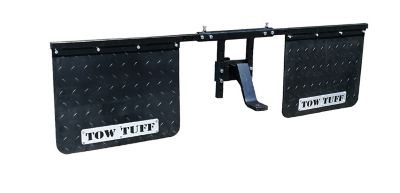
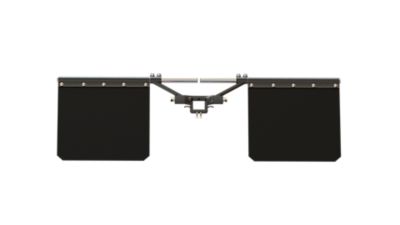
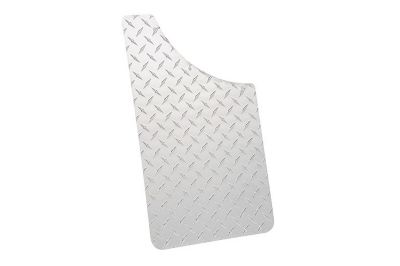
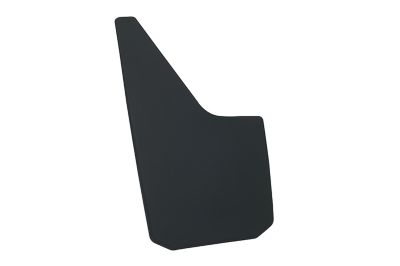
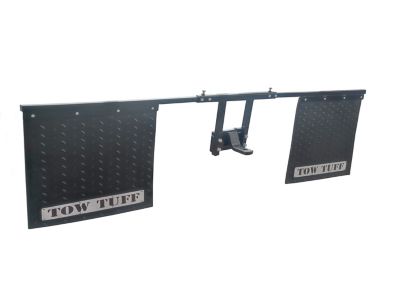
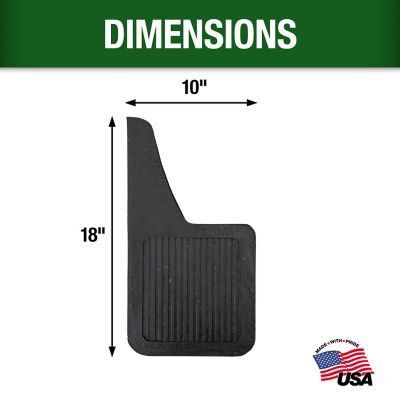
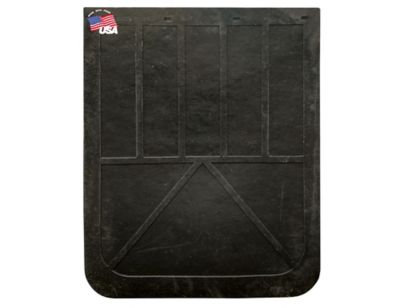
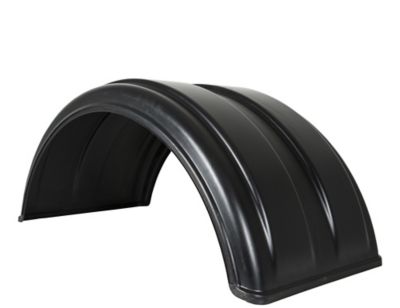
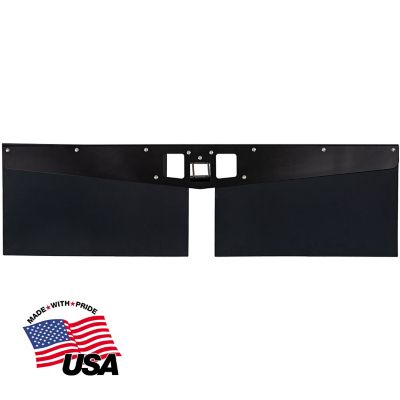
Mud flaps for trucks help keep mud, gravel, water and other road debris from being thrown behind the tires. That extra protection matters on a work truck headed down a gravel road, a farm truck crossing a muddy lot or a pickup pulling a trailer through wet conditions. Without a good set of flaps, stones and slush can strike the truck’s paint, rocker panels, wheel wells and lower body, while spray can reach nearby vehicles and the front of a towed trailer. Mud flaps are available in several shapes, materials and mounting styles, so the right choice depends on how the truck is used and how much room there is around the tires. Flexible rubber is a familiar choice for everyday work because it can bend when it brushes against ruts, packed dirt or uneven ground. Molded thermoplastic and other formed materials can provide a clean, close fit around the wheel opening, while thicker, weighted construction can help keep flaps steady when the truck is traveling at highway speeds. Some are made for the front wheels, some for the rear, and some towing guards are designed to cover the area behind the truck or across the back of the bumper. A simple, properly fitted flap can save a lot of time spent washing grit from the sides of a pickup, especially during the cooler months when wet roads, loose gravel and early frost can leave a stubborn film behind.
Before choosing mud flaps, check the truck’s year, make, model and body style, then compare those details with the fit information for the set you are considering. A close-fitting, vehicle-specific design may use factory mounting points and require little or no drilling, which can help protect painted metal and make installation more straightforward. Universal flaps offer more flexibility for older trucks, work builds and unusual setups, but they may need trimming, brackets or careful measuring before installation. Pay close attention to the tire size, wheel offset and suspension height. A lifted truck, wide wheel or oversized tire can need extra-wide flaps or offset mounting hardware to provide useful coverage without rubbing the sidewall. With the truck parked on level ground, turn the steering wheel from side to side and look for clearance between the tire, flap and mounting hardware. Rear flaps should sit low enough to block spray and debris but high enough to avoid dragging over normal driveways, field entrances and uneven job sites. For trucks that tow campers, livestock trailers, utility trailers or equipment haulers, heavier flaps or hitch-mounted towing guards can help reduce flapping and keep road spray from reaching the trailer. Weight, thickness and mounting strength all matter when a truck spends long hours on the highway. It is also worth checking whether the set includes the needed brackets, fasteners and support plates, since having the right hardware on hand makes the job easier. After installation, tighten the fasteners, confirm that both sides hang evenly and take a short drive over a familiar road before heading out on a longer trip. A quick look after the first few drives can catch loosened hardware or a clearance issue before it becomes a bigger problem.
Truck mud flaps make a practical addition for drivers who put their pickups to work, including farmers, ranchers, landscapers, contractors, hunters, campers and anyone who regularly travels unpaved roads. They are useful for a daily driver that sees muddy back roads just as much as they are for a heavy-duty truck hauling feed, fencing, firewood or tools. A set can also be a thoughtful gift for someone who takes pride in keeping a truck ready for the next job, whether that means pulling a stock trailer at sunrise or hauling supplies home after a long day. When selecting a style, think about the truck’s regular routine rather than appearance alone. A pickup used mostly around town may benefit from a neat, close-fitting set, while a truck working around gravel, clay soil and wet pasture may call for thicker rubber, greater coverage and stronger mounting. Drivers who spend time towing should consider how the flaps behave in wind and whether they protect the trailer as well as the truck. Those adding other exterior equipment can coordinate the setup with items such as
Truck LED Lights for better visibility around a trailer, loading area or dark jobsite. Regular maintenance is simple: rinse away packed mud, inspect the mounting points and replace a flap if it becomes cracked, badly worn or too short to cover the tire path. With the right fit and a solid installation, mud flaps help keep a hardworking truck cleaner, protect nearby equipment and make every trip down a wet road or dusty lane a little less messy.