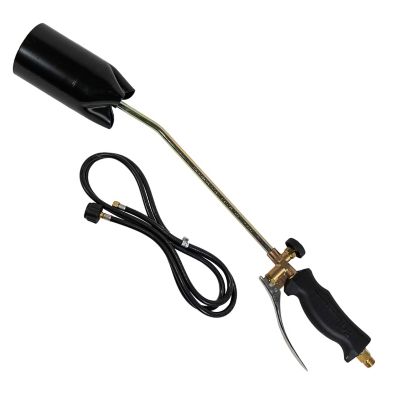
Propane torches for weed control put concentrated flame heat to work on unwanted plants without spraying herbicide. Also called propane weed burners, these outdoor tools damage plant tissue with heat, causing exposed growth to wilt and die. The goal is heat injury, not burning every stem down to ash, and a scorched surface does not mean the roots are gone. Small annual weeds generally respond more readily than established plants with deep roots, while persistent perennial weeds may send up new growth and need repeat attention. That distinction matters along a gravel driveway, between paving stones, or around a stone walkway where weeds keep finding a foothold. A propane weed torch can suit landowners, groundskeepers, and folks looking after farmsteads who want another option for managing scattered growth on suitable, noncombustible surfaces. It is not a selective treatment: nearby grass, flowers, and other wanted plants can suffer the same heat damage as the weeds. That makes these burners a poor match for picking weeds out of a lawn or working close to tender garden plants. Gravel and hardscape areas still need a careful look, since fallen leaves, hidden plant litter, wood edging, landscape fabric, and other combustible materials can turn a small patch of weeds into a fire hazard. Prolonged heating can also harm certain paving materials, joint fillers, or surface coatings. A broad gravel turnaround and a narrow path beside a wooden fence present very different working conditions, even when the weeds look much the same. The right torch depends on both the amount of ground to cover and the surroundings where the flame will operate. For a short stretch of open stone path, manageable size and controlled output may matter more than maximum heat. For longer runs of suitable gravel, reach, hose length, and tank handling become bigger considerations. These tools offer targeted weed control without herbicide application, but they still produce an open flame, hot surfaces, and combustion exhaust, so they are not a hazard-free substitute for other approaches.
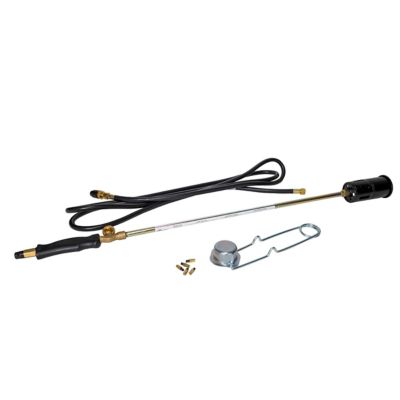
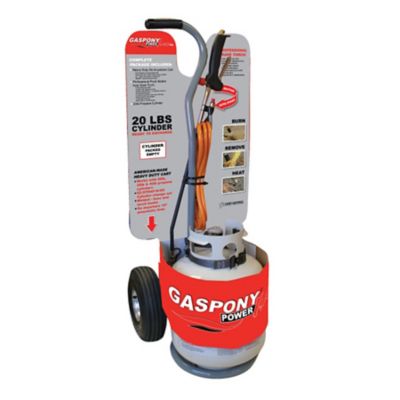
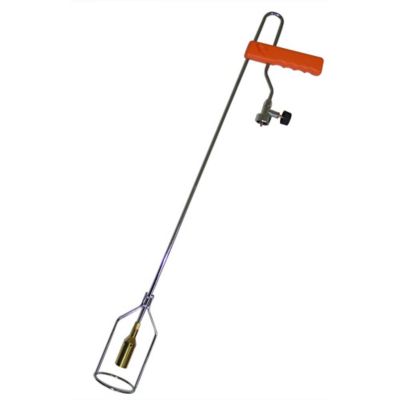
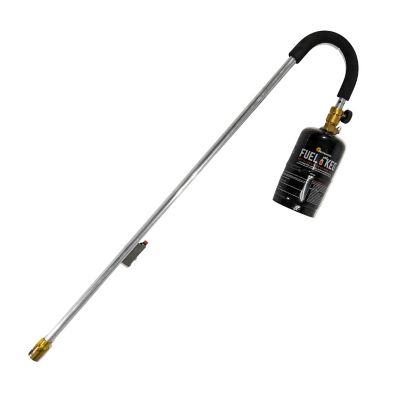
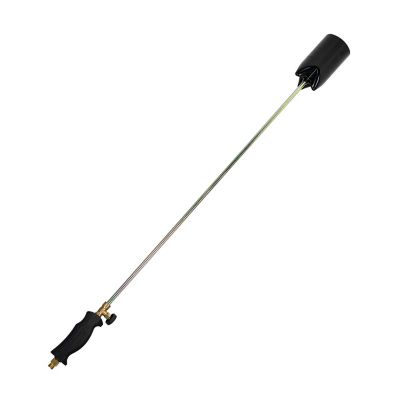
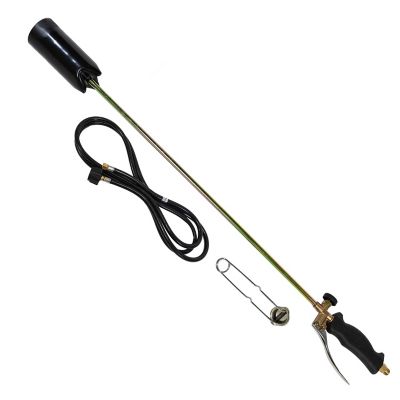
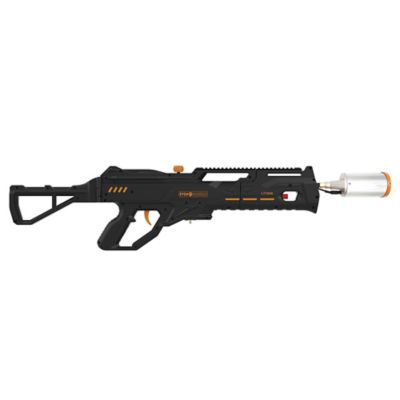
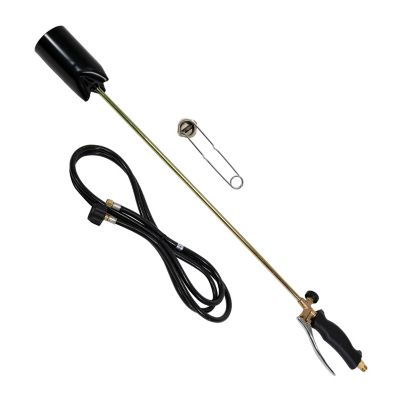
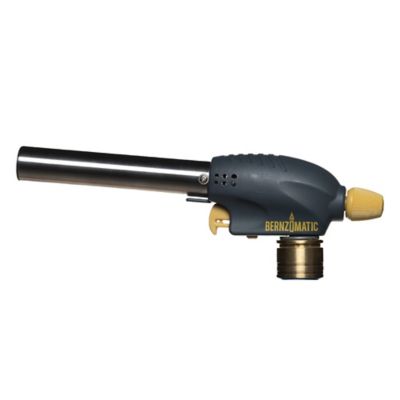
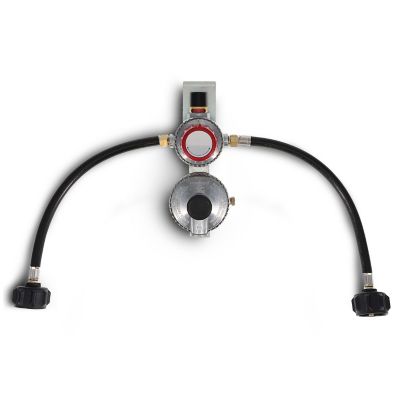
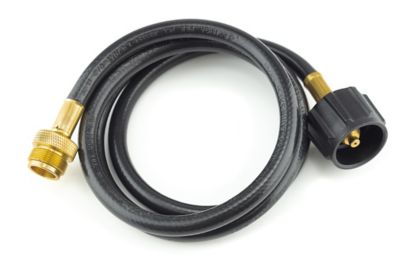
The construction of a propane torch affects how it feels through a stretch of property chores. Metal burner heads and wands withstand the heat at the working end, while handle shape, grip material, and overall balance influence comfort and control. Steel construction can add heft; lighter designs may be easier to carry, though the burner assembly, hose, and fuel container all contribute to the working setup. A longer wand can help keep the operator upright and farther from the flame, while a shorter tool may be easier to position in an open area with limited room to maneuver. Neither length nor weight tells the whole story, especially when gloves change how firmly a handle sits in the hand. Valve placement, trigger action, and ignition style also deserve attention. Some torches have built-in ignition, while others require a separate lighting method specified by the manufacturer. Some offer a trigger for increased output, but controls and shutoff arrangements vary, so that feature should never be assumed. Burner output is commonly stated in BTU per hour, a measure of heat output rather than a promise of how much ground the tool will clear. Greater output can bring a larger flame and higher fuel consumption; controlled heat and a manageable flame pattern are often more useful around scattered weeds. Fuel setup is another important difference. Compact burners may connect to small propane cylinders, including 1-pound cylinders, while larger assemblies may connect by hose to a refillable tank such as a 20-pound propane cylinder. The cylinder size alone does not establish compatibility. Connections, pressure requirements, regulators, and hoses must match the torch’s specifications, without improvised adapters or mismatched parts. A hose-fed arrangement can give the operator more reach from a stationary tank, but the hose needs room away from the flame, sharp edges, traffic, and tripping hazards. A cylinder-mounted setup puts the fuel weight closer to the hand. Thinking about the actual route along a driveway or across a gravel work area helps make those differences more practical than comparing burner output alone.
Care and safe handling belong in the buying decision just as much as reach and fuel capacity. A weed burner is an outdoor tool, not equipment for enclosed barns, garages, crawl spaces, or other spaces where combustion gases can build up. Clear separation from buildings, vehicles, fuel storage, fencing, and combustible ground cover is essential, and local burn rules or fire restrictions may rule out operation entirely. Suitable work clothing, sturdy closed-toe footwear, gloves, and eye protection should follow the manufacturer’s recommendations; loose clothing and fabrics that melt near heat are poor choices around an open flame. Children, pets, and livestock need to stay outside the working area. Fire-control equipment appropriate to the surroundings, such as a charged hose or suitable extinguisher, belongs within reach, and smoldering material can remain a concern after the visible flame is gone. Those requirements make accessibility and clear sightlines important parts of choosing where a torch fits into property maintenance. Between jobs, attention to the burner opening, hose condition, fittings, and controls helps keep problems from going unnoticed. Cracked hoses, damaged seals, loose connections, and malfunctioning valves call for repair or replacement according to the manufacturer’s directions, not a makeshift fix. Leak checks must follow the equipment instructions and never involve a flame. The burner head also needs time to cool before handling or storage, since metal can remain hot after shutoff. Propane cylinders need secure, upright storage in an appropriate ventilated location that meets applicable requirements, not inside a home or enclosed vehicle. Equipment upkeep is easier when the torch, cylinder connection, and replacement components are clearly identified and the operating manual stays handy. Other propane-powered equipment serves a different purpose:
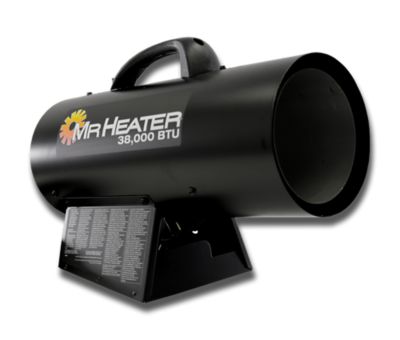
Propane Forced Air Heaters provide heat for manufacturer-approved spaces rather than targeted weed control, with their own fuel and ventilation requirements. For keeping unwanted growth in check around suitable gravel and hardscape areas, a well-matched weed torch brings together comfortable handling, compatible fuel components, controlled flame output, and a setup that fits the work around the place.