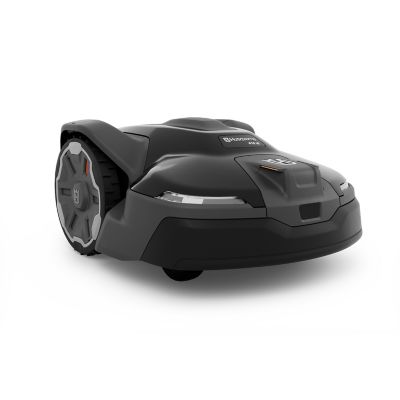
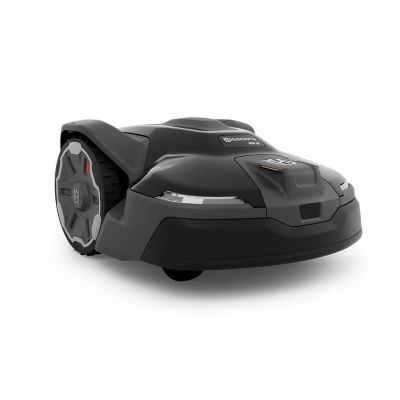
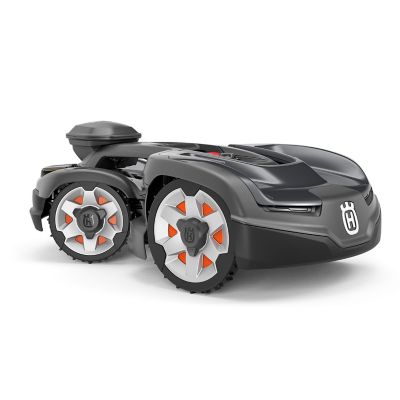
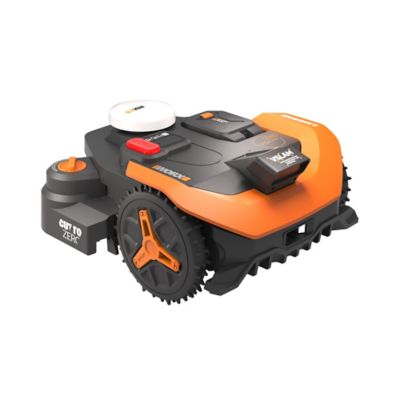
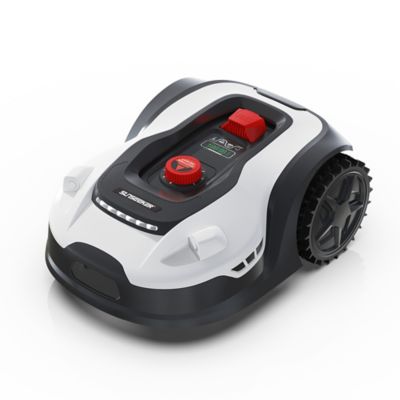
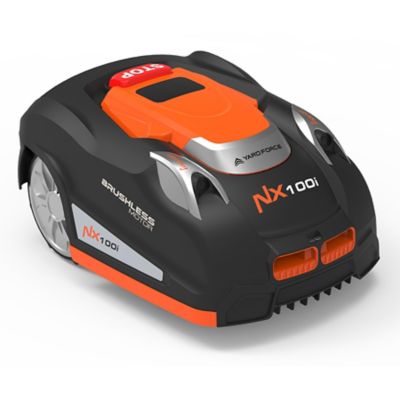
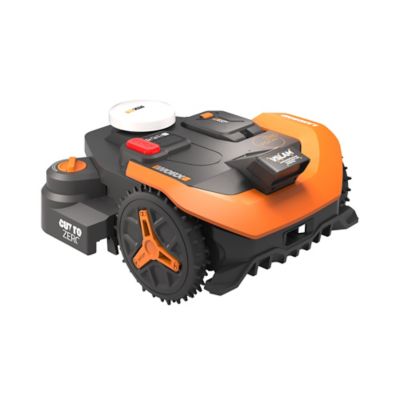
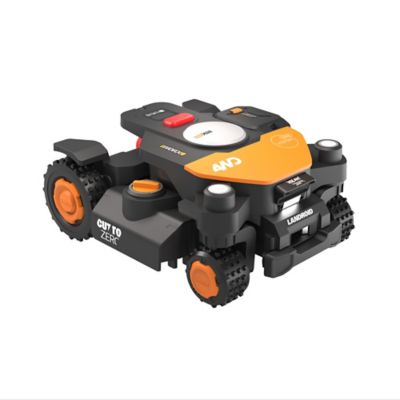
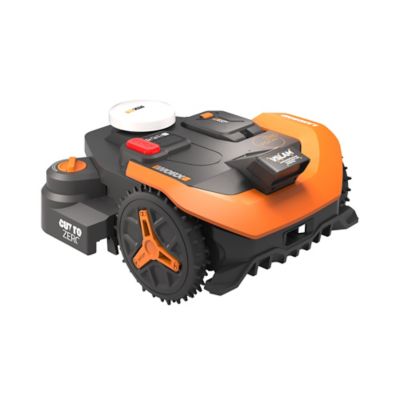
A programmable lawn mower, often called a robotic lawn mower, is a battery-powered mower that cuts grass on a schedule with little hands-on work once the yard is set up. Instead of spending a warm afternoon walking behind a mower, you can create a mowing plan through a control panel or smartphone app and let the machine handle regular trimming while you take care of chores around the farm, garden, or house. Many models return to a charging dock when the battery gets low, then head back out to finish the job. This steady routine usually means the mower clips only a small amount of grass at a time, leaving fine clippings on the lawn to break down naturally. Depending on the model, navigation may use a perimeter wire, GPS or RTK satellite positioning, cameras, sensors, or a combination of these systems. Wire-free units can often map the property by having you guide the mower around the lawn’s edge with an app, while perimeter-wire models use a physical boundary installed around the mowing area. Both approaches can work well; the better fit depends on your yard, comfort with setup, and the kind of control you prefer. Programmable lawn mowers are handy for homeowners who want a tidy lawn without giving up their weekends, older adults who would rather avoid pushing a heavy mower, and busy families balancing work, livestock, gardens, and outdoor projects. They can also make a thoughtful gift for someone who takes pride in a well-kept yard but does not enjoy the noise, fuel, or physical effort of traditional mowing. Before choosing one, measure the total mowing area rather than the size of the whole property. A house, driveway, pond, barn, wooded patch, play area, and garden may take up much of the acreage. Check the mower’s stated coverage and consider choosing extra capacity if the lawn includes several sections or grows quickly during wetter stretches.
Yard layout and terrain are just as important as square footage. Look closely at slopes, narrow passages, uneven ground, soft spots, roots, gravel crossings, and places where one lawn connects to another. A mower designed for a smaller, open lawn may be a good match for a level backyard, while a larger property with hills or multiple mowing zones may call for stronger traction, wider coverage, better obstacle detection, and a more capable navigation system. Pay attention to the maximum slope rating, wheel design, cutting width, battery run time, and whether the mower can manage separate zones. Some programmable mowers can be scheduled to work in different areas at different times, but a disconnected section may require carrying the mower there or adding a suitable transition route. Mapping features can help you outline the mowing boundary and mark no-go zones around flower beds, trees, pools, ponds, children’s play equipment, fire rings, dog runs, and other areas that should stay off limits. Even smart sensors need a little help from good yard preparation. Pick up hoses, toys, branches, feed pans, and loose tools before a mowing cycle, and keep low-hanging cords or temporary fencing out of the mower’s path. If your yard uses a perimeter wire, plan the route carefully and secure it according to the manufacturer’s instructions so it stays in place through rain, foot traffic, and routine lawn care. For app-connected models, check the strength of your home’s Wi-Fi or cellular signal where the mower will operate, along with the requirements for mapping, updates, and remote control. GPS or RTK navigation can offer precise positioning in open areas, but heavy tree cover, tall structures, or tight spaces may affect performance. Camera-based systems can help recognize obstacles, though it is still wise to keep the mowing area clear. During cooler, wetter weather, watch for saturated soil and slippery slopes, and follow the recommended charging and storage instructions when the mower will not be used for an extended period.
Cutting height and mowing frequency deserve some thought, especially if you are used to mowing once a week with a conventional machine. A programmable lawn mower generally works best when it trims often enough to maintain an even height, rather than trying to cut down a tall, overgrown lawn all at once. Set the cutting height for your grass type and local conditions, and raise it during heat or dry spells to help the lawn hold moisture. The ability to schedule specific days and times lets you avoid busy outdoor hours, keep the mower away from gatherings, or have it work during periods when the yard is usually empty. Look for rain sensors or weather-related controls if your property tends to stay damp, and consider noise levels if the mower will operate near a bedroom, neighboring home, or livestock area. Safety features such as lift and tilt detection, automatic blade stopping, PIN protection, geofencing, and obstacle sensors can provide added peace of mind, but children and pets should still be kept away from an active mower. Dogs may need time to get used to the quiet movement, while curious pets and small children should never treat the mower like a toy. Keep the charging station on stable, level ground with the recommended clearance and access to power. Regular care is simple but important: clear grass from the underside, inspect the blades, check the wheels, clean the sensors, and look over the boundary system for damage. Replace blades as needed so the mower makes clean cuts instead of tearing the grass. For additional background on established robotic mowing options, visit
Husqvarna Robotic Lawn Mower. With the right coverage rating, navigation method, terrain capability, and schedule, a programmable mower can keep grass looking freshly trimmed through the growing season and reduce the amount of time spent pushing, fueling, and storing traditional lawn equipment.