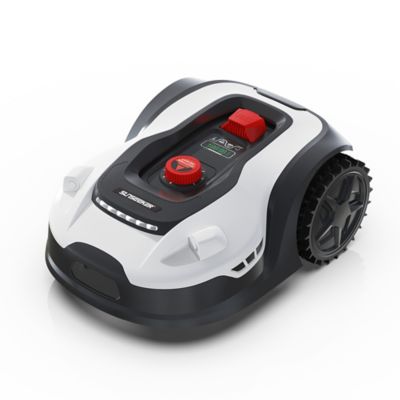
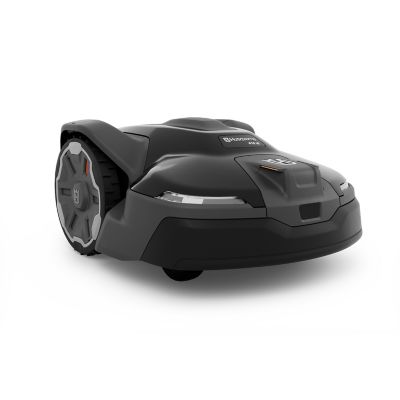
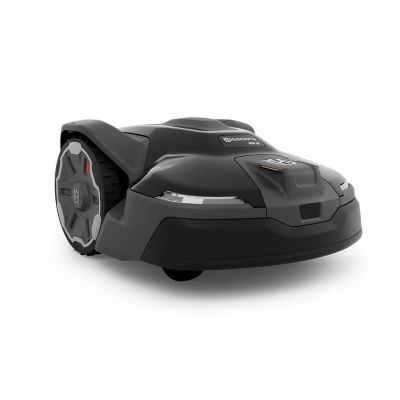
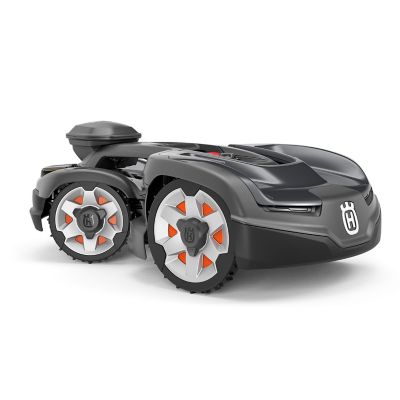
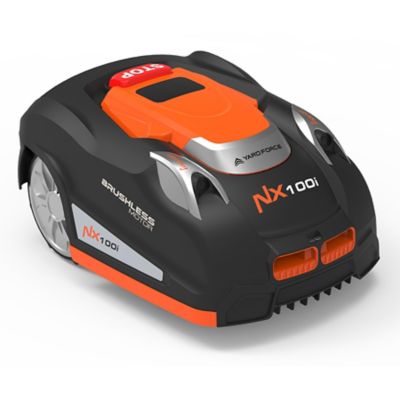
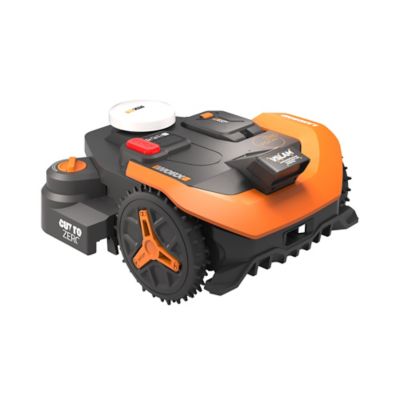
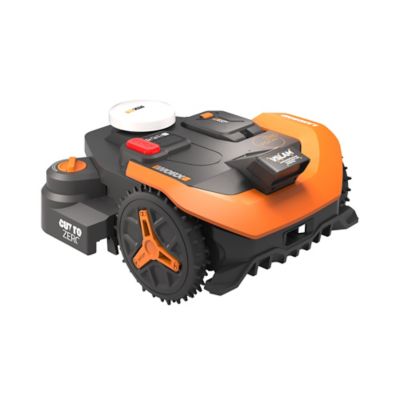
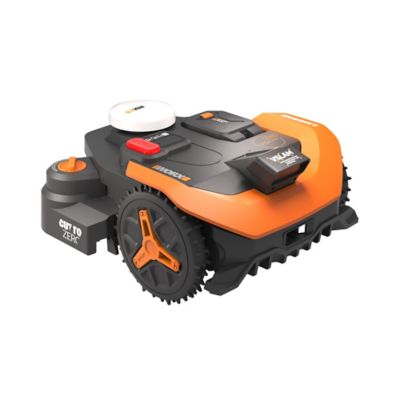
A self-cutting lawn mower, also called a robotic lawn mower, can take on routine grass trimming with little hands-on work from the homeowner. Instead of pushing a mower across the yard each weekend, you set the mowing area, choose a schedule, and let the machine travel through the grass on its own. Most models make small, frequent cuts rather than removing a large amount of grass all at once. Those fine clippings settle back into the lawn, while the steady mowing pattern helps keep the yard looking freshly trimmed through changing weather. This setup can be a practical fit for homeowners with open lawns, small acreage, vacation properties, rental homes, and country lots where grass seems to grow faster than free time allows. It can also lend a hand to anyone who has trouble walking behind a mower for long stretches, including older homeowners or folks recovering from an injury. During the cooler months, mowing may slow as grass growth tapers off, but a self-cutting mower can still be helpful during stretches of mild weather. Before shopping, take a close look at the size of the area you want to mow. Product coverage is often listed in square feet or acres, and the rated area should leave room for garden edges, sheds, trees, play spaces, and other sections the mower will not cut. A yard that looks simple from the driveway may have narrow passages, separate lawn sections, or uneven ground that affects the best fit. Sketching the lawn or measuring each section can make it easier to compare mower capacity and plan the mowing boundary.
Terrain is another major part of the decision. A flat, open lawn may work well with a standard drive system, while rolling ground, drainage slopes, rough patches, and hills call for a mower built to keep traction. Check the listed slope limit and compare it with the steepest part of your property, not just the average grade. Some specifications describe slope as a percentage, while others use degrees, so make sure the figures are understood before making a choice. All-wheel drive can help a mower climb and turn on more challenging ground, while wider wheels and a thoughtful tread pattern may help it cross uneven spots. Low areas that collect water, loose gravel, exposed roots, thick weeds, and deep ruts also deserve attention. A self-cutting lawn mower generally performs best when the mowing area is cleared of hoses, toys, branches, wire, and other loose items. Many models rely on a boundary wire installed around the lawn, beneath the soil or secured along the edge, to tell the mower where it can travel. Wire-free systems may map the property with GPS, RTK positioning, LiDAR, cameras, or a combination of navigation tools. These options can reduce installation work, though trees, buildings, tall fences, and signal conditions may affect how the mower finds its way. App controls may let you set mowing times, check the mower’s location, adjust areas, or pause operation from a phone. Look for clear setup instructions and consider whether your home has steady wireless coverage near the charging station. For related equipment that gives an operator direct control from a distance, browse
Remote Control Mower options as well.
A charging station needs a level, well-drained place with access to power and enough room for the mower to approach and leave without bumping into obstacles. Positioning it under some cover can help shield the station from heavy rain and harsh sun, while keeping the route open prevents repeated interruptions. Check how long the mower can run between charges, how long a full charge takes, and whether it returns to the station on its own when the battery runs low. Battery-powered operation keeps fuel cans, oil changes, and engine starting out of the regular mowing routine, but the blades, wheels, sensors, and underside still need regular attention. Grass clippings can collect around the cutting deck, especially when the lawn is damp, so inspect the mower and follow the care instructions before clearing buildup. Keep the blades sharp and replace them according to the manufacturer’s schedule, since clean blades help the mower make a neat cut and avoid tearing the grass. Safety features are important around children, pets, livestock, driveways, and garden paths. Look for automatic shutoff or blade-stop functions when the mower is lifted, tilted, blocked, or carried outside its mowing area. Keep people and animals away while the blades are turning, and set schedules for times when the yard is quiet. Some households run the mower during daylight, while others choose a period when children and pets are indoors; local wildlife and neighborhood noise should also guide that choice. These mowers can make a thoughtful gift for a homeowner who spends long hours at work, manages a larger rural property, or simply wants more time for fence repairs, gardening, fishing, and family. They can also suit someone settling into a new home where lawn care is part of the regular routine. When comparing options, consider lawn size, slope, surface conditions, navigation method, boundary setup, cutting width, mowing height range, battery run time, weather limits, app controls, safety features, and service needs together rather than focusing on one specification. A mower that matches the actual shape and terrain of the yard will be easier to place, schedule, and care for as the seasons shift from early fall into colder weather and eventually back toward spring growth.