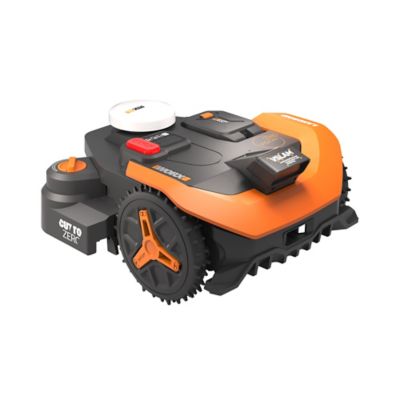
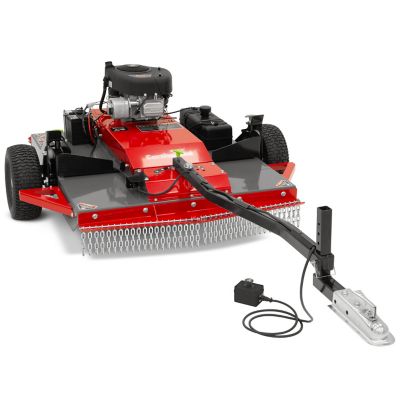
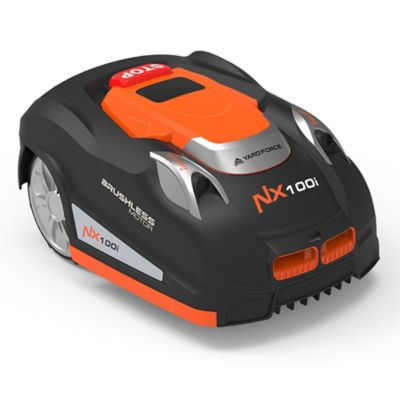
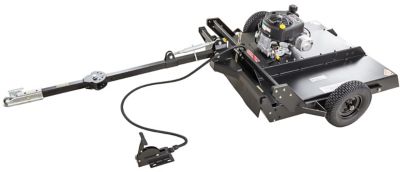
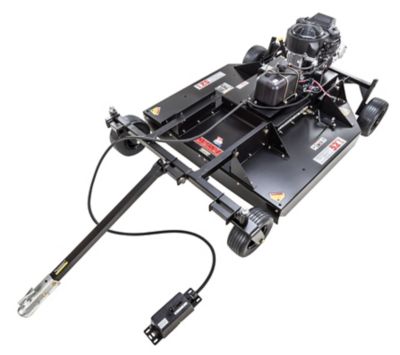
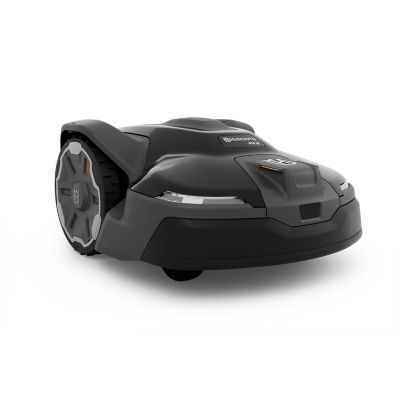
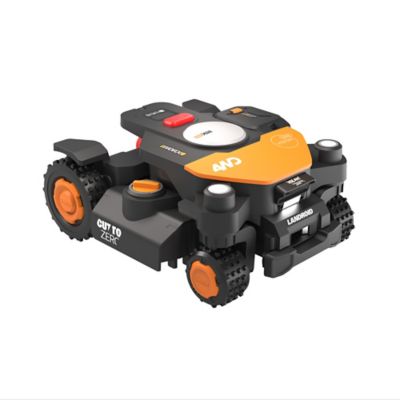
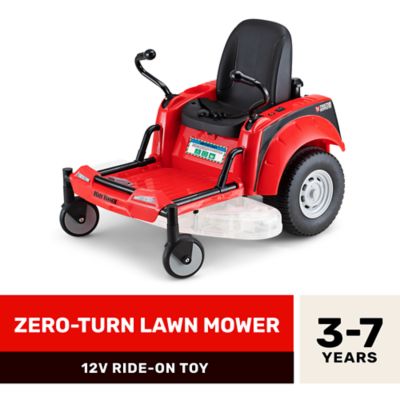
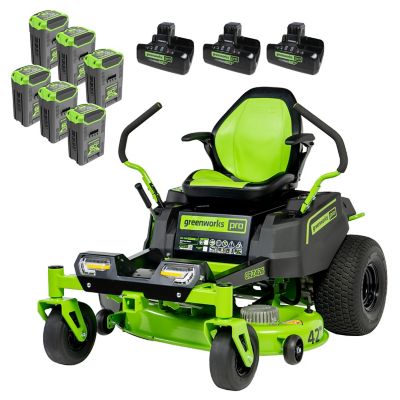
A remote control mower is a power mower that an operator steers with a handheld transmitter while keeping the machine in sight. The operator directs its travel and manages its controls rather than walking behind the cutting deck or riding on the machine. That makes it different from an autonomous robotic lawn mower, which can follow a mapped area or boundary system without someone steering every pass. Remote-controlled mowing still calls for an attentive operator, a clear view of the work area, and room to operate within the machine’s stated limits. These mowers can make sense for acreage owners, grounds crews, landscape contractors, and property managers tending stretches of ground that are awkward to reach with conventional equipment. A roadside ditch, an uneven strip along a fence, or a bank beside a farm lane can present a different job than an open, level lawn. On suitable equipment, remote operation lets the operator choose a stable viewing position away from the mower’s path, although it does not make every slope or obstacle suitable for mowing. The mower’s slope rating, cutting capabilities, and operating requirements remain the deciding factors. Some designs focus on maintained grass, while others have cutting systems intended for taller growth or certain types of brush. Those jobs are not interchangeable: a lawn-cutting deck should not be treated as a brush cutter just because it has remote controls. For straightforward lawn work with easy access, an
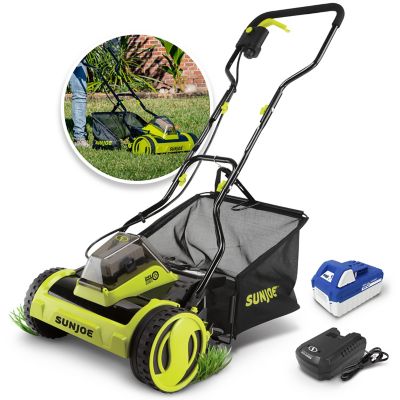
Electric Lawn Mower may be another option worth considering. Remote-controlled equipment is most relevant when the layout of the property makes its operating method useful. Think of a long bank that demands repeated passes, or a narrow stretch between established fencing and an access road. The right match depends less on the novelty of a transmitter and more on how the machine handles the actual mowing area, how clearly the operator can see it, and whether its cutting system suits the vegetation.
Construction and dimensions have a lot to do with how a remote-controlled mower fits a property. A steel chassis and cutting deck can provide the structure needed for demanding mowing work, while deck thickness, protective guards, bearings, and drive components all contribute to service life. Rubber tracks and wheeled drive systems have different handling characteristics. Tracks can spread the machine’s weight over a larger contact area, but traction still depends on the surface, slope, machine setup, and direction of travel. Turning can also disturb turf, particularly when a machine pivots sharply. Ground clearance matters around shallow ruts and uneven patches, while a low center of gravity can be helpful on equipment designed for slope work. None of those features replaces the manufacturer’s permitted operating angles; a maximum climbing figure is not necessarily the same as an approved mowing slope. Cutting width deserves equally practical attention. A wider deck can cover open ground in fewer passes, but the mower’s overall width determines whether it fits through a pasture gate or between fence posts. Deck overhang, turning space, and access to a trailer or storage building can matter just as much as the width of the cut. Cutting height and adjustment range help determine whether a machine suits a maintained yard, a utility strip, or taller grass around outbuildings. Blade style is another important distinction: rotary blades and flail cutting systems handle vegetation differently, and brush-capable equipment still has limits on woody stems and material size. Rocks, wire, forgotten stakes, and other hidden objects remain hazards regardless of the cutting system. Around barns and fence lines, protective shielding and discharge direction deserve attention because thrown debris can damage property or injure people and animals. A useful fit brings these details together: enough cutting capacity for the job, dimensions that suit the access points, and a machine weight that works with the property’s transport and storage arrangements.
The controls and power system shape the day-to-day experience as much as the cutting deck. A transmitter with clearly marked functions, manageable control response, and an accessible stop control can make repeated passes less tiring to manage. Emergency-stop provisions and the machine’s documented response to a lost control signal are important operating details, not substitutes for keeping people and livestock clear. Advertised remote range should never be treated as permission to mow beyond a clear line of sight, and buildings, terrain, and other obstructions can affect the connection. Battery-powered, engine-powered, and hybrid arrangements bring different requirements for charging, fueling, and upkeep. Depending on the design, separate systems may power the cutting mechanism and the drive motors, so the power source needs to be understood as a whole. Runtime figures also need context: tall, dense growth, repeated turns, travel speed, and slopes can change how much work a machine completes between charging or refueling stops. For a property owner mowing several separated areas, loading and moving the equipment may take almost as much planning as the cutting itself. Machine weight, suitable loading equipment, approved tie-down points, and trailer capacity all matter. Back at the shed, access to blades, belts, filters, drive parts, and grease points can make a real difference in routine care. Grass packed beneath a deck can interfere with cutting performance, and wrapped wire or twine can damage moving parts. Cleaning methods should follow the equipment manual, especially around electrical connections, batteries, bearings, and control components. Blade inspection, proper tension on tracks or drive belts where applicable, and the specified engine service help keep the machine ready for its next job. Maintenance also requires the prescribed shutdown and isolation procedure; a transmitter alone is not protection against an unexpected start. Replacement wear parts, service documentation, and a suitable place to store both mower and controller round out the ownership picture. For working properties with challenging mowing areas, the strongest match is equipment whose controls, cutting ability, access needs, and care requirements fit the ground and the person operating it.