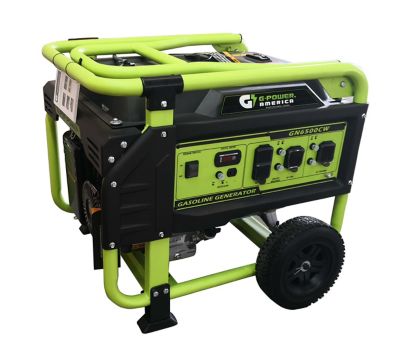
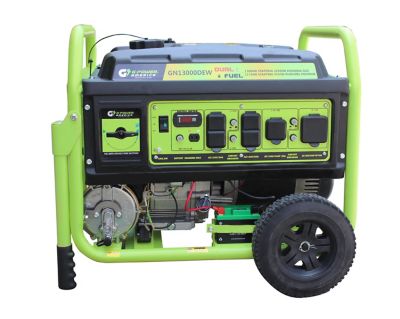
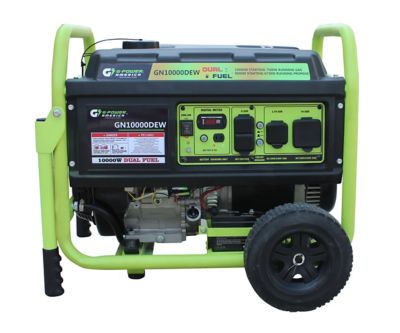
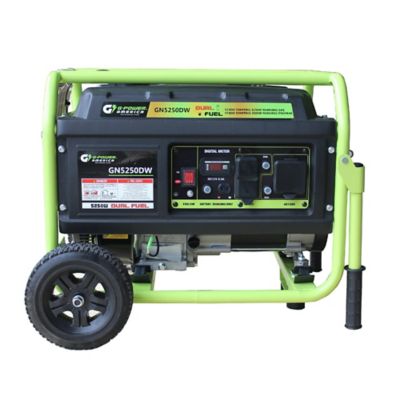
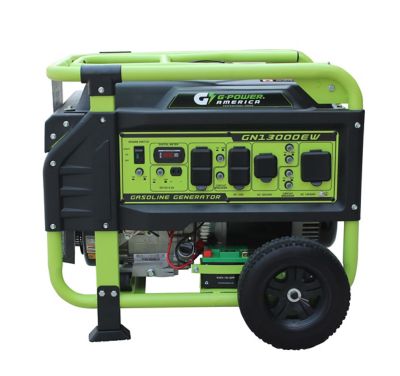
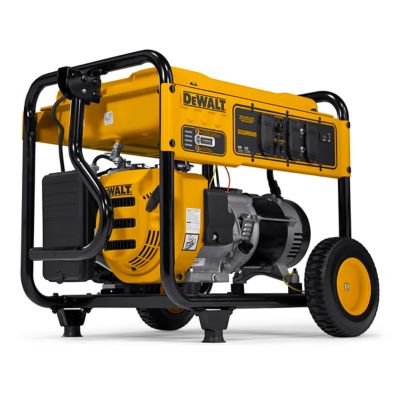
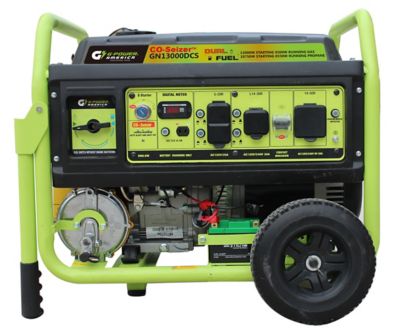
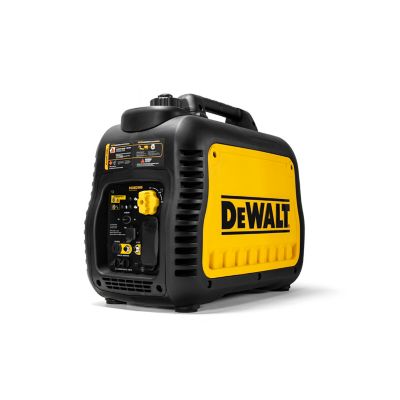
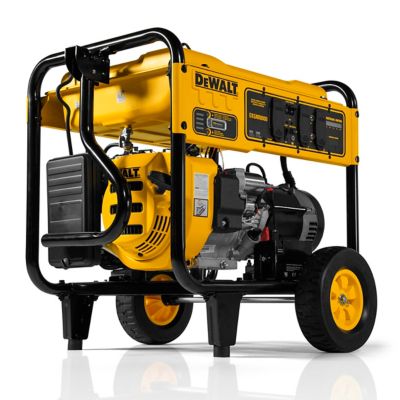
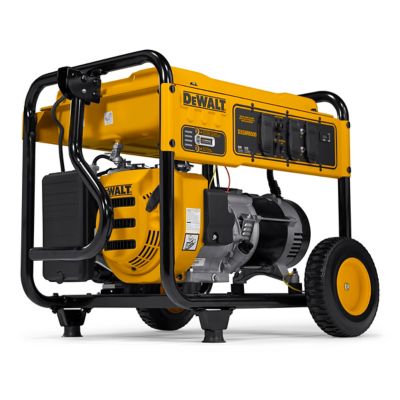
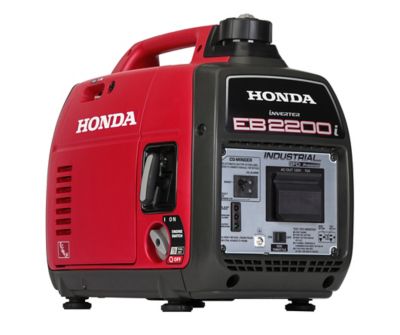
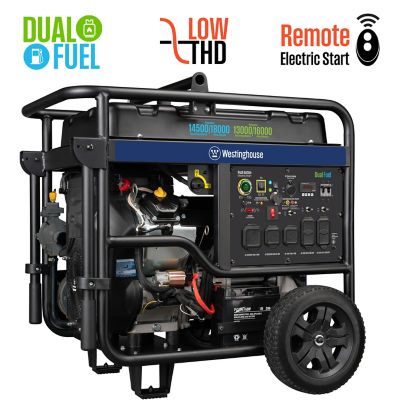
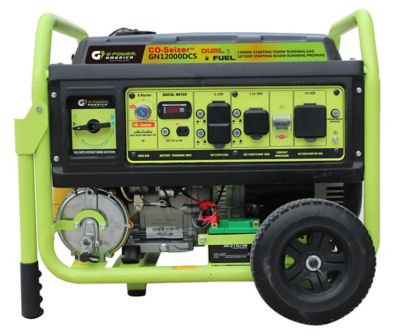
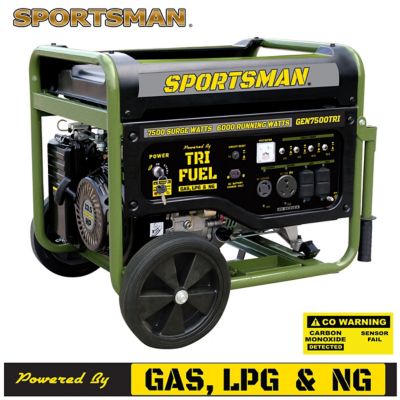
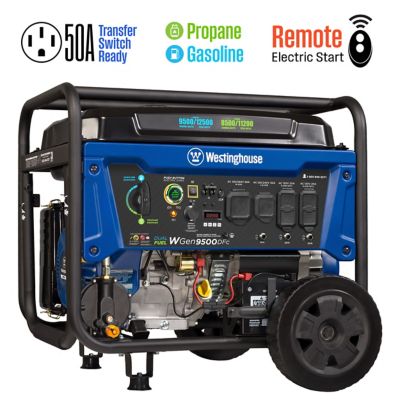
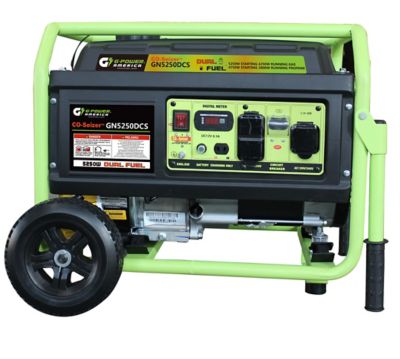
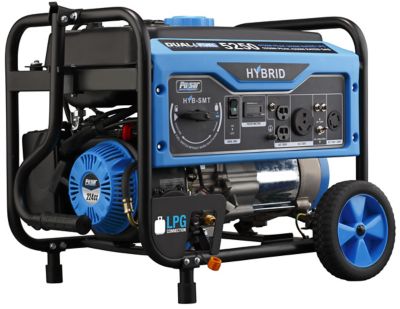
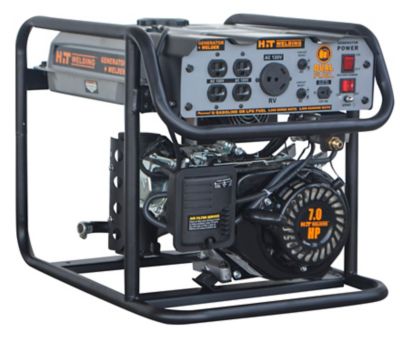
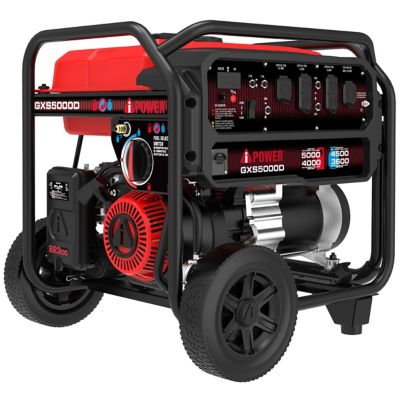
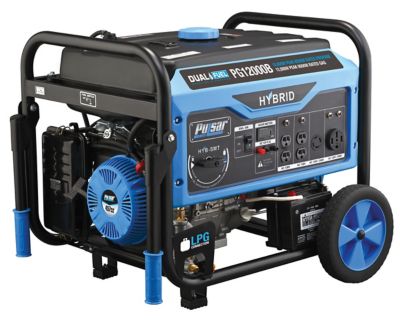
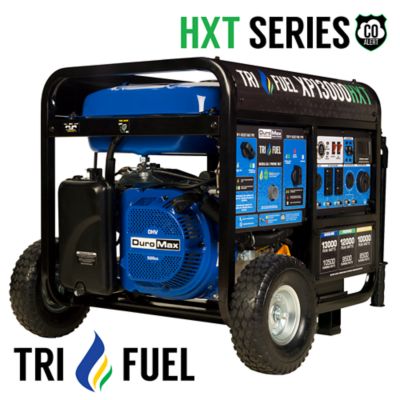
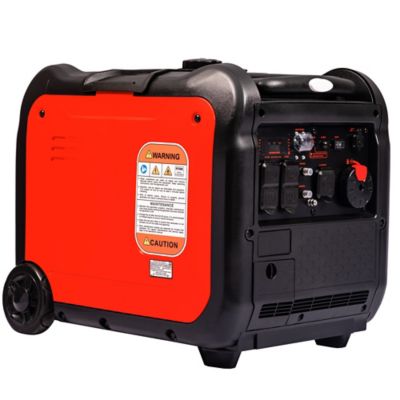
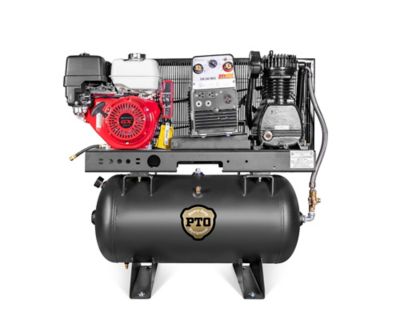
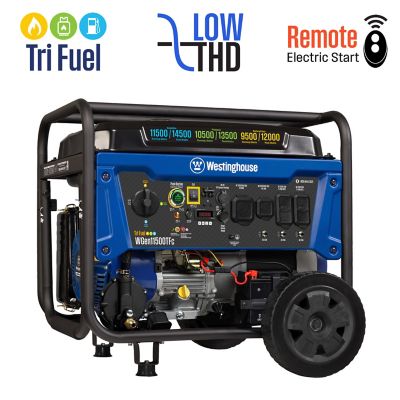
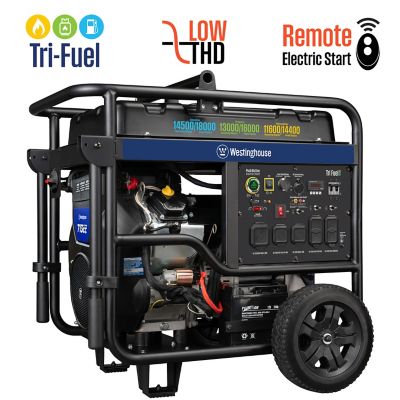
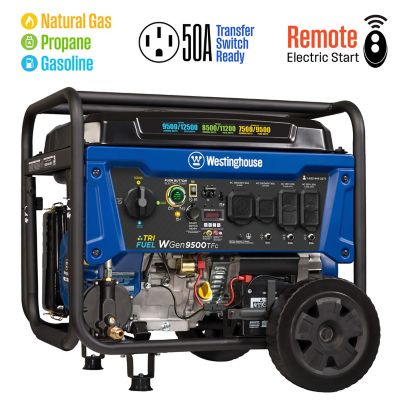
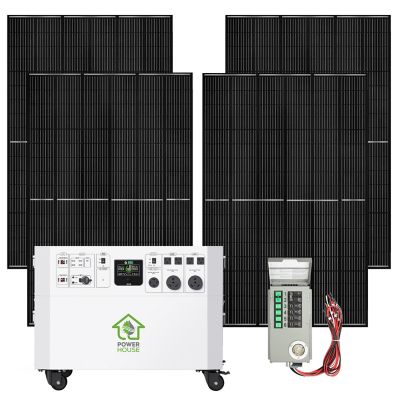
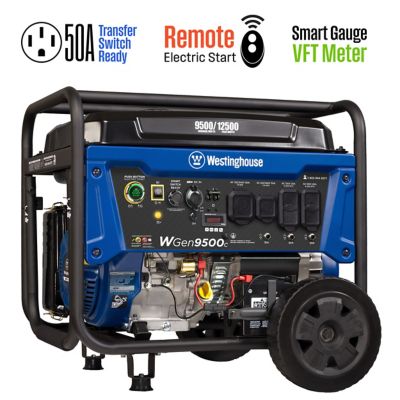
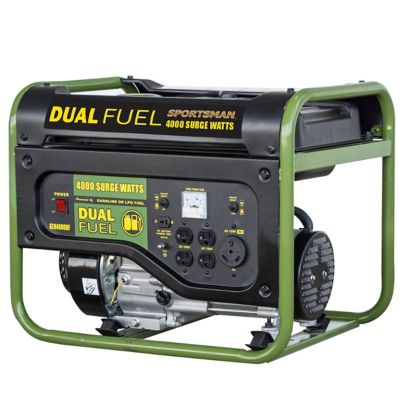
Professional generators are built for dependable power when an ordinary portable unit does not have the output, runtime, or durability to keep up. These heavy-duty power units are commonly used by contractors, farmers, ranchers, event crews, utility workers, facility managers, and property owners who need steady electricity away from a standard outlet. On a worksite, a professional generator can help run welders, air compressors, pumps, saws, grinders, heaters, lighting, and other high-draw equipment. Around the farm, it may keep well pumps, livestock equipment, ventilation systems, refrigeration, gates, and communications running when utility power is interrupted. They are also useful for backup power at shops, barns, rental properties, offices, and rural homes where an outage can affect more than comfort. A generator rated for professional use is typically designed with a stronger engine, larger fuel tank, reinforced frame, durable controls, and components intended to handle demanding conditions over long operating periods. That extra capacity can make a big difference when muddy ground, dust, cold mornings, long extension-cord runs, and back-to-back workdays are part of the job. During the warmer season, reliable power can support fans, pumps, cooling equipment, and outdoor projects; as the weather turns cooler, it can help maintain heat, lights, refrigeration, and essential systems when storms or damaged lines leave a property without electricity. Some units are made for portable jobsite use, while others are intended for stationary backup or industrial applications. Browse options for
Industrial Generators when the job calls for especially high output, extended runtime, or equipment suited to commercial and facility needs.
Choosing among professional generators starts with the work they need to perform. Look at running watts, also called rated watts, rather than relying only on a short peak or starting-watt figure. Motors in pumps, compressors, refrigerators, fans, and power tools can draw a surge when they start, and the generator needs enough reserve to handle that demand without bogging down. Add the wattage of equipment that may run at the same time, then allow room for startup loads and future needs. A contractor powering a single saw and a few lights may need a very different setup from a crew operating floor-grinding equipment, ventilation fans, dust collection, and chargers together. Commercial and industrial work may also require single-phase and three-phase power, multiple voltage options, or receptacles that match specialized equipment. Multi-phase capability can be particularly important for larger motors and jobsite machinery, while clean power with low total harmonic distortion, often listed as THD below 5%, is a useful consideration for computers, battery chargers, control boards, and other sensitive electronics. Fuel choice matters, too. Gasoline can be convenient for portable operation, while diesel is often selected for heavy-duty runtime and fuel efficiency. Propane and natural gas can offer longer storage life or connection to an existing fuel supply, and tri-fuel flexibility may be helpful when fuel availability changes during an outage. Review the manufacturer’s runtime estimates, tank size, refueling requirements, and fuel-storage rules before making a decision. Noise is another practical detail. A sound-attenuated enclosure can make a major difference near homes, camps, offices, livestock areas, or public events, especially when a generator may operate overnight. Weather-resistant construction, protected control panels, lifting points, wheels, trailer compatibility, and service access are worth considering when equipment will move from one property to another. A large unit that must be hauled to different jobs may call for a trailer and proper tie-downs, while a stationary unit may need a level pad, ventilation, clearance, and professional installation.
For backup applications, think beyond the generator itself. A transfer switch helps move a building from utility power to generator power safely and keeps electricity from feeding back into utility lines. Automatic standby systems can detect an outage and start without someone needing to pull a cord in the dark, while manual systems may suit a shop, barn, or seasonal property where an operator is nearby. Have a qualified electrician determine how the unit should connect to the building and which circuits are essential. For a home or small business, that may include refrigeration, well equipment, sump pumps, heating controls, communications, and selected lights rather than every circuit at once. For commercial sites, an electrical professional may need to review load calculations, motor-starting requirements, phase balance, grounding, distribution panels, and local code requirements. Generators must always operate outdoors, far from doors, windows, crawl spaces, and air intakes, because carbon monoxide is an odorless and potentially deadly hazard. Keep exhaust pointed away from people and animals, and never run a fuel-burning generator inside a barn, garage, shed, trailer, or partially enclosed area. Routine care is what keeps professional generators ready when the lights go out: check oil and coolant, inspect fuel lines and cords, clean air filters, test batteries, look for loose connections, and follow the service schedule. Letting a unit run under an appropriate load from time to time can help confirm that it starts, carries its intended equipment, and displays no warning codes. For a farm owner preparing for a storm, a contractor heading to a remote build, or a facility manager protecting critical operations, the right professional generator is a practical investment in continuity, safety, and less time spent standing around waiting for power to return.