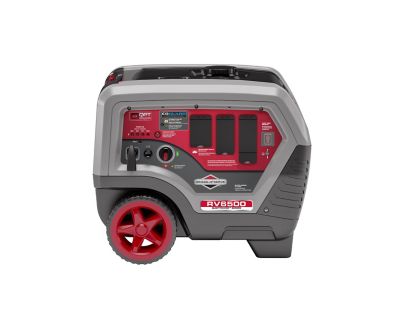
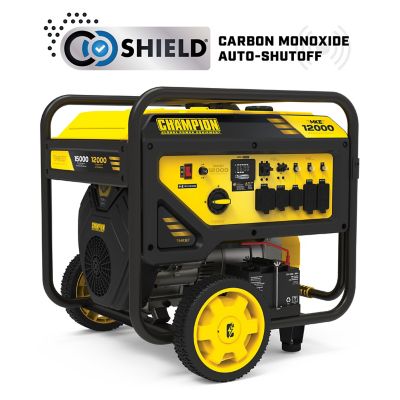
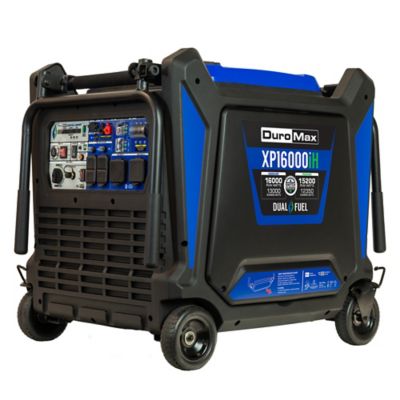
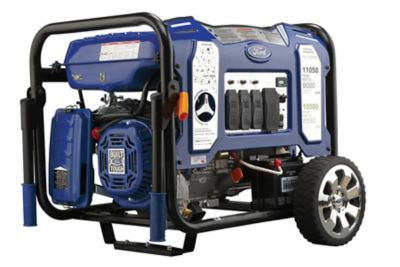
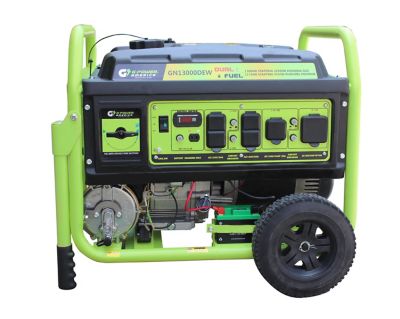
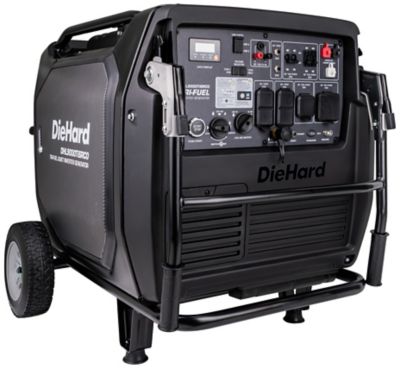
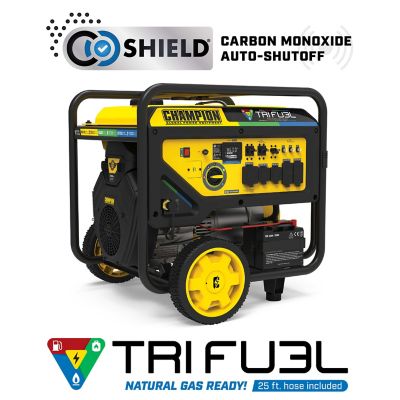
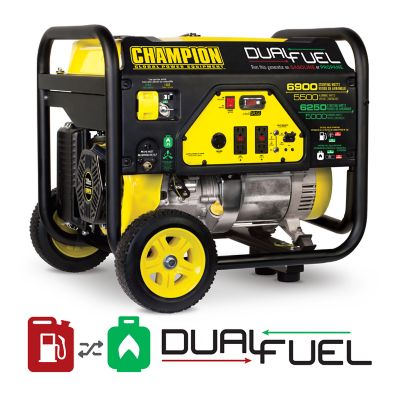
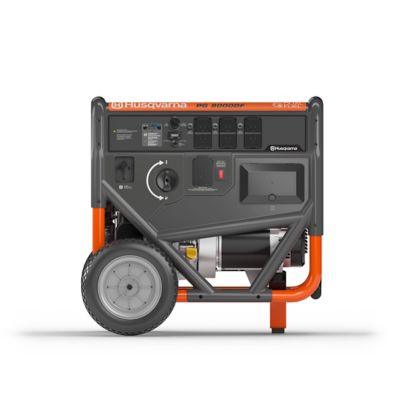
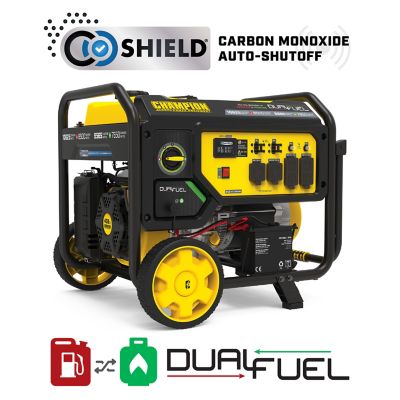
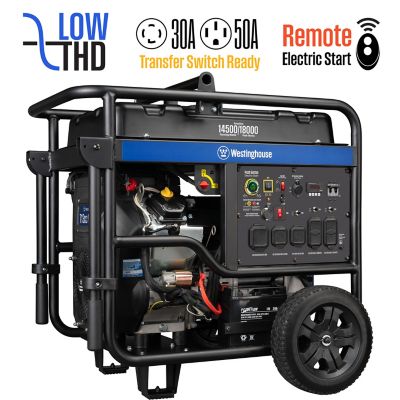
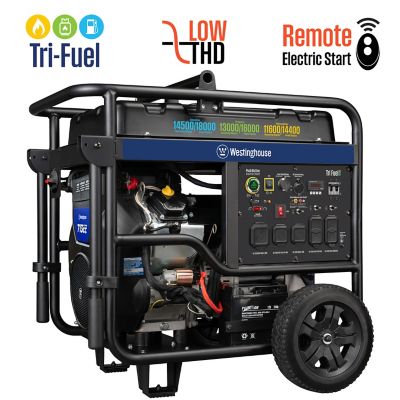
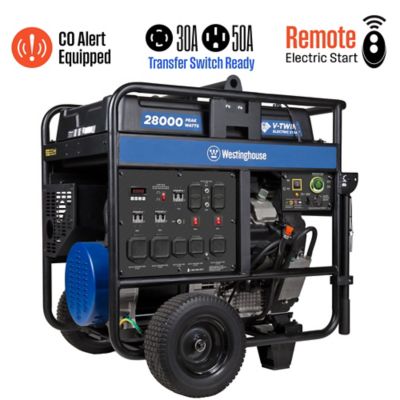
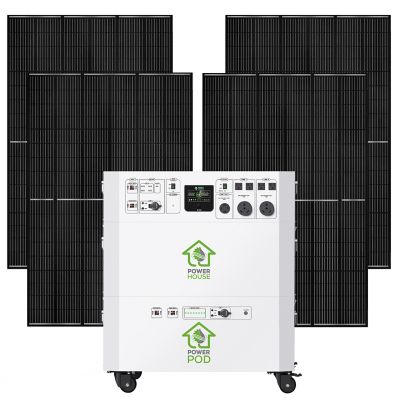
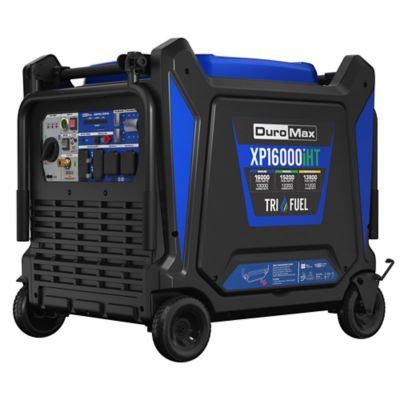
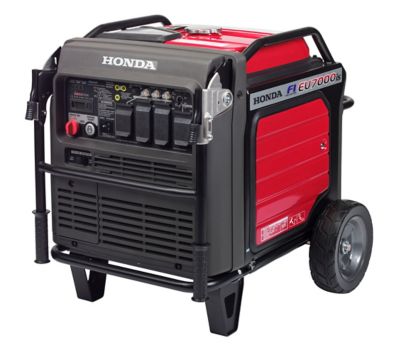
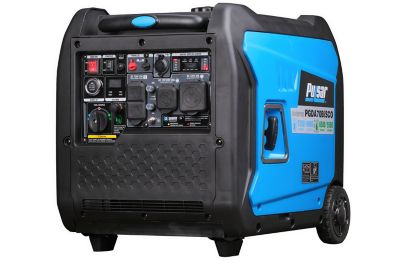
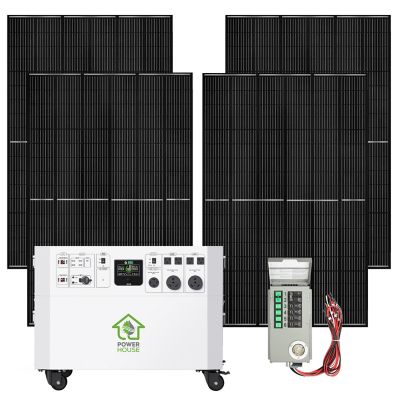
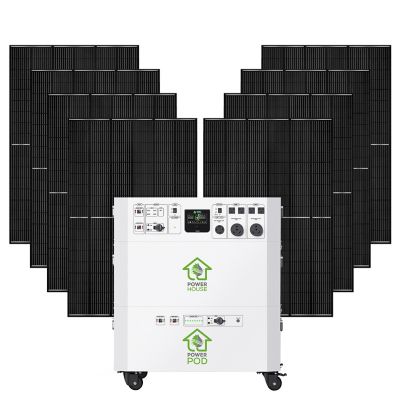
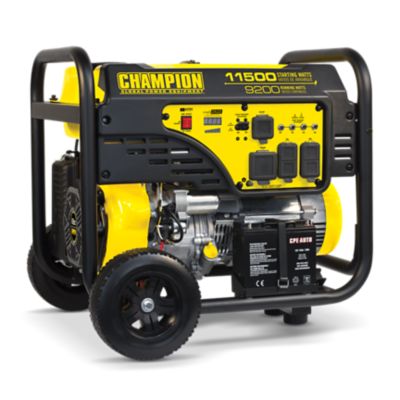
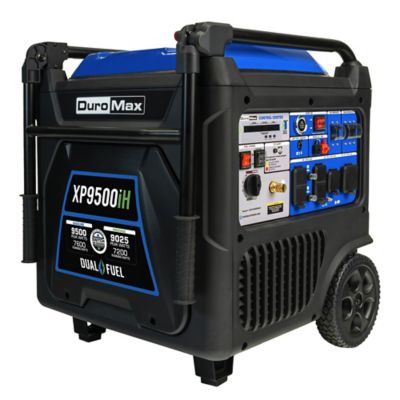
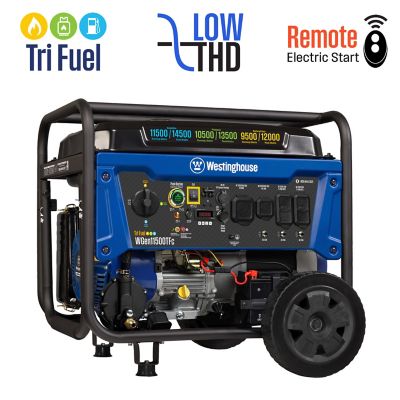
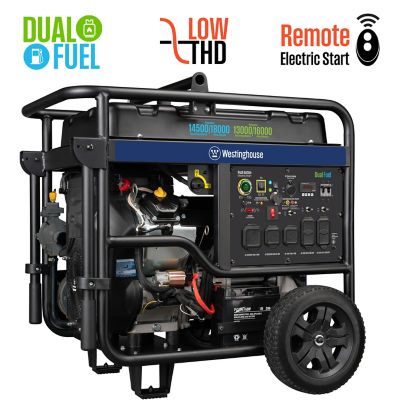
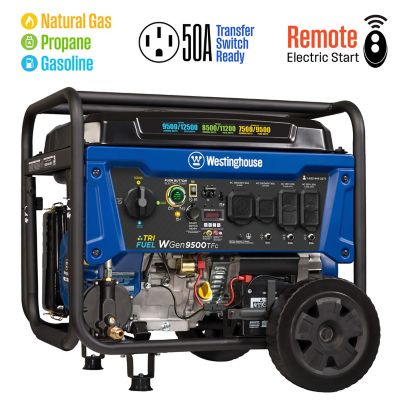
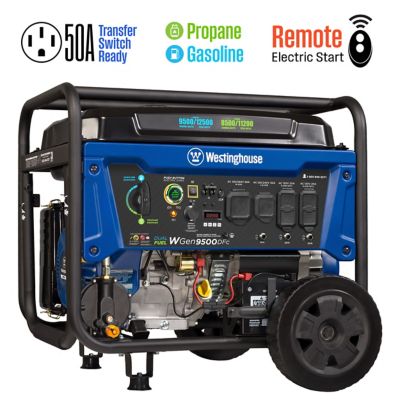
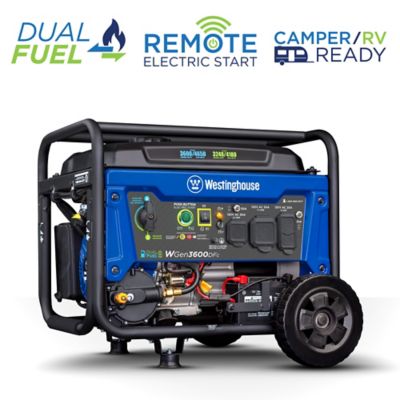
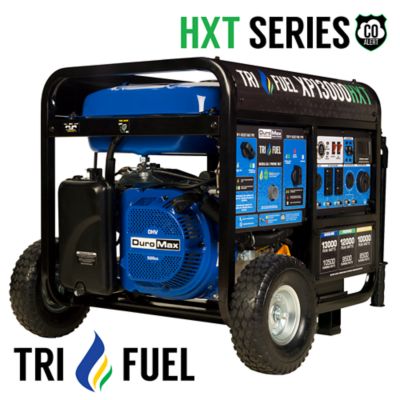
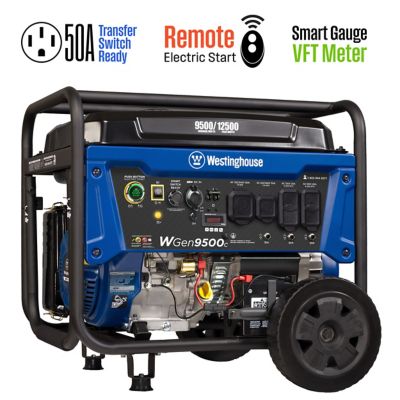
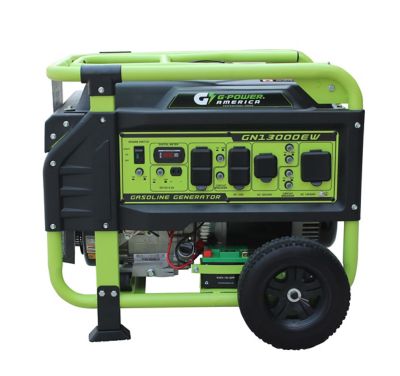
Large generators are built for homes, farms, shops, offices, and other properties where a small backup unit cannot carry the full electrical load. These systems commonly range from about 22 kW to 48 kW or more, giving them the capacity to support major appliances, heating and cooling equipment, well pumps, security systems, shop tools, refrigeration, and other high-demand circuits during an outage. A whole-home standby generator is installed beside the building and connected to a transfer switch, allowing it to start when utility power drops and send electricity through the home’s wiring. Larger portable units may sit on wheels and offer more flexibility, but they still need a properly installed transfer switch or approved interlock setup before they can feed household circuits. Never connect a generator directly to a wall outlet, since that can send electricity back through the lines and put utility workers at risk. A licensed electrician can review the property, install the right connection equipment, and help determine which circuits can run together. For a farm or rural home, that planning may include a well pump, pressure tank, septic equipment, freezers, livestock ventilation, electric fencing, barn lighting, and heat controls. A workshop or small business may need to keep air compressors, welders, refrigeration, computers, pumps, or rolling doors operating. Make a list of the equipment that must stay on, note each item’s running and starting wattage, and account for motors that draw extra power when they kick on. It is often helpful to allow room for several loads to start without overloading the generator, especially when a furnace blower, sump pump, or shop motor starts while other equipment is already running.
Fuel planning is just as important as output. Large generators may run on natural gas, liquid propane, diesel, or, in some portable designs, gasoline and more than one fuel type. A natural gas connection can offer convenient long-duration operation when the property has a suitable service line and enough pressure for the generator. Propane works well for rural locations without a gas main, though the tank must be sized for the generator and the expected run time. A small cylinder can drain quickly under a heavy electrical load, while a larger stationary tank can provide more hours of backup between refills. Diesel systems are often selected for farms, commercial buildings, and work sites where extended operation and on-site fuel storage are part of the plan. Fuel consumption rises as the generator carries more load, so a unit supporting a full house or a busy shop will go through fuel faster than one powering only a refrigerator and a few lights. Ask the installer or fuel provider about tank placement, delivery access, cold-weather performance, ventilation, and local rules before the system arrives. Keep fuel away from ignition sources, follow the generator maker’s storage instructions, and plan for fuel availability during icy roads, strong winds, or widespread outages. Standby systems also need a suitable pad, clearance from doors and windows, and a location where exhaust can disperse safely. Carbon monoxide can build up quickly in enclosed areas, including garages, sheds, barns, and partially open structures, so generators belong outdoors and away from openings. During the cooler months, a clear path to the unit makes inspections, service visits, and snow removal easier. Leaves, grass, drifting snow, and stored materials should not block air intake or exhaust areas.
Choosing the right large generator starts with the property and the way it operates, not simply the largest number on a product page. A household with electric heat, multiple air-conditioning systems, a well pump, and a finished basement may need far more capacity than a house with gas appliances and a short list of essential circuits. A farm may require a separate plan for livestock buildings, grain handling equipment, irrigation controls, freezers, and water systems. A retail space, warehouse, office, or service garage may also need to keep fire protection, access controls, refrigeration, lighting, and communications running. Standby systems are a strong fit for properties that need automatic backup and have a permanent fuel source, while large portable generators can suit locations that need to move power between buildings or take equipment to a work site. Consider sound levels, footprint, service access, fuel supply, weather exposure, starting method, control panel features, and the transfer equipment included with the setup. Check whether the generator is air-cooled or liquid-cooled, since larger systems may use liquid cooling to manage extended operation under heavy loads. Ask about scheduled oil and filter service, battery checks, exercise cycles, cold-weather accessories, and availability of local technicians and replacement parts. A generator should be run according to its instructions and inspected before severe weather arrives, rather than waiting for an outage to reveal a weak battery, low oil, blocked vent, or fuel problem. Many property owners keep a written load list near the electrical panel so everyone in the household or business knows which equipment may run during backup power. For broader business, agricultural, and facility needs, explore
Industrial Generators. With careful sizing, proper installation, a planned fuel supply, and regular service, a large generator can help keep the lights on, protect temperature-sensitive goods, maintain water and ventilation systems, and give rural families and working properties a steadier footing when utility service is interrupted.