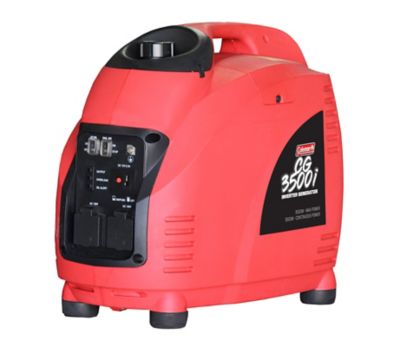
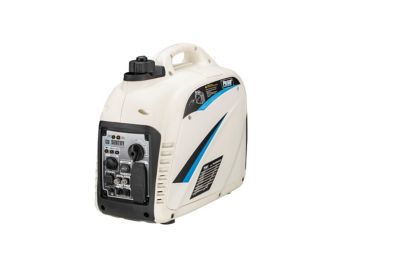
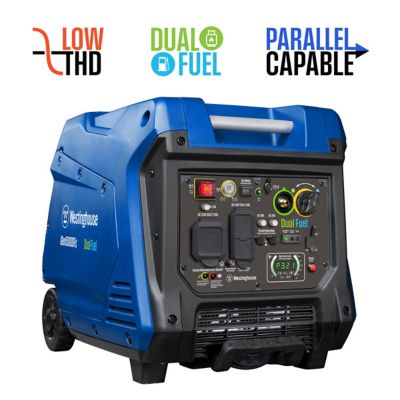
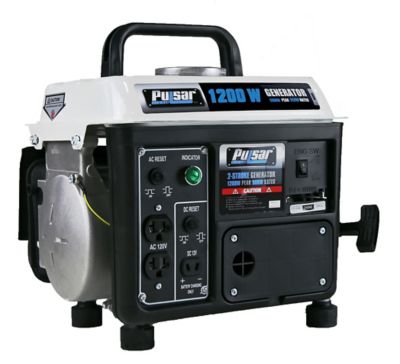
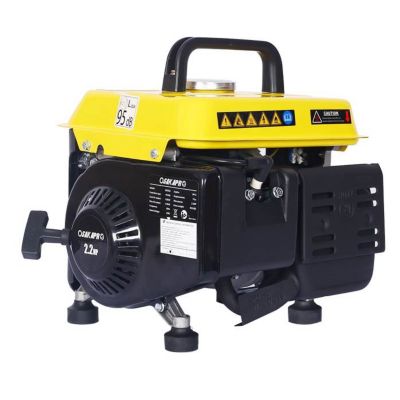
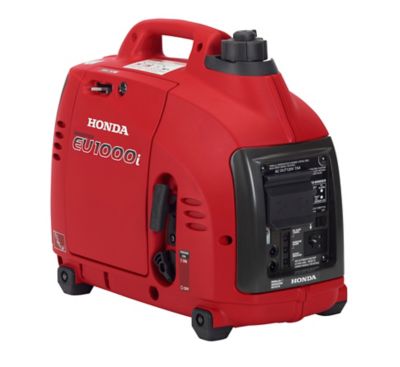
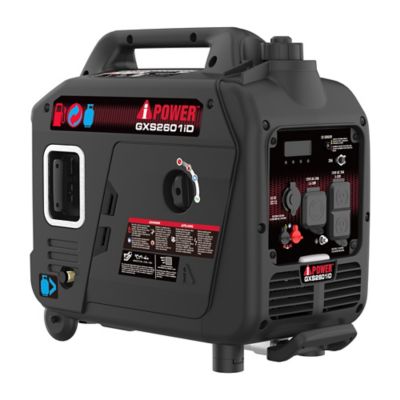
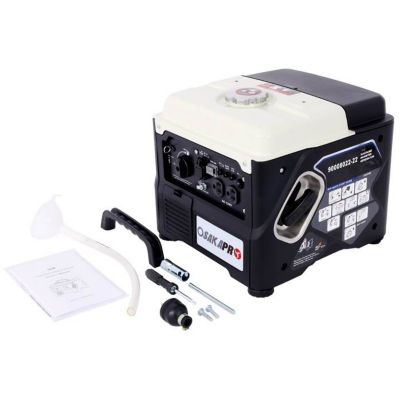
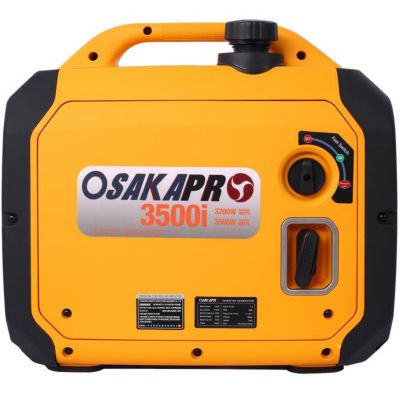
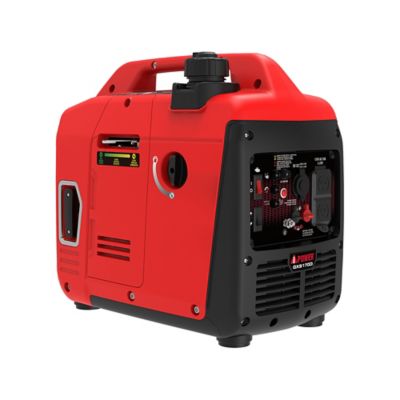
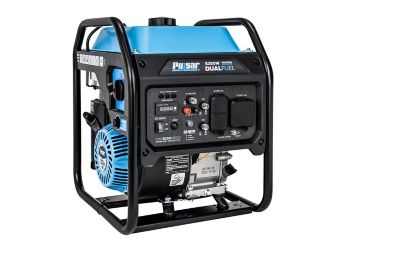
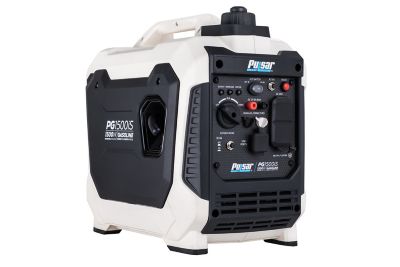
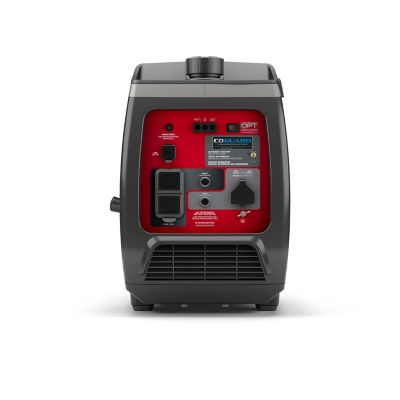
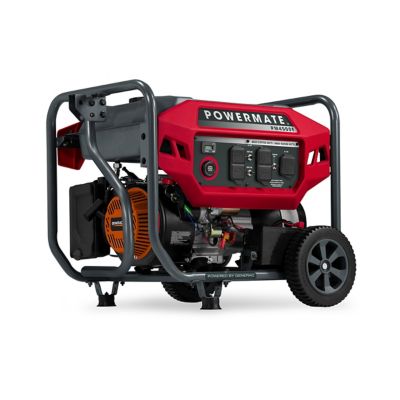
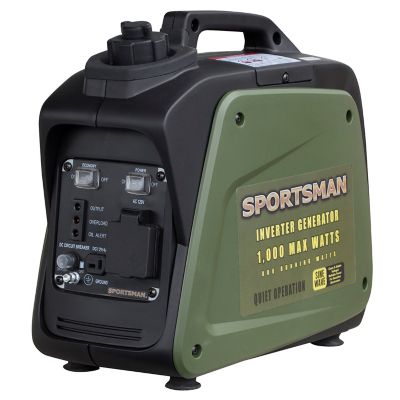
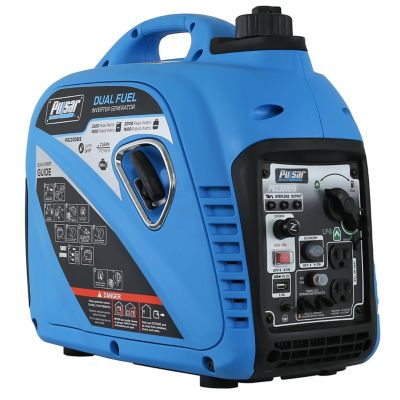
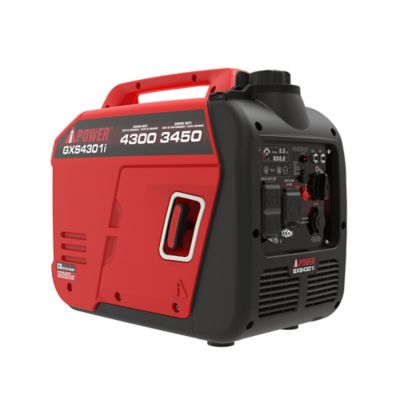
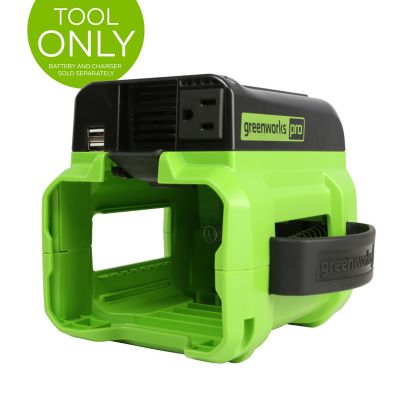
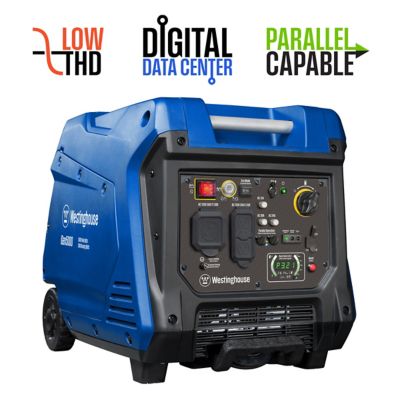
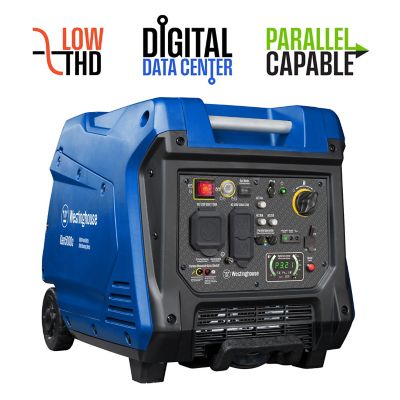
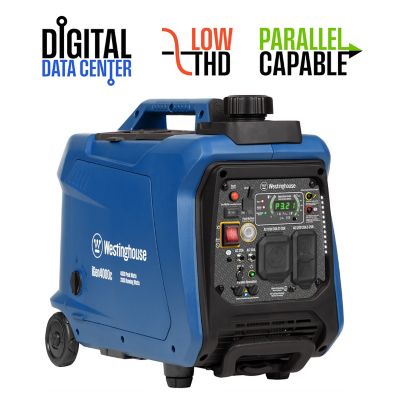
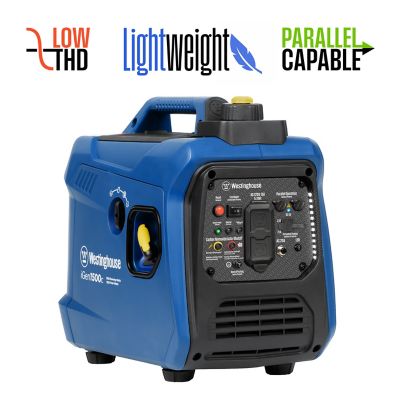
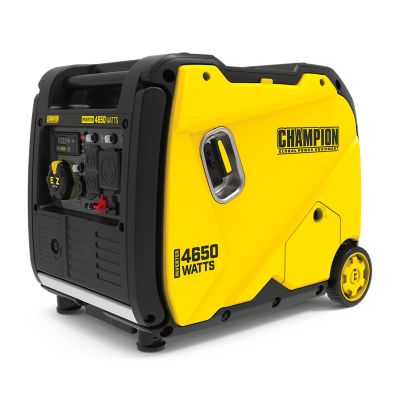
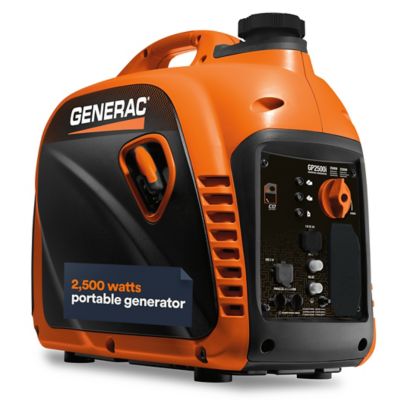
Compact generators bring portable power to campsites, tailgates, remote chores and a few household essentials when utility power goes out. Their smaller footprint makes them practical for folks who need electricity beyond the reach of an outlet without hauling a large machine. Many compact inverter generators weigh less than 50 pounds and deliver roughly 1,000 to 3,000 starting watts, though weight and output vary by design. That puts them in reach for jobs such as charging cordless-tool batteries beside a fence line, running lights at a campsite or keeping a refrigerator operating during an outage, provided the generator has enough capacity. Starting watts cover the brief surge that some motors need to get moving; running watts describe the power a generator can supply continuously. A refrigerator, small pump or other motor-driven appliance may need considerably more power to start than to stay running. The right fit depends on the combined running load and the largest startup demand that may occur while other equipment is connected. A compact unit may handle a few essentials, but its size alone does not make it suitable for a whole house, a well pump or an RV air conditioner. Appliance wattage, voltage and startup requirements matter more than how many receptacles appear on the control panel. Inverter designs are especially common in this category because they can provide stable electrical output and vary engine speed with demand. For laptops, televisions and other electronics, the generator’s published total harmonic distortion specification and the device manufacturer’s power requirements are worth comparing. Some compact inverter models list sound ratings in the low 50s to low 60s dBA under light loads. Those numbers mean more when the measurement distance and load are also listed. A generator powering a light electrical load can sound quite different from the same machine working near its rated output, particularly around neighboring campsites.
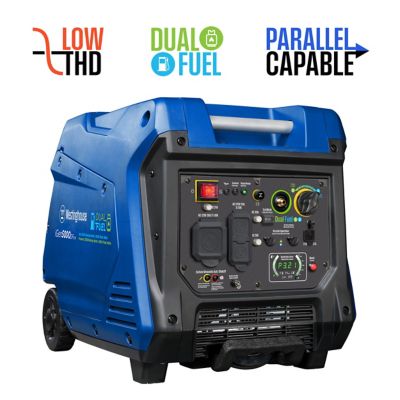
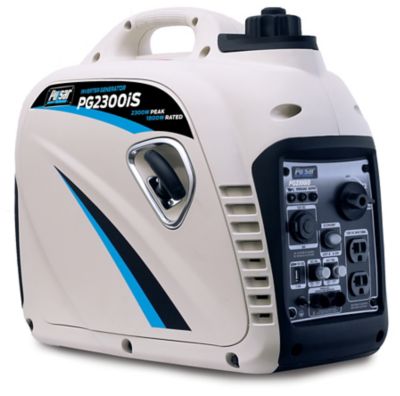
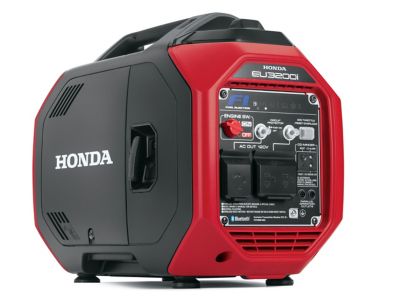
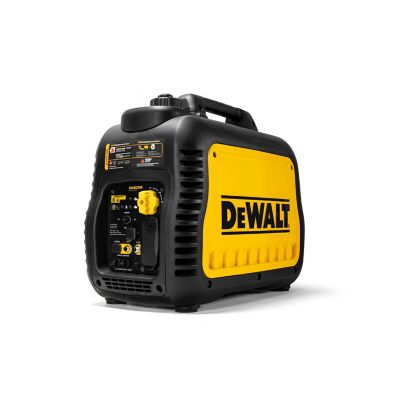
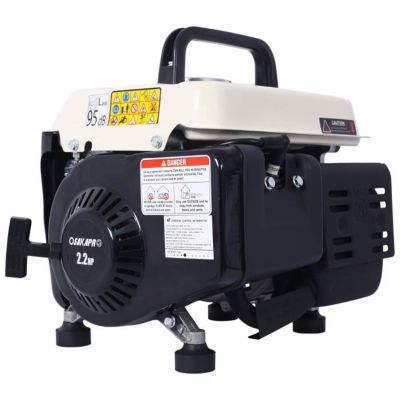
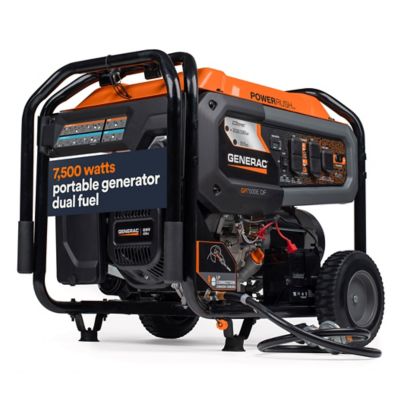
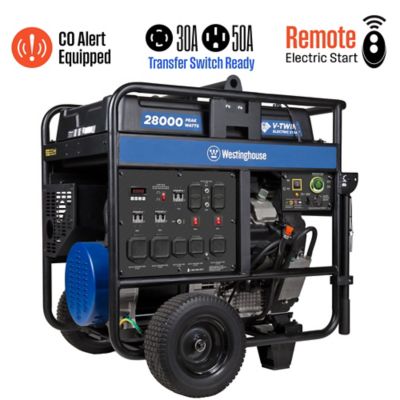
Portability comes down to more than the weight on a specification sheet. An integrated top handle can make a smaller generator easier to carry from a shed to a pickup, while a broader frame or two-person grip may suit heavier equipment. Published weight may exclude gasoline and oil, so a fueled machine can take more effort to lift than expected. Molded outer housings help enclose engine components on many inverter designs, while metal frames offer accessible lifting points on other portable generators. Secure handles, protected controls, sturdy feet and room around the oil-fill opening all make a difference when equipment travels between home, camp and a worksite. Outlet placement matters, too: a recessed panel may shield switches from bumps, but plugs still need clearance and cords need a clear path. Standard household receptacles, USB charging ports and RV-style connections serve different needs, and an outlet’s shape does not promise enough wattage to run everything that fits it. Gasoline models offer a familiar fuel setup, while dual-fuel generators can run on gasoline or propane according to their specifications. Propane operation often carries a lower wattage rating, and the tank, hose and regulator add to the space needed for transport and setup. Runtime is another detail that deserves a close look. A long runtime listed at one-quarter load will not carry over unchanged when several appliances are drawing power. Tank capacity, electrical demand and operating mode all affect how often refueling becomes necessary. Economy modes can reduce engine speed under lighter loads, while fuel gauges and load indicators make it easier to keep tabs on operation. Parallel capability can expand output on compatible inverter generators, but compatibility is specific to the equipment and connecting kit. It is not a feature that allows any two generators to be connected together.
Compact size does not change the safety requirements of an engine-powered generator. Operation belongs outdoors, at least 20 feet from the home and away from doors, windows and vents, with exhaust directed away from occupied spaces and neighboring buildings. A garage, barn, shed, camper or enclosed porch is not a safe operating location, even with doors open. Carbon monoxide shutdown features add a layer of protection, but they do not replace proper placement or working carbon monoxide alarms inside the home. A level, dry operating surface, clear exhaust space and the manufacturer’s required clearance help keep the setup suitable for the job. Properly rated outdoor extension cords need enough capacity for the connected load and length of the run; damaged cords and overloaded power strips do not belong in the setup. Powering household circuits requires an approved transfer arrangement installed by a qualified electrician in accordance with applicable codes. A generator must never feed electricity into a household wall outlet. Routine care also plays a part in keeping a portable generator ready for the next chore or trip. Accessible oil checks, service panels and air filters make scheduled maintenance less of a fuss, especially when the machine gets carried between dusty jobsites and a storage shed. Oil changes, filter cleaning and spark plug service should follow the engine manual, including any initial break-in requirements. Before refueling, the engine needs to be shut down and allowed to cool. Approved fuel containers, secure transport and the manufacturer’s storage procedure help keep the equipment and its fuel handled properly between outings. Local emissions requirements may also affect which engine-powered equipment is appropriate for a particular location. For another category to compare, browse
Powerhouse Generators while keeping the actual electrical load and carrying needs in view. Whether the job is charging tools past the last fence post or supplying a few essentials at home, a compact generator should match the work without adding more weight, noise or maintenance than the task calls for.