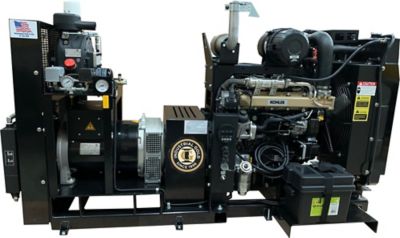
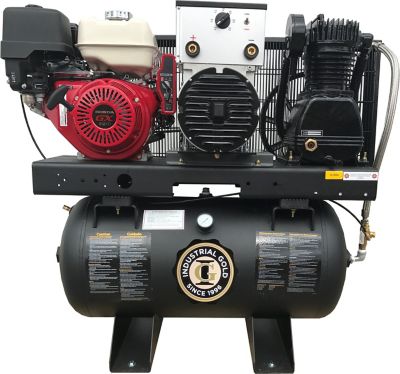
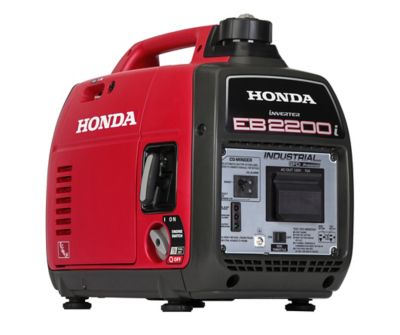
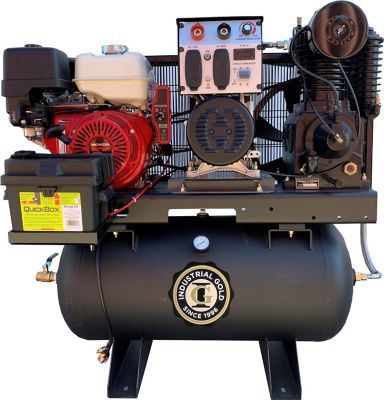
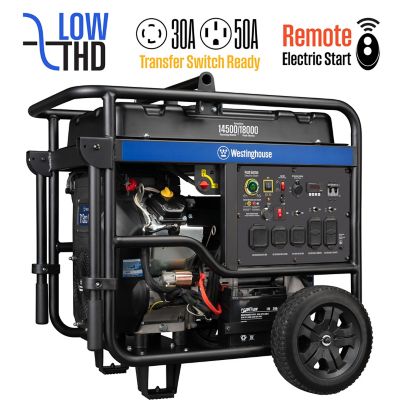
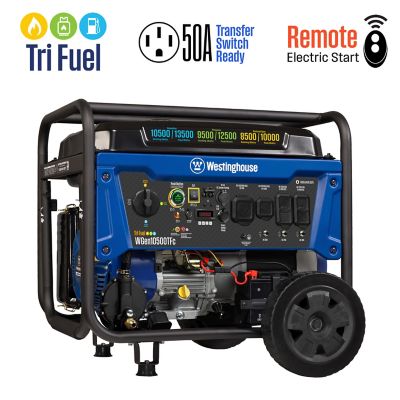
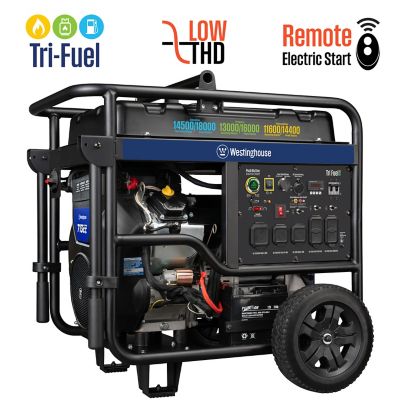
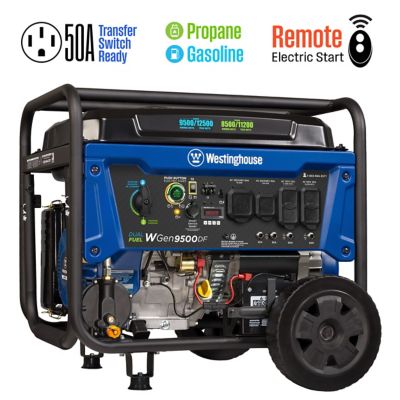
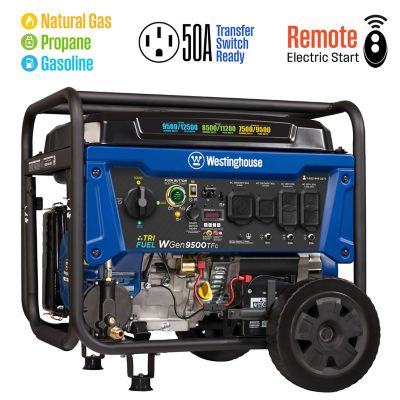
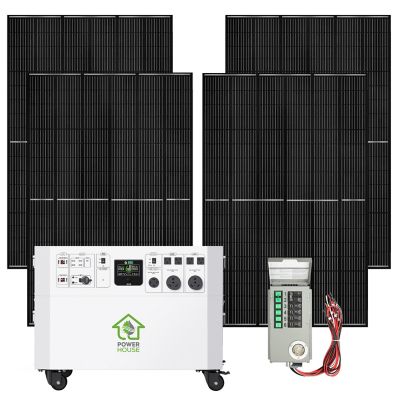
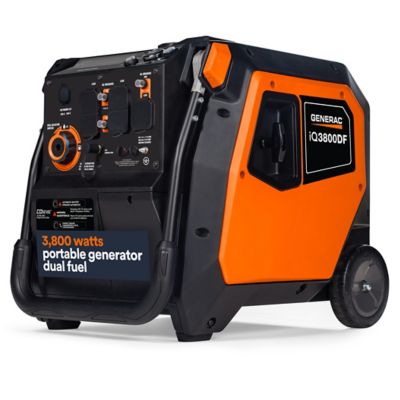
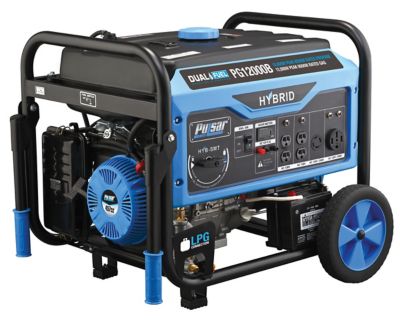
Industrial generators provide electricity for commercial buildings, construction sites, farms and other operations when utility power goes out or a connection is out of reach. These engine-driven power systems turn fuel into electrical energy, helping keep essential equipment running, from livestock watering pumps and refrigeration to job-site tools and shop lighting. The right setup depends on more than the size of the property. A repair shop with several motor-driven machines has different electrical demands than a remote work site running lights and a few tools. Stationary standby generators serve a fixed location and can work with automatic transfer equipment that detects an outage, starts the engine and transfers selected electrical loads to generator power. Mobile and towable generators bring power closer to the work, whether that means a construction project beyond the utility connection or equipment operating across a large property. Fuel choice also shapes how a generator fits the operation. Diesel engines are common in industrial applications because they suit substantial loads and extended operating periods, with fuel consumption depending on engine design and electrical demand. Natural gas generators connect to an appropriate gas supply, while propane generators draw from a properly sized storage tank. A utility gas connection can reduce on-site refueling tasks, but operation still depends on sufficient gas pressure and continued service. Propane and diesel installations require attention to stored fuel capacity, delivery access and fuel-system maintenance. Liquid-cooled engines can support demanding applications, though cooling design alone does not establish a generator’s capacity or permitted run time. Standby, prime-power and continuous-power ratings describe different operating conditions, so those ratings matter just as much as the large wattage number. For a working farm, equipment yard or commercial property, a well-matched industrial generator supports the loads that matter without treating every electrical demand as the same. That distinction helps separate occasional backup service from the daily work of supplying electricity where utility service is unavailable.
Generator capacity starts with the equipment drawing power, including both its normal running demand and the extra power some motors need to start. A well pump kicking on while an air compressor is running can create a much different load than lighting alone. Refrigeration compressors, ventilation fans, welders and other shop equipment may also affect sizing in ways that a simple total of running watts will not capture. Kilowatts describe real electrical power, while kilovolt-amperes describe apparent power; equipment power factor helps explain the difference between those ratings. A qualified electrician or generator installer can evaluate nameplate information, starting requirements and which loads will operate together. Allowing for planned equipment additions can make sense, but an oversized engine is not automatically a better fit, particularly when it would spend long stretches operating below the manufacturer’s recommended load range. Voltage, frequency and phase must also match the equipment and electrical system. Single-phase and three-phase generators serve different installations, and a three-phase rating does not mean the full output is available for every single-phase connection. Receptacle types, breaker protection, connection points and cable capacity all play a part in getting power safely to the work. Electronic controls and other sensitive equipment may have requirements for voltage regulation, frequency stability and harmonic distortion, making compatibility an important part of the comparison. Control panels can provide operating information such as output, engine hours, fuel level and service alerts, depending on the design. Automatic shutdown features may help protect the engine when conditions such as low oil pressure or excessive coolant temperature occur, but they do not replace regular inspection. Run-time figures also need context: a fuel tank’s operating hours depend on the connected load, not just its gallon capacity. Farm owners and contractors comparing
Heavy Duty Generators can weigh those same practical details, from motor-starting capability to controls that are easy to read during a busy workday.
Construction and service access matter when a generator becomes part of the working property. Steel frames, protective housings and corrosion-resistant finishes help shield components from everyday exposure and handling, while enclosure design affects access to filters, fluid checks and electrical connections. Sound-reducing housings can help manage operating noise, although published sound measurements only make sense alongside their stated distance and test conditions. A stationary installation needs a suitable foundation, required clearances and room for inspection and repairs. A towable setup adds considerations such as trailer weight, towing capacity, hitch compatibility, brakes and secure positioning before operation. Wheels and lifting points must be appropriate for the equipment’s weight; moving a generator is a handling job, not something to judge by appearance alone. Care is equally practical. Engine oil, filters, coolant where applicable, belts, hoses, batteries and fuel systems all have service requirements tied to operating hours, elapsed time and working conditions. Dust from a feed lane or construction site can increase the attention an air filter needs. Keeping records of operating hours and completed maintenance makes the next service easier to plan, while manufacturer-specified exercise cycles help reveal starting or operating trouble before backup power is needed. Fuel-burning generators produce carbon monoxide and require safe outdoor placement, with exhaust directed away from people, doors, windows and air intakes. Portable generators should operate at least 20 feet from occupied buildings, with exhaust facing away; stationary installations require manufacturer-specified placement and compliance with applicable codes. A barn, garage or partly enclosed shed is not a safe operating location for a portable generator. Building connections require properly installed transfer equipment that prevents electricity from feeding back into utility lines, never a connection through a wall outlet. Refueling calls for a stopped engine and adequate cooling according to the manufacturer’s instructions. With suitable placement, professional electrical connections and steady maintenance, an industrial generator can become a practical part of keeping essential work moving when the normal power source cannot carry the load.