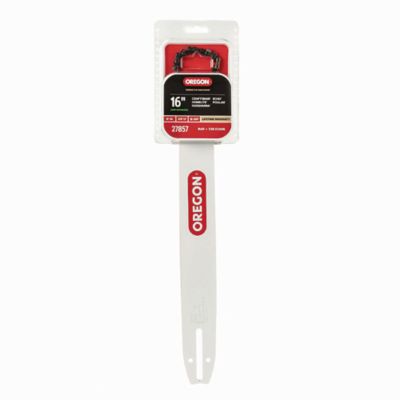
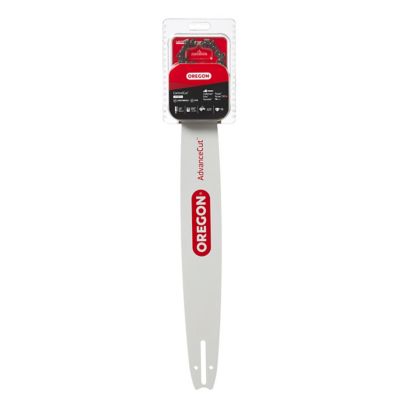
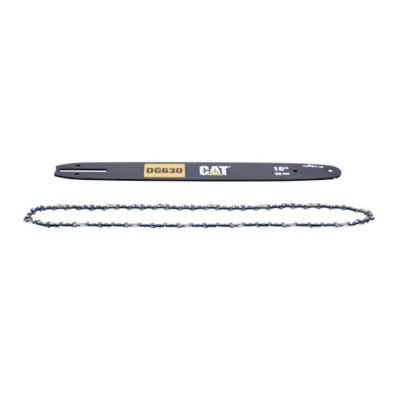
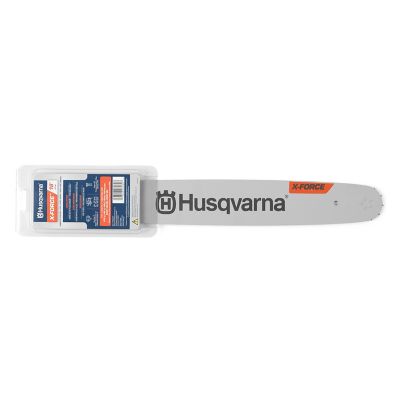
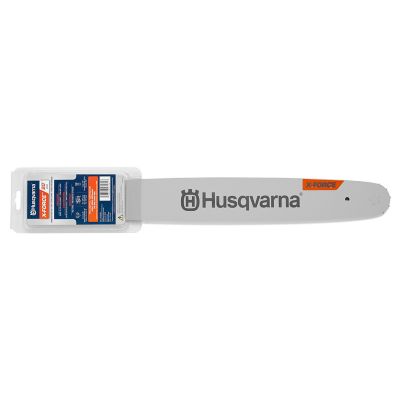
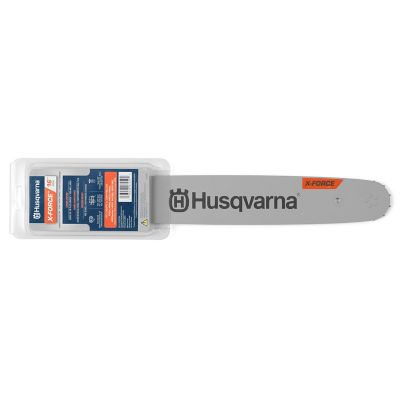
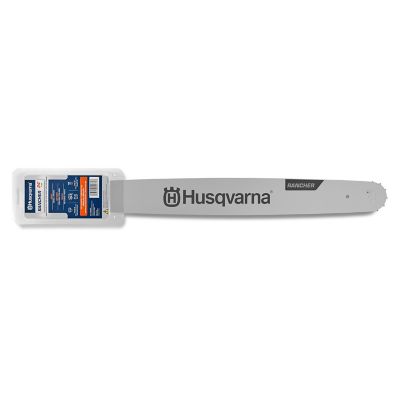
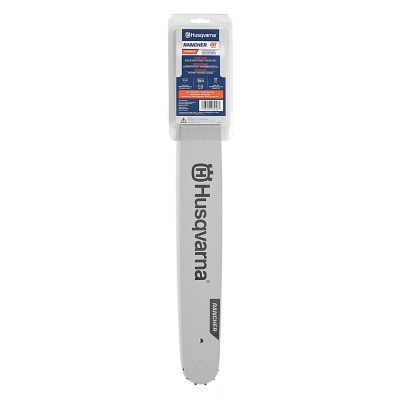
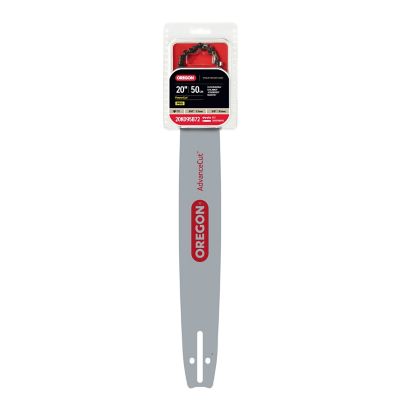
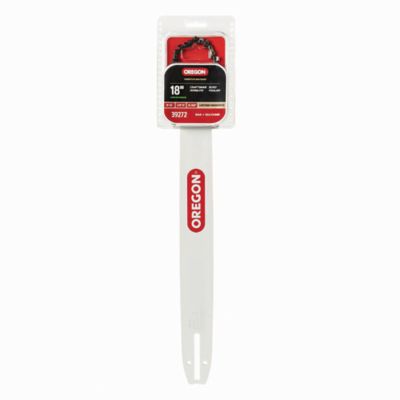
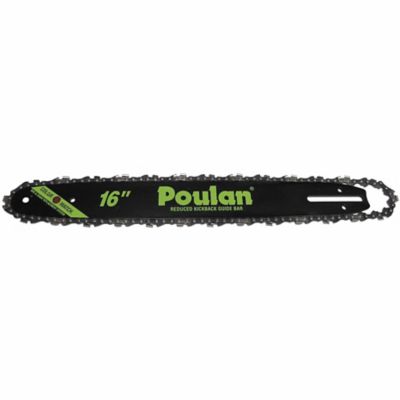
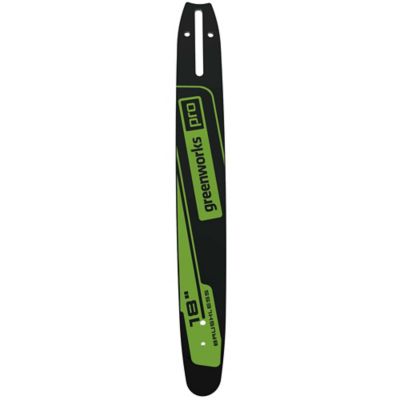
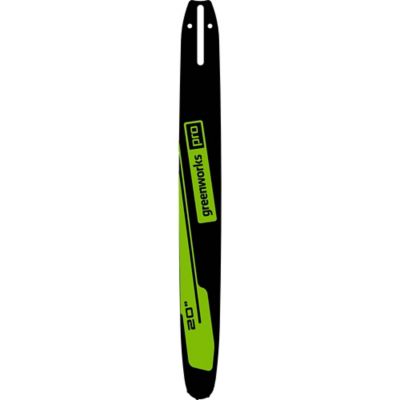
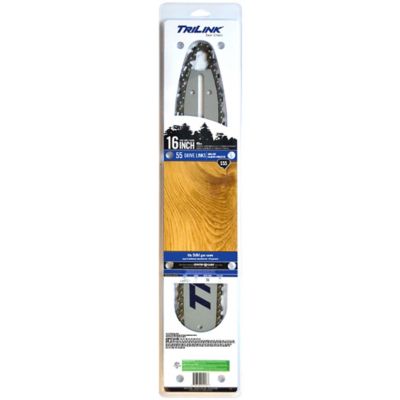
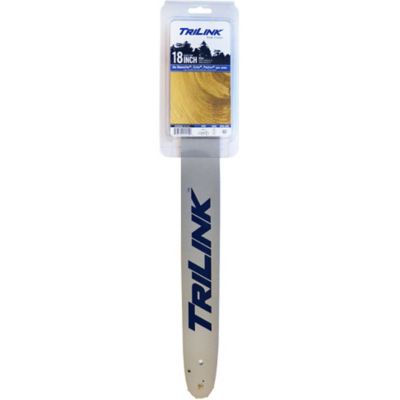
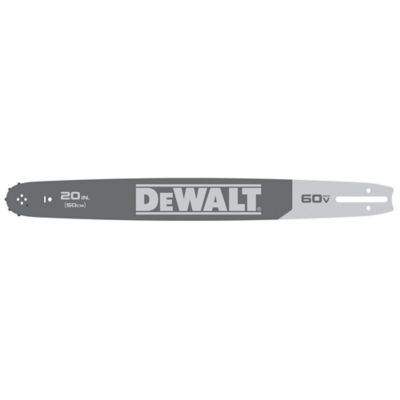
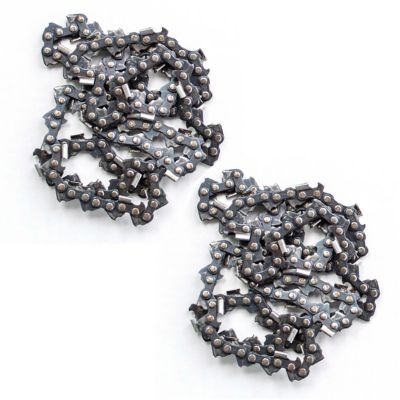
A chainsaw bar, also called a guide bar, is the long steel component that supports and guides the cutting chain around the saw. Its rails and groove keep the chain traveling along the cutting path, while the nose lets the chain turn at the tip. Whether the job is cutting firewood beside the woodshed, trimming limbs along a fence line, or bucking logs on a rural property, the bar needs to match both the saw and the chain. Four specifications matter most: bar length, chain pitch, chain gauge, and the mounting pattern. Bar length generally refers to the nominal cutting length rather than the full length of the detached steel bar, so measuring an old bar from end to end can give the wrong replacement size. The saw manufacturer’s approved bar lengths provide a better starting point. Chain pitch is the distance between the centers of any three consecutive chain rivets divided by two. Common pitches include 1/4 inch, .325 inch, and 3/8 inch, but matching the number alone is not always enough; low-profile and standard chain designs can have different compatibility requirements. Gauge is the thickness of the chain’s drive links, which must fit the groove in the guide bar. Common gauges include .043, .050, .058, and .063 inch. A chain with the wrong gauge can bind or fit too loosely, even when its pitch and overall length seem right. The mounting pattern matters just as much: the mounting slot, tensioner holes, and oil passages must line up with the exact saw model. Bars are not universally interchangeable between saws. Replacement chain selection also depends on the specified drive-link count, not bar length alone. Markings on the bar and specifications in the saw manual help identify the right combination, though a worn or unreadable stamp should not be the only basis for choosing a replacement. Getting those details matched keeps the bar, chain, and drive sprocket working together as intended.
Chainsaw bars commonly have laminated or solid steel construction, and each design can suit different cutting demands. A laminated guide bar has layers of steel joined together, with the center layer forming the space for the chain groove. These bars can offer a manageable balance of weight and strength for pruning, firewood cutting, and general property work. A solid steel guide bar is formed from a single steel body and is often suited to heavier cutting demands, depending on its design and the saw manufacturer’s specifications. Construction alone does not determine the best fit; bar weight, rail wear resistance, nose design, and the powerhead’s capacity all play a part. Many bars have a sprocket nose, where a small wheel helps the chain travel around the tip with less friction than a solid-nose design. Some designs have replaceable nose assemblies, while others require replacement of the complete bar when the nose wears out. Solid-nose bars serve certain specialized applications, but they still need the correct chain, mounting pattern, and lubrication. For work that calls for a
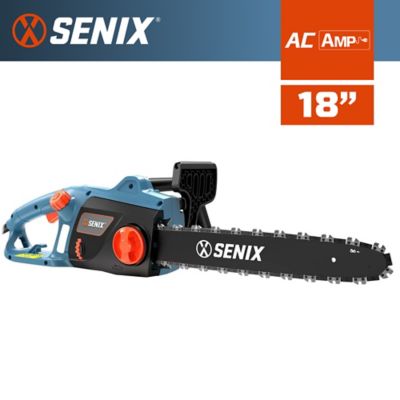
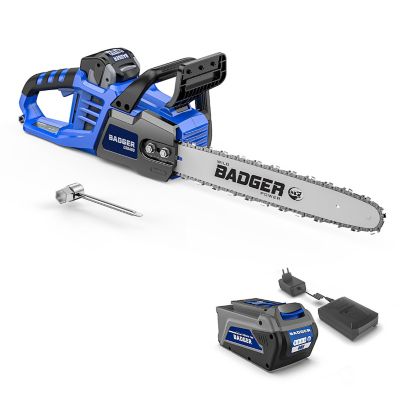
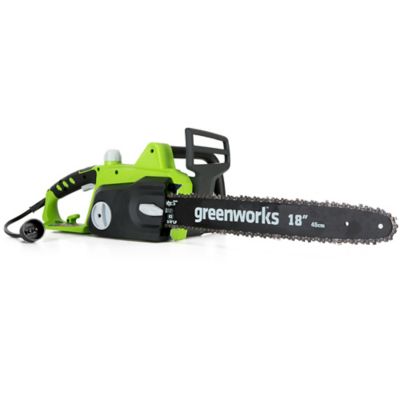
Professional Chainsaw, an approved bar-and-chain setup matters more than simply choosing the longest bar. A longer bar adds reach, weight, and chain length, and cutting with more chain engaged in wood can put greater demand on the engine or motor. A shorter approved bar can be easier to handle when working through smaller limbs or cutting modest firewood rounds. Picture carrying a saw between fence posts to clear encroaching branches versus cutting substantial logs at a designated work area: the size and layout of the job affect how much bar length makes sense. Battery-powered, corded electric, and gasoline saws all require model-specific compatibility. Reduced-kickback bars and chains may be specified for certain saws, but no bar eliminates kickback. The tip still deserves careful attention, and the right equipment belongs alongside sound handling practices, appropriate protective gear, and the operating instructions for the saw.
A chainsaw guide bar takes steady friction, pressure, and contact with sawdust, so its condition has a direct effect on how the cutting setup behaves. Clean bar and chain oil helps lubricate the rails and chain, and the oil passages need to stay clear enough for the saw’s lubrication system to work. General engine oil is not automatically a suitable substitute; the lubricant should meet the saw manufacturer’s requirements. Packed sawdust in the groove, blocked oil holes, and an empty oil reservoir can all interfere with proper lubrication. Routine care also includes checking chain tension according to the manual, since a loose chain or an overtightened chain can create problems for the bar and other components. With the saw shut off and secured against accidental starting, inspection can reveal uneven rail wear, burrs, cracks, a bent body, or trouble at the nose sprocket. Blue discoloration may signal excess heat, while spread rails or a widened groove can leave the chain without proper support. A chain that leans noticeably in the groove, binds, or will not move as intended deserves attention before cutting resumes. Flipping the bar periodically can help distribute rail wear when the manufacturer permits it, but flipping does not fix damage. A nose sprocket that requires separate lubrication should receive the care specified for that design. Likewise, a new bar does not correct a mismatched chain, damaged drive links, or a worn drive sprocket. Those parts need to be considered together rather than treated as unrelated pieces. For landowners keeping trails open, farmers maintaining access around outbuildings, and firewood cutters working through a pile of rounds, the right replacement bar helps keep a familiar saw suited to the task. Careful fit and regular inspection matter whether the saw runs often or only comes out for occasional property chores. A bar selected for the saw’s specifications and the actual cutting work offers a practical foundation for keeping the whole cutting system in proper working order.