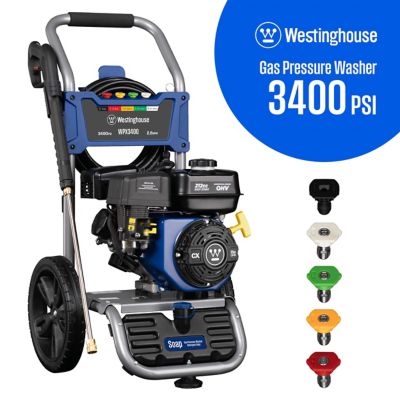
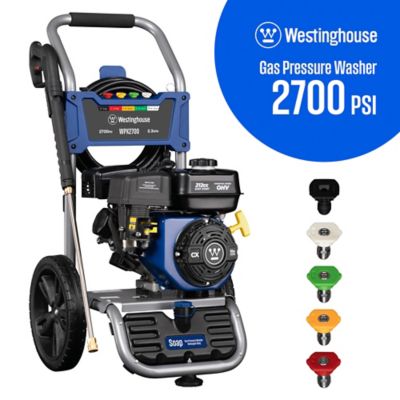
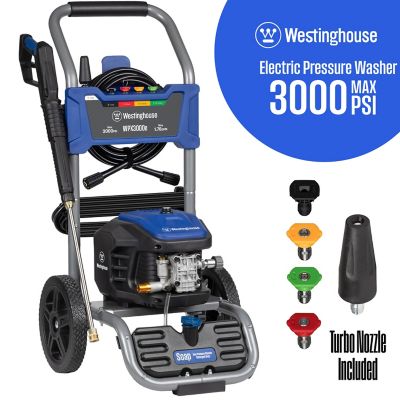
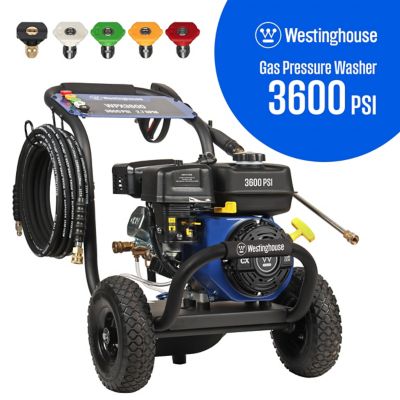
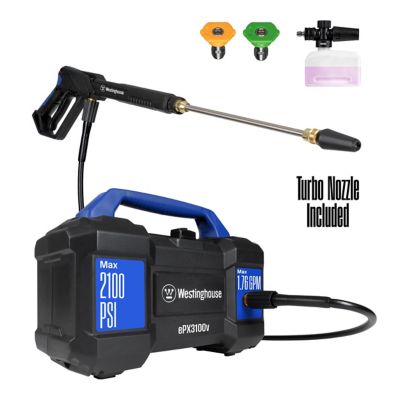
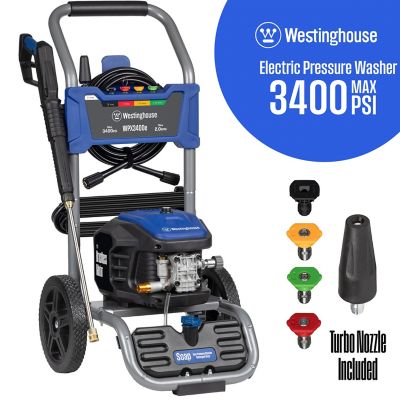
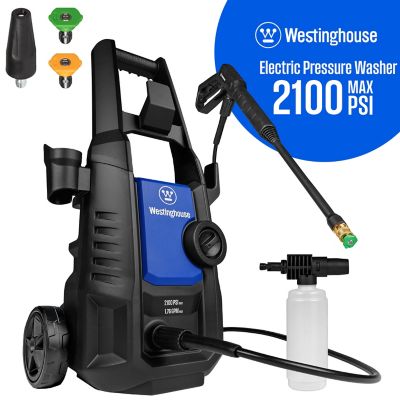
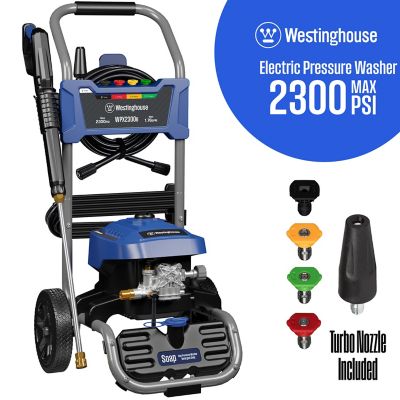
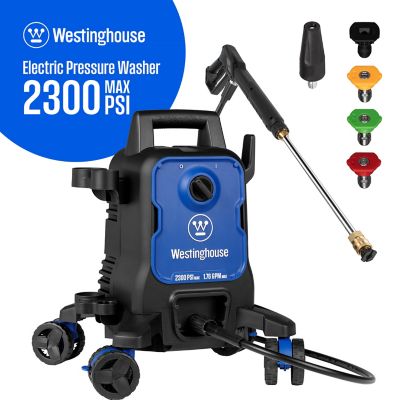
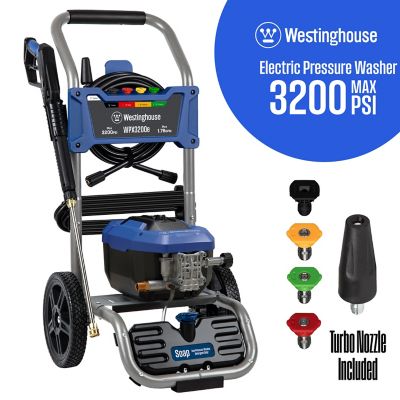
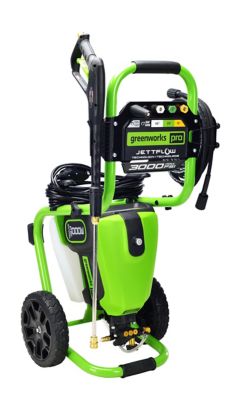
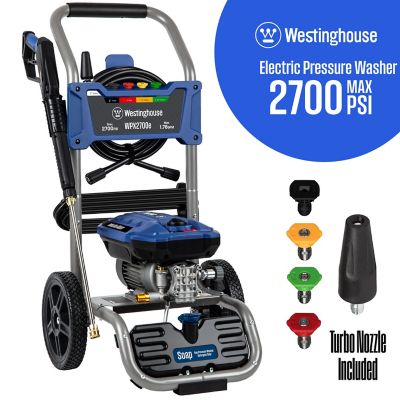
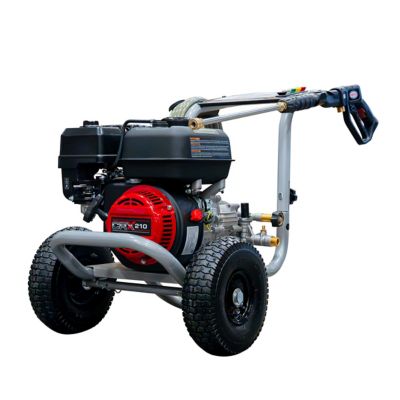
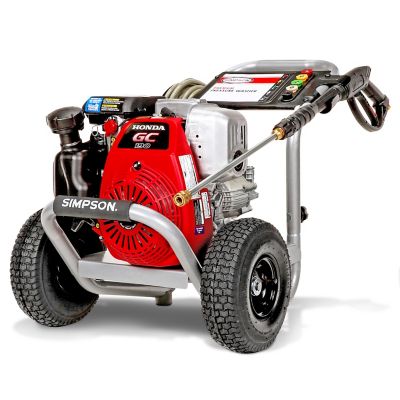
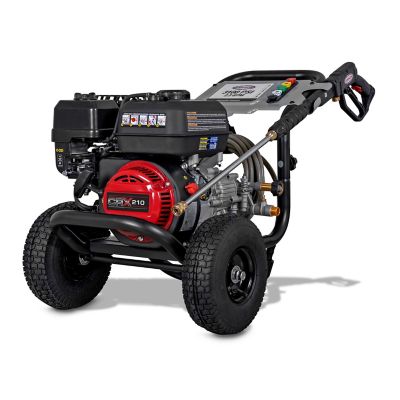
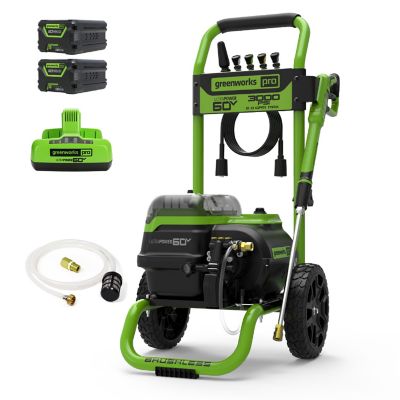
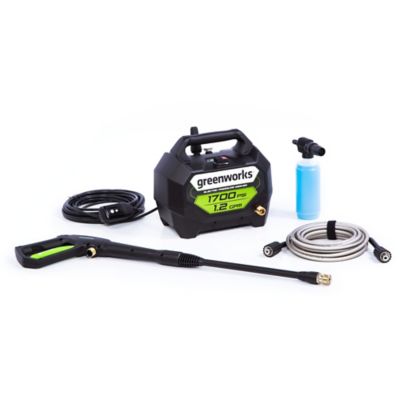
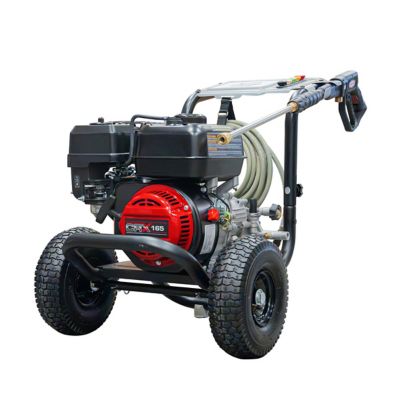
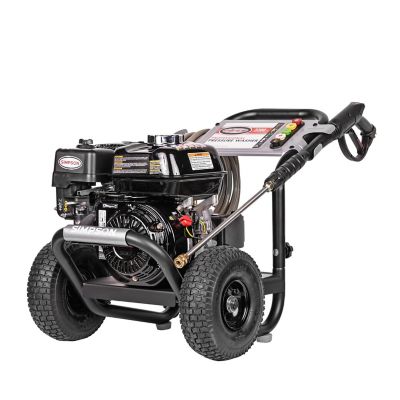
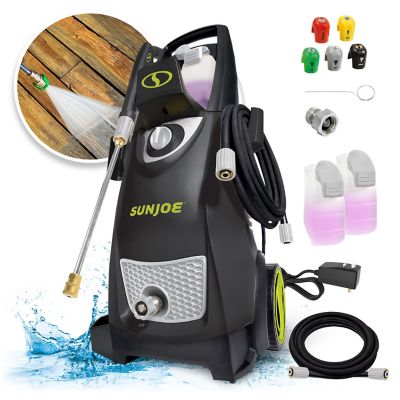
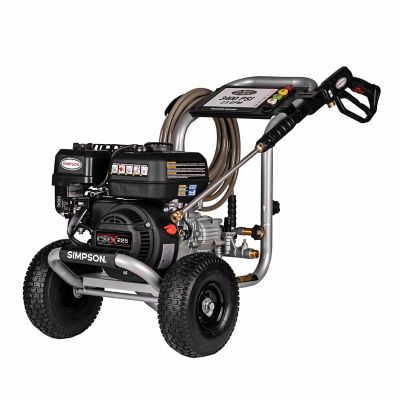
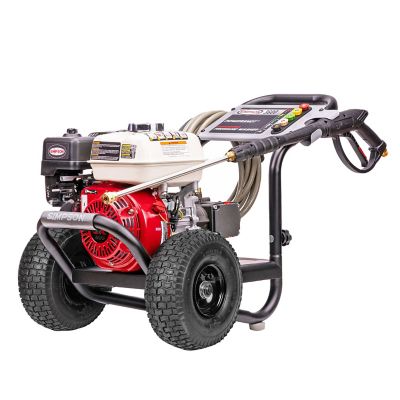
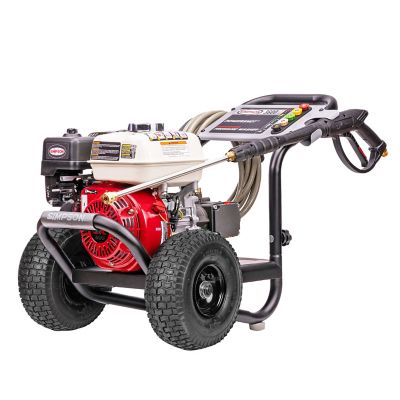
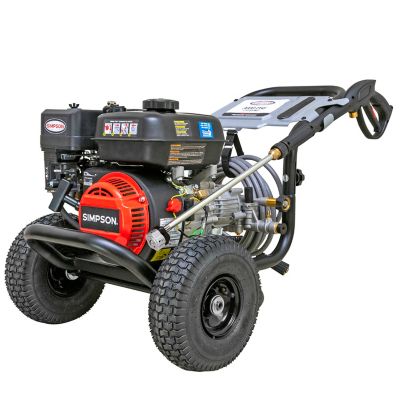
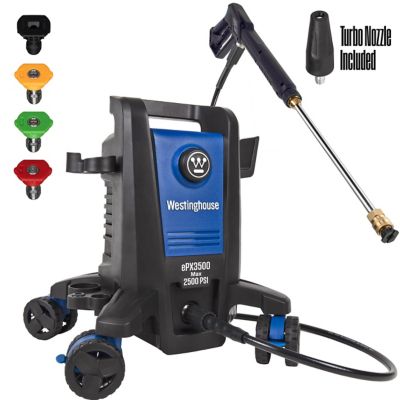
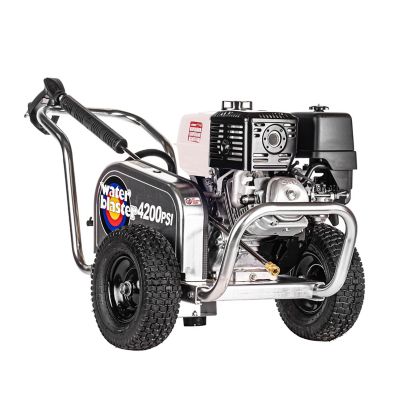
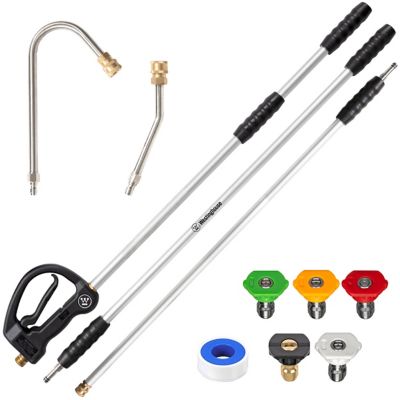
A pressure washer for patio maintenance projects helps clear the ground-in dirt, muddy boot tracks and buildup that a garden hose may leave behind. For many residential patios, equipment in the 1,500 to 3,000 PSI range provides a useful starting point, but the right operating pressure depends on the surface, its condition and the limits set by its manufacturer. More pressure is not always better, especially around soft stone, loose mortar or coated surfaces. PSI measures water pressure, while gallons per minute, or GPM, measures water flow. Pressure helps loosen grime, and flow helps carry it away, so both numbers matter when comparing equipment for a small sitting area behind the house or a broad concrete patio beside the shop. Comparing rated operating pressure and flow, rather than peak figures alone, gives a clearer picture of what a machine can deliver. Electric pressure washers often suit routine patio cleanup, with less engine upkeep and generally less noise than gas-powered equipment. Their working range depends on access to a suitable electrical outlet as well as a water supply. Gas pressure washers can make sense for larger paved areas, longer cleaning sessions or locations beyond easy reach of an outlet. Many offer higher pressure and flow, though the ratings of the individual machine matter more than its power source alone. They also bring engine maintenance, exhaust and additional weight into the decision. A manageable machine that rolls easily from the shed to the patio may be a better fit than a larger one that is awkward to move around gates, steps and narrow paths. For homeowners, acreage owners and anyone keeping a busy outdoor gathering space tidy, the most useful combination is enough cleaning power for the job, controls that are easy to reach and a setup that fits the property.
Patio materials deserve just as much attention as machine specifications. Sound, uncoated concrete generally tolerates more cleaning force than wood, soft masonry or a painted surface, but concentrated spray can still leave etched lines and rough patches. New concrete, repaired sections and existing sealers may have additional cleaning restrictions. Brick and concrete pavers bring another concern: water pressure can wash joint sand out from between the blocks, leaving gaps that need attention afterward. Natural stone varies widely, with some surfaces more prone to flaking or surface damage than others. Wood decking and painted patio furniture usually call for gentler settings and wider spray patterns, provided their care instructions allow pressure washing at all. That makes adjustable pressure and a suitable nozzle selection worth considering for patios with several materials close together. A broad fan spreads the spray across a wider area, while a narrow stream concentrates force into a small spot. Zero-degree nozzles and rotating nozzles can damage patio surfaces, so their presence in an accessory set does not make them suitable for every cleaning task. A compatible surface cleaner can help cover open, level pavement with more consistent passes and less overspray, but its pressure and flow requirements must match the washer. It is not a substitute for checking the limits of the surface underneath. Detergent compatibility matters, too. A cleaner labeled for the patio material and approved for the machine can help loosen certain soils without relying on pressure alone. Dark buildup near a planter, grease beside the grill and ordinary tracked-in dirt may call for different treatments. Manufacturer directions determine dilution, application and contact time; stronger mixtures or longer soaking are not automatically better. An inconspicuous test area helps reveal changes to color, texture or finish before a larger section is affected. Around pavers, mortar joints and sealed stone, preserving the surface matters more than chasing every mark with a harder spray.
The smaller equipment details often decide how comfortable patio cleanup feels after the first few minutes. Hose length affects how often the washer needs repositioning, while a flexible hose and accessible reel can make it easier to work around chair legs, raised beds and corners. A longer hose also needs to stay within the machine’s approved specifications. Kink resistance, reinforced connections and replaceable seals are worth a look for equipment that will see regular work around the property. Metal fittings can handle repeated connections well, although thread type, connector size and pressure rating still need to match. A balanced spray gun, a comfortable trigger and an appropriate wand length can reduce awkward reaching without putting the operator too close to the surface. Large wheels and a stable frame help when the route from storage crosses gravel or uneven ground. Onboard storage for the hose, cord, wand and nozzles keeps the setup together between jobs, and clear access to service points makes routine care less of a chore. Pump and engine maintenance vary by design, so the owner’s manual remains the reference for oil requirements, inlet-screen cleaning, flushing and storage. An adequate water supply is essential, and running a pump without water can damage it. Safe operation belongs in the equipment decision as well: electric models call for the specified GFCI-protected power connection, with electrical connections kept dry, while gas engines must operate outdoors, well away from doors, windows and vents. Eye protection, sturdy closed-toe footwear and room to keep children and animals clear of the spray path are practical essentials. Runoff also needs somewhere appropriate to go, particularly when cleaning solutions or oily residue are involved. For households with a truck or utility vehicle on the cleanup list, the
Pressure Washer for Vehicle Washing Tasks collection provides another way to compare equipment, with vehicle finishes requiring their own pressure limits and approved cleaners. Across those chores, a well-matched washer and compatible accessories help make regular upkeep more manageable without putting the surfaces around the place through unnecessary wear.