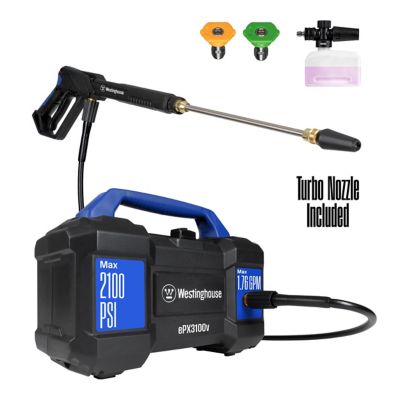
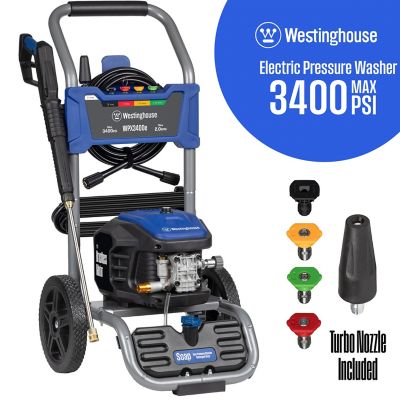
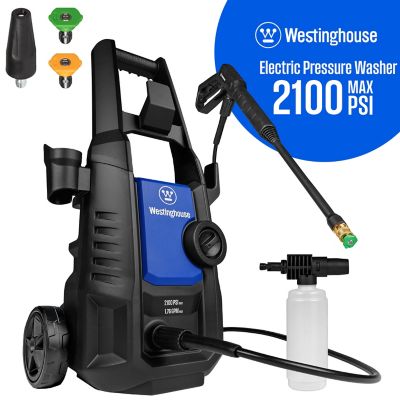
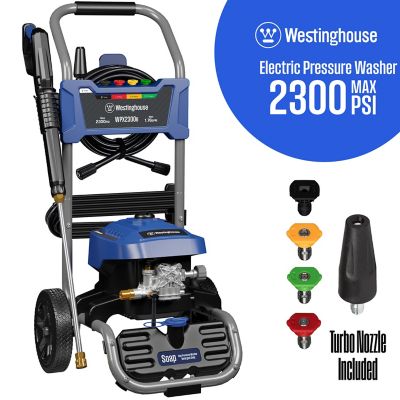
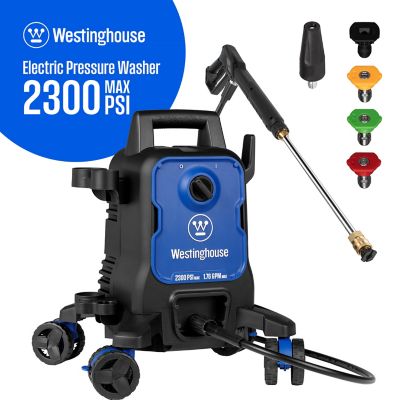
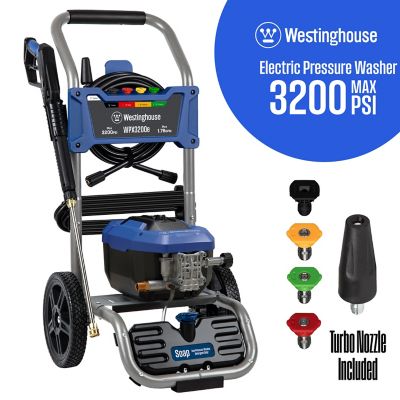
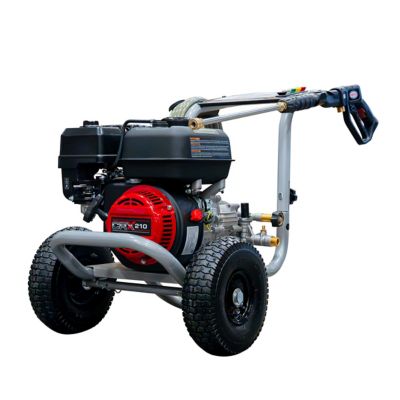
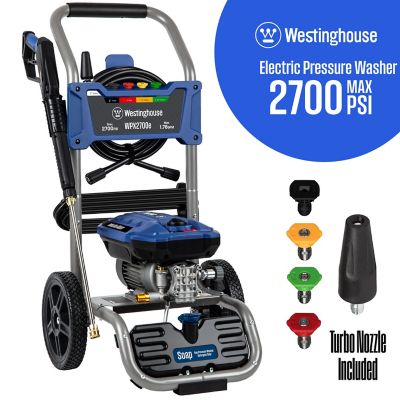
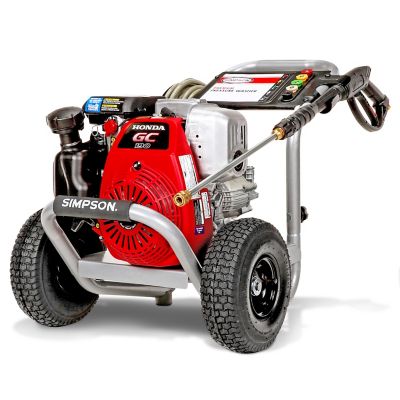
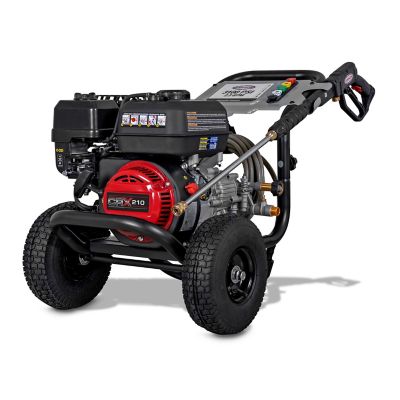
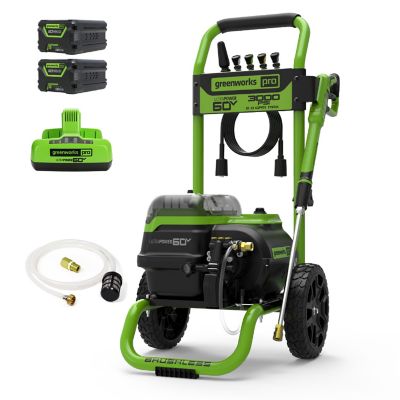
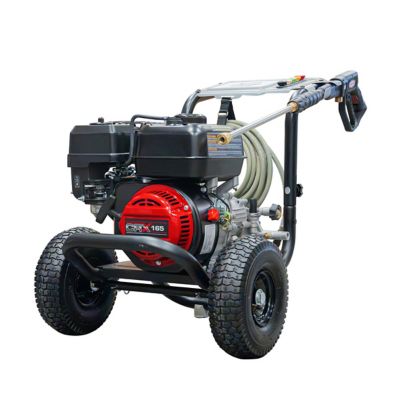
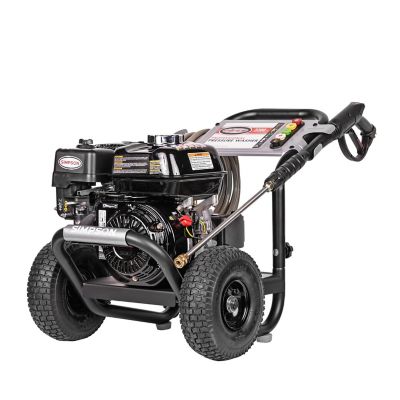
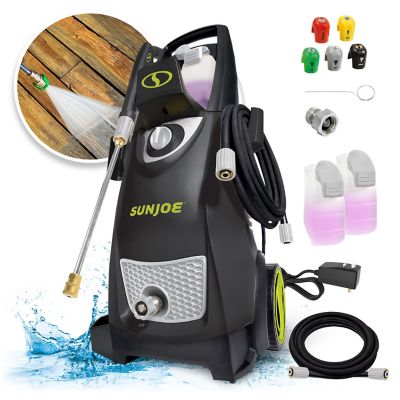
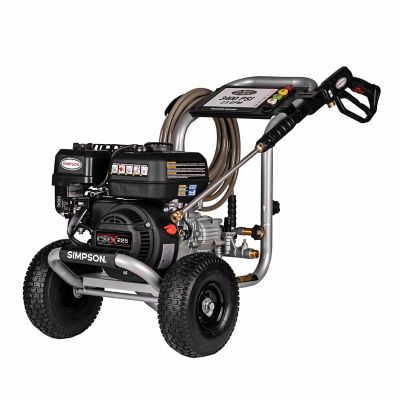
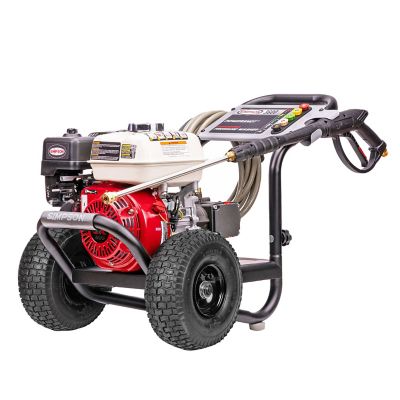
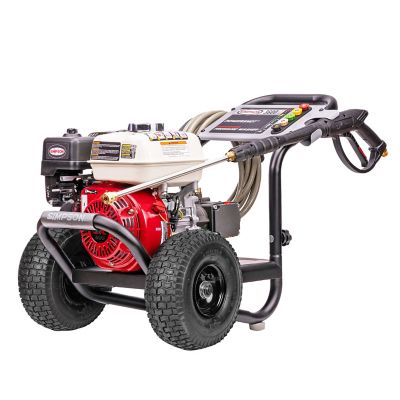
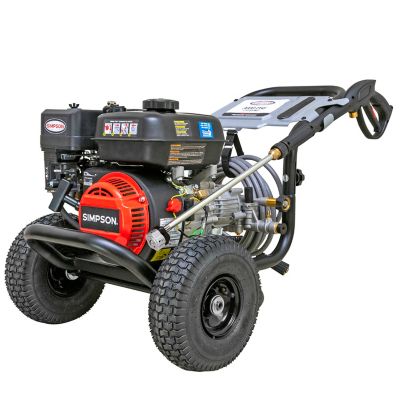
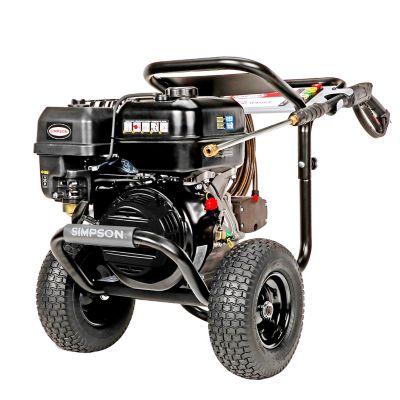
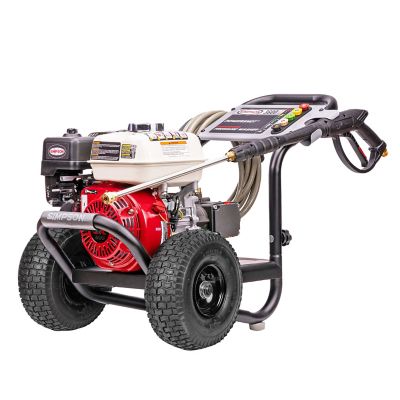
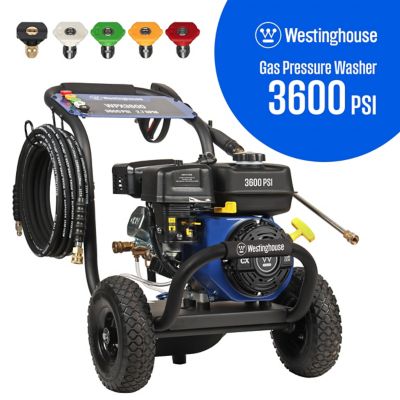
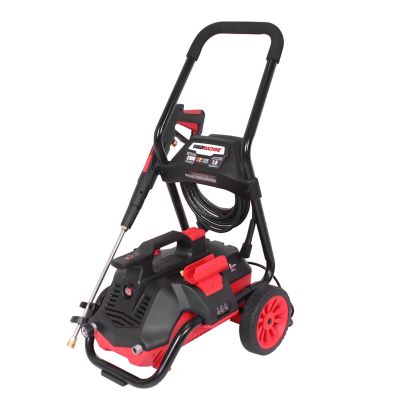
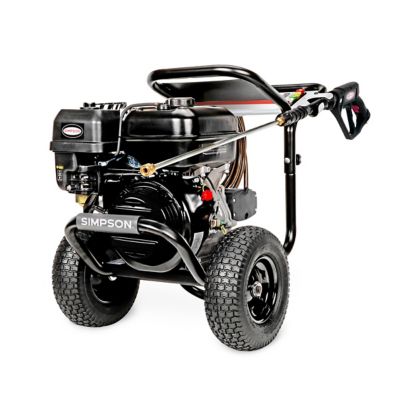
A portable pressure washer for residential use brings concentrated cleaning power to everyday jobs around the house, from dirt along a concrete walkway to grime on patio furniture and a pickup’s wheel wells. These machines pair a motor-driven pump with a hose, trigger gun and spray nozzle, giving homeowners a way to tackle buildup that a garden hose alone may leave behind. Corded electric pressure washers suit many household cleaning tasks when there’s a suitable electrical outlet and water connection nearby. Battery-powered models offer more freedom of movement, though pressure, water flow and runtime vary considerably. Some cordless tools are light-duty power cleaners rather than direct substitutes for a full-size pressure washer, making them better suited to dusty chairs, bicycles and quick rinses than deeply embedded driveway grime. Two specifications help explain the difference: pounds per square inch, or PSI, describes water pressure, while gallons per minute, or GPM, describes water flow. Pressure helps loosen dirt, and flow helps carry that loosened material away. Both matter, so a high pressure number alone doesn’t tell the whole story. Maximum and rated figures can also represent different operating conditions; comparing like-for-like ratings gives a clearer picture of expected performance. Around a home, the right balance depends on the surfaces and the kind of mess. A concrete pad beside the garage has different needs than painted porch railings, wood fencing or a vehicle’s finish. More pressure isn’t always better, especially around soft wood, chipped paint, window seals and trim. Adjustable spray patterns and interchangeable nozzles give a portable washer more flexibility across those jobs, provided the settings and attachments match the surface manufacturer’s recommendations. A broad spray can cover a larger area, while a narrower pattern concentrates force in a smaller spot. For households with a mix of hard surfaces and more delicate belongings, that control can matter just as much as the machine’s highest output. The best fit is a washer that handles routine chores without bringing more weight, complexity or force than the work calls for.
Portability means more than a low weight on a specification sheet. A balanced carry handle, manageable dimensions and a place to secure the hose can make a noticeable difference between carrying a washer from the garage to the front steps and wrestling a tangled bundle across the yard. Wheeled designs can be easier to move over longer stretches, while compact carry-style machines fit more readily on a shelf or in a crowded storage area. Larger wheels generally handle uneven ground better than small ones, although any machine needs a stable position during operation. Hose length also affects how much ground a washer can cover without moving the pump, and extra reach is helpful around a parked truck, a long porch or several pieces of outdoor furniture. Longer isn’t automatically easier, though: a stiff hose that kinks or fights every turn can make a small job feel bigger. Hose flexibility, abrasion resistance, connection design and onboard storage all deserve attention alongside pressure and flow. Molded housings help keep many compact machines light, while metal frames can provide support and protection around the pump and motor. Brass fittings and corrosion-resistant hardware can support a longer service life, but materials alone don’t replace proper handling and care. Accessory fit matters, too. Spray guns, extension wands, foam attachments and surface cleaners need compatible connections and operating ratings; a fitting that looks close isn’t necessarily interchangeable. Detergent tanks or foam attachments can help distribute a cleaning solution, but only formulas approved for the machine and the surface belong in the system. Power and water requirements are equally important to the fit. Most corded residential washers connect to a garden hose, while certain cordless models can draw from a bucket or another approved water source. That capability depends on the model and may require a specified intake hose and filter. A bucket-fed setup offers convenience away from a spigot, but the amount of water on hand still limits how much cleaning it can support.
For a homeowner who regularly rinses muddy tools, cleans a small patio or freshens up the concrete near the back door, a compact washer can earn its storage space without taking over the garage. Someone caring for a larger driveway, extensive fencing or several outbuildings may place more value on water flow, hose reach and the machine’s stated operating limits. Battery capacity matters for cordless equipment, especially when a job involves more than a few quick passes, and compatibility with an existing battery platform can simplify charging and storage. Batteries and chargers aren’t included with every cordless configuration, so package contents are worth checking. Corded equipment avoids battery runtime limits, but it still requires a suitable GFCI-protected electrical connection and attention to the manufacturer’s cord requirements. Electrical connections need to stay clear of spray and standing water. High-pressure spray also calls for care around people, pets, fragile surfaces and electrical components; secure footing and eye protection belong with the job, and operating a pressure washer from a ladder creates a serious fall risk. These practical details help distinguish a convenient household tool from one that doesn’t suit the property. Ongoing care is generally straightforward, with the owner’s manual setting the requirements for flushing detergent, clearing inlet screens, releasing trapped pressure and storing the equipment. A hose put away without sharp bends, clean connections and protection from impacts can help prevent avoidable trouble the next time a chore comes along. Pump maintenance varies by design, and a low-maintenance electric motor doesn’t mean every part of the washer is maintenance-free. For heavier workloads and frequent, extended cleaning,
Professional Pressure Washers provide another category to compare against household needs. For routine residential work, manageable handling, suitable pressure and flow, compatible accessories and straightforward storage make a portable pressure washer a practical match for keeping the place cleaned up.