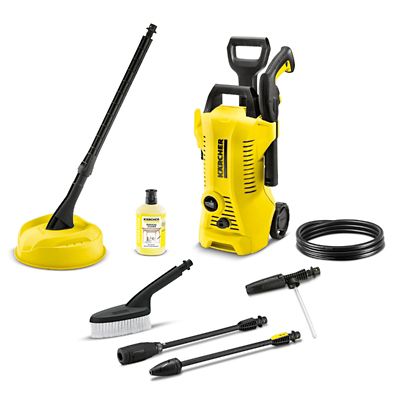
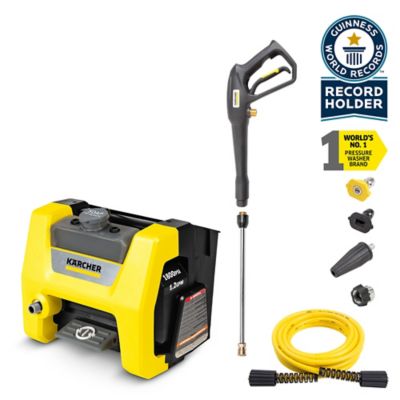
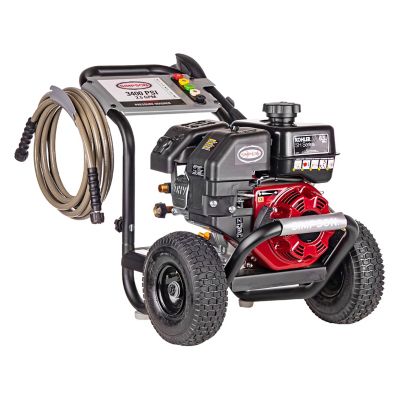
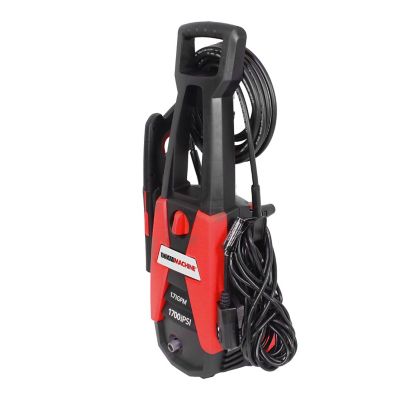
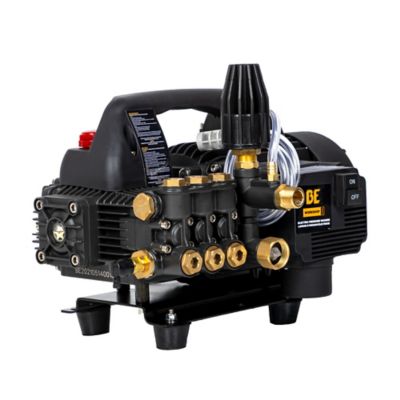
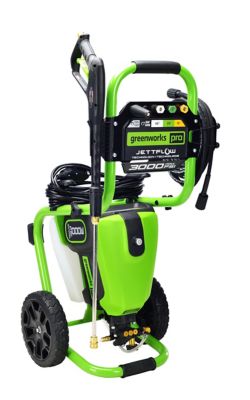
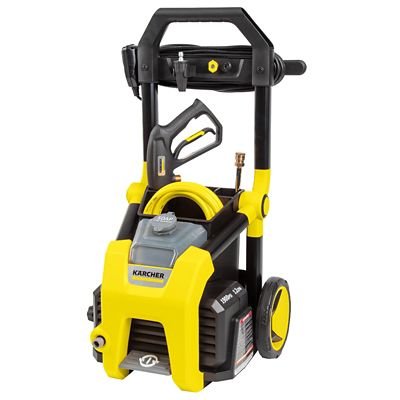
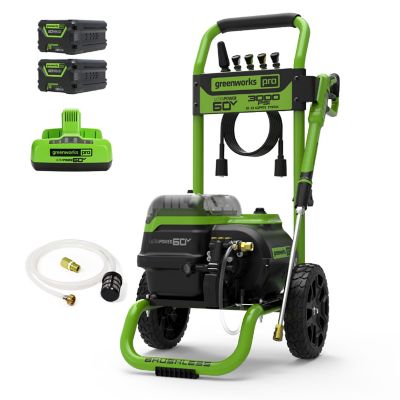
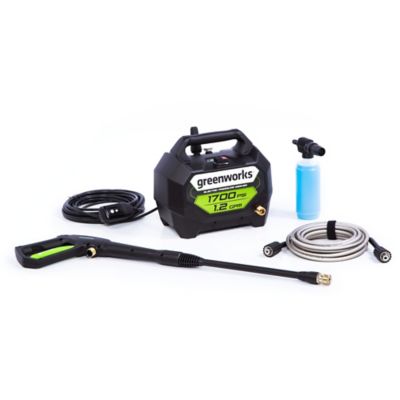
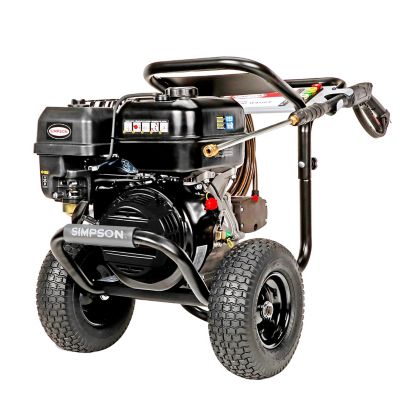
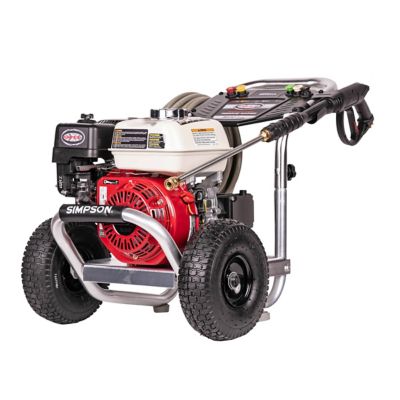
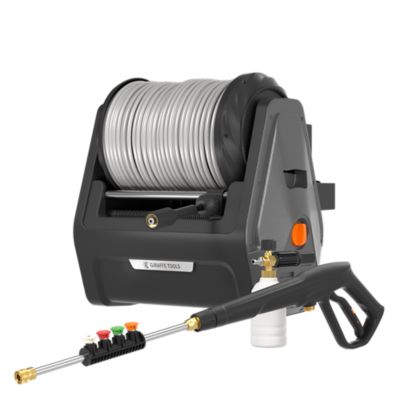
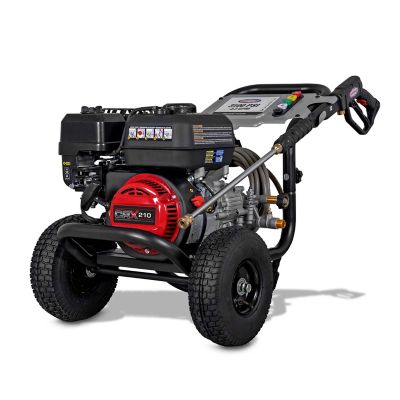
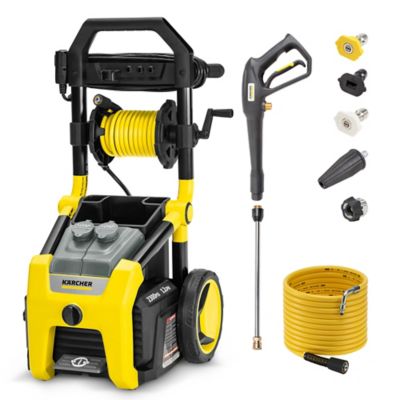
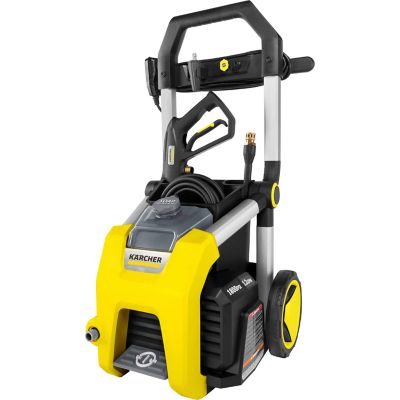
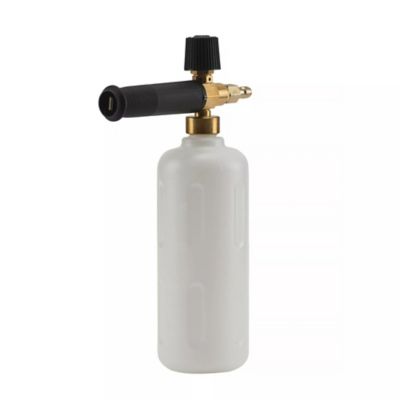
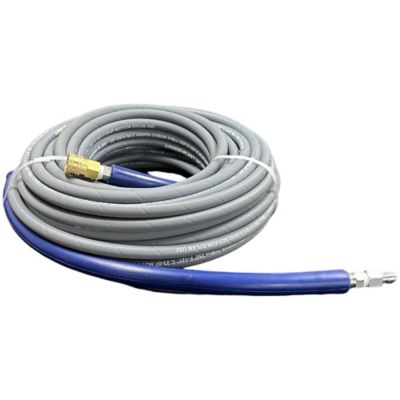
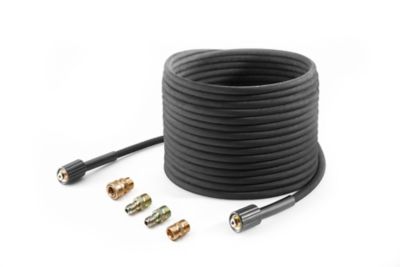
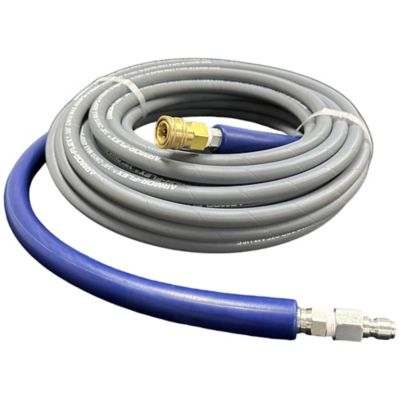
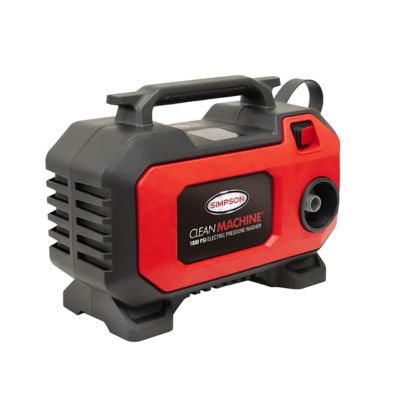
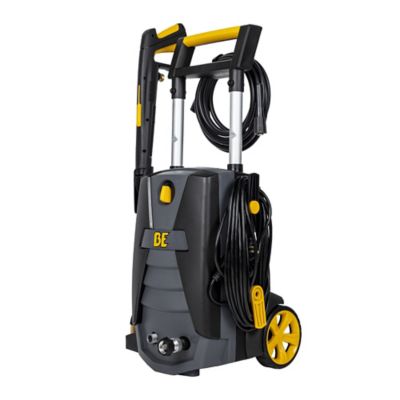
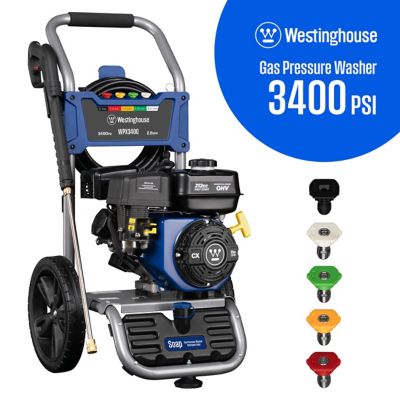
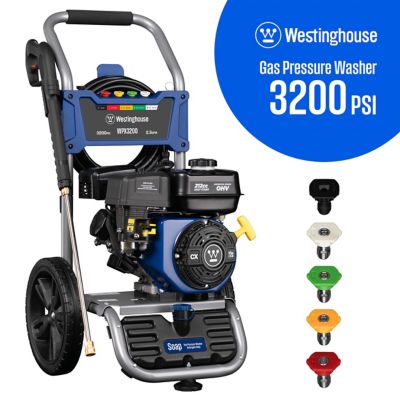
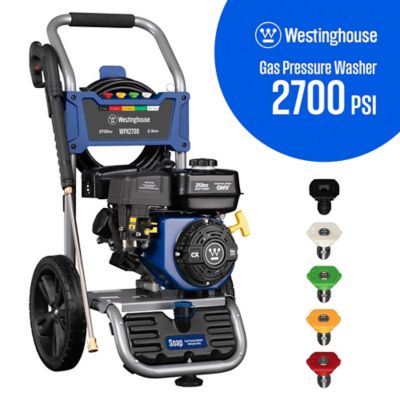
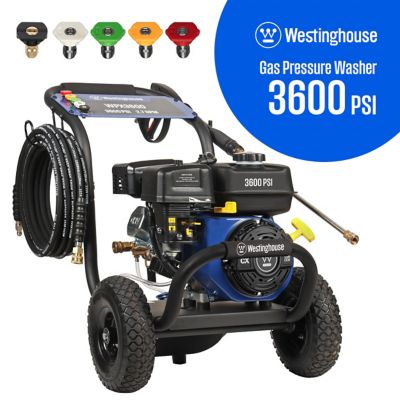
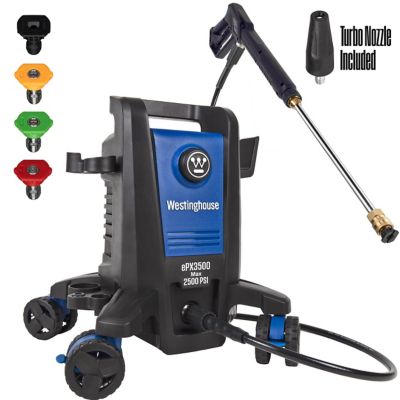
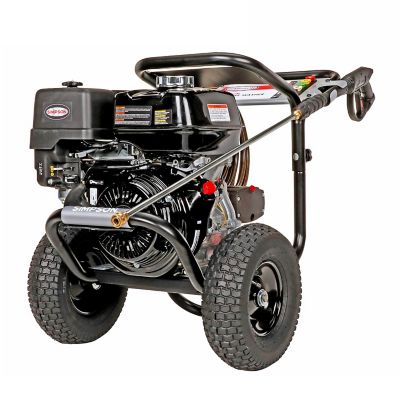
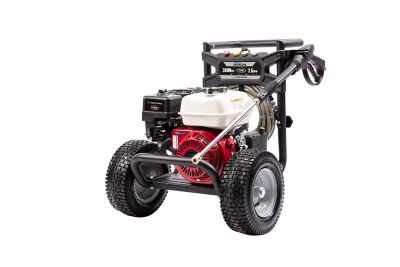
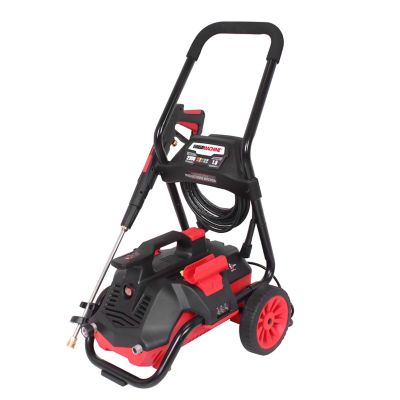
When shoppers search for an indoor pressure washer, they are often looking for a compact way to tackle stubborn dirt in a garage, workshop, mudroom, utility area, barn office or other hard-surface space. In most finished indoor rooms, a standard high-pressure washer is not the right tool. The spray can force water behind walls, under flooring and into cabinets, while rooms without a floor drain can flood in a hurry. For many indoor cleaning jobs, a steam cleaner or low-moisture hard-surface cleaner is the safer, more practical choice. Steam loosens grease, tracked-in mud and dried-on grime without leaving a large amount of water behind, making it useful around sealed tile, concrete, metal and other moisture-tolerant surfaces. A compact electric pressure washer may have a place in a well-ventilated garage, commercial wash bay, workshop or barn with dependable drainage, but it should be used carefully and only where the surface, electrical setup and water management can handle it. Before choosing equipment, take a close look at the space itself. A smooth concrete floor that slopes toward a drain is a very different job from a finished basement with painted drywall and laminate flooring. If water has nowhere to go, even a short cleaning session can leave puddles under shelving, soak cardboard boxes or seep into the edges of flooring. Indoor pressure washing should never be treated like ordinary outdoor cleaning.
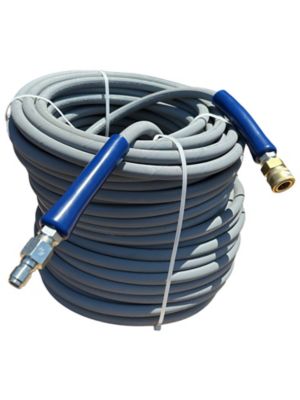
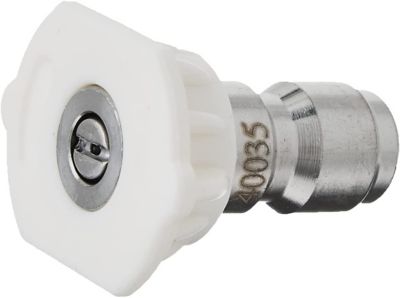
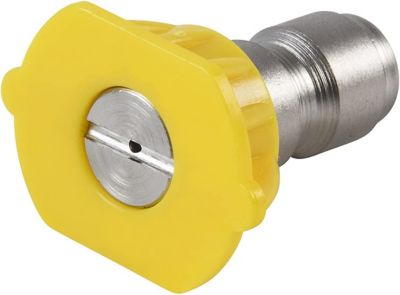
The best indoor cleaning equipment matches the mess, the surface and the amount of water the area can safely handle. For light dirt, dust, muddy paw prints and everyday buildup, a spray cleaner, scrub brush, mop or steam unit may do the job with less setup and less risk. For greasy workshop floors, caked-on soil near a livestock area or tracked-in gravel around a utility entrance, look for equipment with adjustable pressure or steam control, manageable water use and attachments suited to broad floors as well as corners. Compact designs are easier to carry through a doorway and store on a shelf, while a longer hose or power cord can help reach behind workbenches without dragging the machine across a wet floor. Check the cleaning temperature, pressure range, flow rate, cord length, tank or hose requirements and included nozzles before buying. A wide fan spray is generally gentler and more useful for large hard surfaces than a narrow, concentrated stream. Avoid using a sharp jet on grout, old concrete, painted wood, unfinished flooring, drywall, insulation, upholstery or anything with a loose seal. Test any cleaner or attachment in a hidden spot first, and keep the spray away from outlets, switches, appliances, motors, stored feed, paper goods and exposed wiring. When electricity and water will be used in the same work area, a properly installed GFCI-protected outlet, dry hands and suitable extension-cord practices matter. Keep the area well ventilated, wear eye protection and waterproof footwear, and follow the equipment instructions from start to finish. A wet-dry vacuum, floor squeegee, absorbent towels and a clear path to the drain can make cleanup far easier.
An indoor pressure washer or steam-cleaning tool can be especially handy for people who spend a lot of time in the shop, care for animals, maintain rental or commercial spaces, or want a dedicated way to deal with messes during the cooler months when outdoor washing becomes less convenient. A tractor cab floor, kennel run, sealed garage slab, tiled entryway or workshop corner can collect a surprising amount of grit when boots, paws and equipment move between the yard and the house. Used on appropriate surfaces, the right cleaner can help lift that buildup before it turns into a slick film or hard-packed layer. It can also make a thoughtful gift for a handy homeowner, a new shop owner, a pet owner with washable hard floors or someone setting up a barn workspace, especially when paired with basic safety gear and cleanup supplies. For a broader look at reliable cleaning options, browse the
Top Rated Pressure Washer selection, then compare each unit’s intended use rather than choosing by pressure alone. Higher pressure is not automatically better indoors; controlled water use, surface compatibility and easy drying are often more important. Keep pets, children and livestock out of the work area, secure loose items, and let floors dry fully before bringing traffic back through. If a space has no drain, poor ventilation, exposed electrical components or water-sensitive construction, choose a low-moisture method instead of forcing a pressure washer into the job. The safest indoor cleaning routine is the one that removes the mess without creating a bigger repair.