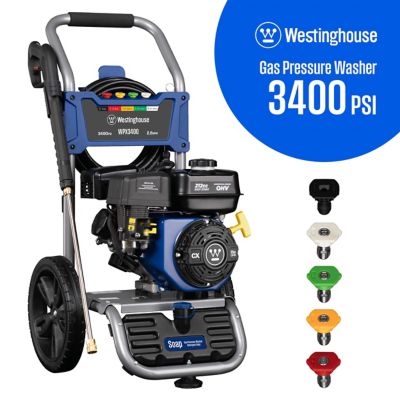
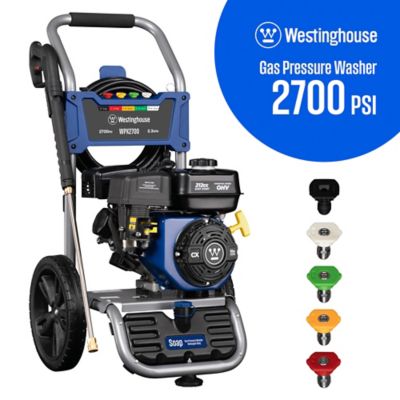
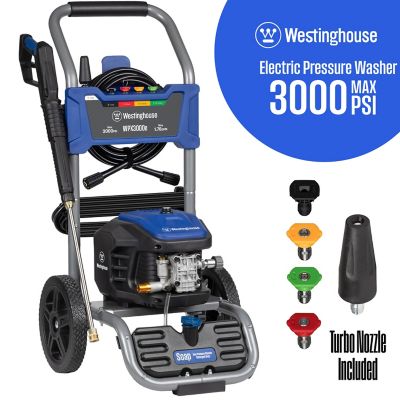
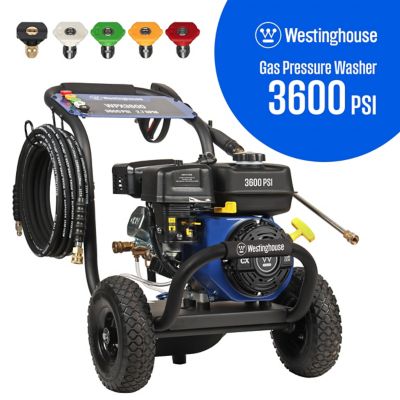
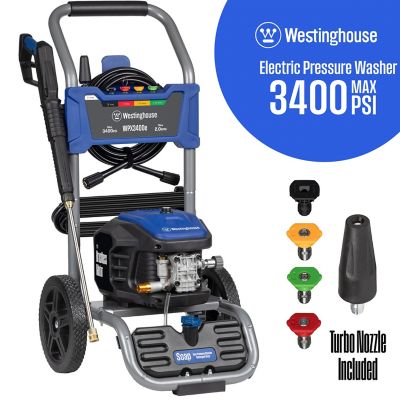
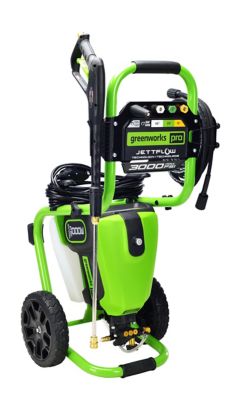
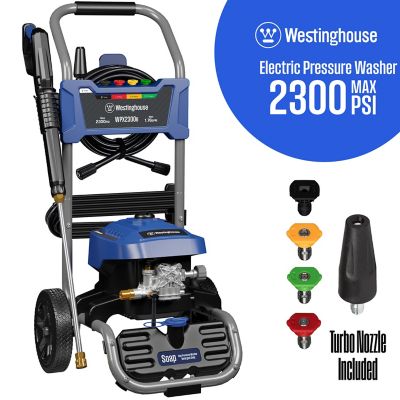
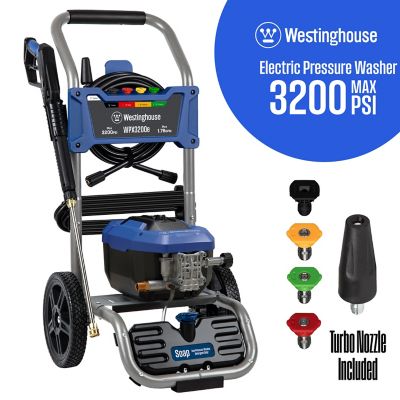
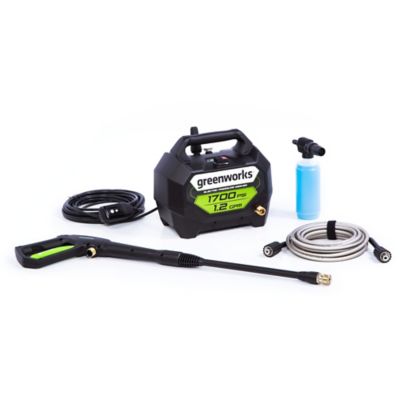
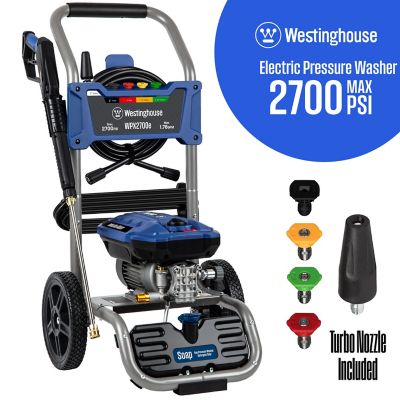
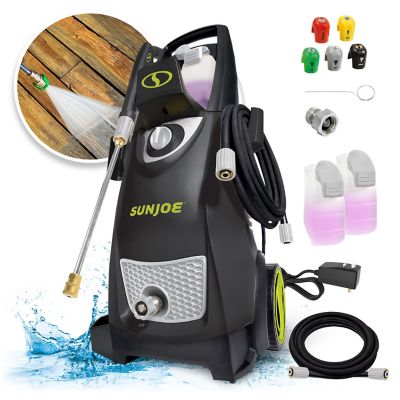
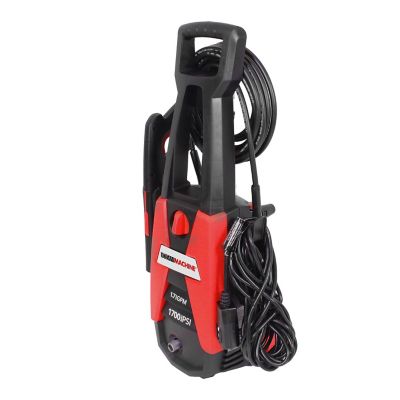
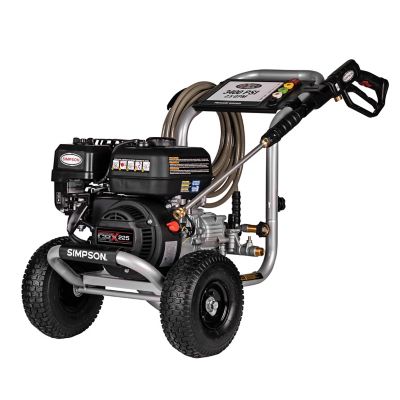
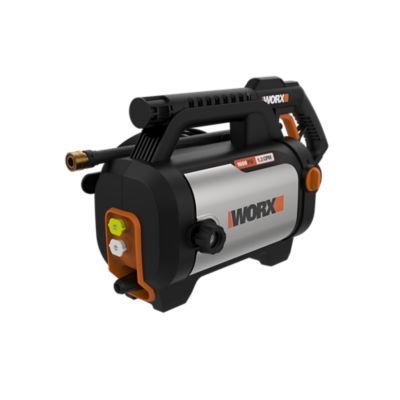
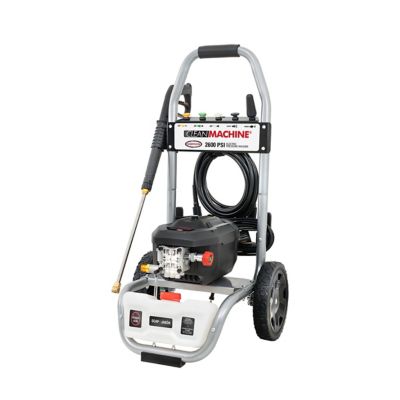
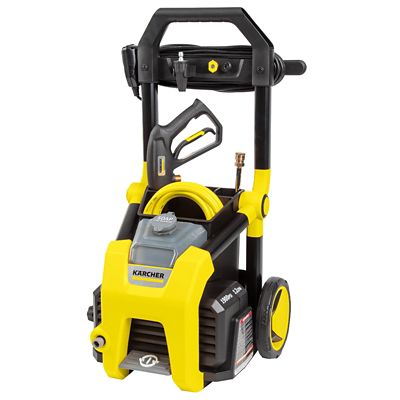
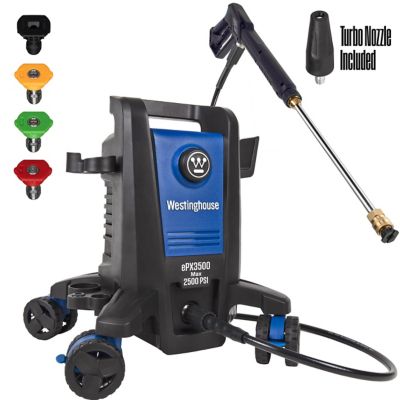
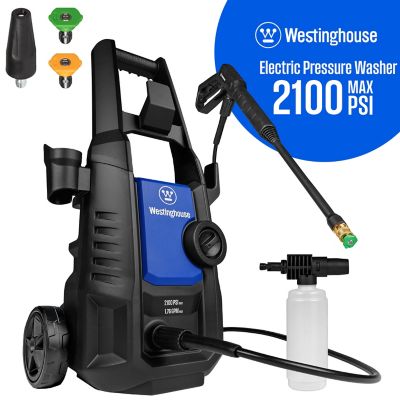
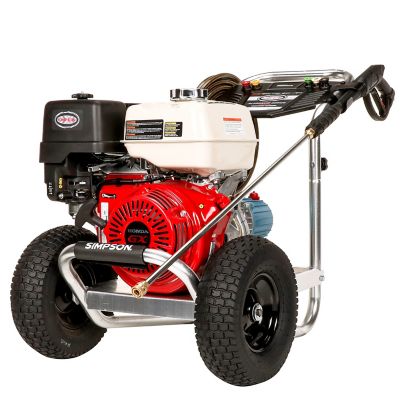
A pressure washer for vehicle washing puts steady rinsing power within reach, whether the job is dust on a pickup, mud along an SUV’s lower panels or road film on the family car. A good match balances manageable pressure, useful water flow and attachments suited to automotive surfaces—not simply the highest number on the label. Pressure, measured in pounds per square inch, or PSI, describes the force of the spray, while gallons per minute, or GPM, describes how much water moves through the machine. Both matter when rinsing away loosened dirt and soap. For routine vehicle washing, adjustable electric pressure washers rated around 1,200 to 1,900 PSI can be a practical starting point when their manufacturers approve automotive cleaning. That range is not a promise of paint safety: nozzle pattern, working distance, surface condition and the vehicle maker’s care instructions all matter. Water flow around 1.4 to 2.0 GPM can help carry away suds, although the right setup also depends on the water supply and attachment requirements. Published maximum ratings may not represent pressure and flow delivered together, so operating specifications give a clearer picture than headline numbers alone. Wide fan-spray nozzles and controllable pressure offer more flexibility around painted panels than concentrated jets. Zero-degree tips and rotating turbo nozzles generally belong away from automotive finishes unless the vehicle and equipment manufacturers expressly approve them. Peeling paint, loose trim, damaged seals and aftermarket graphics deserve particular caution. For a pickup that travels a gravel lane or a car that spends plenty of time on the highway, the goal is enough cleaning force to loosen surface grime without treating the bodywork like a concrete slab. A pressure washer also does not replace every part of a wash: stubborn traffic film may still call for automotive shampoo and gentle contact with a clean wash mitt.
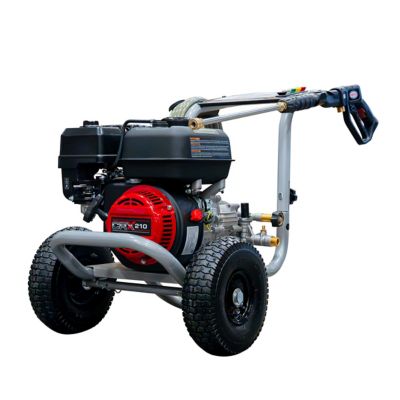
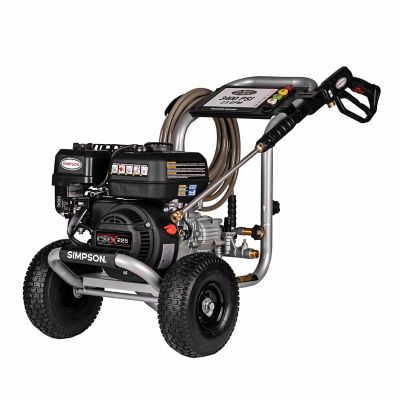
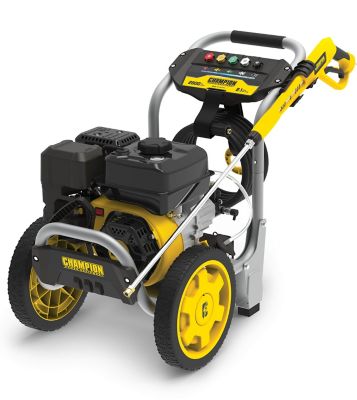
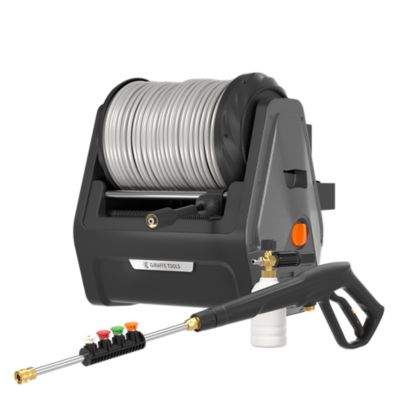
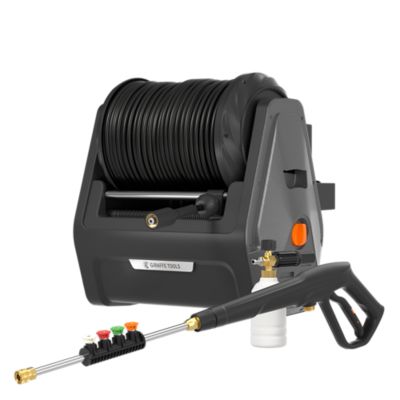
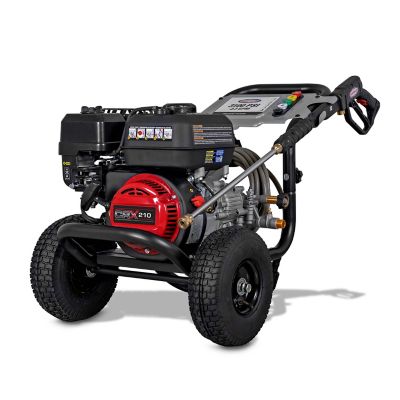
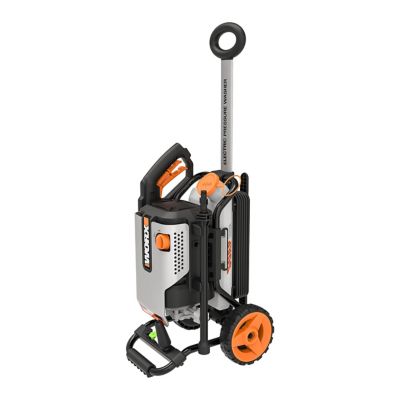
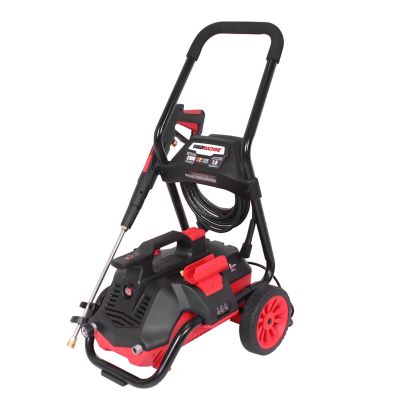
The machine’s layout can make as much difference to a vehicle-washing chore as its pressure rating. A compact electric pressure washer is often a handy fit near a home garage, with push-button operation and no gasoline engine to maintain. It still needs a suitable electrical connection, ground-fault protection and cord arrangements that follow the manufacturer’s instructions. Gas-powered pressure washers offer another option where electrical access is limited, though their engine care, operating noise and potentially higher output deserve consideration for automotive work. Gas engines must run outdoors, well away from doors, windows and other openings. Either type needs a water supply that meets its stated flow requirements; a weak supply can interrupt washing and harm the pump. Around a full-size pickup or an SUV, hose reach matters because there is more ground to cover than the body length alone suggests. A hose long enough to reach around the vehicle can reduce repeated moves, while wheels, a balanced handle and a stable frame help when crossing a driveway or garage threshold. Rubber, reinforced and steel-braided hose constructions offer different combinations of flexibility, weight and abrasion resistance. Hose material alone does not tell the whole story; pressure ratings, bend resistance and connector fit also affect everyday handling. Brass fittings can resist corrosion, while the condition of seals and threads helps determine whether connections stay watertight. Quick-connect fittings can simplify attachment changes, but matching connection sizes and pressure ratings remains important. A comfortable trigger gun, manageable wand length and easy-to-reach controls can make lower rocker panels and larger body panels less awkward to wash. Foam cannons add another consideration: their flow requirements, inlet fittings and detergent compatibility need to match the pressure washer. Thick foam can help shampoo spread and cling, but foam thickness by itself does not establish cleaning performance. Automotive-safe detergent, correct dilution and a thorough rinse matter more than a driveway full of suds.
Vehicle-washing equipment also needs to fit the surfaces and chores it will encounter beyond the hood and doors. Clear-coated wheels, polished aluminum, plastic trim, bed liners and protective coatings can have different care requirements, so cleaning-product compatibility belongs alongside pressure and flow when comparing equipment. A detergent tank or foam attachment works best with solutions approved for both the machine and the vehicle’s finish; household cleaners and harsh degreasers are not interchangeable with automotive shampoo. Dedicated brushes and wash tools help keep grit from tires and wheel wells away from painted panels. For anyone washing a work truck after a run down a dirt road, that separation can matter just as much as extra spray power. Storage features are worth a look, too. A hose reel, wand holder and organized nozzle storage keep small parts together and help prevent hoses from being pinched beneath other garage equipment. Pump access, replaceable seals, service information and compatible replacement hoses can make ownership more straightforward over time. Routine care includes checking fittings for leaks, inspecting hoses for cuts or bulges, cleaning inlet screens and following the manufacturer’s directions for relieving pressure and putting the machine away. A pressure washer should not sit running without water or remain in bypass longer than its instructions allow. Parking space, hose routing and control of wash water also affect how comfortably the equipment fits a home setup, especially where children, pets or other vehicles share the area. For households that also need equipment for hard-surface cleanup,
Power Washers for Driveway covers a related job with different surface demands. Concrete-cleaning attachments and settings should not carry over automatically to vehicle washing. A machine that handles more than one chore needs suitable pressure control and separate, compatible attachments for each task. For regular car and truck care, manageable equipment with the right reach, fittings and spray options can make the whole setup easier to live with.