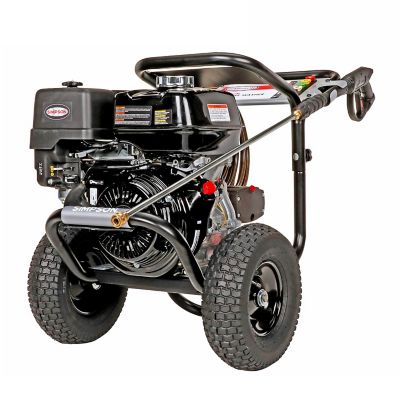
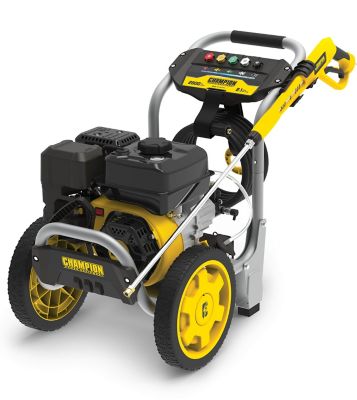
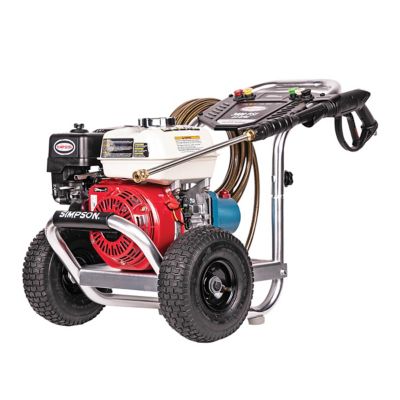
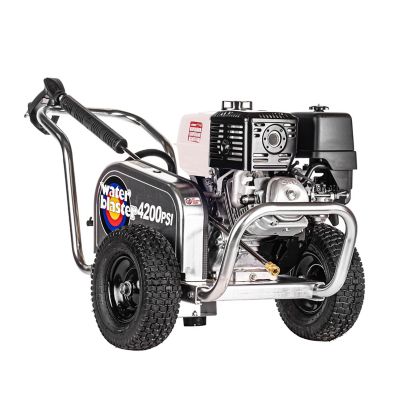
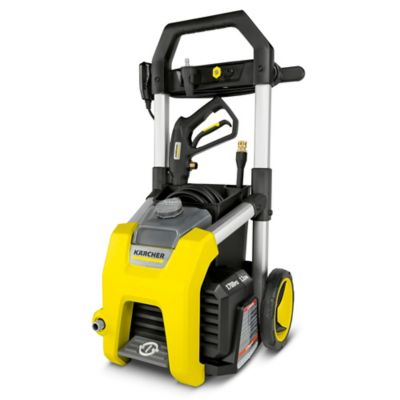
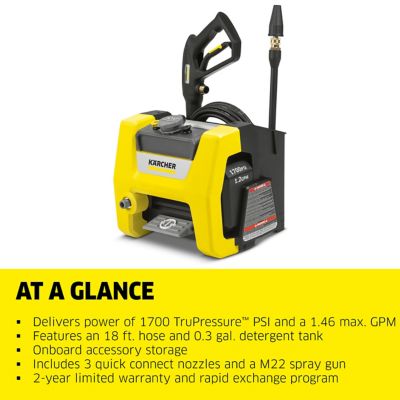
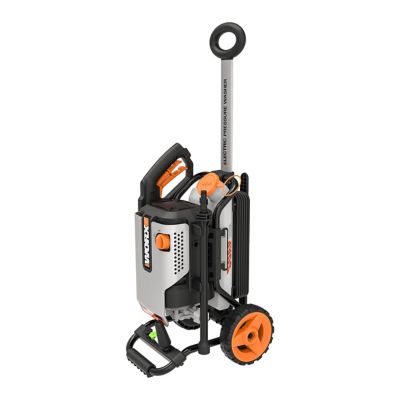
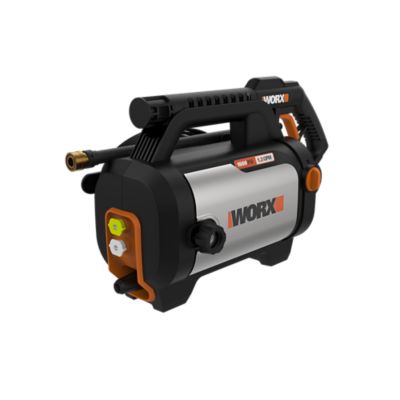
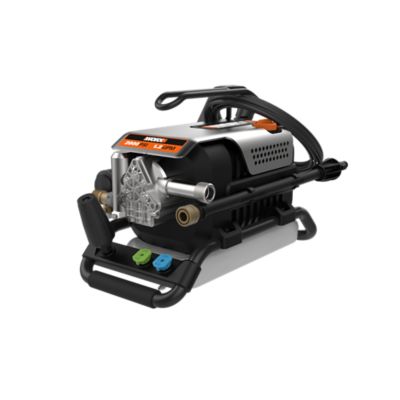
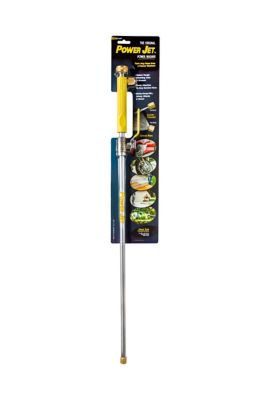
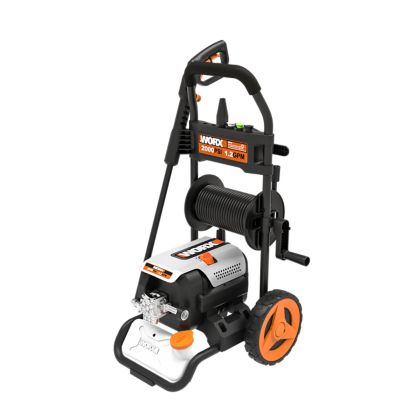
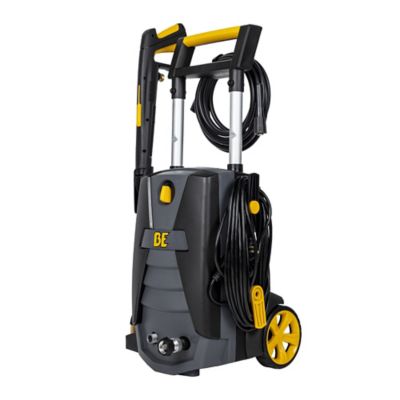
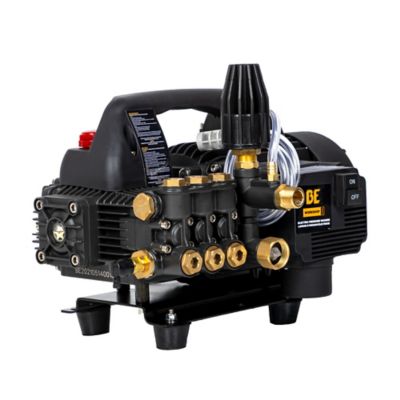
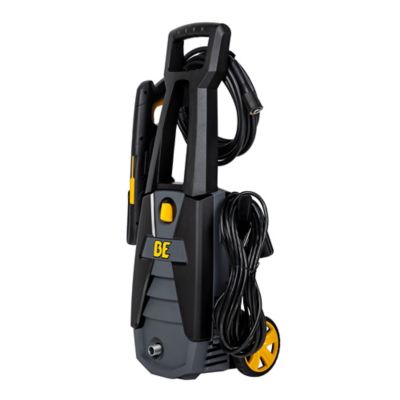
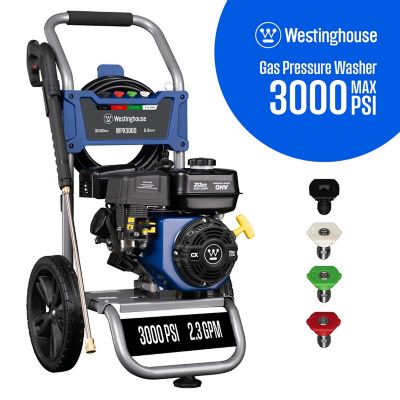
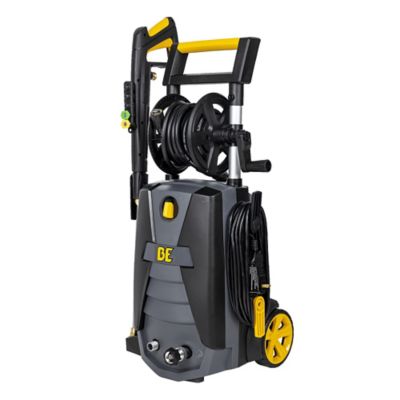
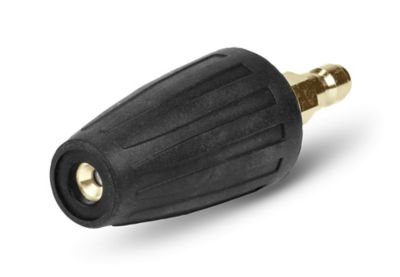
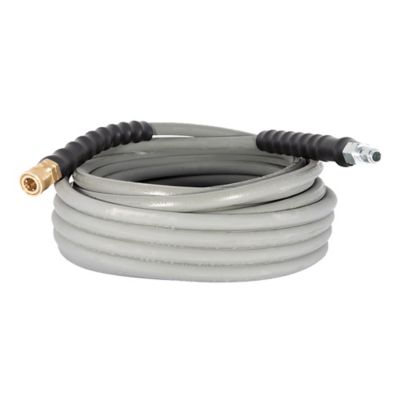
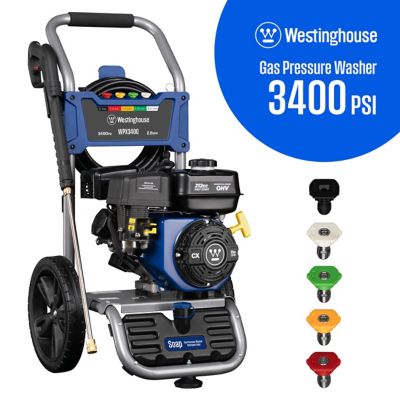
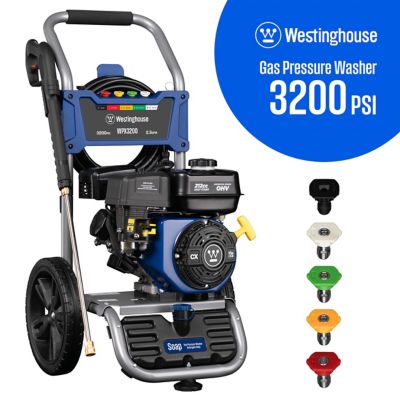
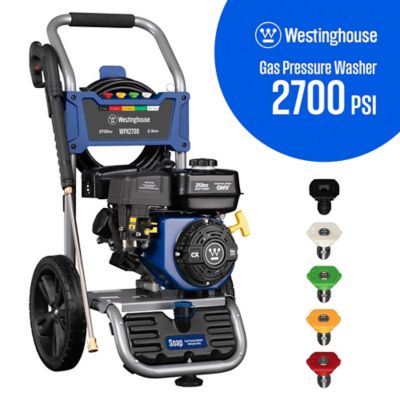
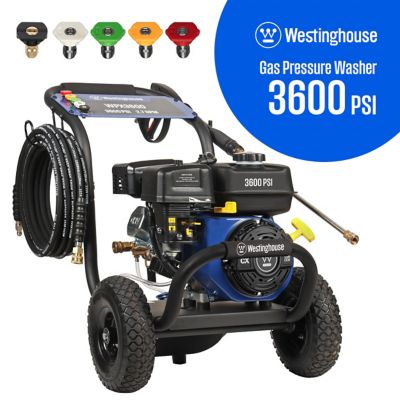
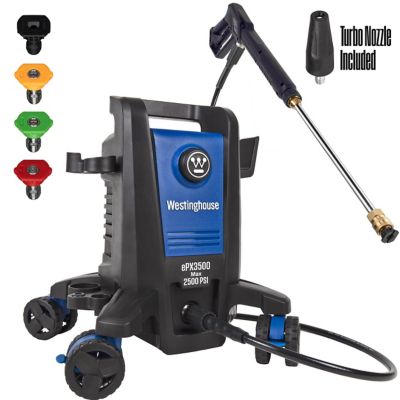
Power washers for driveways make it easier to clear away the everyday buildup that a hose and scrub brush often leave behind. Concrete and pavers can collect dust, mud, tire marks, algae, mildew, leaf stains and tracked-in grime, while asphalt may show oil spots and a dull film after months of traffic. A pressure washer combines water pressure with steady flow to loosen that mess and help bring back a cleaner, brighter surface around the home, farm, garage or shop. For most driveway cleaning jobs, look for a machine rated around 2,500 to 3,500 PSI and at least 2.3 to 2.5 gallons per minute (GPM). PSI describes the force behind the spray, while GPM describes how much water moves across the surface to carry loosened dirt away. A higher PSI rating is not automatically better; too much pressure, the wrong nozzle or holding the wand too close can damage concrete edges, strip loose asphalt, remove joint sand or leave visible marks. Gas-powered pressure washers are a practical choice for long driveways, large properties and deeply embedded grime because they generally offer strong water flow and can be moved wherever the work takes you without an electrical cord. Electric power washers are handy for smaller driveways, attached garages and occasional cleanup, especially where a reliable outdoor outlet and water supply are close by. Think about the size and condition of the area, how often you expect to clean, available storage space, and whether you want a quieter machine with simple push-button starting or the extra mobility of a gas model. A longer hose, sturdy wheels, onboard nozzle storage and an easy-to-reach shutoff can make a real difference when you are working along a house, barn or fence line. Nozzle selection matters, too. Wider spray patterns are usually the safer starting point for broad concrete areas, while narrower patterns can help with stubborn spots when used carefully and from an appropriate distance. Test an inconspicuous area first, and check the surface manufacturer's care recommendations before using detergent or high pressure. For additional help lifting driveway grime, browse
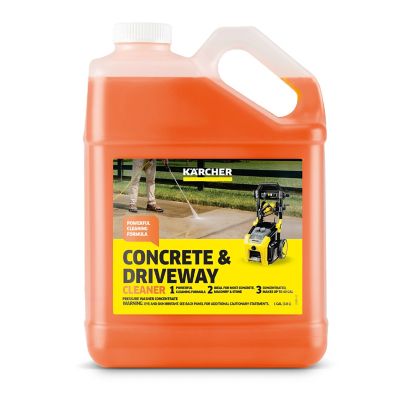
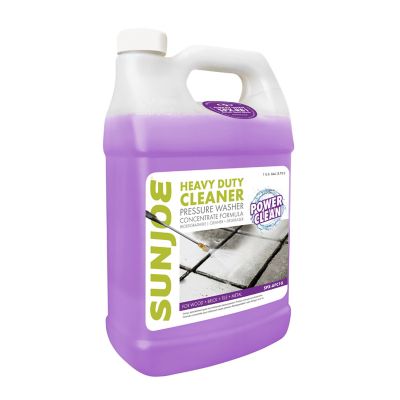
Driveway Cleaners made for outdoor surfaces, and always follow the cleaner label and pressure washer instructions.
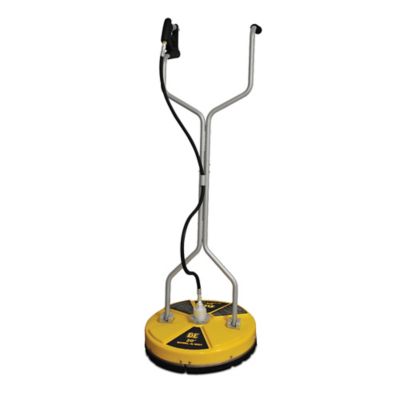
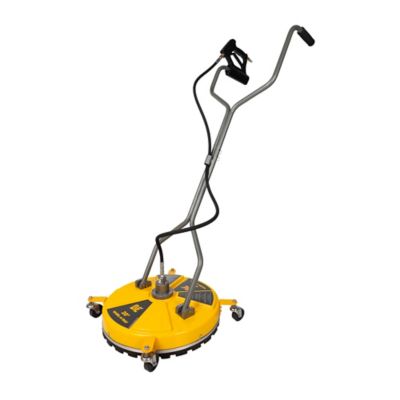
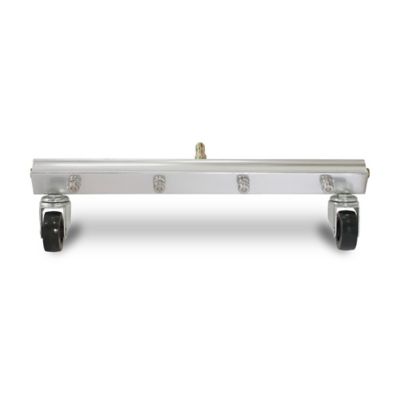
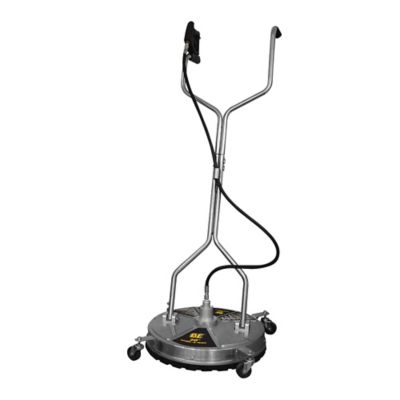
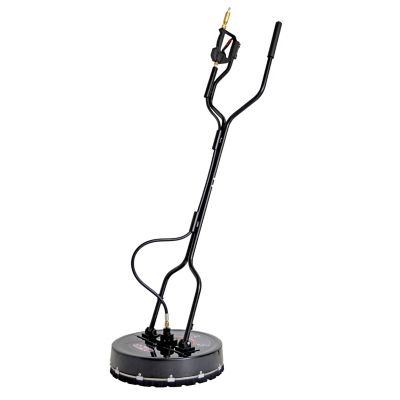
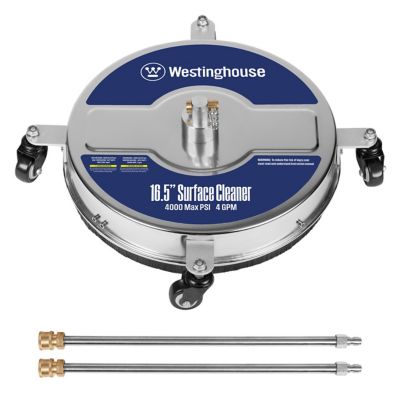
The right technique helps a power washer clean evenly instead of leaving stripes, missed patches or dirty water splashed back onto finished areas. Sweep away gravel, sticks and loose debris before starting, then protect nearby doors, siding, plants and outdoor furniture from overspray. Work from the highest point of the driveway downhill so runoff follows the natural grade rather than pooling beside the garage or foundation. Keep the wand at a consistent height and move in slow, controlled passes, overlapping each pass by about half the spray width. A rotary surface cleaner attachment can cover a broad stretch more evenly than a handheld wand and is especially useful on larger concrete driveways; common sizes in the 15- to 24-inch range can help reduce the zebra-striping effect that comes from moving a narrow spray back and forth. Stop every several feet to rinse loosened dirt toward a suitable drainage area before it dries back onto the surface. Oil and other heavy stains may need a driveway-safe pretreatment and more than one pass, while mold or green growth may call for a labeled cleaner and enough dwell time to work. Avoid blasting directly at expansion joints, cracks, damaged areas and loose edges, and do not aim spray at people, pets, windows or vehicles. Wear eye protection, sturdy closed-toe footwear and clothing that can handle splashback; pressure strong enough to clean concrete can cause serious injury. Keep children and animals out of the work area, use only approved detergents, and never run a gas-powered unit in a garage, shed or other enclosed space. During the cooler months, cleaning can help remove slippery organic buildup before wet weather makes it worse, but allow the driveway to dry fully and take local temperatures into account before applying water or cleaning solution. These machines are useful beyond the driveway as well, helping freshen sidewalks, patios, steps, loading areas, equipment pads and other hard outdoor surfaces when the job calls for more cleaning power than a garden hose can provide. A power washer can also be a useful gift for a new homeowner, a hands-on family member, a small-acreage landowner or anyone who takes pride in keeping the approach to the house, shop or barn looking cared for. With suitable pressure, steady passes and sensible safety habits, it becomes a dependable piece of equipment for routine property cleanup through changing weather and busy seasons.