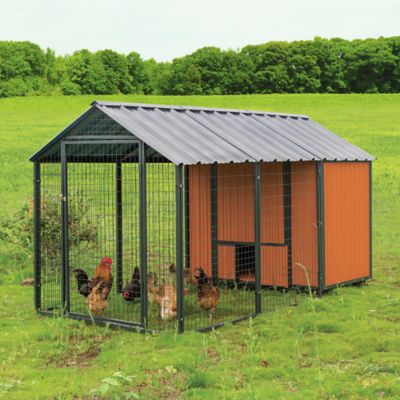
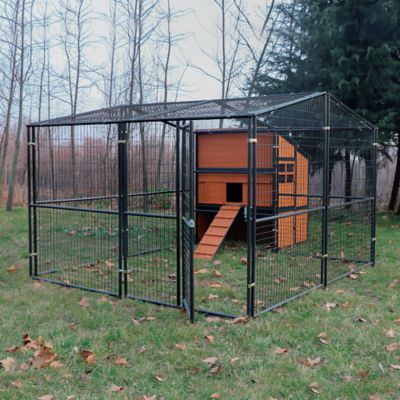
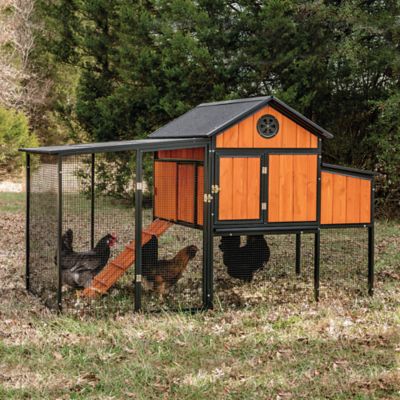
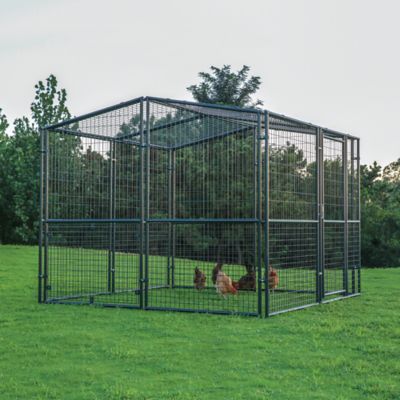
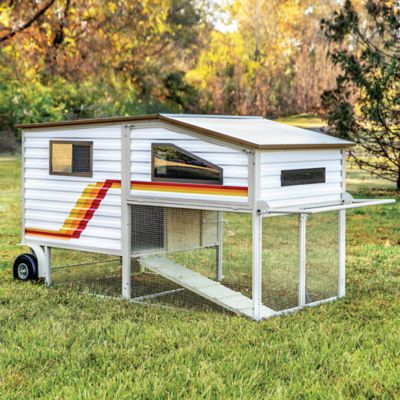
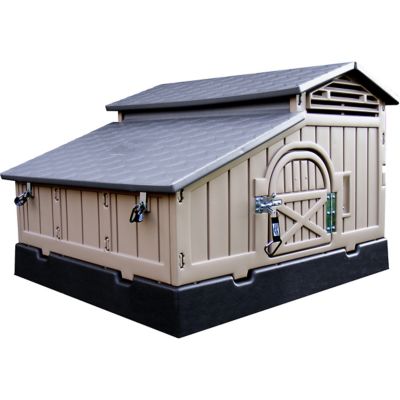
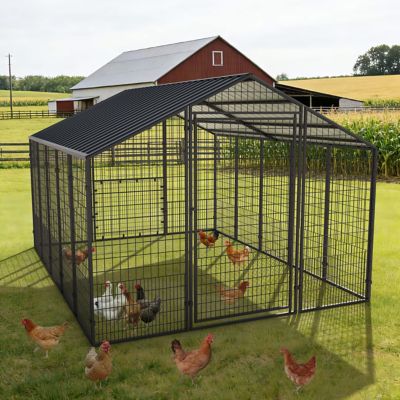
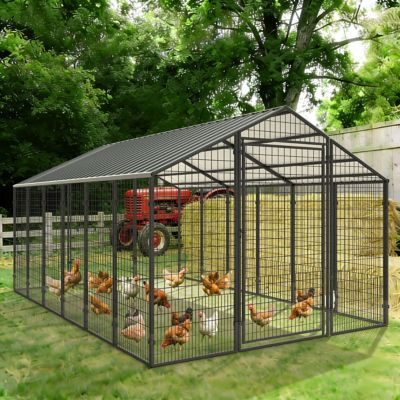
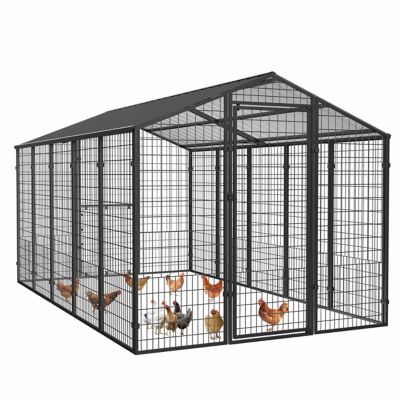
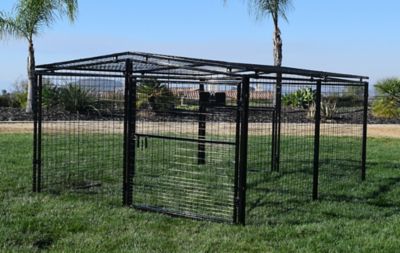
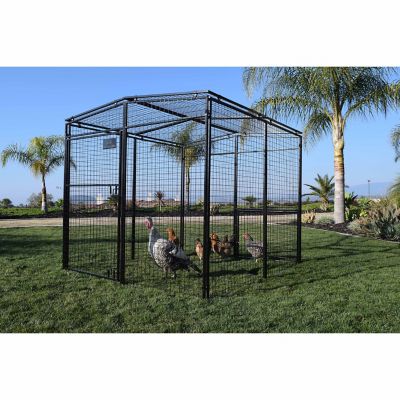
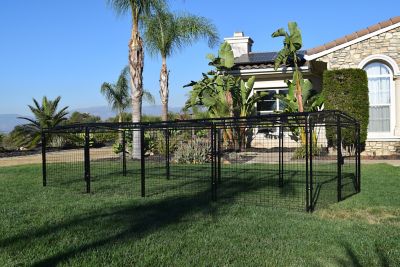
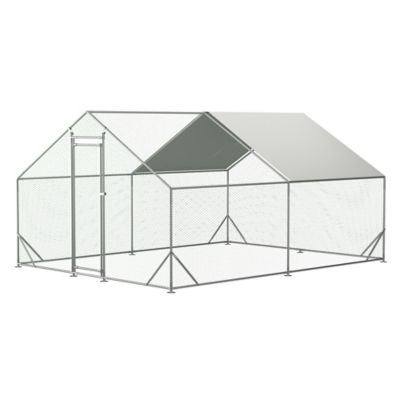
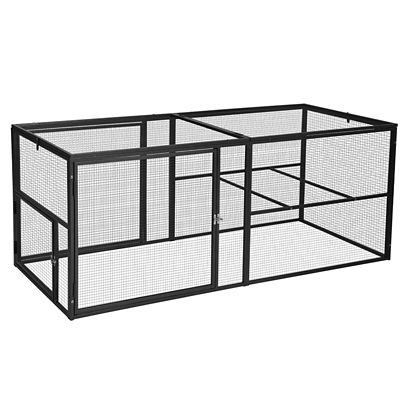
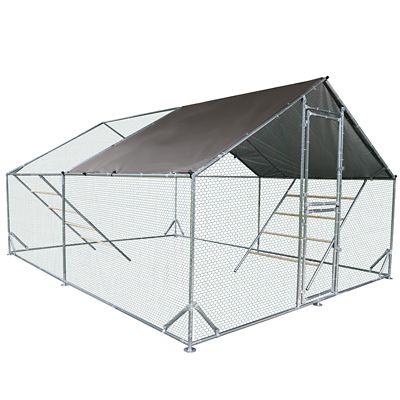
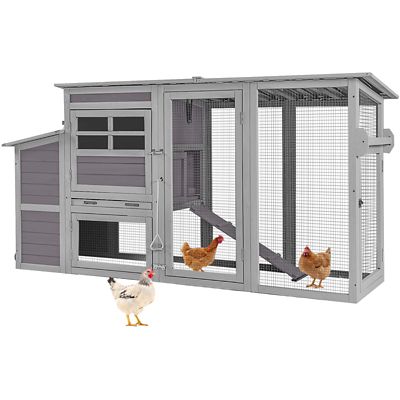
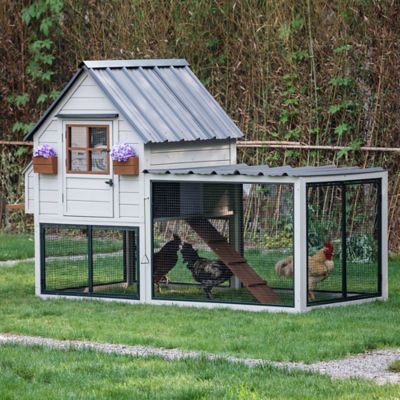
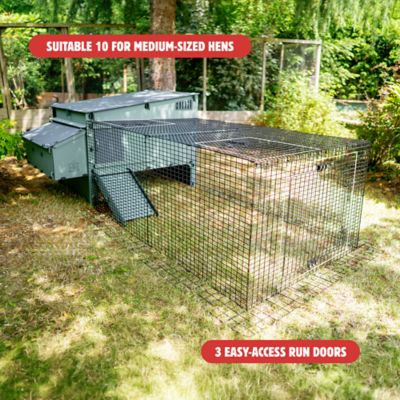
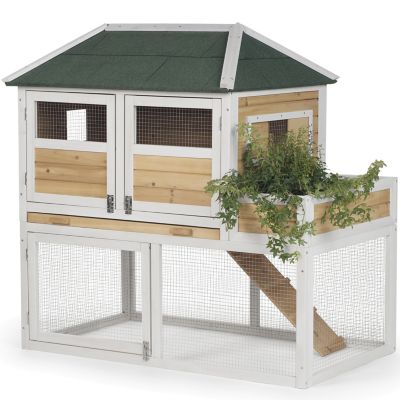
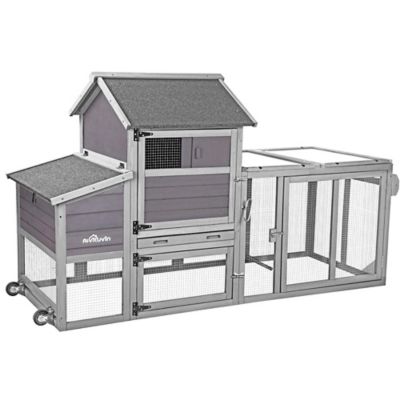
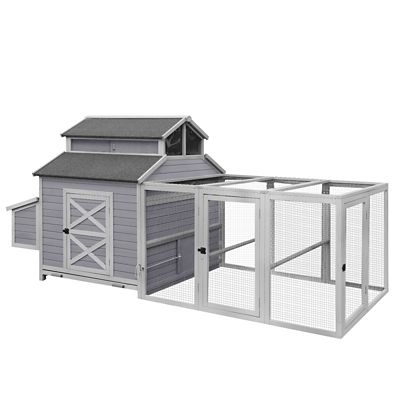
Predator-resistant coops and pens give chickens room to roost, scratch, and settle while adding barriers between the flock and animals looking for an easy meal. Protection comes from the whole enclosure: a sound frame, close-fitting mesh, secure doors, an overhead barrier, and protection along the ground. No single feature makes a coop predator-proof, and even a substantial enclosure needs routine checks. On a backyard lot or a small farm, the threats can range from a raccoon working at a latch to a fox digging along a fence line or a hawk watching an open run. Different predators test different parts of the structure, which is why the connections between the coop, pen, and ground matter as much as the panels themselves. Welded hardware cloth with small openings helps limit access through the sides, while wire gauge, weld strength, and attachment methods affect how well a panel holds together under pressure. Half-inch hardware cloth is a common choice for chicken enclosures, though the appropriate opening size depends on the birds and local predators; very small animals may require a tighter barrier. Ordinary chicken wire mainly keeps chickens contained and does not offer the same resistance to tearing or chewing. A mesh apron extending outward at the base, or an appropriately installed buried barrier, can discourage digging when gates, corners, and adjoining sections receive the same attention. Above the pen, a solid cover or securely attached wire barrier can help block access from overhead. Lightweight bird netting may discourage aerial predators, but it is not a substitute for a structure designed to resist climbing animals. These layers work together: a strong wall cannot compensate for an open roof, and a solid roof cannot make up for a gap beneath a gate. Clear details about mesh, framing, fasteners, and ground protection make it easier to judge an enclosure beyond its overall appearance.
The right fit depends on the flock, the property, and how the birds spend their day. An enclosed sleeping area and an attached exercise pen serve different purposes, so their dimensions deserve separate attention. Outside measurements alone do not show how much floor space remains after feeders, waterers, nesting boxes, and roosts are in place. Chickens need room to move around one another, reach feed and water, and step away from flockmates without getting cornered. Breed size matters, too: a doorway that suits a bantam may be tight for a broad-bodied hen, while young birds may slip through gaps that contain adults. The layout of a
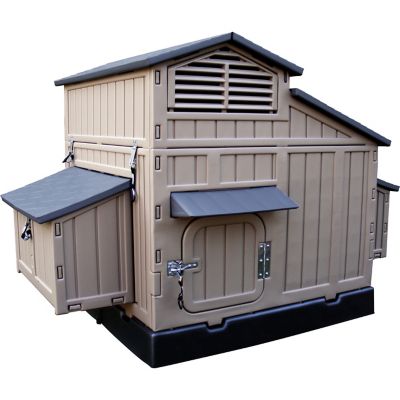
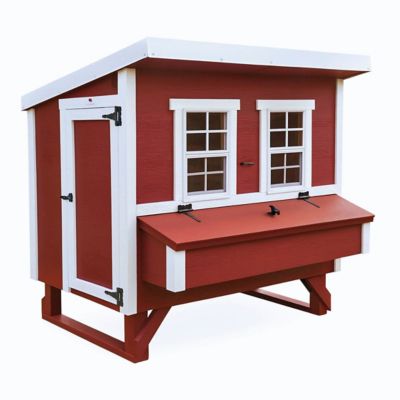
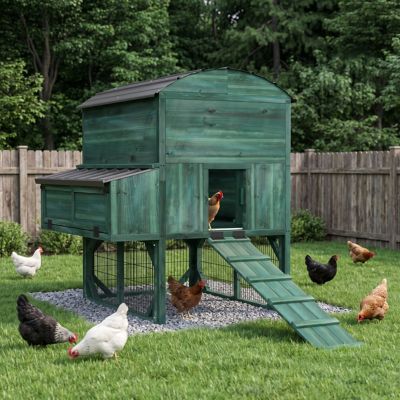
Large Chicken Coop With Predator Protection matters as much as its footprint, particularly when a flock needs several roosting spots and access to an attached run. Advertised bird capacity is a starting point rather than a substitute for checking usable space and the needs of the flock. Wood framing can provide a substantial structure, with joints, panel thickness, and ongoing surface care influencing its service life. Metal framing brings different considerations, including tubing dimensions, joint construction, corrosion protection, and the way mesh attaches to the frame. Galvanized wire and coated components still benefit from inspection, especially where cut ends, fasteners, or moving parts expose bare metal. Raised coop floors can make the underside easier to inspect, but ramps, supports, and nearby objects must not create overlooked entry points. Ground-level pens need close contact with the site or a barrier that addresses uneven patches. Ventilation openings also belong in the security plan: airflow remains important for managing moisture and ammonia inside the coop, and those openings need firmly attached mesh rather than an unprotected gap. For backyard egg keepers, homesteaders, and small farm flocks, a well-matched enclosure balances comfortable living space with barriers that suit the animals likely to investigate it.
Everyday access is another important part of predator resistance. A pen may look secure when everything is closed, yet become awkward to manage when a keeper is carrying a feed pail or reaching for eggs. Doors with sturdy hinges, close-fitting edges, and latches that engage cleanly help make closing up a straightforward chore. A secondary locking step can add resistance to manipulation, particularly where raccoons are a concern, though latch design and installation still matter. Human access doors, chicken doors, nesting-box lids, and cleanout panels all create openings that deserve the same attention as the main entrance. Smooth door operation makes it easier to notice a developing problem, such as a sagging frame or a latch that no longer lines up. Removable trays, accessible corners, and enough room to reach inside can simplify bedding changes without requiring security panels to be taken apart. Feed storage and tidiness around the pen matter as well; spilled grain and exposed feed can draw rodents and other animals close to the flock. For movable pens, the ground barrier and anchoring arrangement need to suit each new position, since a hollow under one edge can leave an opening that was not there before. Fixed installations benefit from accessible fence lines where digging, loose wire, and shifted soil are easy to spot. Mesh edges should be secured without leaving sharp points where birds or keepers can brush against them. Fasteners, hinges, flooring, and panel connections all need periodic attention as birds scratch, doors swing, and daily chores put the enclosure to work. A covered run provides another layer of separation, but it does not replace closing birds into an appropriately secured coop when their routine calls for it. The most practical setup is one that fits the flock, addresses local predator behavior, and stays manageable enough for careful checks to become part of ordinary chicken keeping.